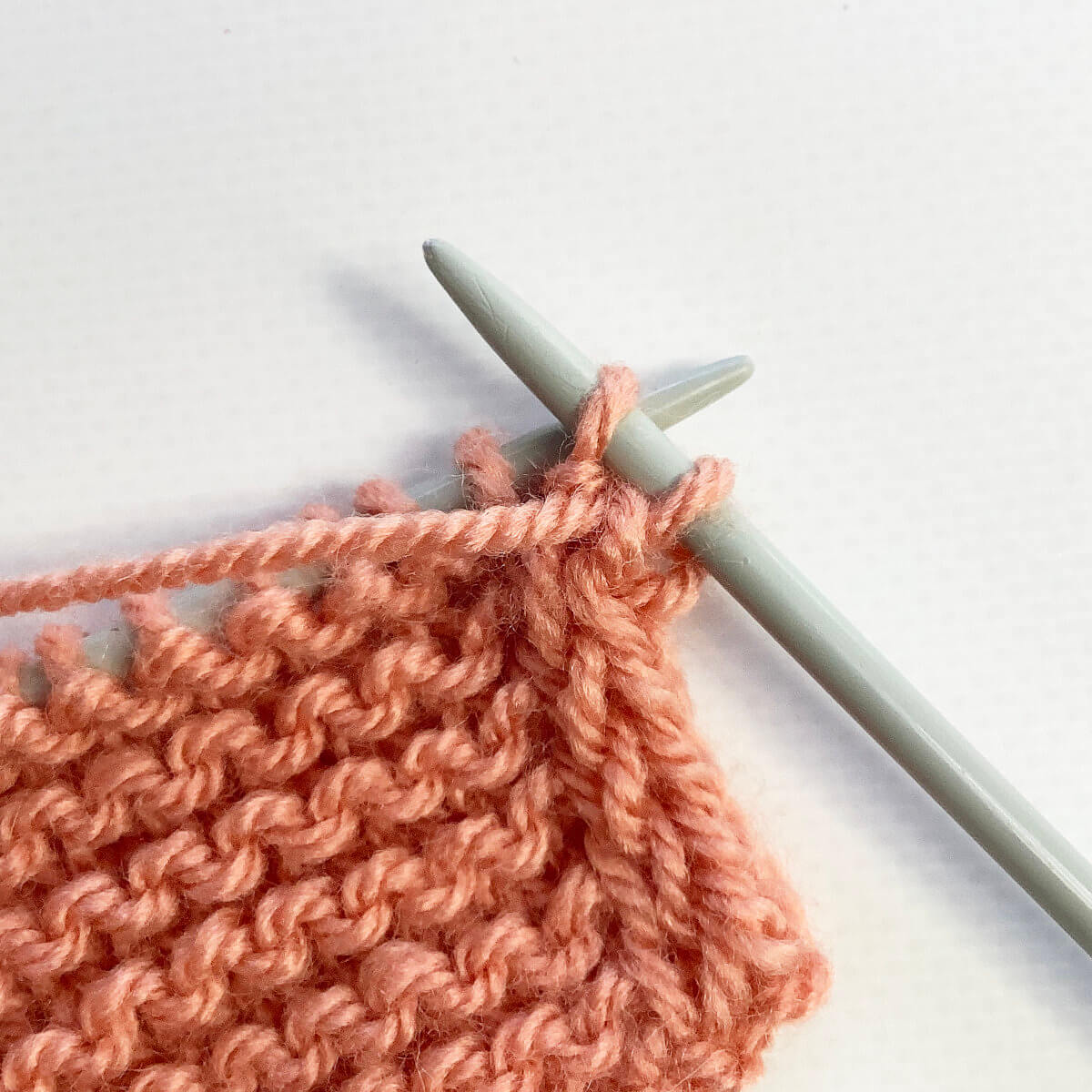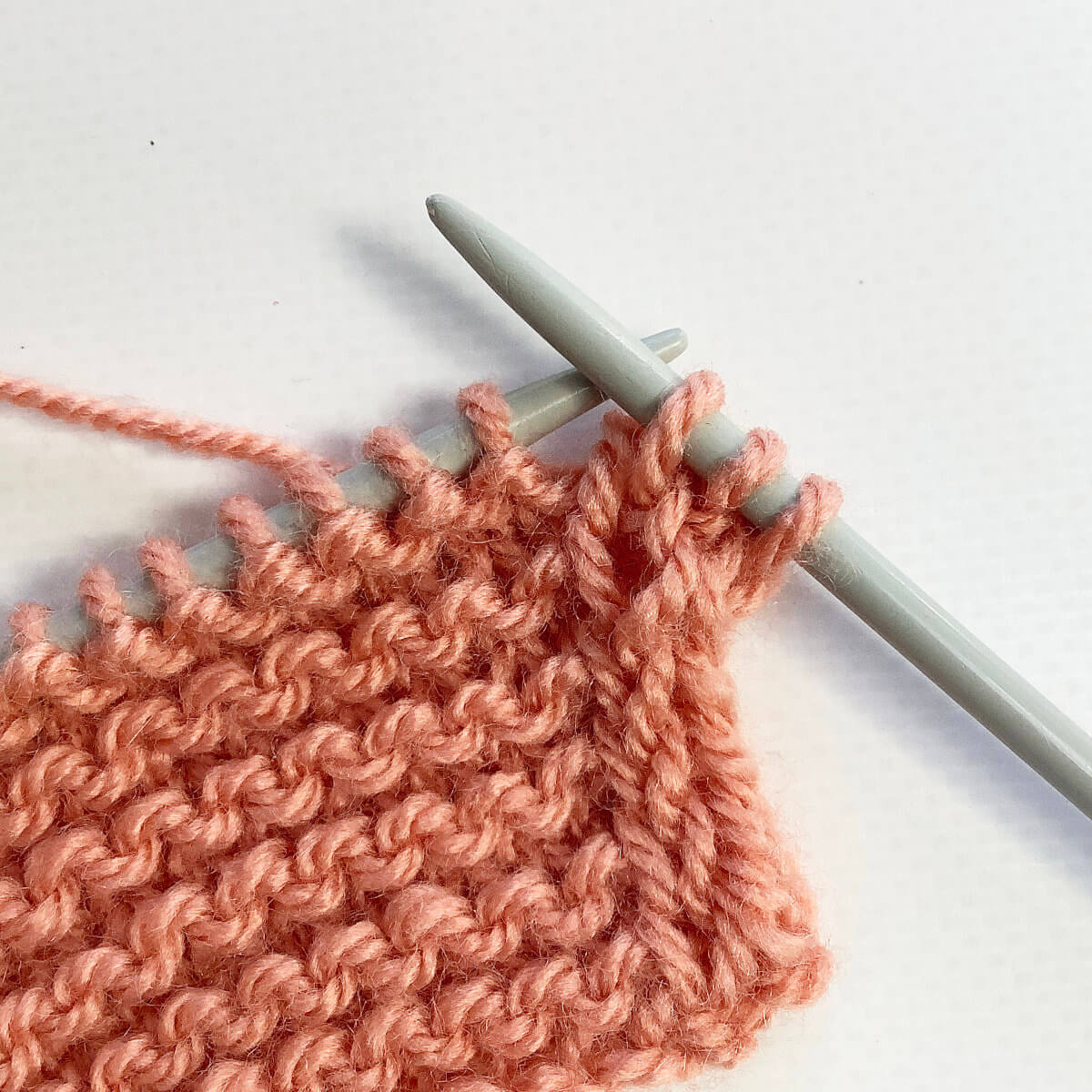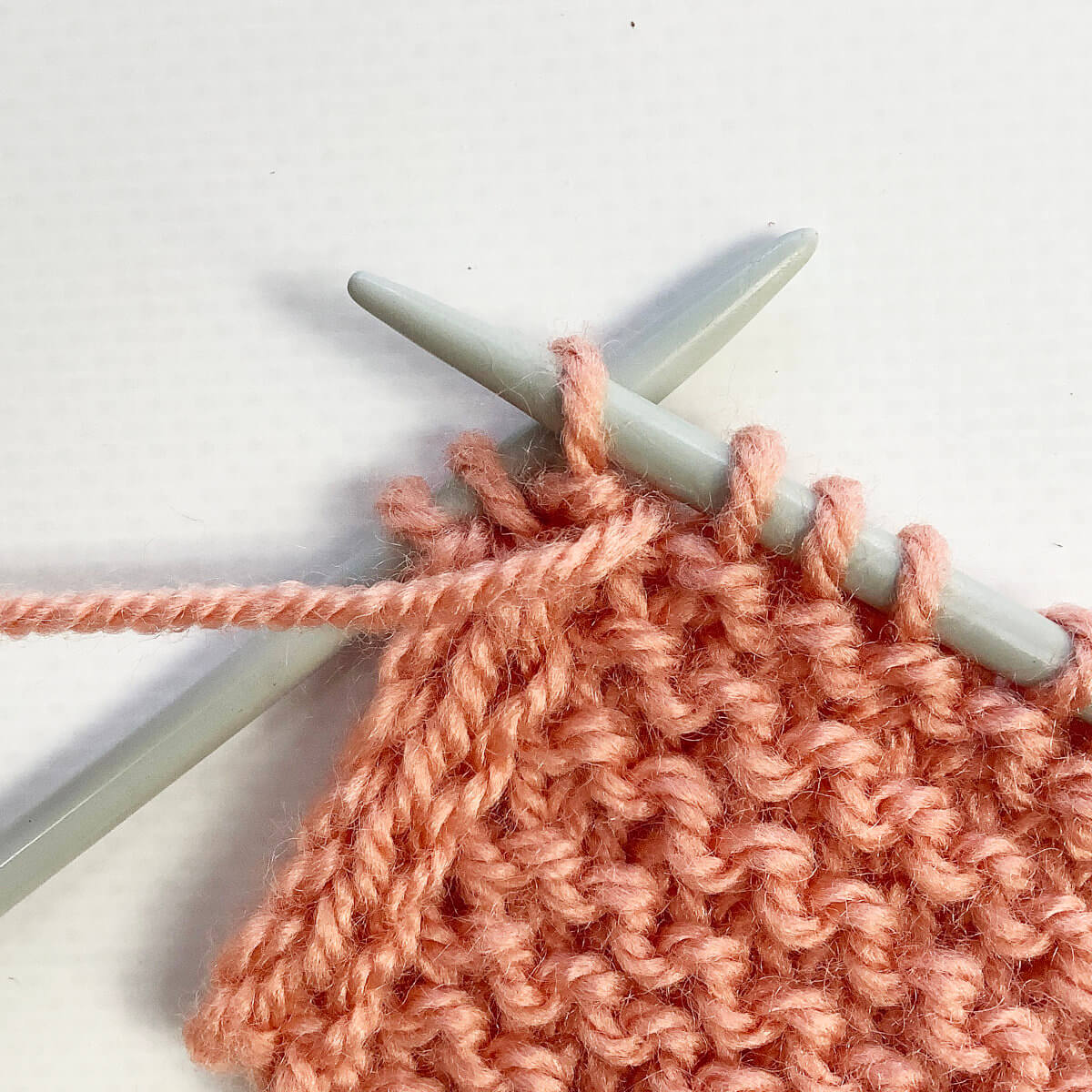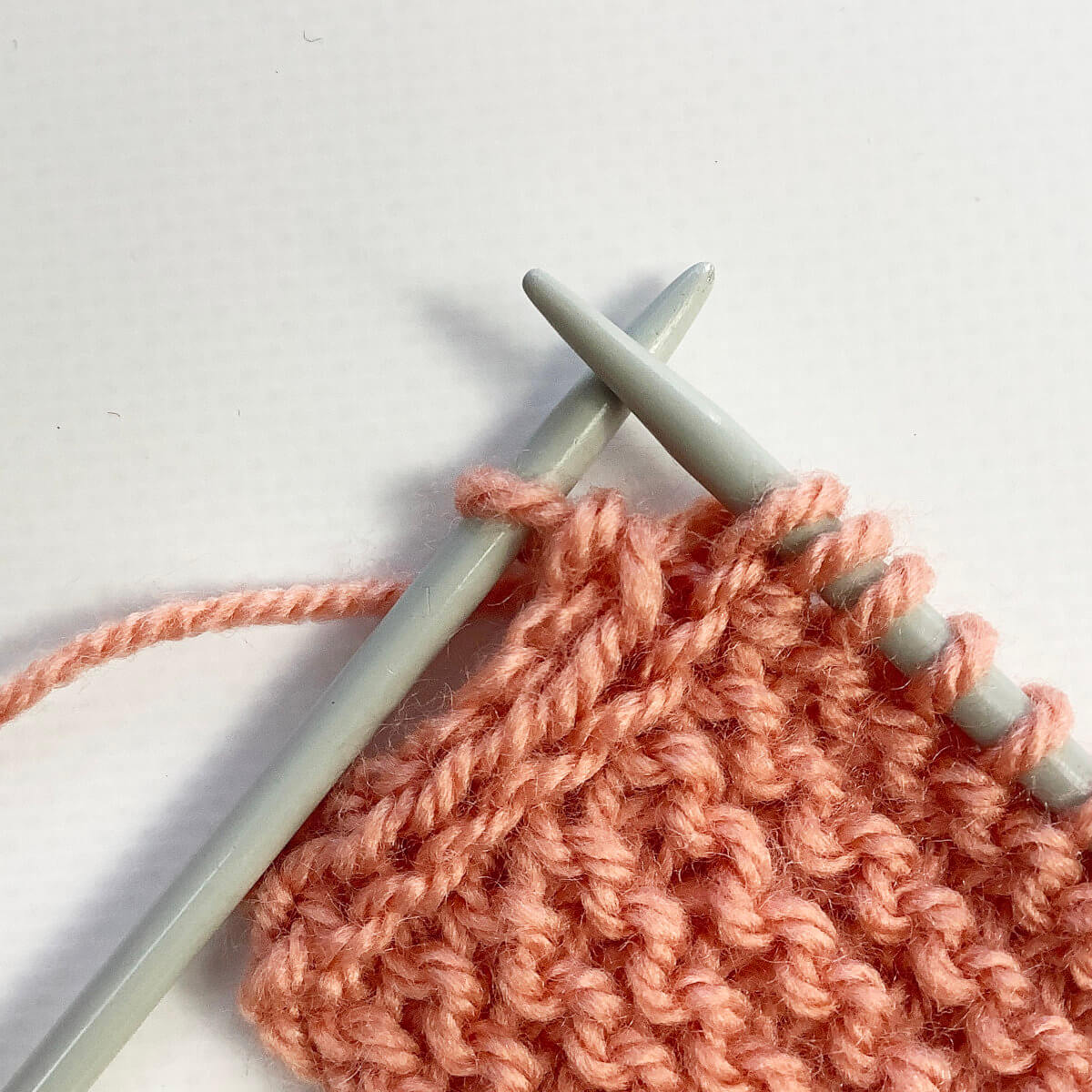
knitting

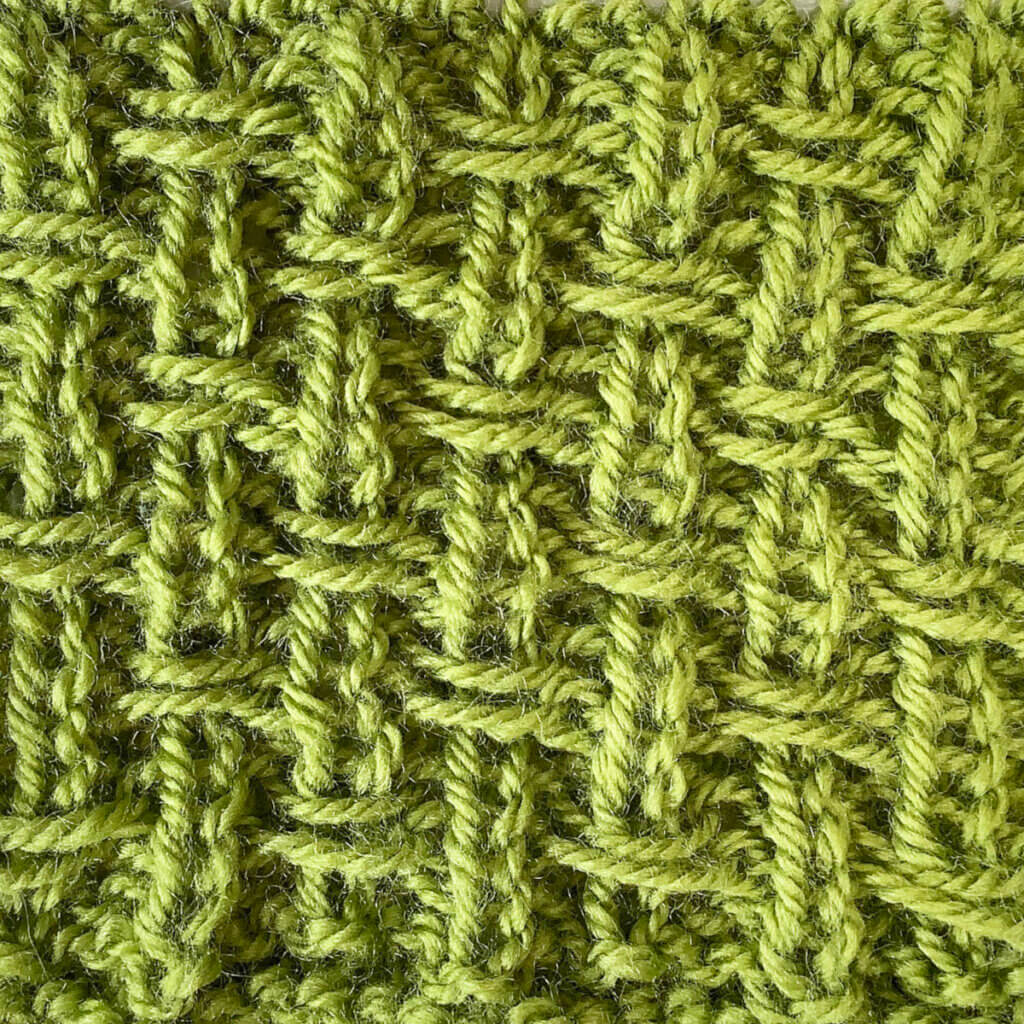
stitch pattern – slip stitch basket weave
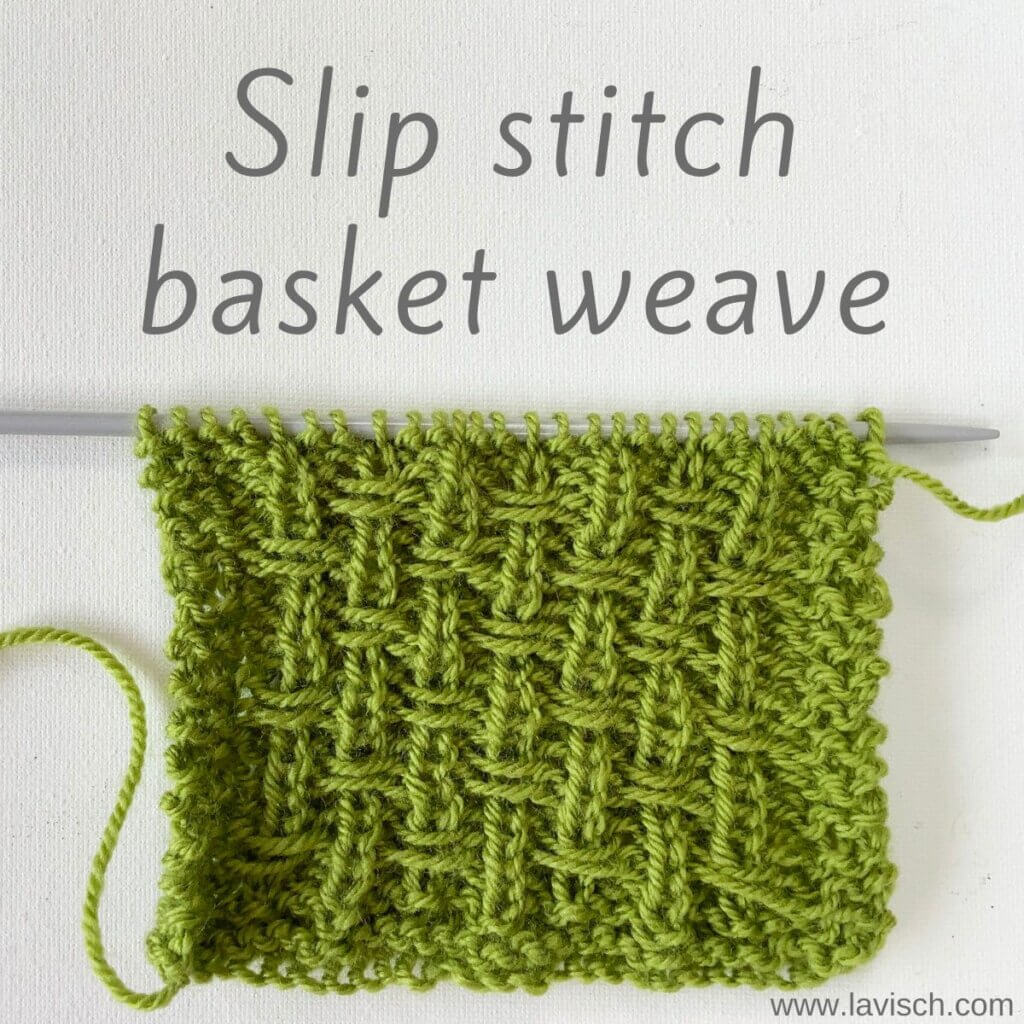
Slip stitch basket weave  by La Visch Designs

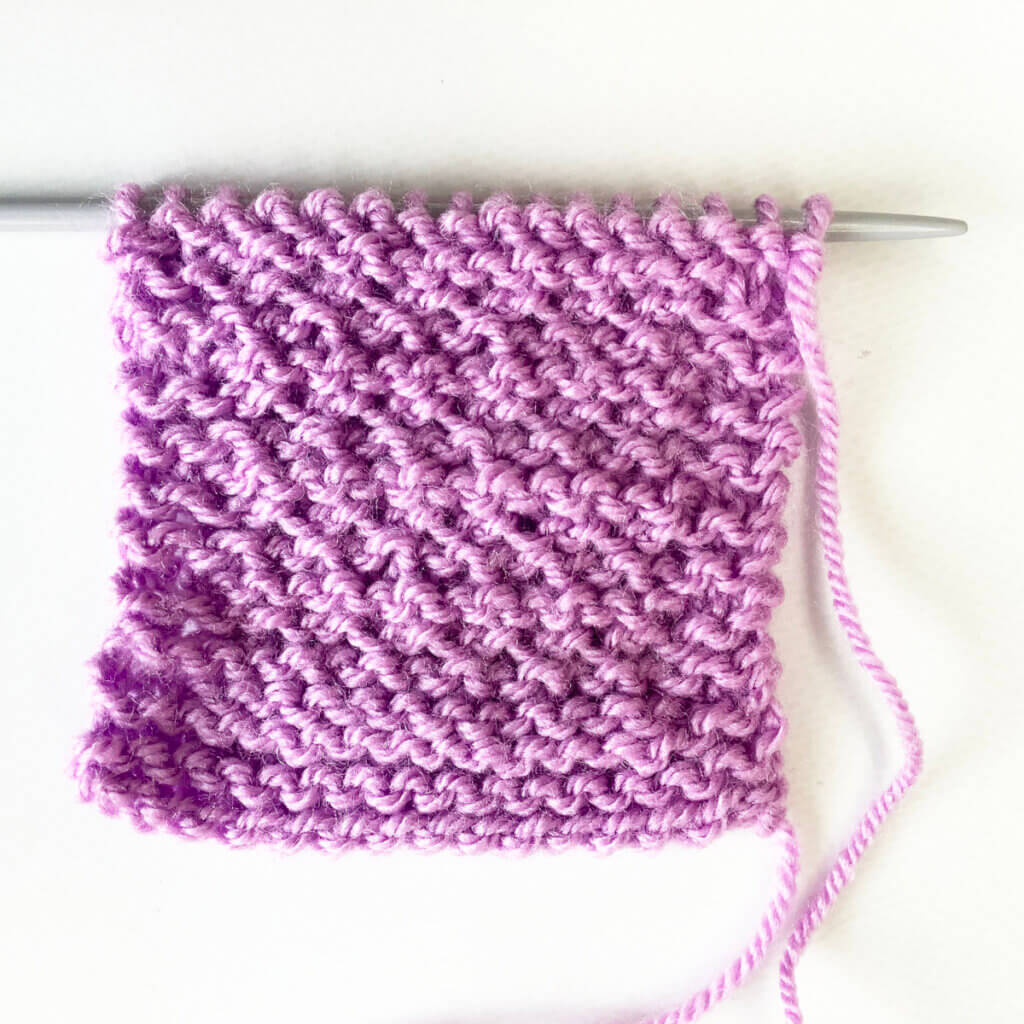
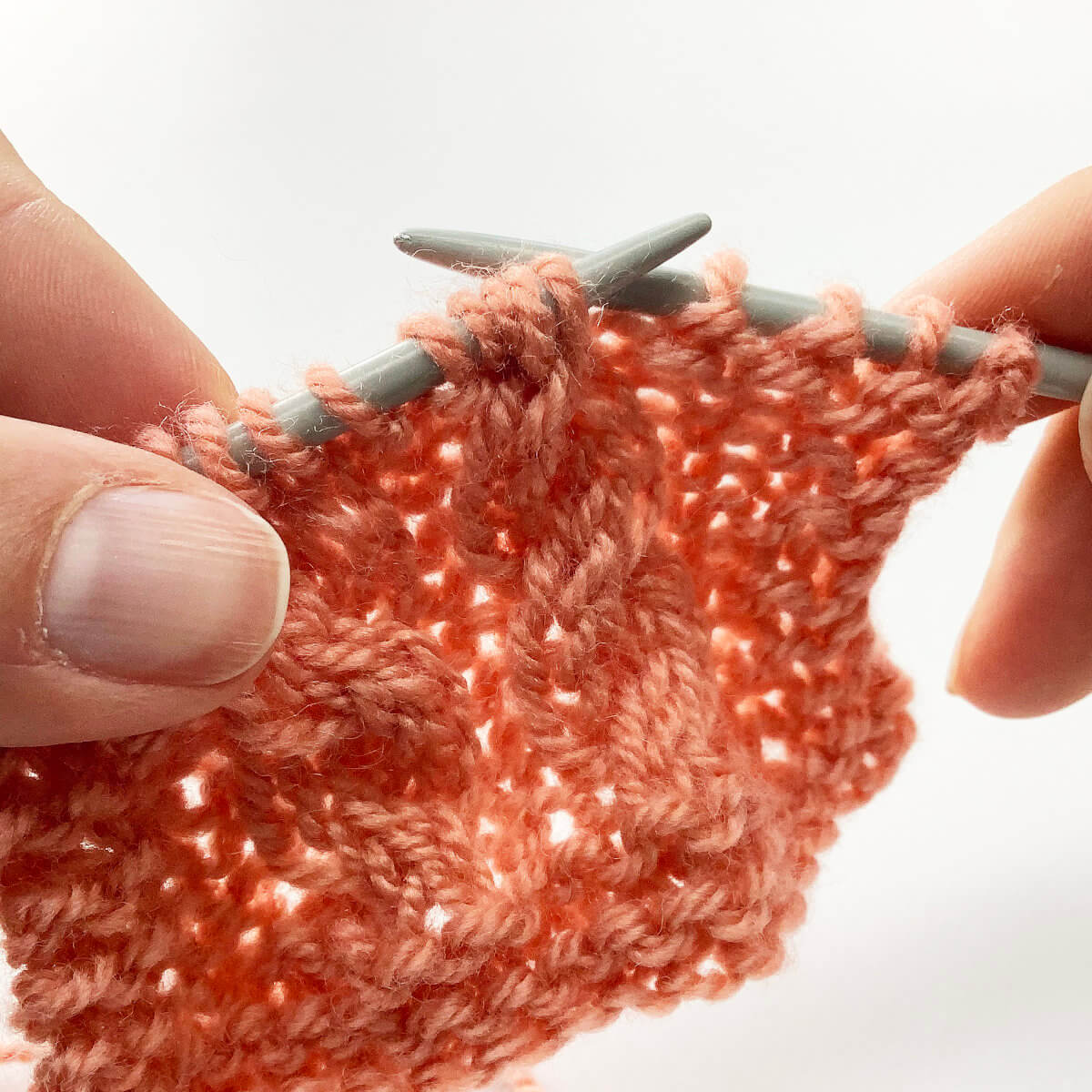
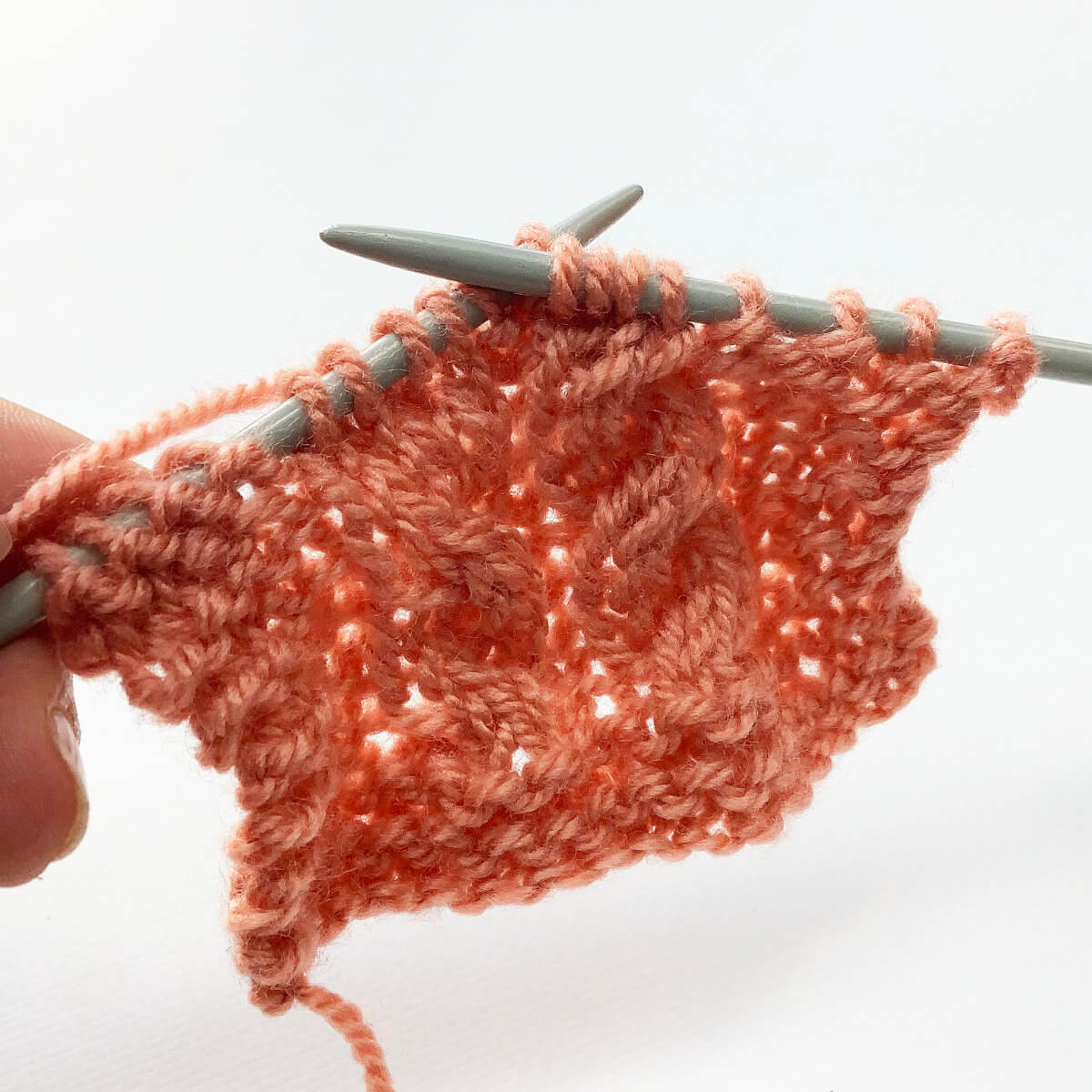
The slip stitch basket weave stitch pattern is a variation of 2 x 1 rib. It has strategically placed slip stitches, creating the horizontal threads that give this stitch pattern its lovely texture. Please keep in mind, that the above swatch is worked in an unblocked worsted weight acrylic. When this stitch pattern is knit in a yarn that blocks out nicely, say a wool or cotton yarn, it may look a tad different from how it looks like here.

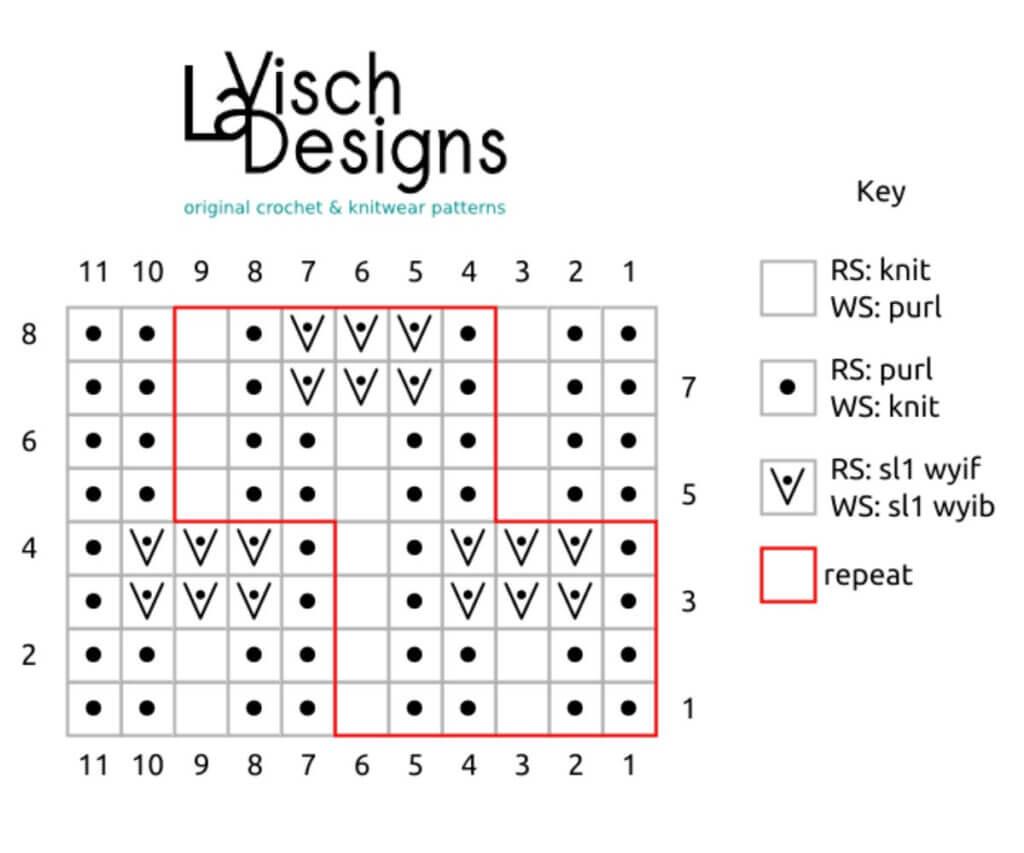
This stitch pattern is worked as a multiple of 6 stitches + 5, and in an eight-row repeat. Please note that I’ve added 2 edge stitches in garter stitch on both sides of the swatch.

Materials used
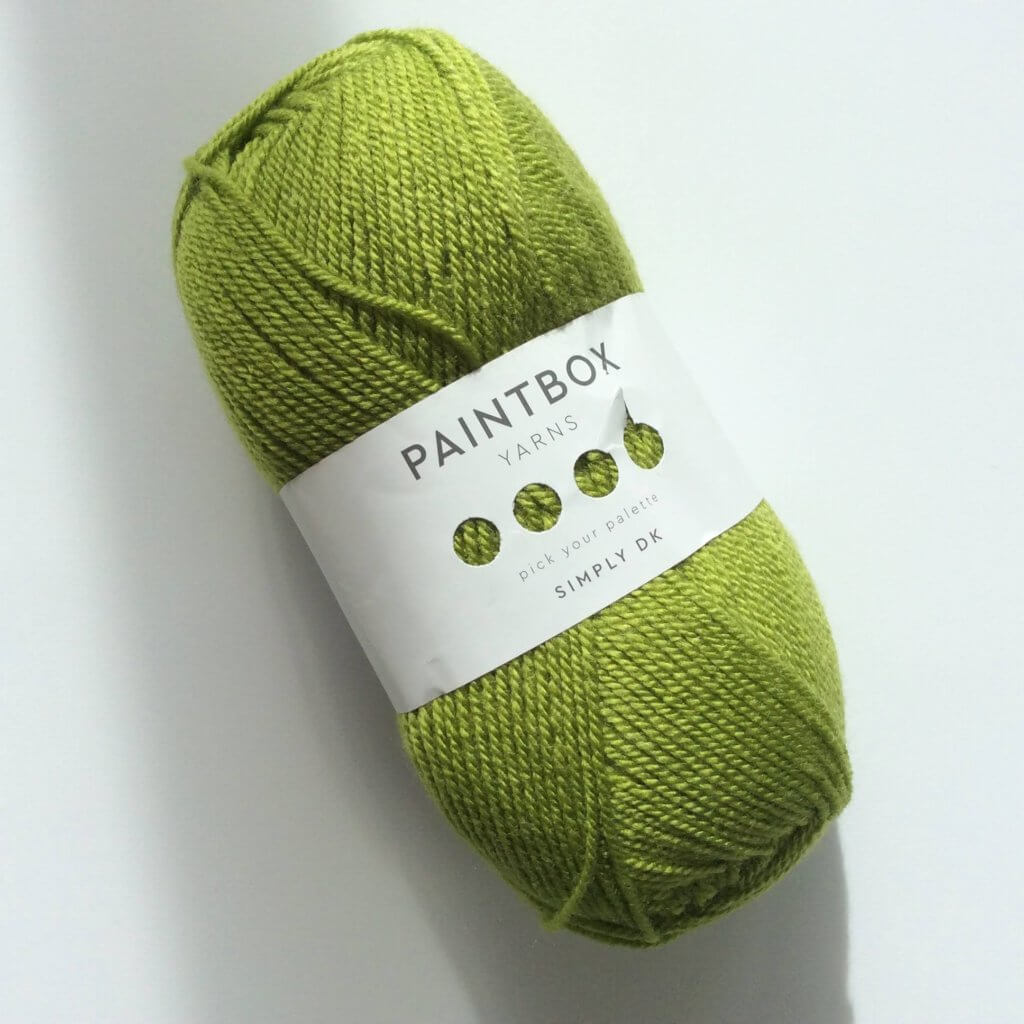
Yarn: Paintbox Yarns Simply DK, a good value, good quality 100% acrylic yarn, in the color 128 Lime Green.

Knitting needles: This is a pair of straights that I picked up at the second-hand store when I started knitting, brand unknown.

Stitches used

  • k – knit
  • p – purl
  • sl1 wyif – slip 1 stitch purlwise with yarn in front.
  • sl1 wyib – slip 1 stitch purlwise with yarn in back.
  • st(s) – stitch(es)

Slip stitch basket weave instructions

Row 1 (RS): *P2, k1*; rep ** to 2 sts before end, p2.
Row 2 (WS): K2, *p1, k2*; rep *-* to end.
Row 3: *P1, sl1 wyif 3 times, p1, k1*; rep *-* to 5 sts before end, p1, sl1 wyif 3 times, p1.
Row 4: K1, sl1 wyib 3 times, k1, *p1, k1, sl1 wyib 3 times, k1*; rep *-* to end.
Row 5: *P2, k1*; rep *-* to 2 sts before end, p2.
Row 6: K2, *p1, k2*; rep *-* to 3 sts before end, p1, k2.
Row 7: P2, k1, *p1, sl1 wyif 3 times, p1, k1*; rep *-* to 2 sts before end, p2.
Row 8: K2, *p1, k1, sl1 wyib 3 times, k1*; rep *-* to 3 sts before end, p1, k2.

Repeat rows 1-8 for pattern until desired length.

Slip stitch basket weave chart

In the below pictures, you see the patterning first from the right, and then also from the wrong side of the fabric:

Slip stitch basket weave from the RS
Slip stitch basket weave from the WS

The below picture gives an impression on how this stitch pattern looks when used allover in a project.

Slip stitch basket weave allover
Patreon logo

Thanks to my Patreon supporters for bringing you this freebie! Creating quality patterns and tutorials is a lot of work and resource-intensive. However, I find it important to give you free content like this tutorial. Thanks to the generous support of my Patreon supporters, I can make it happen. Thank you, patrons! Click here to join, or click here to read more about La Visch Designs on Patreon.

stitch pattern – slip stitch basket weave Read More »

fixing damage in ready-made knitwear

Fixing damage in ready-made knitwear - by La Visch Designs

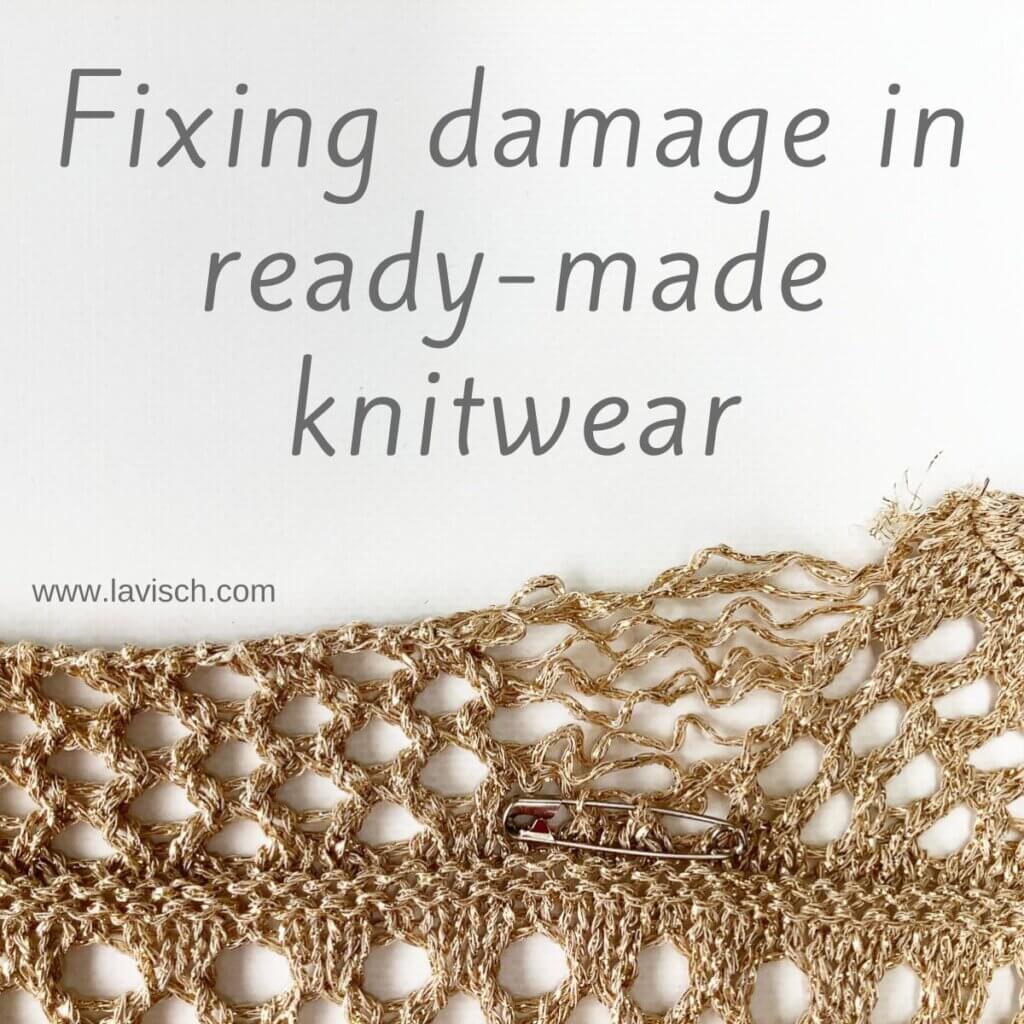
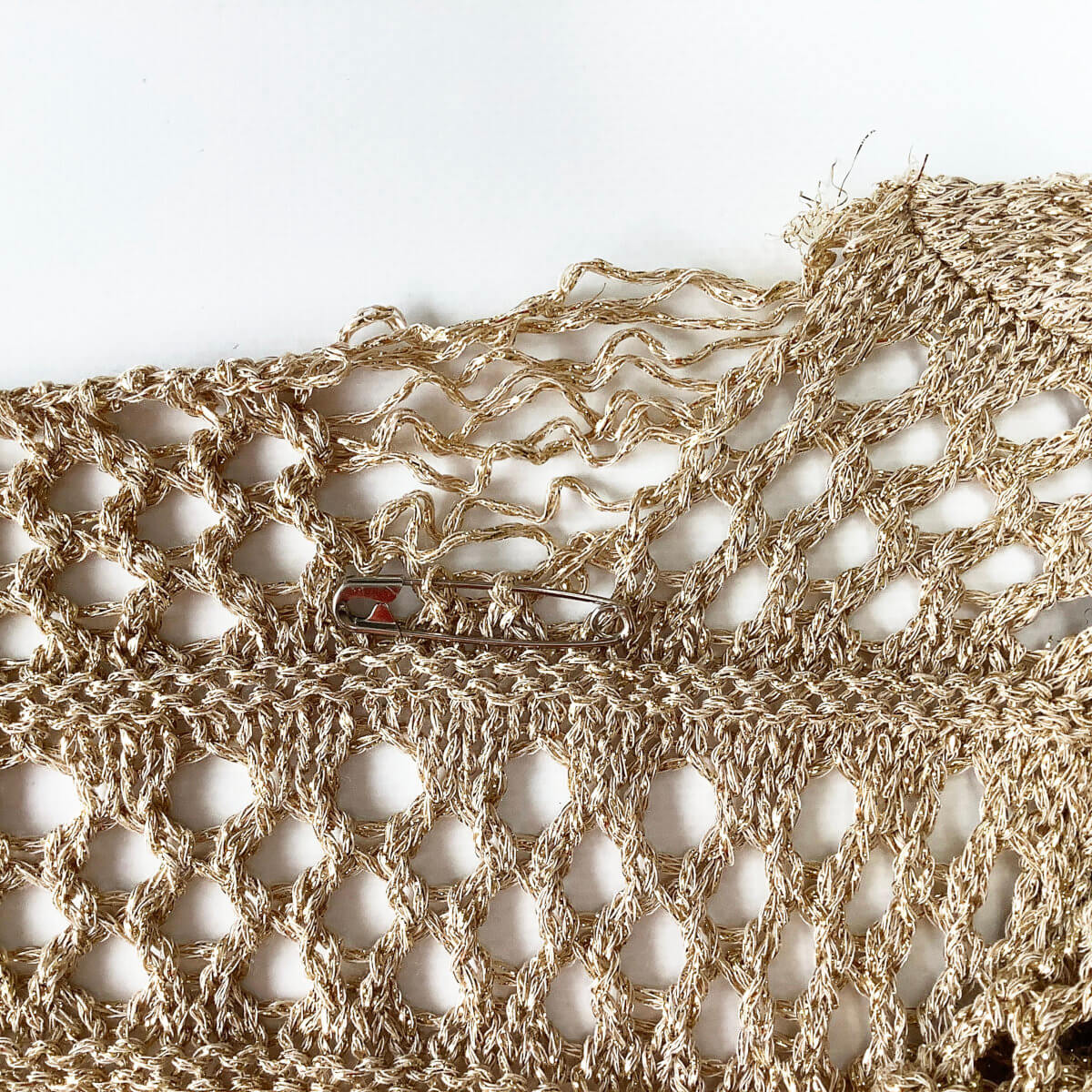
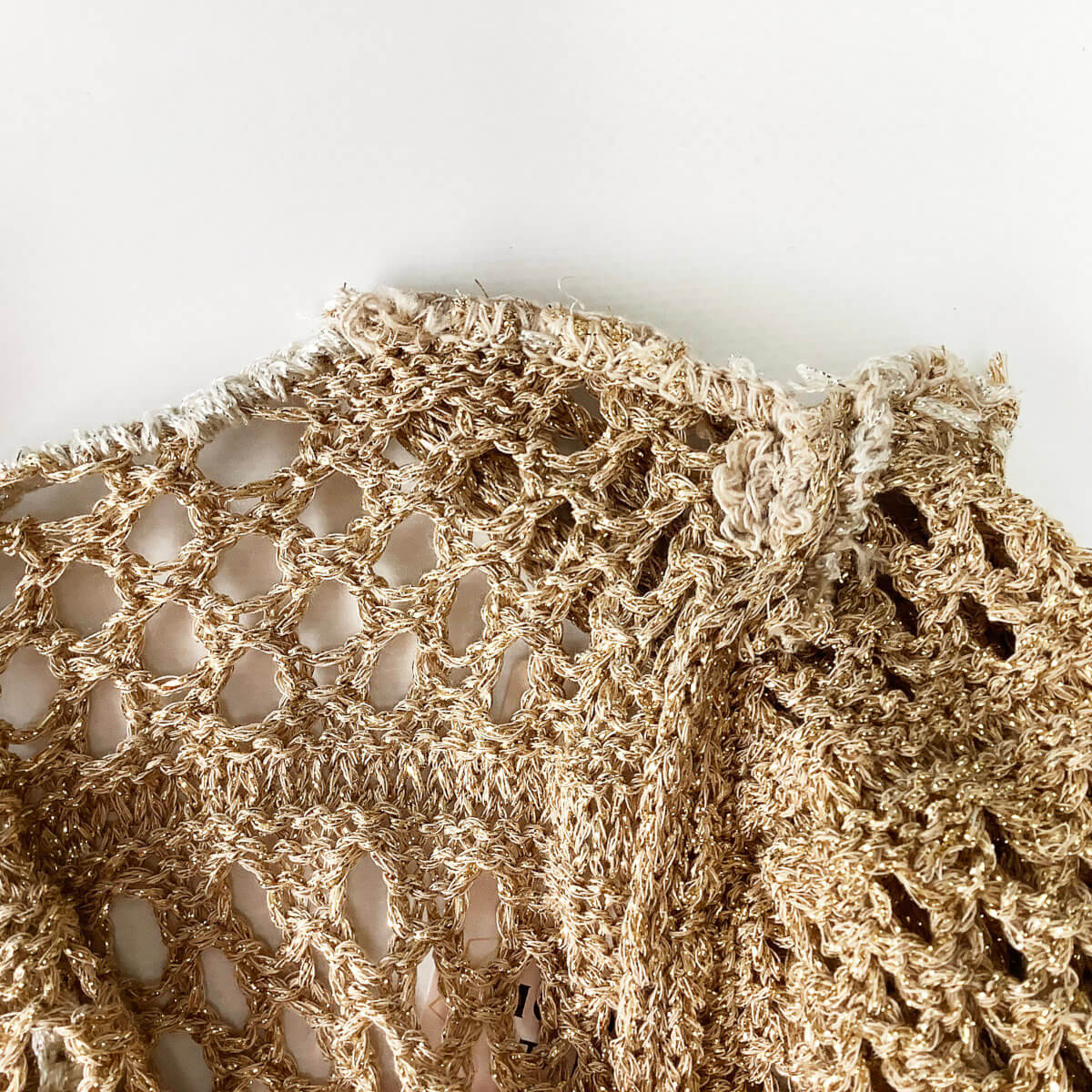
Last week, I was approached by a colleague about fixing damage in a garment: she had bought this lovely gold knit cardigan. But when she came home, she found this large laddered down area at the back neck of the garment. She could, of course, bring it back to the store, but it was the very last one they had available in her size. So, she approached me to see if I could perhaps fix it.

I must admit that I’m not too keen on mending, in the sense that I don’t particularly enjoy the process of mending itself. The concept of mending, however, is something I very much endorse. One of the best ways to minimize your environmental footprint, is to make sure to maximize the lifespan of the products you use. When examining this particular garment, mending actually seemed doable because it was indeed regular knitting, and not some complex machine-knit tuck-stitch. And it gave me an opportunity to show you that sometimes ready-made knitwear can be fixed just as nicely as our hand knits can.

So, I gave it a go! In this post, I’ll show you exactly what I did.

Helpful materials

To start, it is pretty handy to have some tools available to make fixing the mistake easier. I used the following:

  • A circular knitting needle, in a smallish size. Here I used 2.5 mm.
  • A crochet hook.
  • Some pins.
  • A pillow.
  • A darning needle.
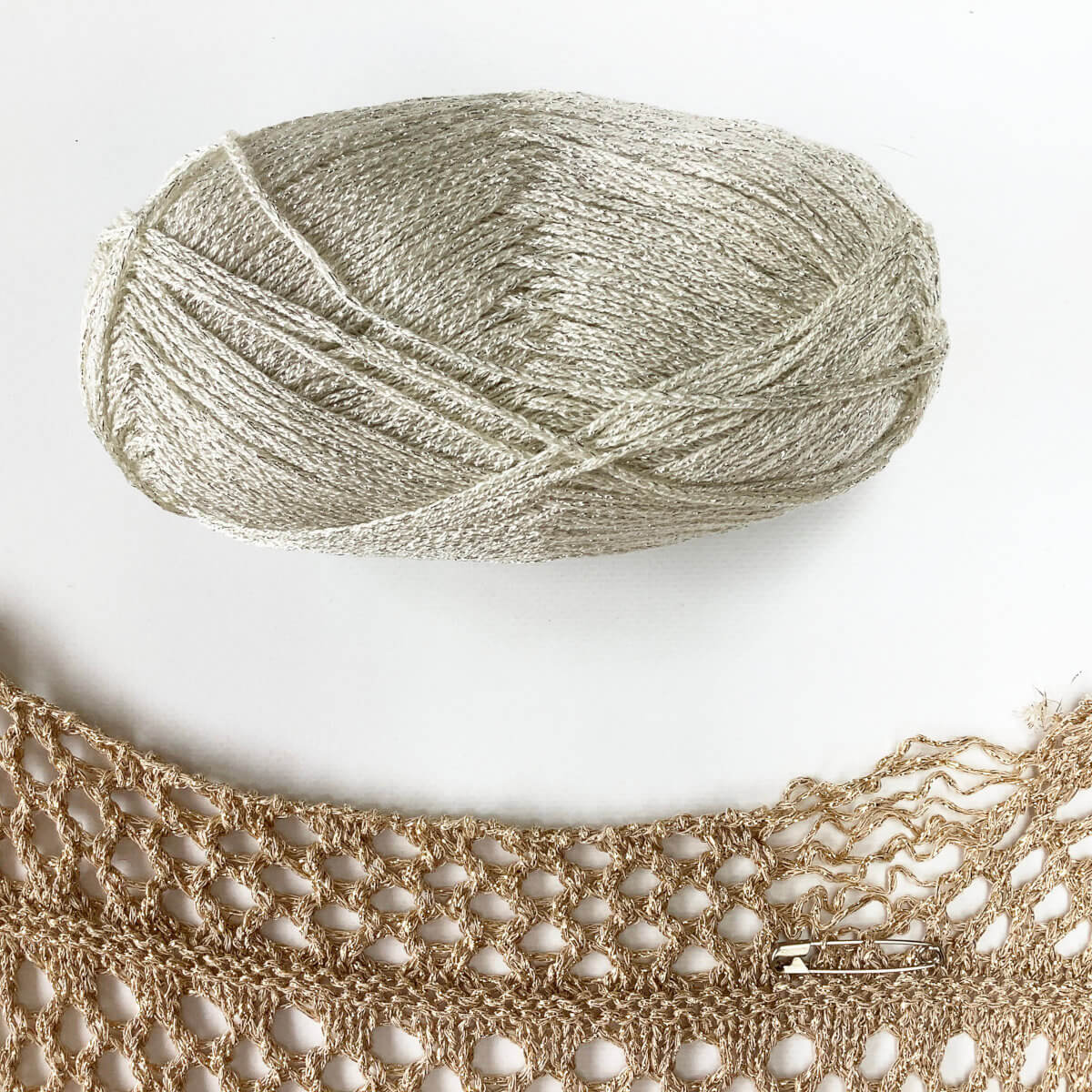
  • A ball of yarn in a somewhat matching weight and color.

In this fix, I also used some new yarn, because I noticed that the top edge of the garment was consisted of a single thread of yarn holding the live stitches of the back panel. What probably happened, is that the thread snapped near the right shoulder, releasing the stitches and enabling them to run down. I was lucky that the stitches were caught before they ran through the bit of garter stitch below the first lace panel. In other words: the upper edge really needs some reinforcement.

Yarn used in the fix.

The pillow and pins were used to make sure that your work stays exactly where you need it to be. Also, it helps to see the mistake better when pinned out, instead of all scrunched up like lace tends to be before blocking.

On to the fixing!

  1. To start, I first examined the work. The lace consists of some sort of patterning involving double yarn overs, as well as left- and right-leaning decreases. So, this is the patterning I somehow have to try to replicate.

    Step 1

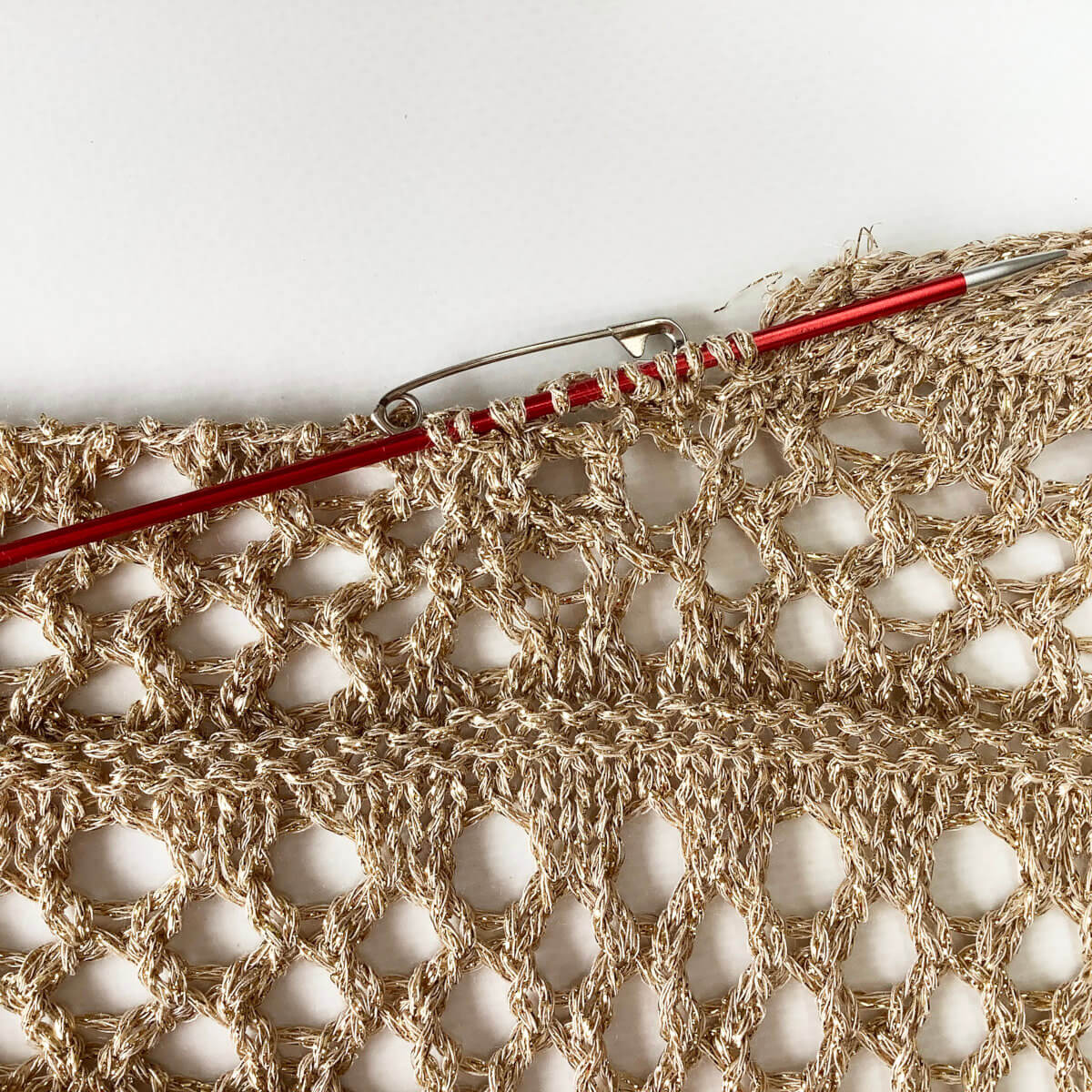
  2. Once had a picture on how to work the patterning back up, I pinned out my knitting on the pillow as described in this other post of mine, and followed the various steps using my circular needle. I ended up with the below situation.

    It’s not perfect, but being on the back of the garment, I think it’s good enough.Step 2 of fixing

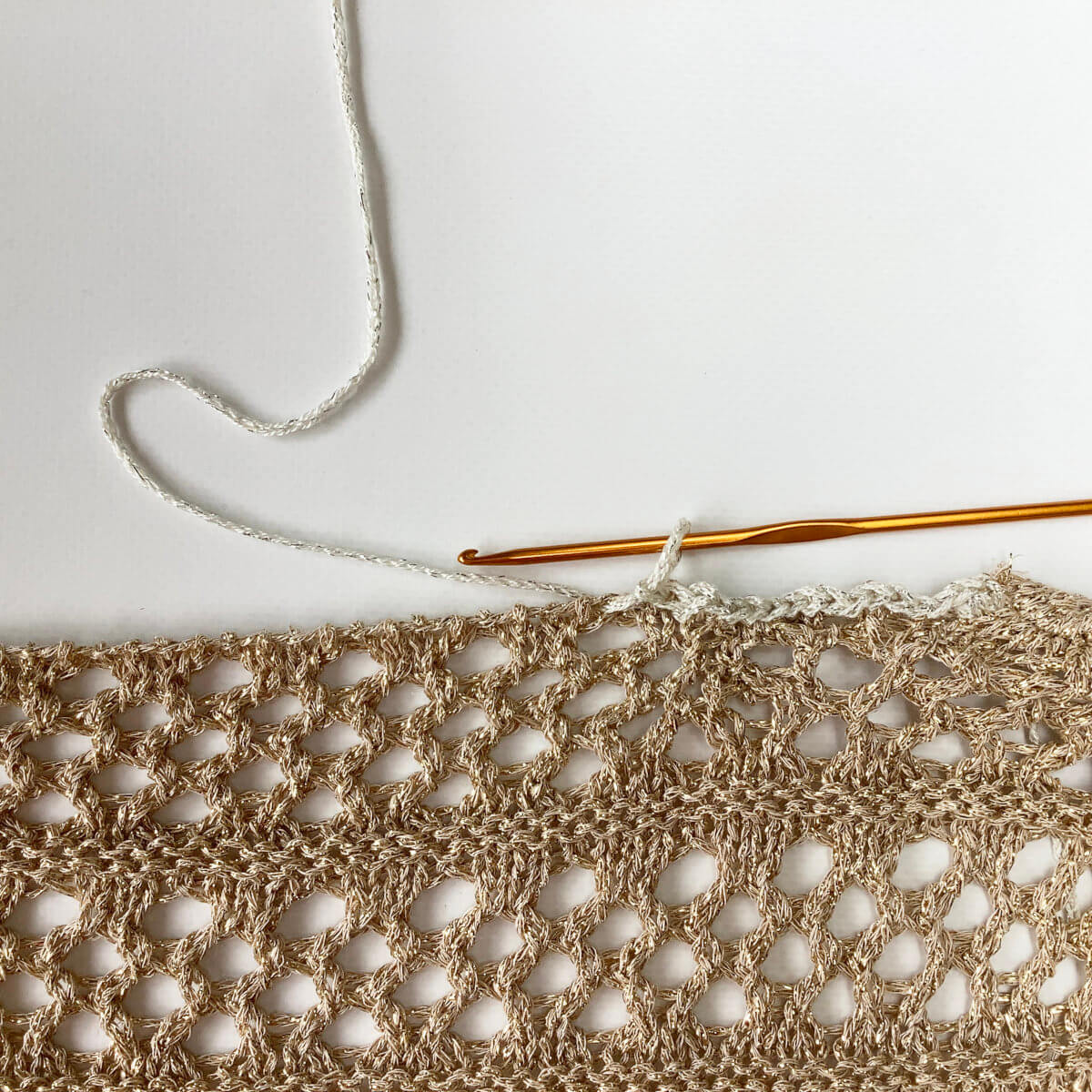
  3. Next, I used the new yarn to bind off these worked-up stitches using the crochet hook and a slip stitch bind-off.

    Step 3

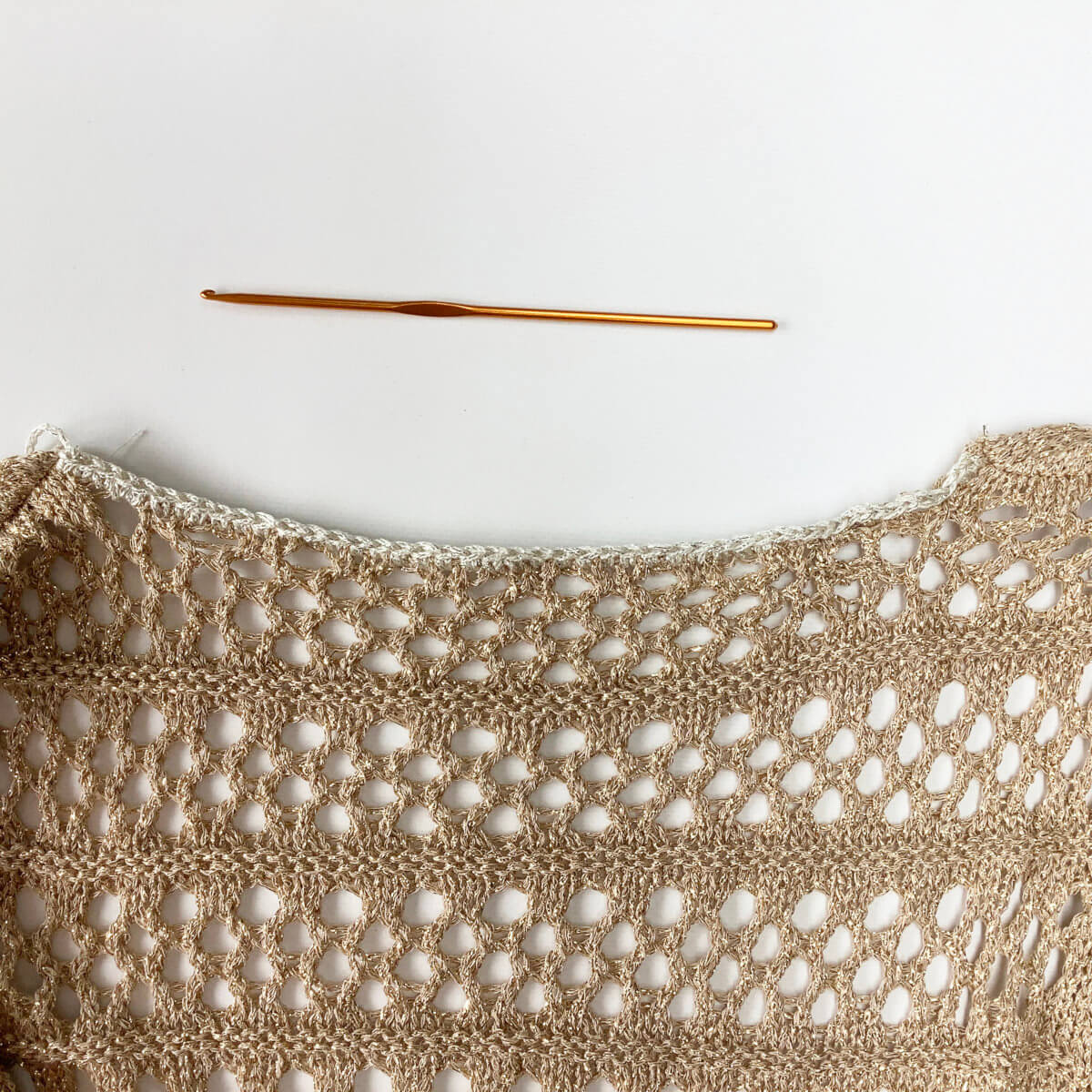
  4. Next, I continued reinforcing the rest of the back panel by edging it with a row of single crochet.

    Step 4 of fixing damage

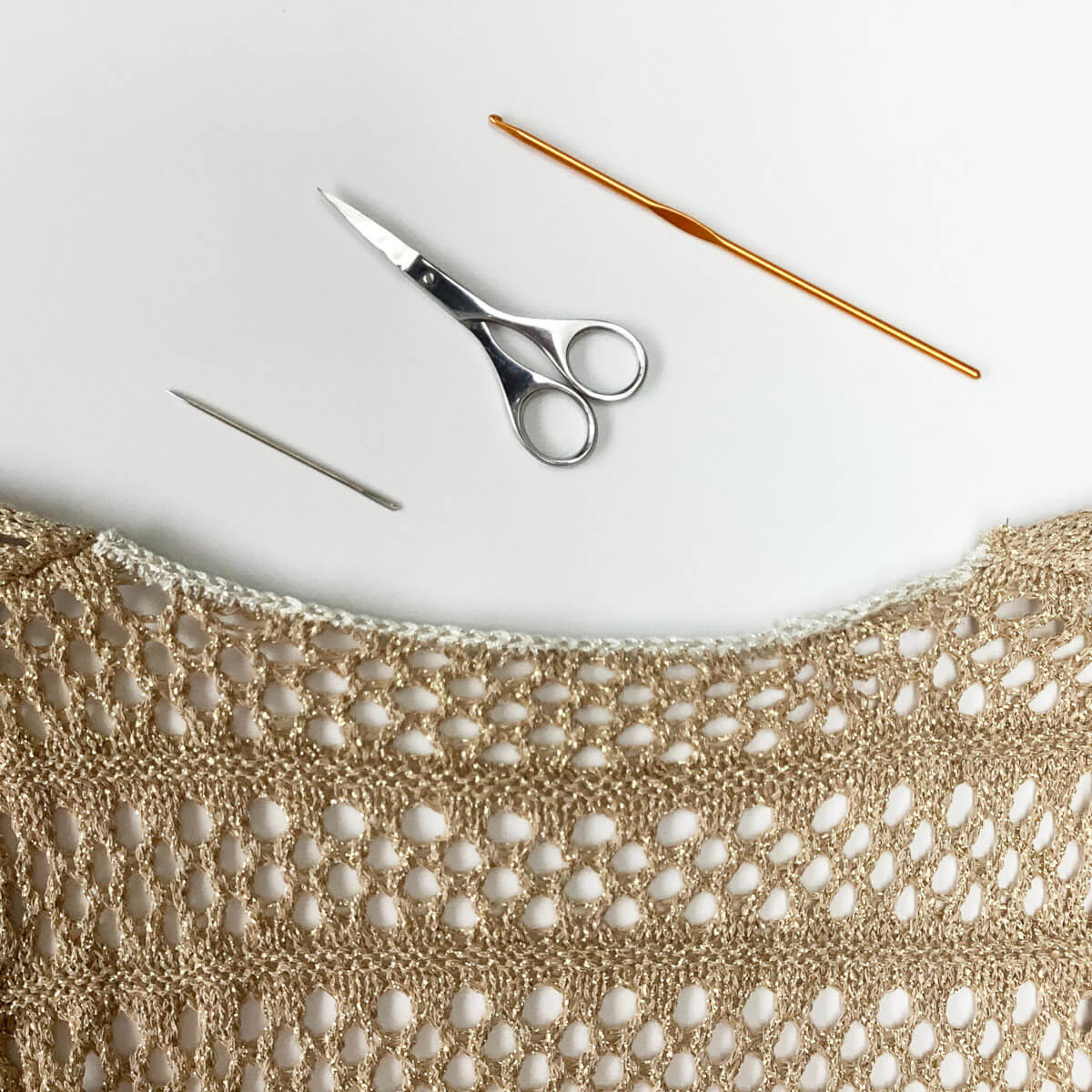
  5. It’s a bit hard to see in the above picture, but the newly bound-off part is not as high and looks a bit different from the rest of the edge. So, I also worked a bit of single crochet over that part of the edge. Better!

    Step 5 of fixing damage

  6. Finally, I checked the garment for other potentially weak spots. And yes, I did find them… The shoulder seams were serged, but the finishing was such that the edges of the serged length were unraveling due to a lack of enough locking thread.

    So, I fixed that too on both shoulder seams.Fixing the shoulder seams

And there you have it, this is how I went about fixing damage in this garment! A fixed ready-made cardigan that can now at least be worn. I think my colleague will be happy!

Patreon logo

Thanks to my Patreon supporters for bringing you this freebie! Creating quality patterns and tutorials is a lot of work and resource-intensive. However, I find it important to give you free content like this tutorial. Thanks to the generous support of my Patreon supporters, I can make it happen. Thank you, patrons! Click here to join, or click here to read more about La Visch Designs on Patreon.

fixing damage in ready-made knitwear Read More »

stitch pattern – Estonian button stitch

Estonian button stitch - by La Visch Designs

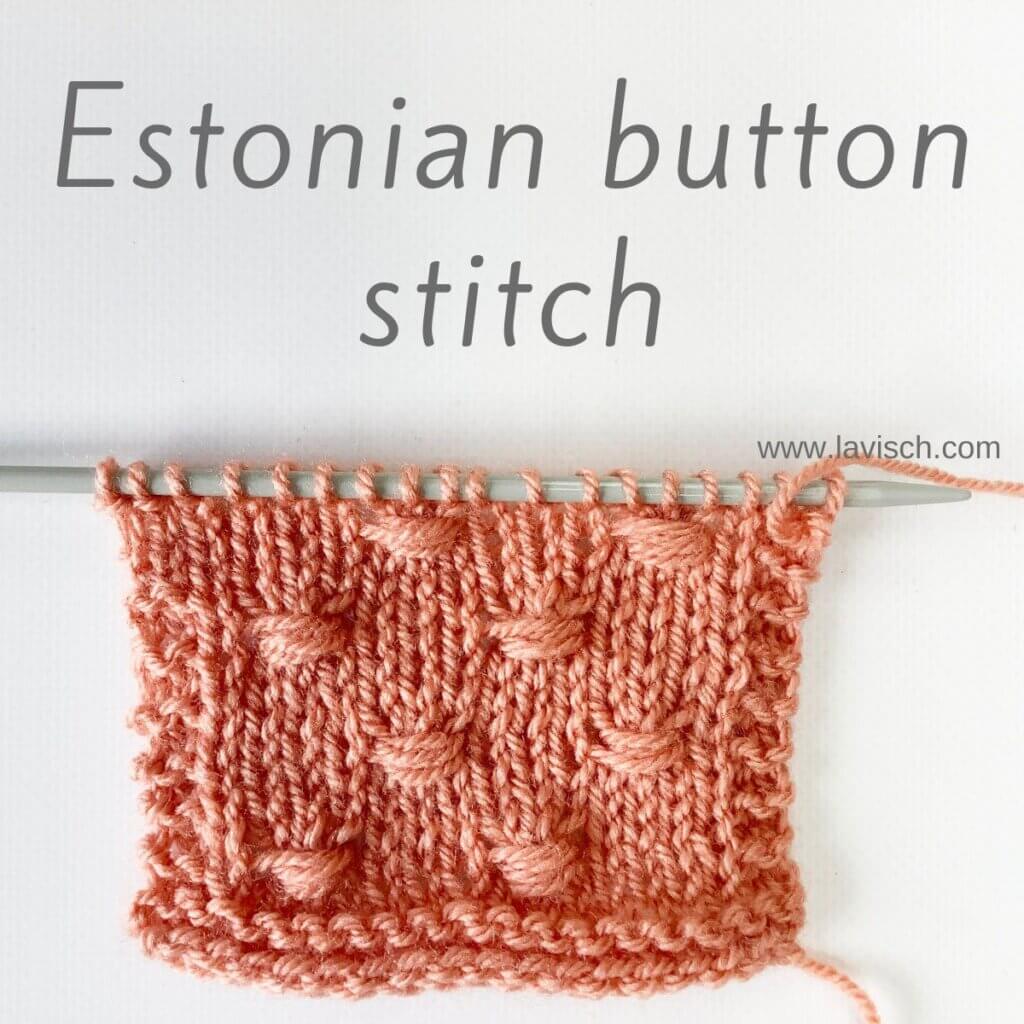
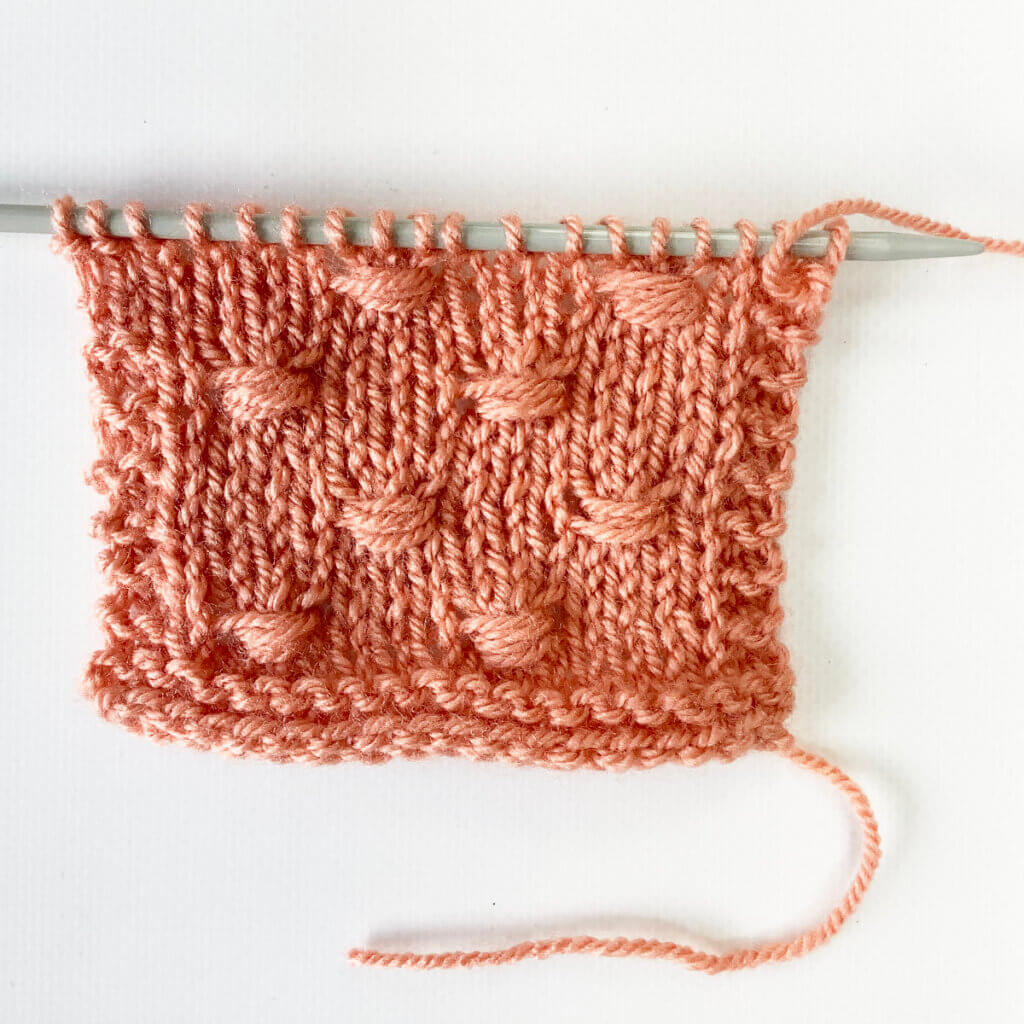
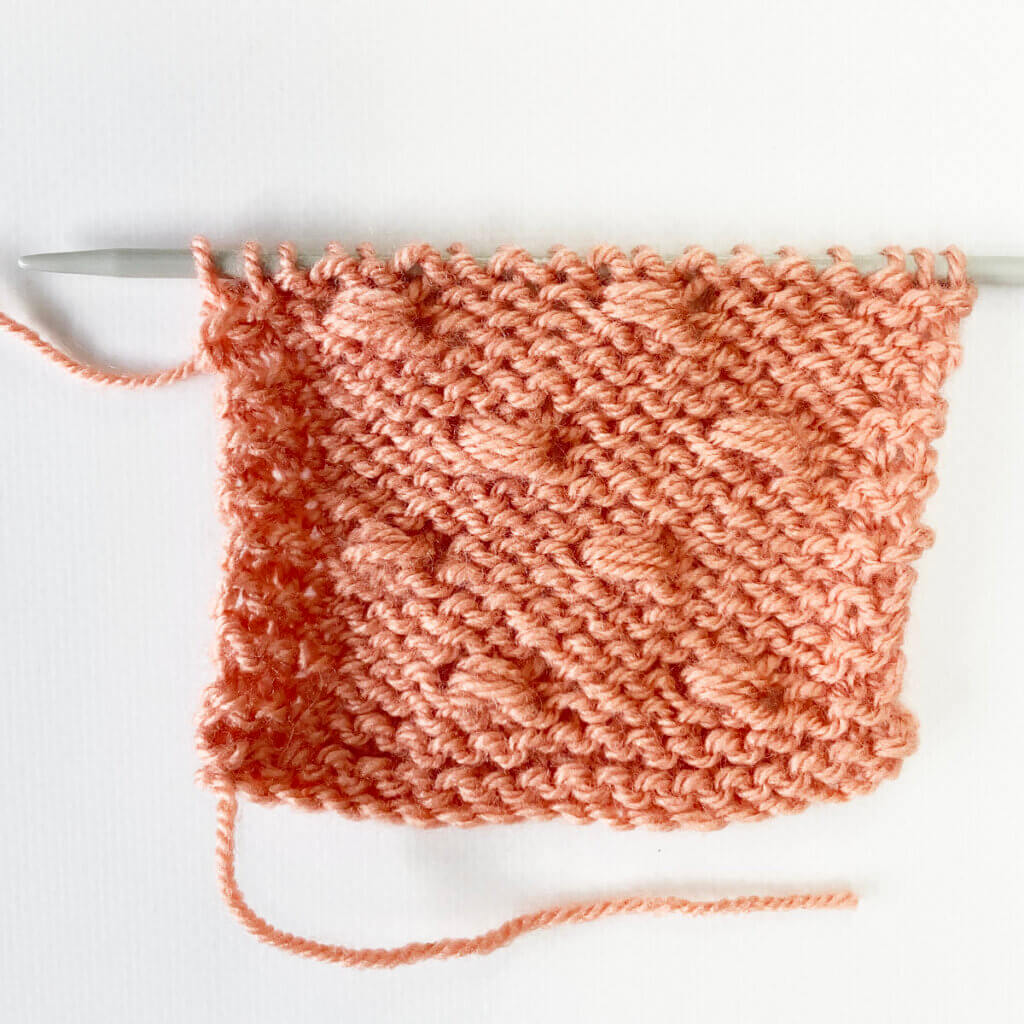
The Estonian button stitch is a lovely way to add texture to your knitting. It can be added as extra interest to a lace or cable pattern. Or, as pictured here, to spruce up otherwise plain stockinette fabric. While the instructions directly start with a button stitch row, it’s advised to insert 2 rows in stockinette before starting the patterning.

This stitch pattern is worked as a multiple of 6 stitches + 2, and in an eight-row repeat. Please note that I’ve added 2 edge stitches in garter stitch on both sides of the swatch.

Materials used
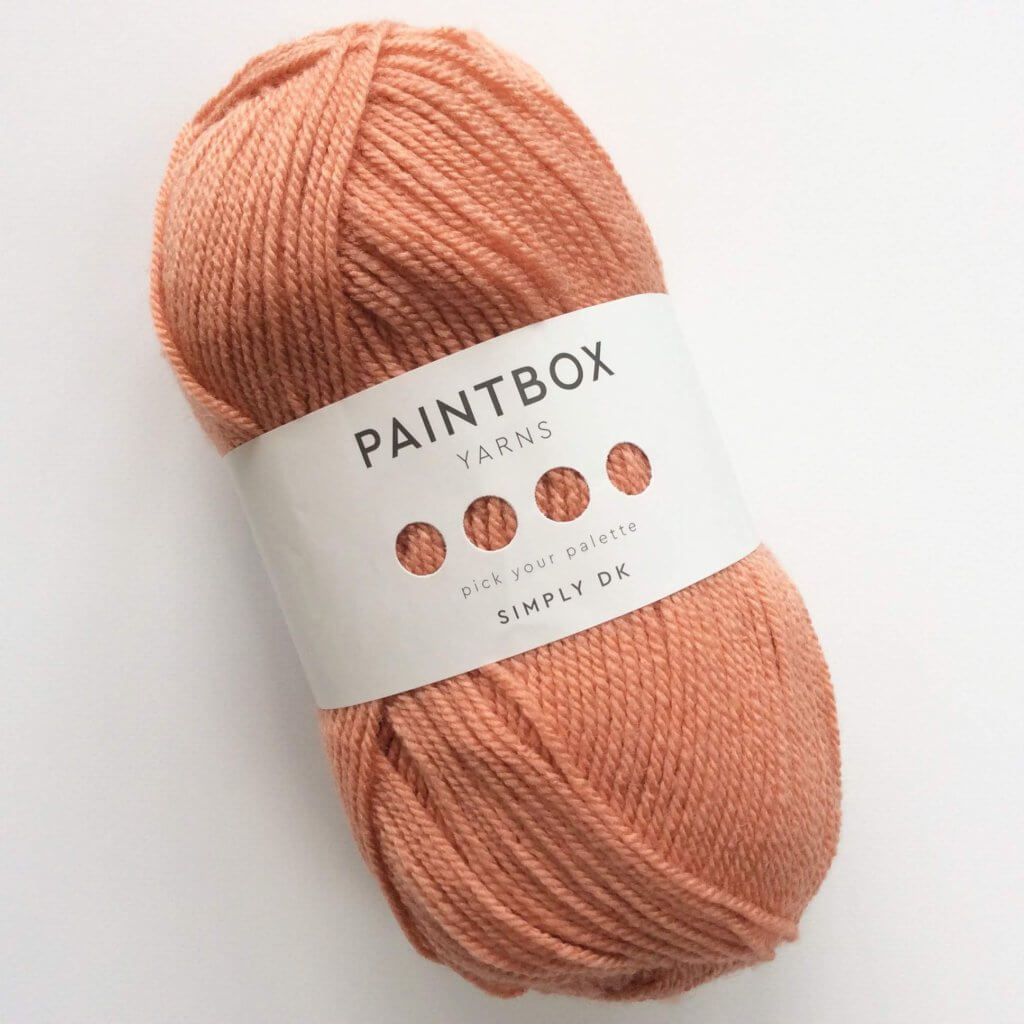
Yarn: Paintbox Yarns Simply DK, a good value, good quality 100% acrylic yarn, here in the color 155 Vintage Pink.

Needles: Needles: This is a pair of straights that I picked up at the second-hand store when I started knitting, brand unknown.

You will also need a cable needle in a size similar to that of your knitting needles

Stitches used

Estonian button stitch instructions

Row 1 (right side): K1, *k the next 3 sts onto the cable needle, move the working yarn behind the held stitches and wrap them with the yarn 4 times (behind the work from left to right, then move to the front and move from right to left). Slip the 3 stitches onto the right-hand needle, k3; rep from * to 1 st before end, k1.
Row 2 and all following wrong side rows: Purl.
Row 3: Knit.
Row 5: K1, *k3, k the next 3 sts onto the cable needle, move the working yarn behind the held stitches and wrap them with the yarn 4 times (again behind the work from left to right, then move to the front and move from right to left). Slip the 3 stitches onto the right-hand needle; rep from * to 1 st before end, k1.
Row 7: Knit.

Repeat rows 1-8 for pattern until desired length.
Below you can see how this stitch pattern looks, first as seen the from the right side, and then from the wrong side of the fabric.

Estonian button stitch as seen from the RS
Estonian button stitch as seen from the WS
Patreon logo

Thanks to my Patreon supporters for bringing you this freebie! Creating quality patterns and tutorials is a lot of work and resource-intensive. However, I find it important to give you free content like this tutorial. Thanks to the generous support of my Patreon supporters, I can make it happen. Thank you, patrons! Click here to join, or click here to read more about La Visch Designs on Patreon.

stitch pattern – Estonian button stitch Read More »

stitch pattern – poollehekiri half leaves stitch

Poollehekiri (half leaves) stitch

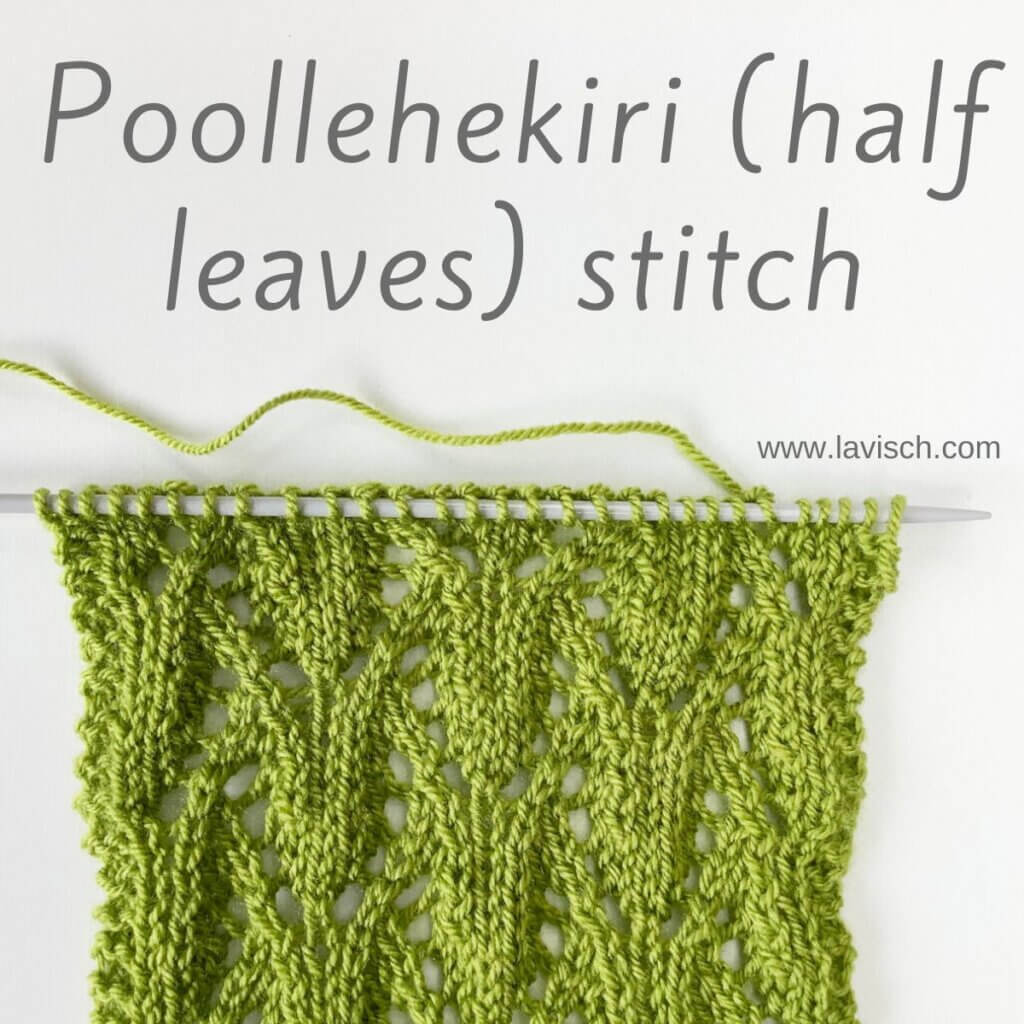
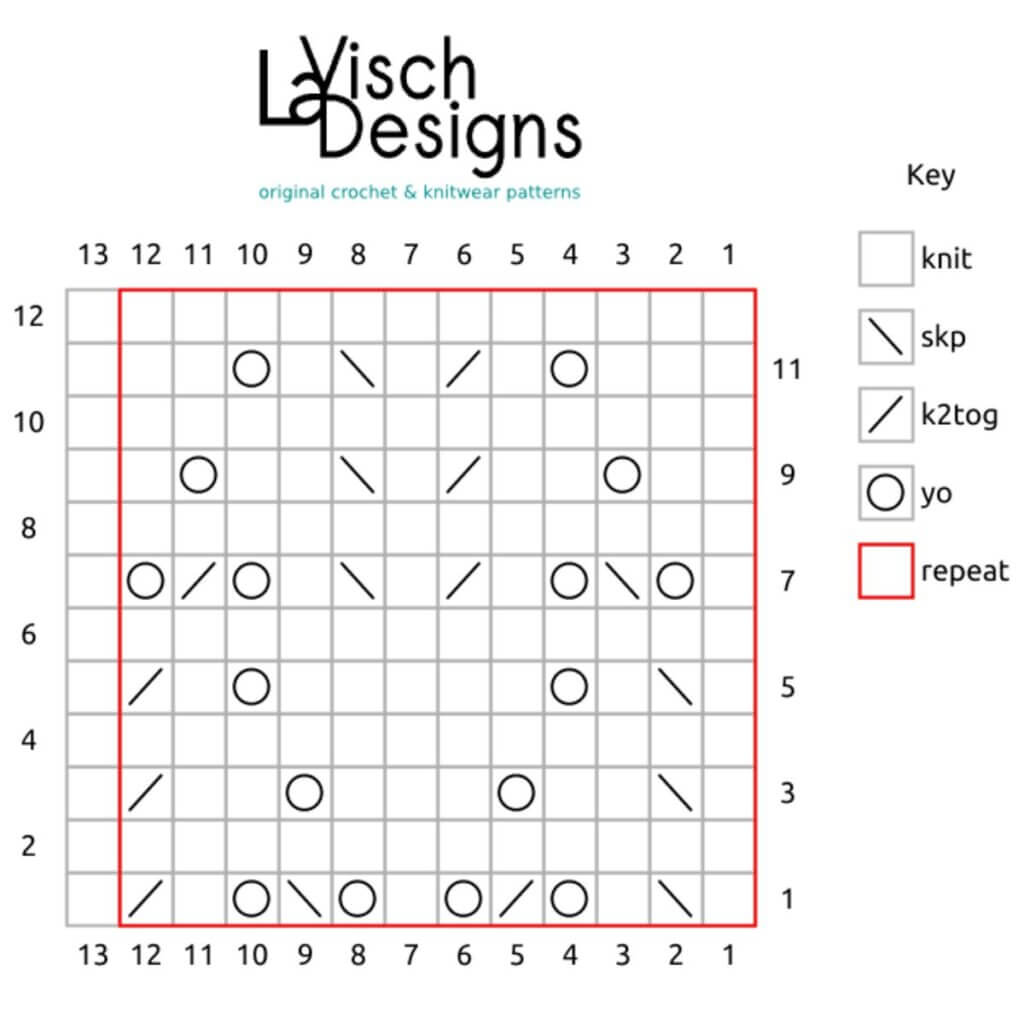
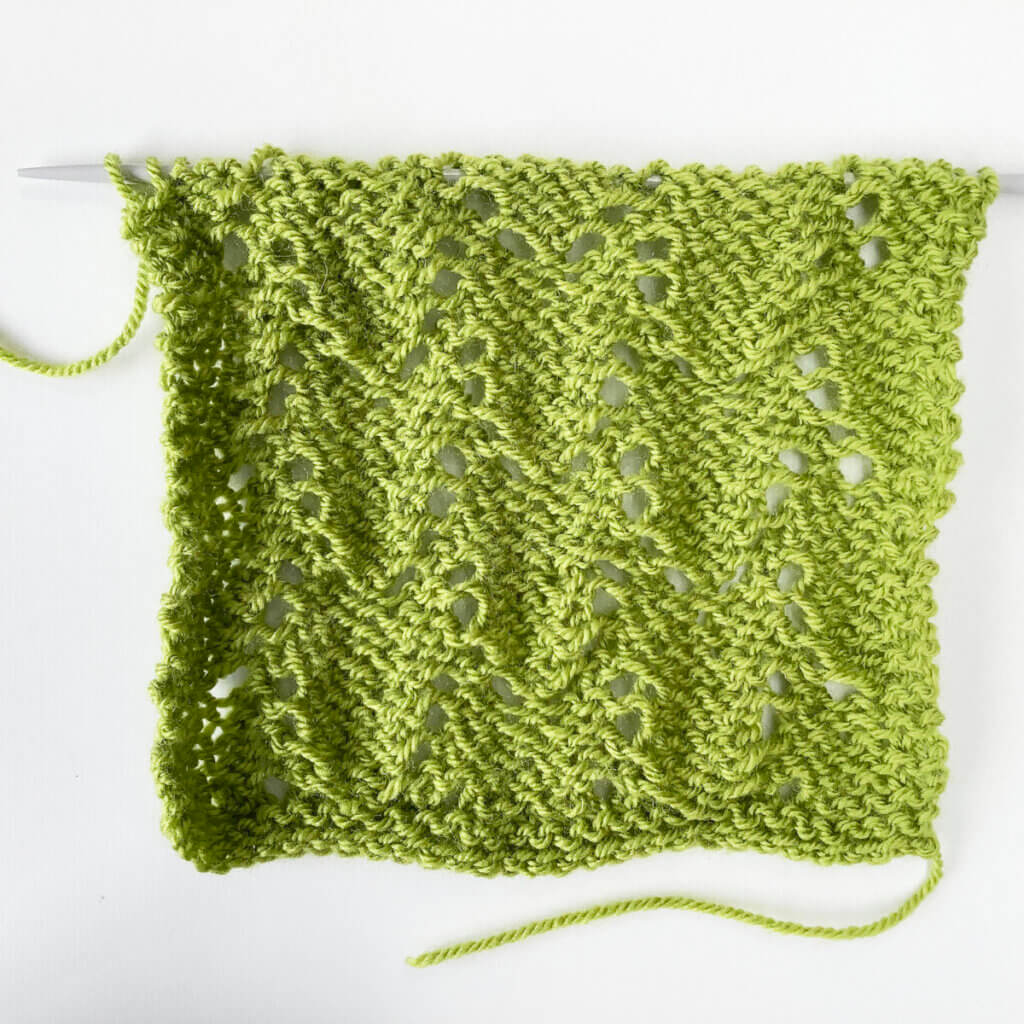
The poollehekiri lace stitch pattern is Estonian in origin. Poollehekiri translates to “half leaves”. And that is literally how it’s constructed! If you take a look at the chart below, you can see that once the first row of leaves has been worked half, a new set of leaves is worked, offset to the first row. This way, interlocking chevrons are formed by the yarn overs. Please keep in mind, though, that the above swatch is worked in a worsted weight acrylic. When this stitch pattern is knit in a yarn that blocks out nicely, say a wool or cotton yarn, it opens up a lot more than it looks like here.

This stitch pattern is worked as a multiple of 12 stitches + 1, and in a twelve-row repeat. Please note that I’ve added 2 edge stitches in garter stitch on both sides of the swatch.

Materials used

Yarn: Paintbox Yarns Simply DK, a good value, good quality 100% acrylic yarn, in the color 128 Lime Green.

Knitting needles: This is a pair of straights that I picked up at the second-hand store when I started knitting, brand unknown.

Stitches used

Poollehekiri half leaves stitch instructions

Row 1 (right side): *K1, skp, k1, yo, k2tog, yo, k1, yo, skp, yo, k1, k2tog*; rep ** to 1 st before end, k1.
Row 2 and all following wrong side rows: Purl.
Row 3: *K1, skp, k2, yo, k3, yo, k2, k2tog*; rep ** to 1 st before end, k1.
Row 5: *K1, skp, k1, yo, k5, yo, k1, k2tog*; rep *-* to 1 st before end, k1.
Row 7: *K1, yo, skp, yo, k1, k2tog, k1, skp, k1, yo, k2tog, yo*; rep *-* to 1 st before end, k1.
Row 9: *K2, yo, k2, k2tog, k1, skp, k2, yo, k1*; rep ** to 1 st before end, k1.
Row 11: *K3, yo, k1, k2tog, k1, skp, k1, yo, k2*; rep ** to 1 st before end, k1.

Repeat rows 1-12 for pattern until desired length.

Poollehekiri (half leaves) chart

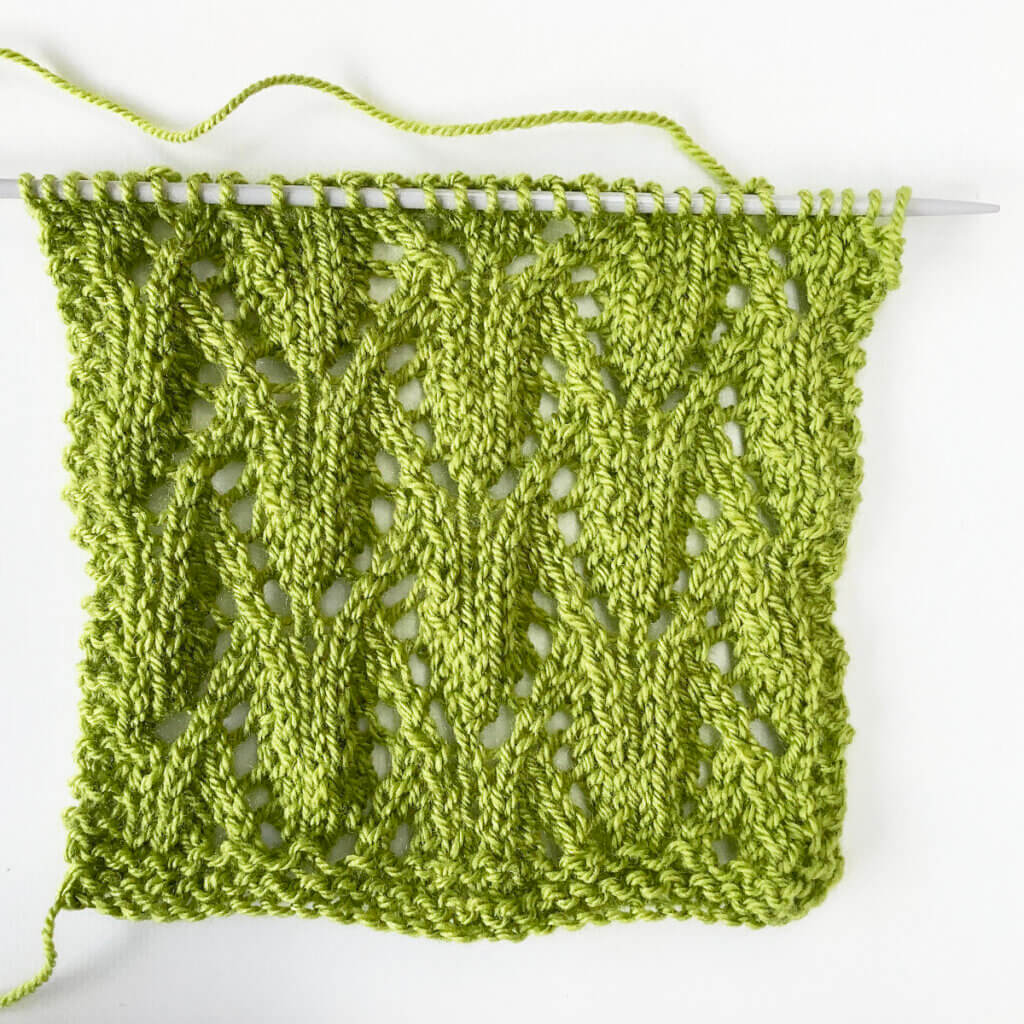
In the below pictures, you see the patterning first from the right, and then also from the wrong side of the fabric:
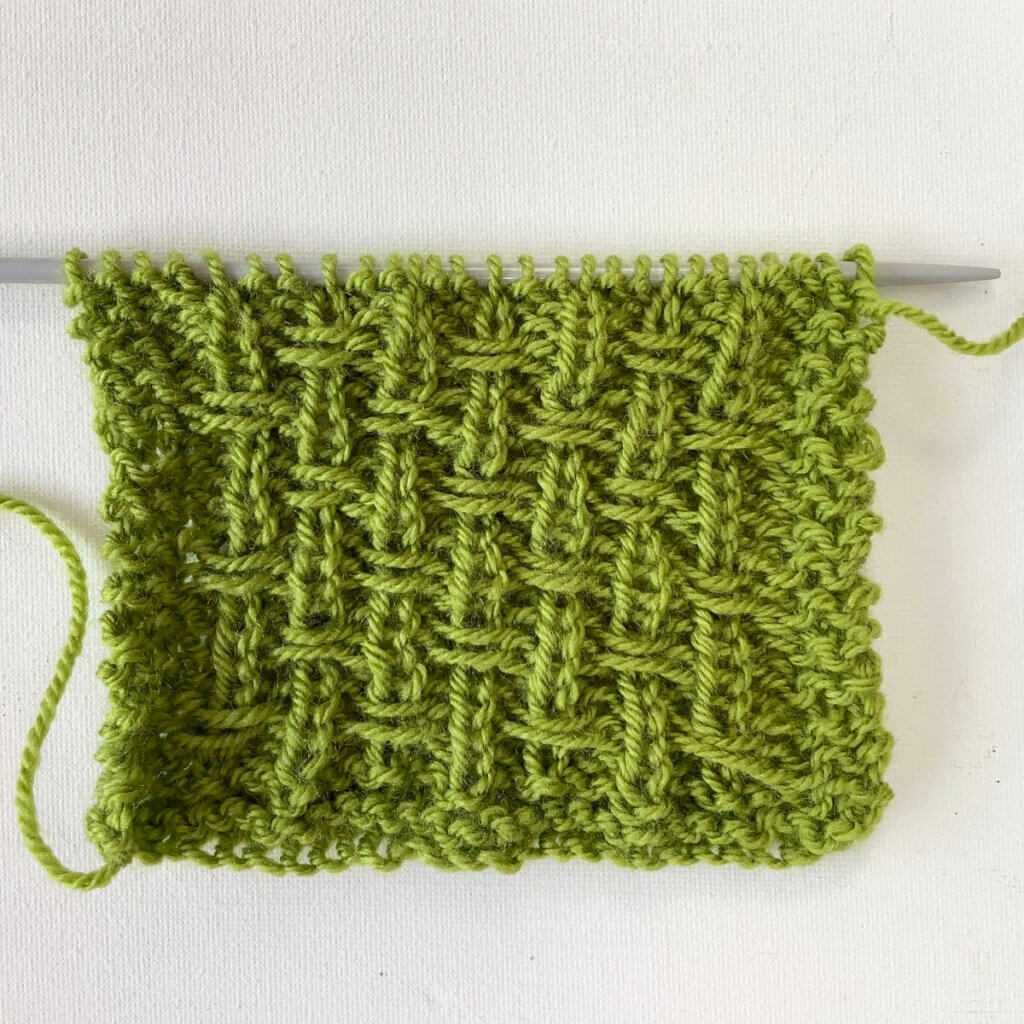
Poollehekiri (half leaves) stitch from the RS
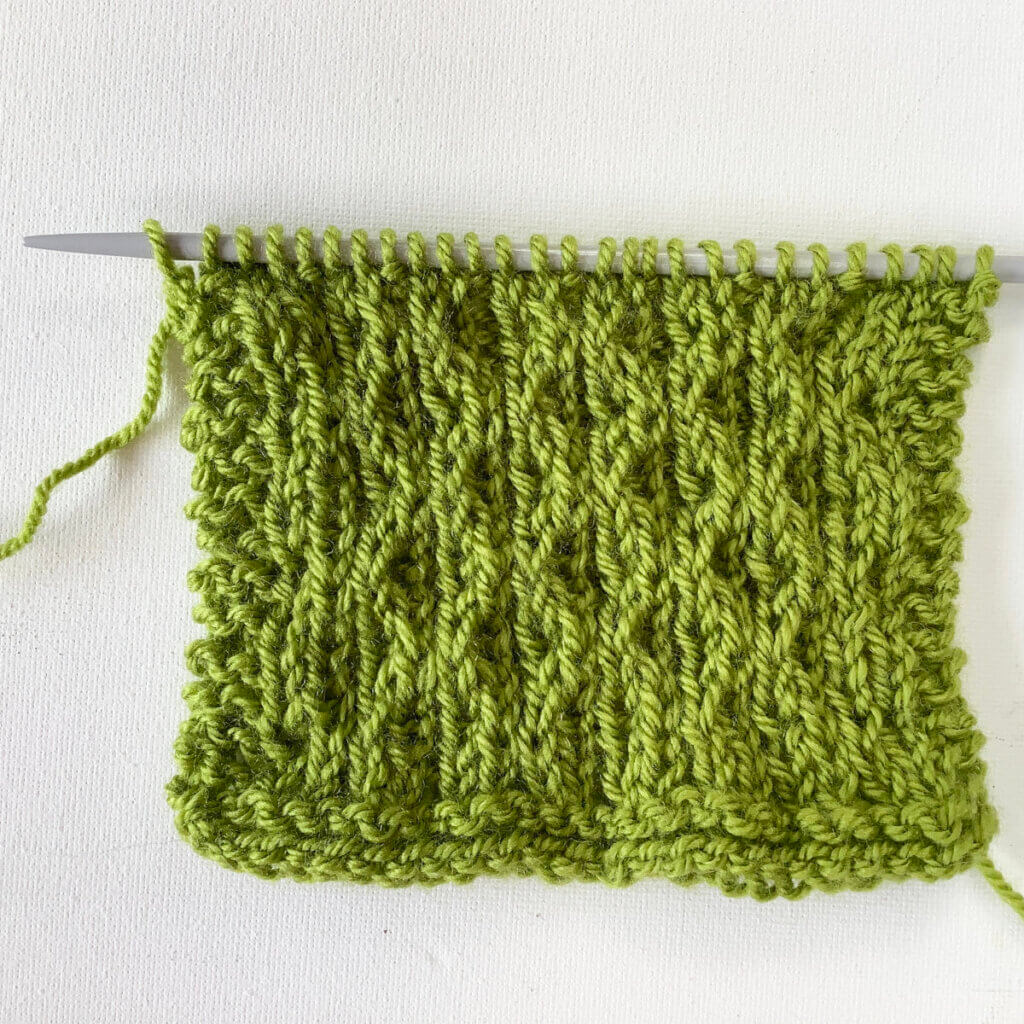
Poollehekiri (half leaves) stitch from the WS
Patreon logo

Thanks to my Patreon supporters for bringing you this freebie! Creating quality patterns and tutorials is a lot of work and resource-intensive. However, I find it important to give you free content like this tutorial. Thanks to the generous support of my Patreon supporters, I can make it happen. Thank you, patrons! Click here to join, or click here to read more about La Visch Designs on Patreon.

stitch pattern – poollehekiri half leaves stitch Read More »

koi in the pond

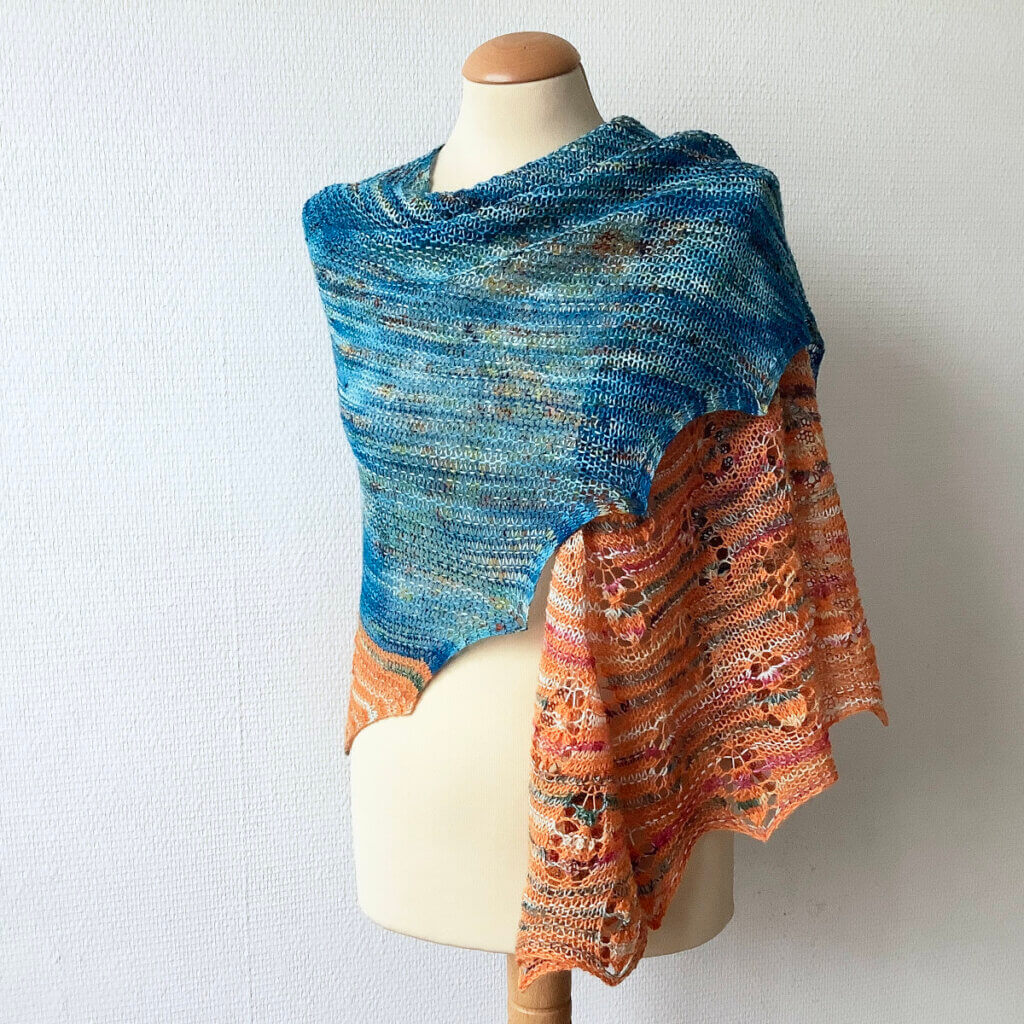
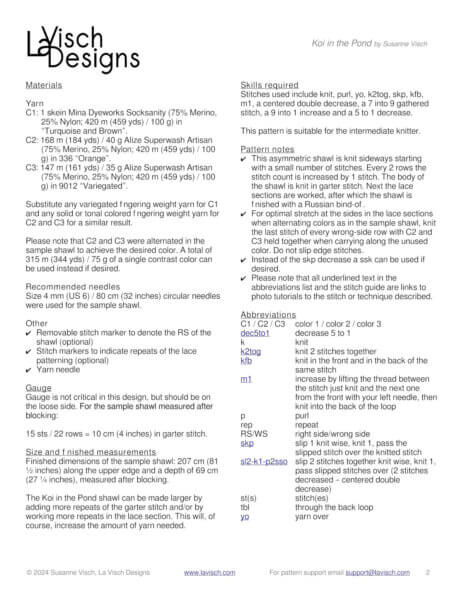
Koi in the Pond - A knit shawl in turquoise, orange, and variegated yarn. Shown from the front on a mannequin against a white background.

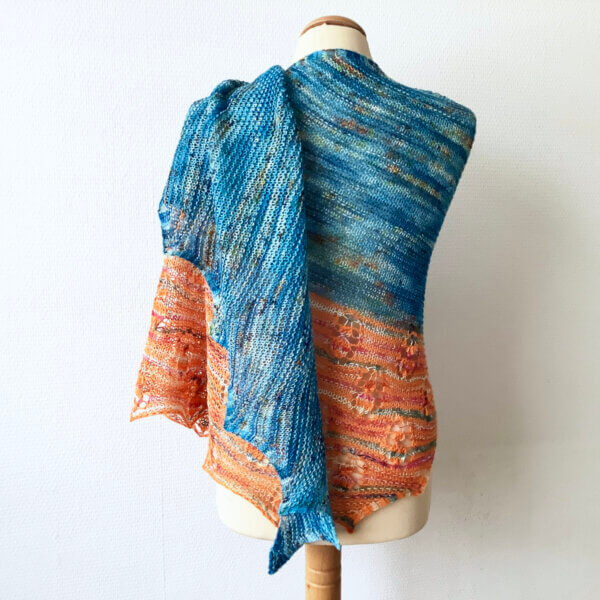
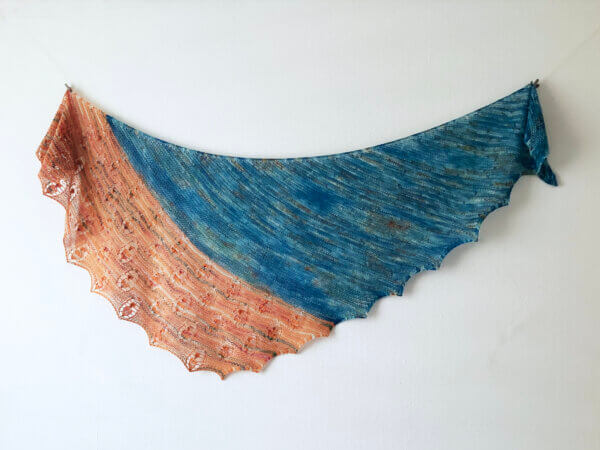
The yarn, used in this shawl, reminds me of koi carp swimming in water in which the surface is rippling in the wind. Hence, the name “Koi in the Pond”. This design is knit sideways on the bias, making a shallow and asymmetrical triangle, perfect for wearing as an elegant scarf. The combination of garter stitch in a variegated hand-dyed yarn and simple lace makes it a perfect choice to get the best of both worlds.

The instructions for the patterning are, of course, both charted and fully written out.


Pay what you want: (minimum €6.95)

Add to cart


Difficulty level

This asymmetric shawl is knit sideways, starting with a small number of stitches. Every 2 rows, the stitch count is increased by 1 stitch. Stitches used include knit, purl, yo, k2tog, skp, kfb, m1, a centered double decrease, a 7 into 9 gathered stitch, a 9 into 1 increase and a 5 to 1 decrease. This pattern is therefor suitable for the intermediate knitter.

Sizes and finished measurements

Finished dimensions of the sample shawl: 207 cm (81 ½ inches) along the upper edge and a depth of 69 cm (27 ¼ inches), measured after blocking.

The Koi in the Pond shawl can be made larger by adding more repeats of the garter stitch and/or by working more repeats in the lace section. This will, of course, increase the amount of yarn needed.

Pattern details

  • Gauge: Approx. 15 sts / 22 rows = 10 cm (4 inches) over garter stitch, measured after blocking. Gauge is however not critical for this design but should give you a fabric that you like with the yarn used.
  • Pattern languages included: English.
  • Digital PDF has 6 pages (letter size)

Yarn

C1: 1 skein Mina Dyeworks Socksanity (75% Merino, 25% Nylon; 420 m (459 yds) / 100 g) in “Turquoise and Brown”.
C2: 168 m (184 yds) / 40 g Alize Superwash Artisan (75% Merino, 25% Nylon; 420 m (459 yds) / 100 g) in 336 “Orange”.
C3: 147 m (161 yds) / 35 g Alize Superwash Artisan (75% Merino, 25% Nylon; 420 m (459 yds) / 100 g) in 9012 “Variegated”.

Substitute any variegated fingering weight yarn for C1 and any solid or tonal colored fingering weight yarn for C2 and C3 for a similar result.

Please note that C2 and C3 were alternated in the sample shawl to achieve the desired color. A total of 315 m (344 yds) / 75 g of a single contrast color can be used instead if desired.

Materials

  • Size 4 mm (US 6) / 80 cm (32 inches) circular needles were used for the sample shawl.
  • Removable stitch marker to denote the RS of the shawl (optional)
  • Stitch markers to indicate repeats of the lace patterning (optional)
  • Yarn needle

koi in the pond Read More »

stitch pattern – stockinette ridge stitch

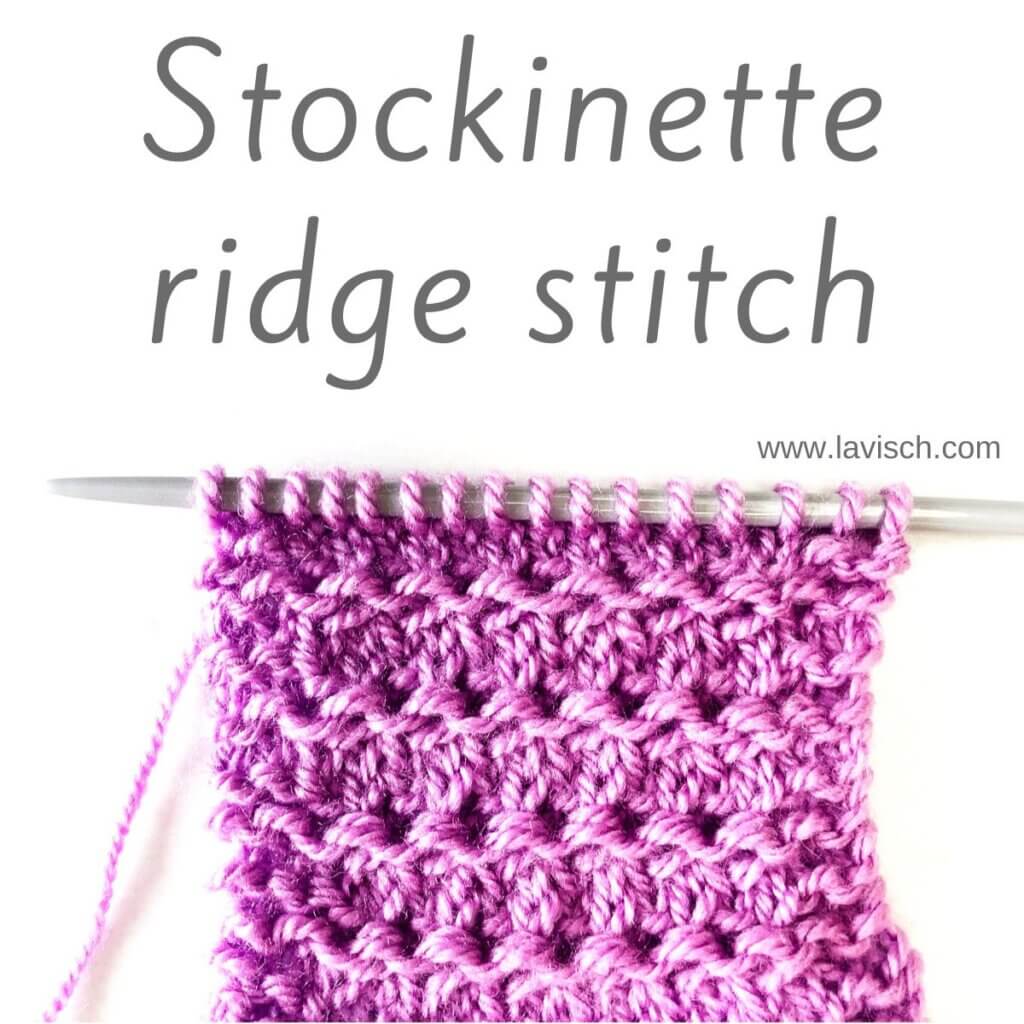
Stockinette ridge stitch by La Visch Designs

The stockinette ridge stitch is a stitch pattern, that uses increases and decreases to make a wonderful textured fabric. Due to the decreases in one of the 4 rows of the pattern repeat, this stitch pattern is less stretchy than regular stockinette. Just something to be beware of! This stitch pattern is worked in a multiple of 2 stitches. Please note that in the above picture, I’ve added 2 edge stitches in garter stitch on both sides of the swatch.

Materials used

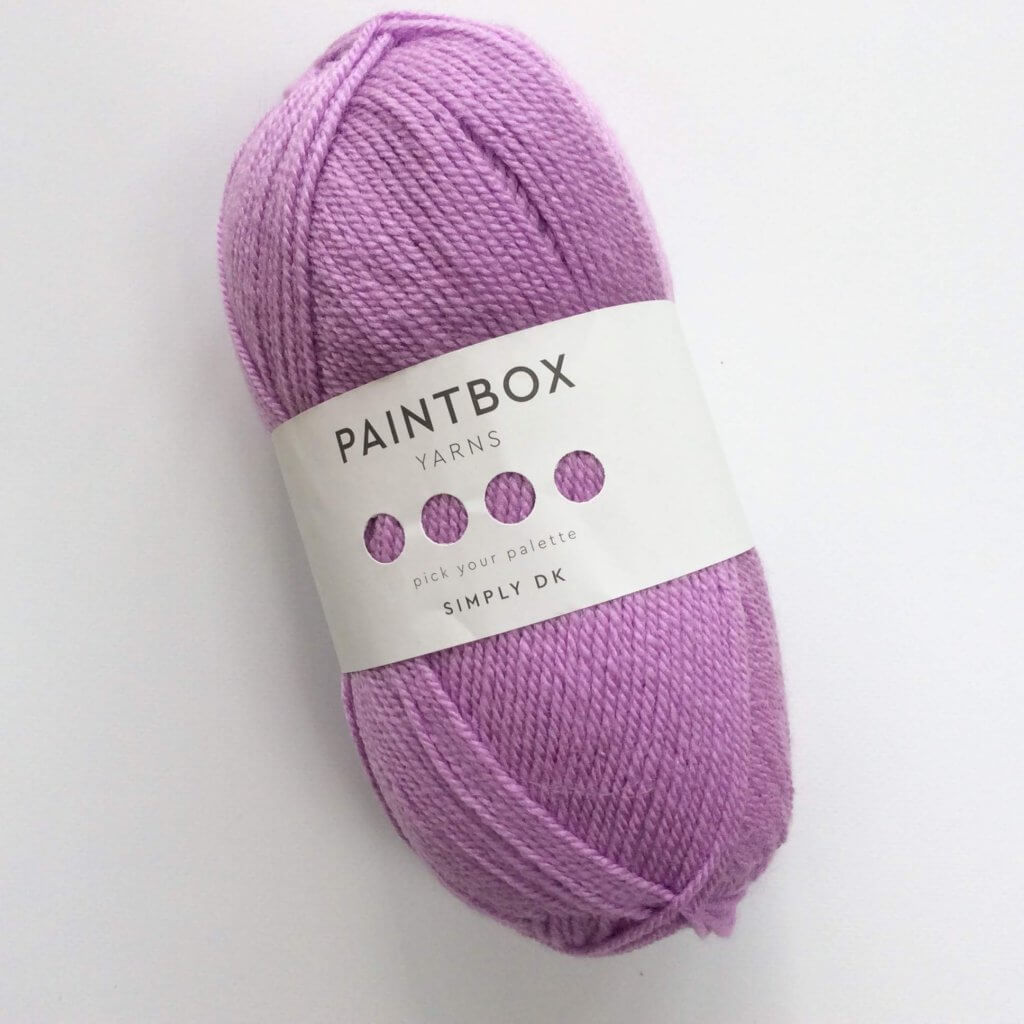
Yarn: Paintbox Yarns Simply DK, a good value, good quality 100% acrylic yarn, here in the color Tea Rose

Knitting needles: This is a pair of straights that I picked up at the second-hand store when I started knitting, brand unknown.

Stitches used

  • k – knit
  • k2tog – knit two stitches together
  • kfb – knit in the front and then in the back of the stitch
  • p – purl
  • rep – repeat

Stockinette ridge stitch instructions

Row 1 (right side): Knit.
Row 2 (wrong side): *K2tog; rep from * to end.
Row 3: *Kfb; rep from * end.
Row 4: Purl.

Repeat rows 1-4 for pattern.

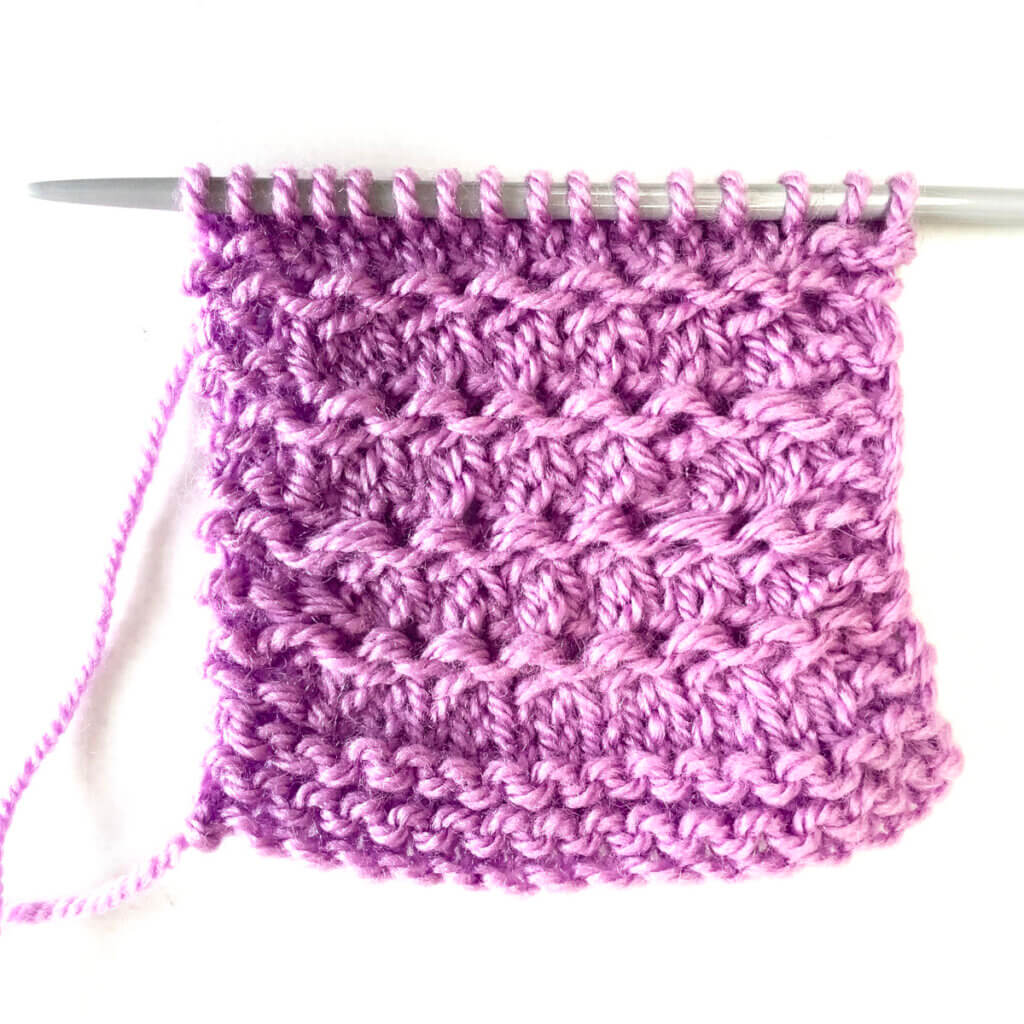
The stockinette ridge stitch as shown from the front:

Stockinette ridge stitch from the RS

The stockinette ridge stitch as shown from the back:

Stockinette ridge stitch from the WS
Patreon logo

Thanks to my Patreon supporters for bringing you this freebie! Creating quality patterns and tutorials is a lot of work and resource-intensive. However, I find it important to give you free content like this tutorial. Thanks to the generous support of my Patreon supporters, I can make it happen. Thank you, patrons! Click here to join, or click here to read more about La Visch Designs on Patreon.

stitch pattern – stockinette ridge stitch Read More »

tutorial – knitting 4-stitch cables without a cable needle

Knitting 4-stitch cables without a cable needle

Recently, in this post, I posted about a stitch pattern using both a 2/2 RC, and a 2/2 LC cable. But I must say, that I find that with knitting cables, my flow is very much interrupted. First by getting the cable needle. Next, by manipulating all three needles I have in my hands at that moment while working the stitches. Followed by laying the cable needle aside again. All of this to repeated multiple times in a row, depending on the patterning, of course. This, I really dislike.

Fortunately, as long as the cable is not too complex and does not involve too many stitches, it’s very well possible to work the cables without using a cable needle. Below you can find how to work this decrease step by step, so get your materials and follow along!

Materials

Yarn: Paintbox Yarns Simply DK, a good value, good quality 100% acrylic yarn, here in the color 155 Vintage pink.

Knitting needles: This is a pair of straights that I picked up at the second-hand store when I started knitting, brand unknown.

Working 4-stitch cables without a cable needle step by step

In this example, I’m working the following cables:
2/2 LC (2/2 left-cross cable): Slip next 2 stitches to cable needle and place at front of work, k2, then k2 from cable needle.
2/2 RC (2/2 right-cross cable): Slip next 2 stitches to cable needle and place at back of work, k2, then k2 from cable needle.

And yes, the instructions say to use a cable needle, because not all folks will want to work them without one.

  1. Work your way across the row until you’ve reached the point where you want to make the cable.

    Step 1 of working 4-st cables without a cable needle

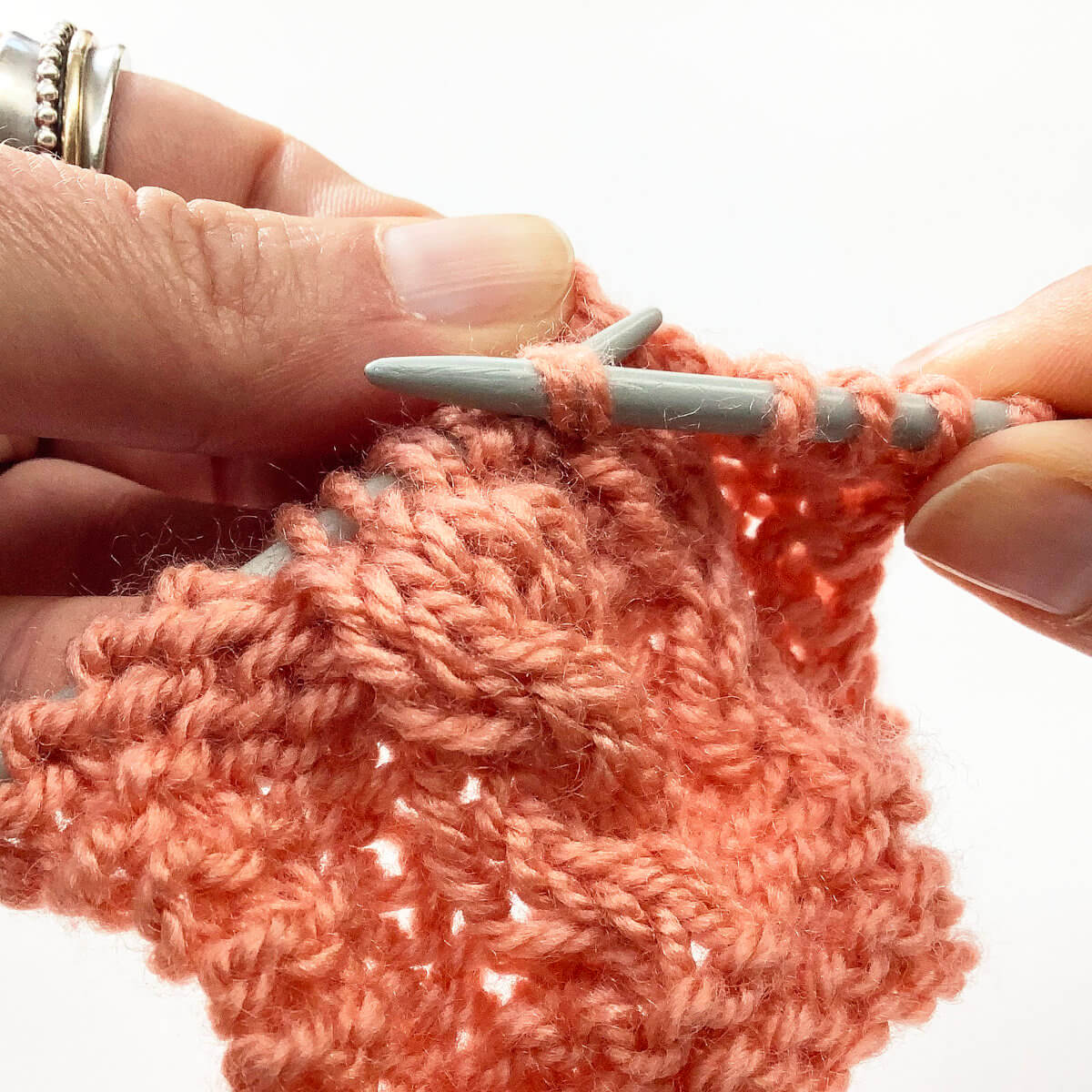
  2. First up is the 2/2 right-cross cable. With this cable, we want the first 2 stitches to cross in the back and to the left of the next 2 stitches. 

    To do so, I remove the first 2 stitches from the needle and place them to the back of the work. Step 2 of working 4-st cables without a cable needle

  3. Grab those stitches to make sure they don’t unravel!

    Step 3

  4. Now insert the right-hand needle purl-wise into the next 2 stitches and slip them to the right-hand needle…

    Step 4 of working 4-st cables without a cable needle

  5. Next, place the 2 stitches you are still holding on to, also to the right-hand needle.

    Step 5 of working 4-st cables without a cable needle

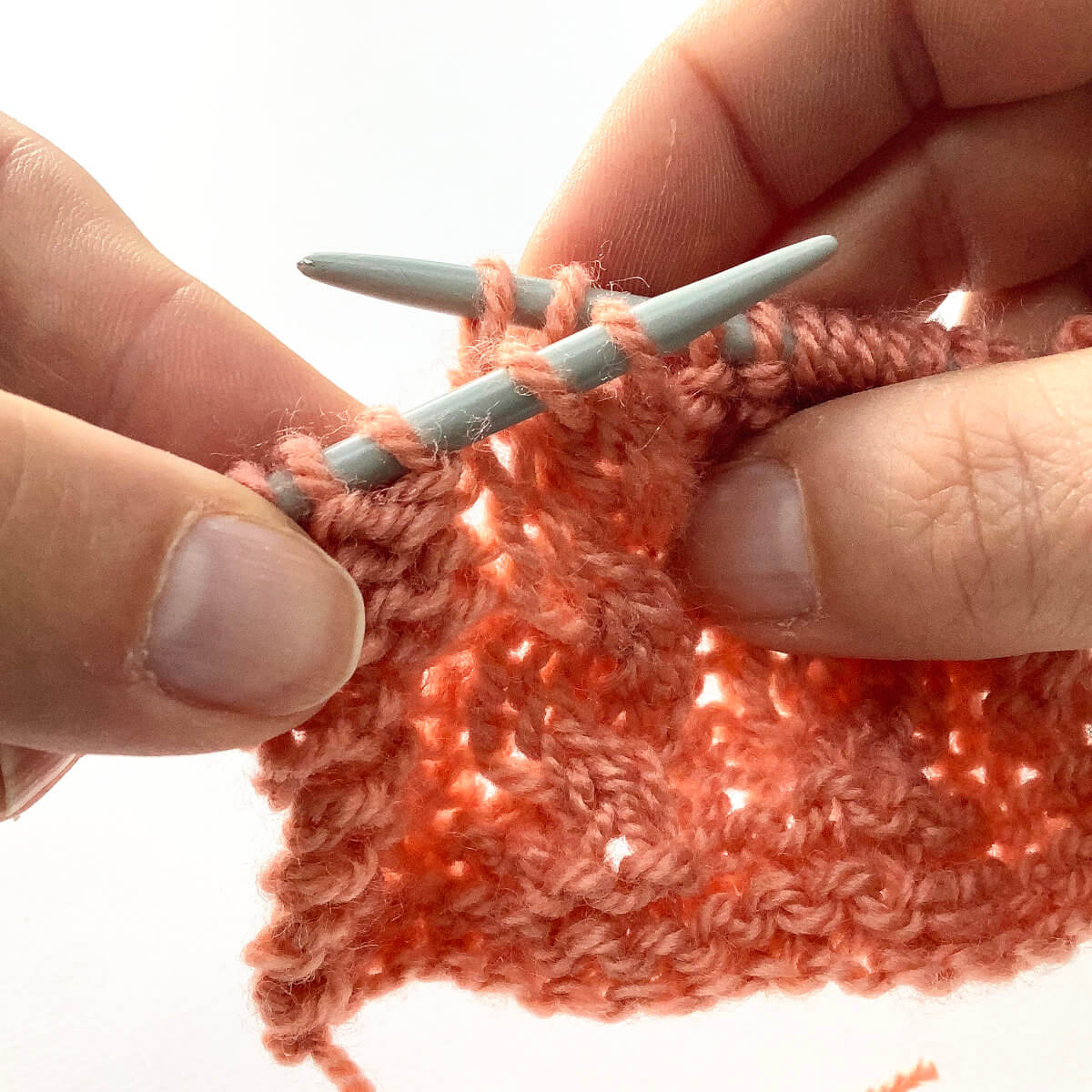
  6. Now we only have to knit the stitches as they present themselves to finish the cable. To make that possible, slip the 4 stitches back to the left-hand needle…

    Step 6 of working 4-st cables without a cable needle

  7. …. and knit them!

    Step 7 of working 4-st cables without a cable needle

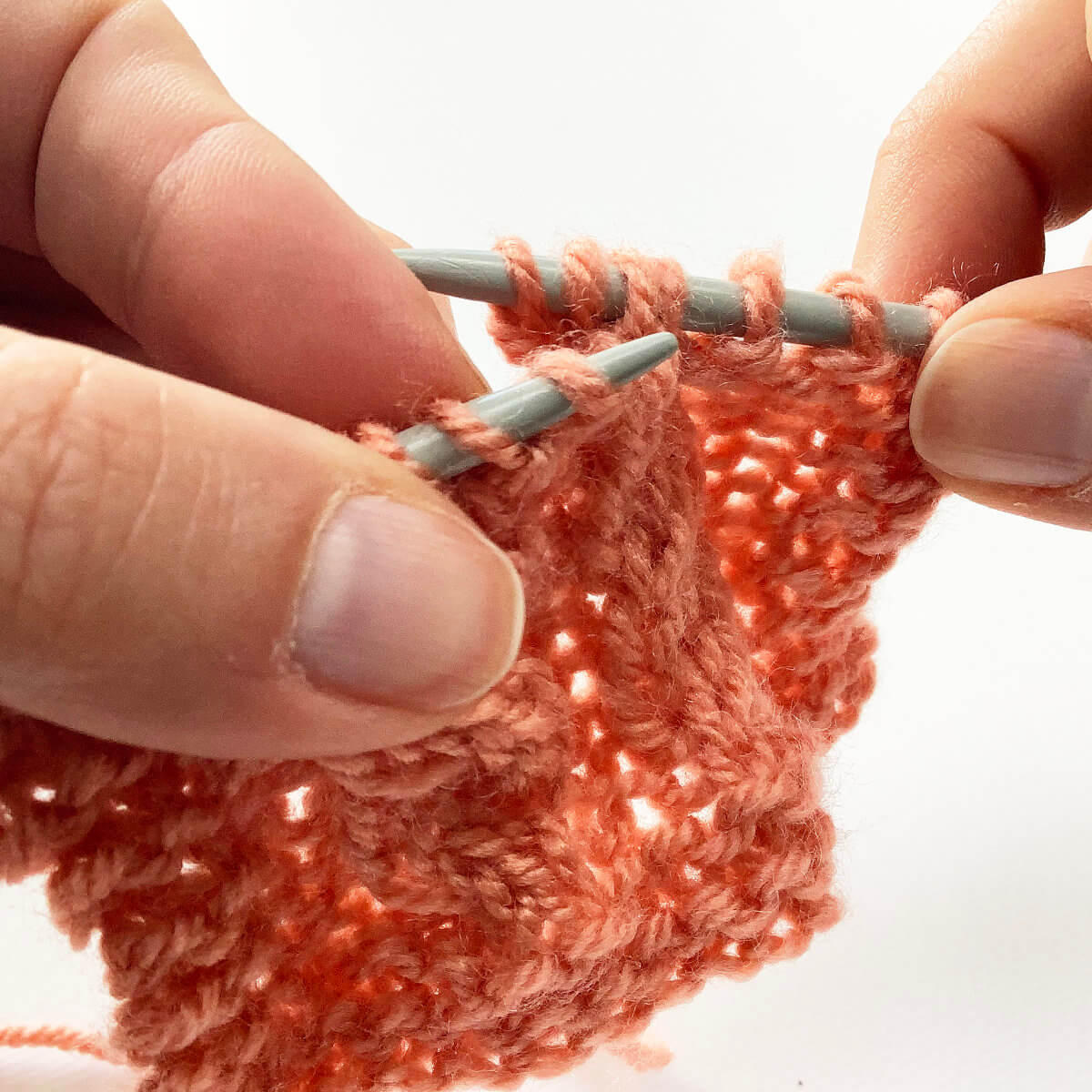
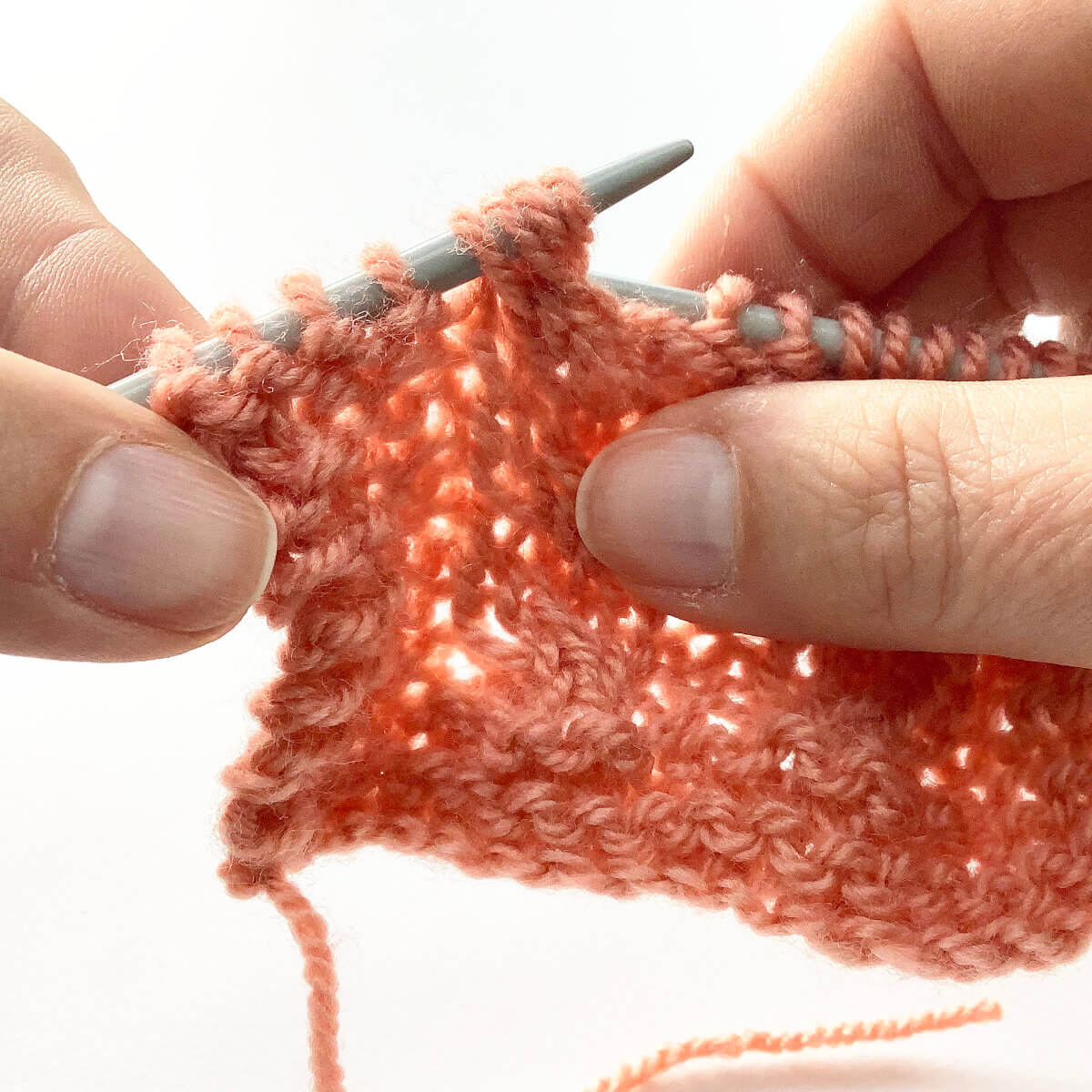
  8. Onward to the next cable! With the 2/2 left-cross cable, we want the first 2 stitches to cross in the front and to the right of the next 2 stitches. 

    To do so, I remove the first 2 stitches from the needle and place them to the front of the work. Again, grab those stitches to prevent any unraveling.Step 8 of working 4-st cables without a cable needle

  9. Now insert the right-hand needle purl-wise into the next 2 stitches and slip them to the right-hand needle…

    Step 9

  10. Next, place the stitches you’re holding onto, to the left-hand needle.

    Step 10 of working 4-st cables without a cable needle

  11. Now place the 2 stitches from the right-hand needle back to the left-handle, and knit all 4 stitches to complete the cable. And that’s how to go about knitting 4-stitch cables without a cable needle!

    Step 11 of working 4-st cables without a cable needle

Patreon logo

Thanks to my Patreon supporters for bringing you this freebie! Creating quality patterns and tutorials is a lot of work and resource-intensive. However, I find it important to give you free content like this tutorial. Thanks to the generous support of my Patreon supporters, I can make it happen. Thank you, patrons! Click here to join, or click here to read more about La Visch Designs on Patreon.

tutorial – knitting 4-stitch cables without a cable needle Read More »
stitch pattern – knitting 4-stitch cables

Knitting 4-stitch cables

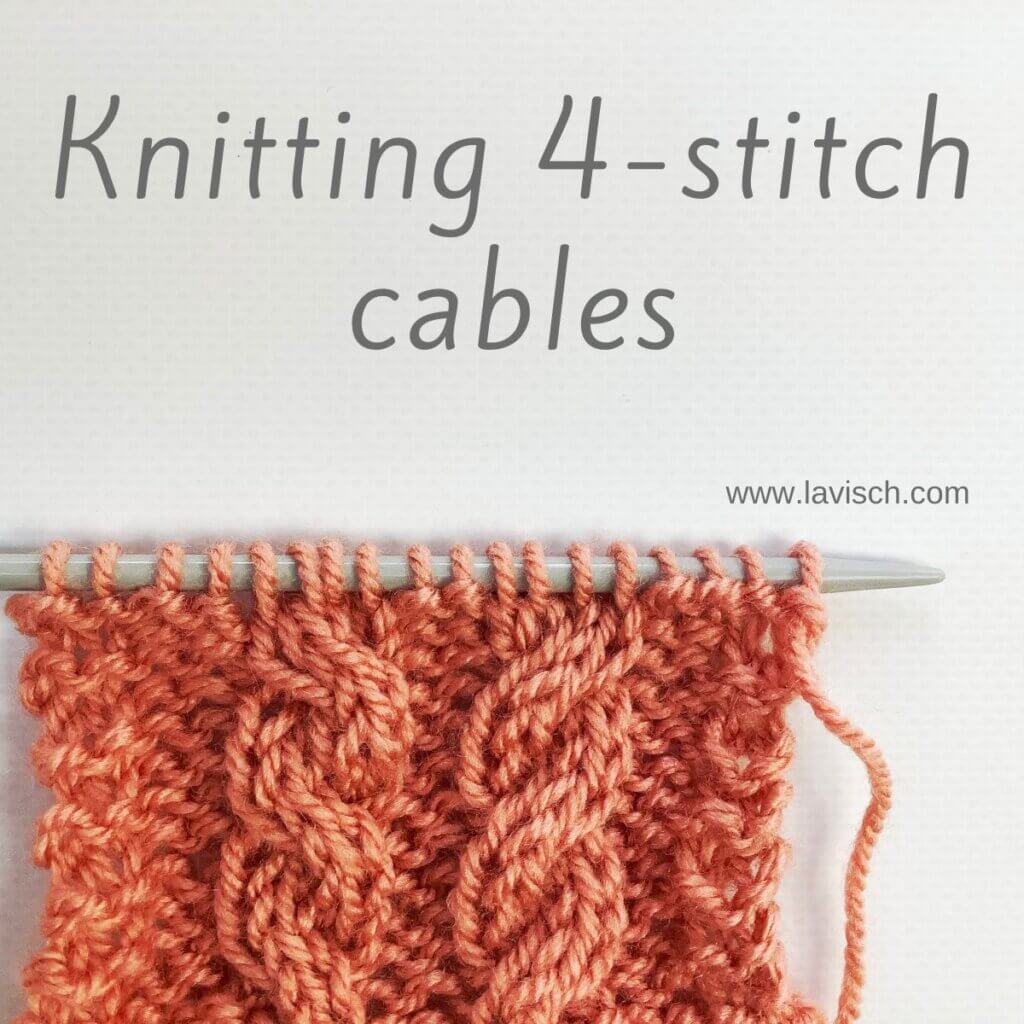
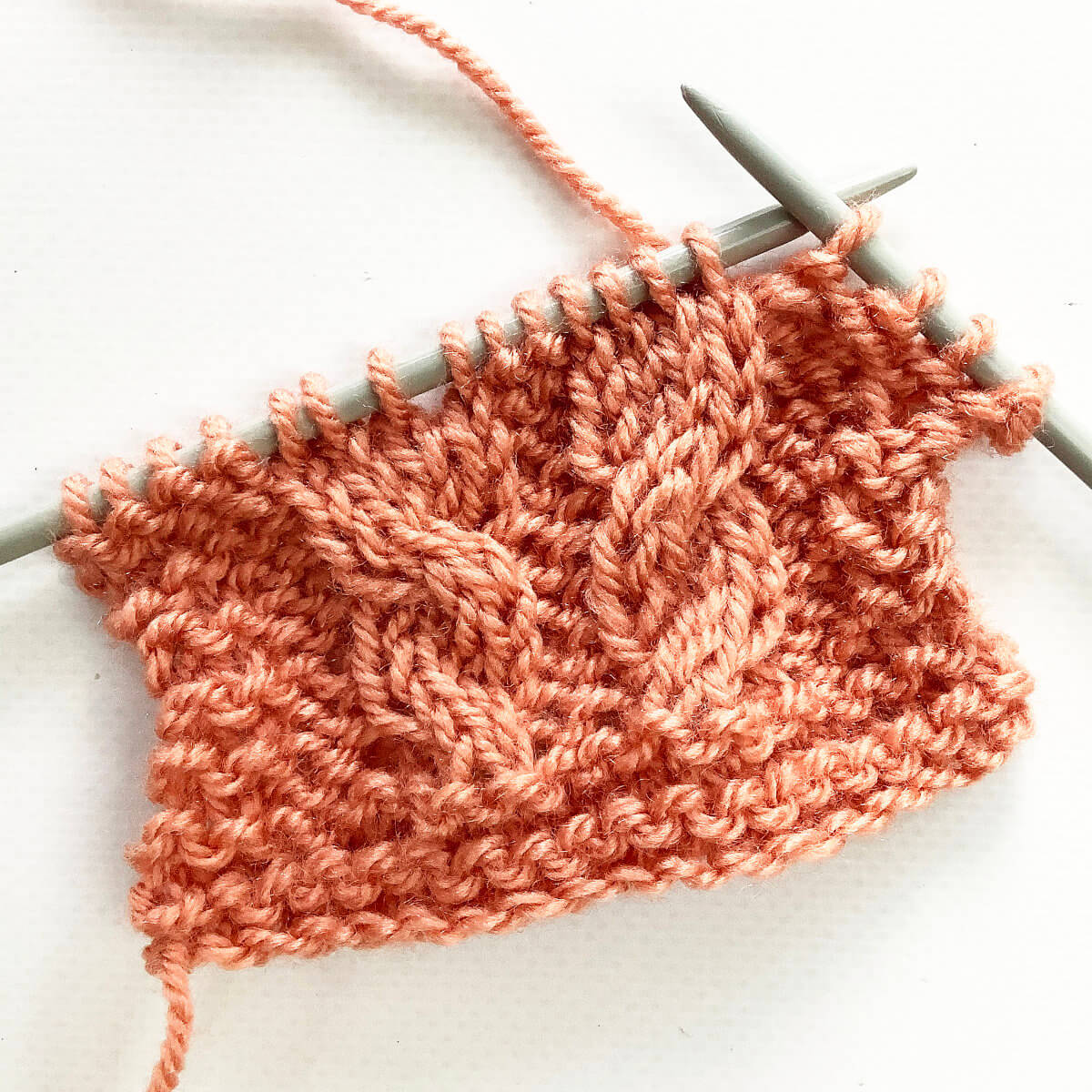
With cable knitting, you usually work stitches in stockinette against a background of either garter stitch or reverse stockinette. The cables themselves are worked in stockinette, and once every few rows the order of those stitches on your knitting needle is changed. For example, when 4 stitches appear on the needle in the order ABCD, one might cross the first two the next two, so that in subsequent rows those stitches appear in the new order CDAB. These crossings are what gives cables their characteristic look.

Stitch patterns with cables can be very complex. In this stitch pattern, however, I show you a simple 2/2 RC, and a 2/2 LC cable. This stitch pattern is worked in a multiple of 12 + 2 stitches. Please note that in the above picture, I’ve added 2 edge stitches in garter stitch on both sides of the swatch.

Materials used

Yarn: Paintbox Yarns Simply DK, a good value, good quality 100% acrylic yarn, here in the color Vintage Pink.

Knitting needles: This is a pair of straights that I picked up at the second-hand store when I started knitting, brand unknown.

You will also need a cable needle in a similar or slightly smaller size as your knitting needles. Unless, of course, you’re going to work the cables without a cable needle. In a future tutorial, I will show you how to do this.

Stitches used

  • k – knit
  • p – purl
  • 2/2 LC (2/2 left-cross cable): Slip next 2 stitches to cable needle and place at front of work, k2, then k2 from cable needle.
  • 2/2 RC (2/2 right-cross cable): Slip next 2 stitches to cable needle and place at back of work, k2, then k2 from cable needle.

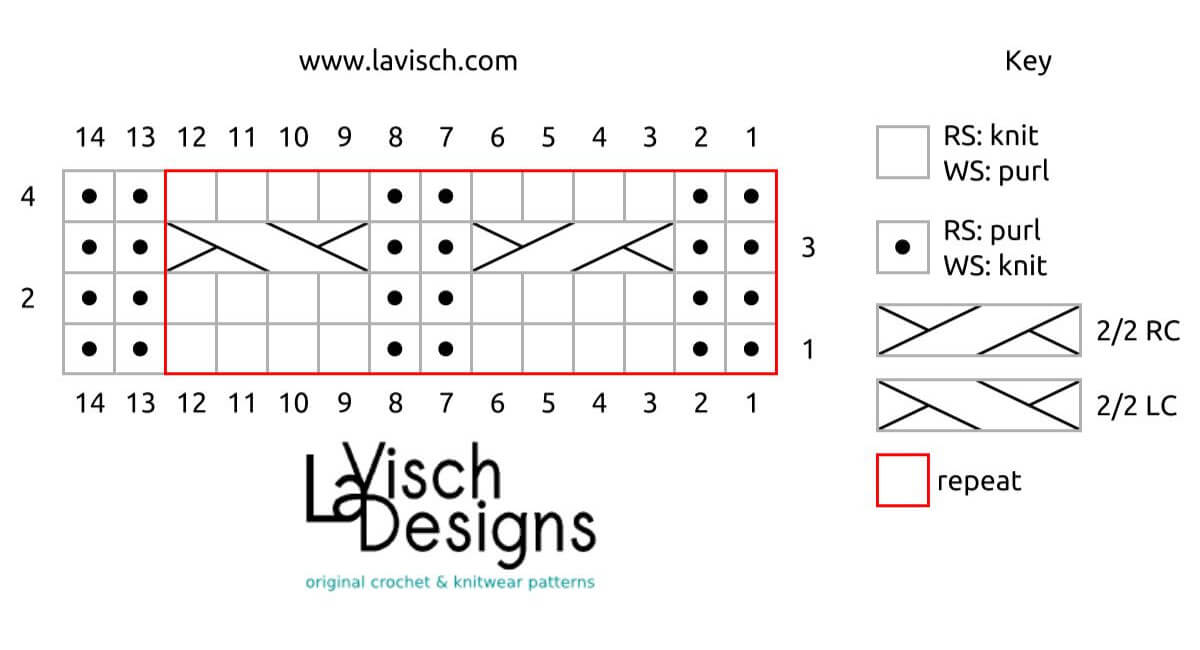
4-stitch cable instructions

Row 1 (right side): * (P2, k4) twice; rep from * to 2 sts before end, p2. (14 sts)

Row 2: (wrong side): K2, * (p4, k2) twice; rep from * to end.

Row 3: * P2, 2/2 RC, p2, 2/2 LC*; rep from * to 2 sts before end, p2.

Row 4: K2, * (p4, k2) twice; rep from * to end.

Repeat rows 1-4 for pattern.

Chart with the 4-stitch cables
4-stitch cables from the RS
4-stitch cables from the RS.
4-stitch cables from the WS
4-stitch cables from the WS.
Patreon logo

Thanks to my Patreon supporters for bringing you this freebie! Creating quality patterns and tutorials is a lot of work and resource-intensive. However, I find it important to give you free content like this tutorial. Thanks to the generous support of my Patreon supporters, I can make it happen. Thank you, patrons! Click here to join, or click here to read more about La Visch Designs on Patreon.

stitch pattern – knitting 4-stitch cables Read More »
tutorial – working a slipped stitch edge

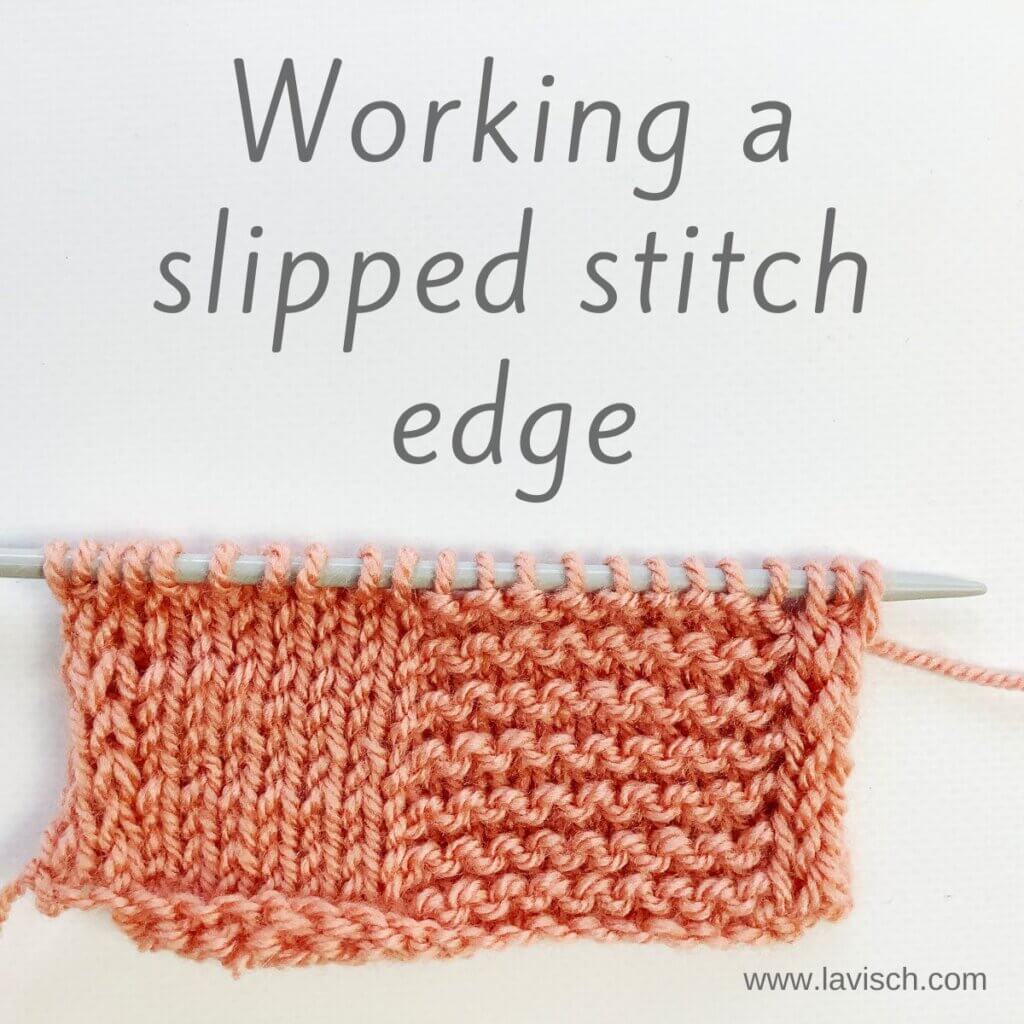
Working a slipped stitch edge

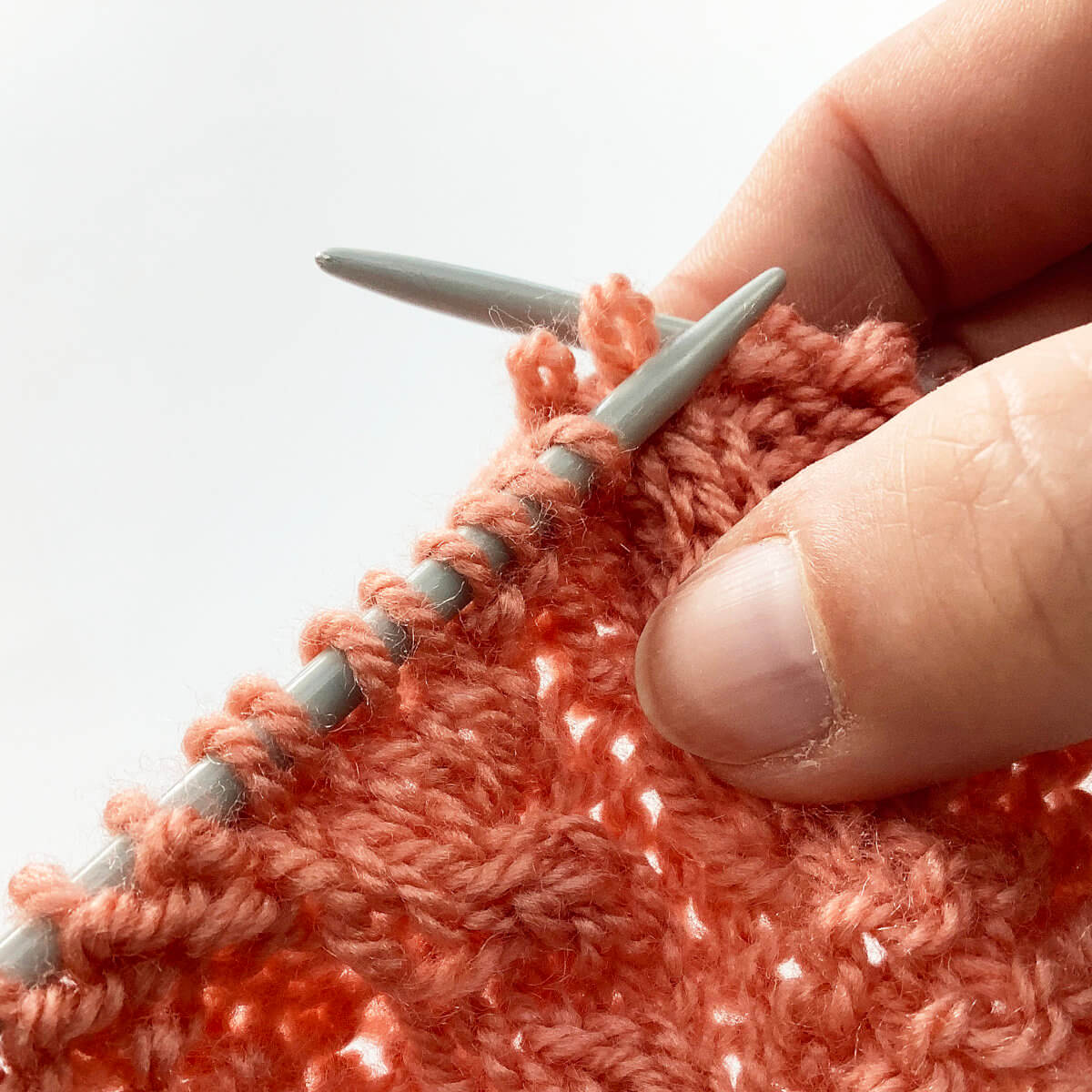
In some of my patterns, I use a slipped stitch edge as a finishing on the edges. Take for example the edges on the Sweet as Pi cardigan, or the upper edge of the sideways knit Morello Cerise shawl. What I like about this kind of edge, is that it looks like i-cord finishing. Only at the side edges of your fabric, instead of the top or bottom edges that you would get with an i-cord cast-on, or i-cord bind-off.

The slipped stitch edge is sometimes abbreviated as “SSE”. It is worked over the first 3 or last 3 stitches of a row. Or on both, of course. I find it helps to place an extra stitch marker 3 stitches in from the edge on each side of your work. That way there is always a clear demarcation of the stitches to work the SSE over.

Materials

Yarn: Paintbox Yarns Simply DK, a good value, good quality 100% acrylic yarn, here in the color Vintage Pink.

Needles: This is a pair of straights that I picked up at the second-hand store when I started knitting, brand unknown.

Working a slipped stitch edge step by step

In a pattern you may see the following instruction for the slipped stitch edge or SSE:
RS: K1, sl1 purl-wise wyif, k1.
WS: Sl1 purl-wise wyif, k1, sl1 purl-wise wyif.

In other words: when slipping the stitches, you always keep the yarn in front of your work, and you never slip a stitch that you’ve slipped in the previous row. Ok, let’s take a look at how to do this.

  1. On the RS: Knit the first stitch


    Step 1 of working a slipped stitch edge on the RS

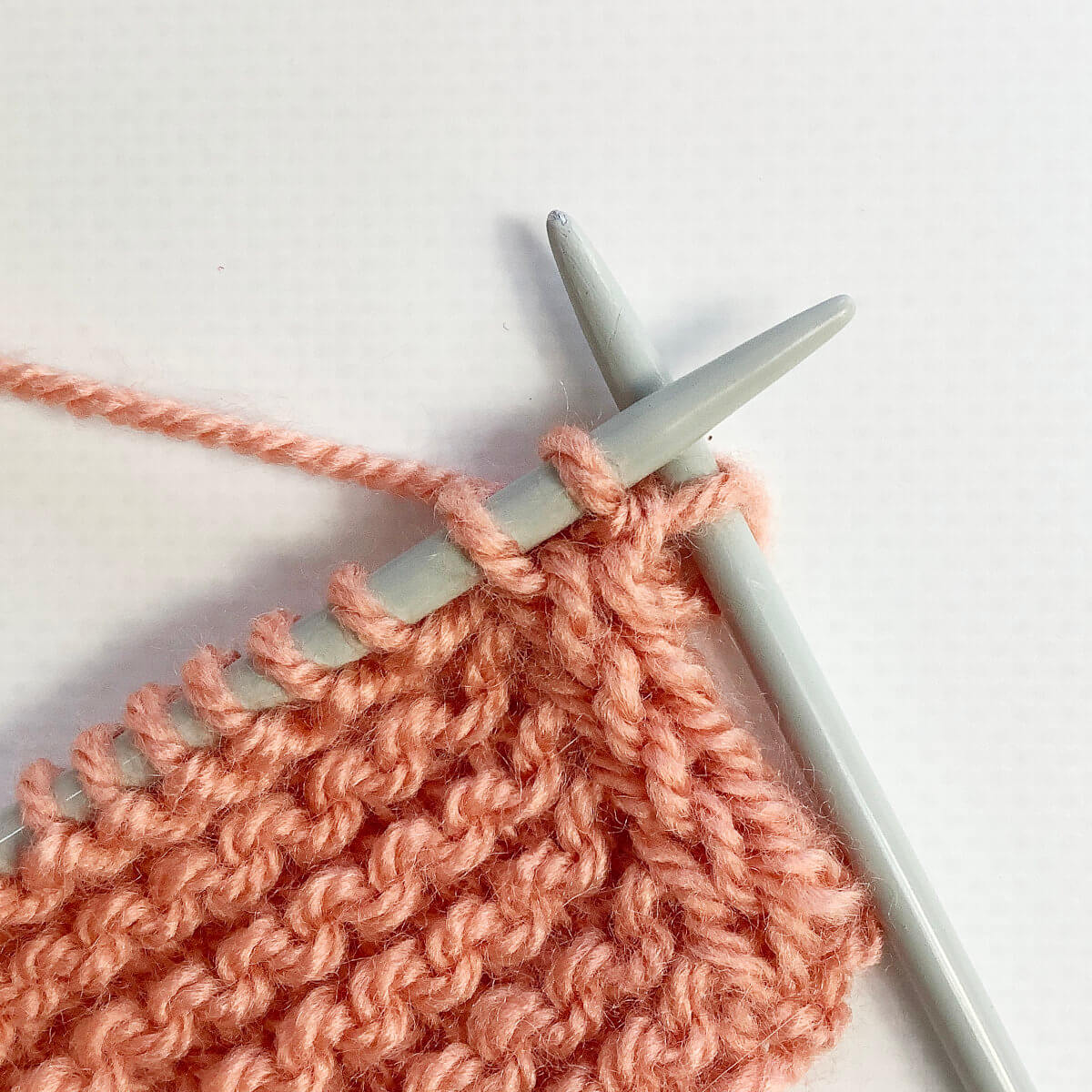
  2. Move the yarn to the front of the work, insert your right-hand knitting needle purl-wise into the stitch and slip it to that needle.

    Step 2 of working a slipped stitch edge on the RS

  3. Knit the third stitch.

    Now you can continue with the row according to your pattern. Step 3 of working a slipped stitch edge on the RS

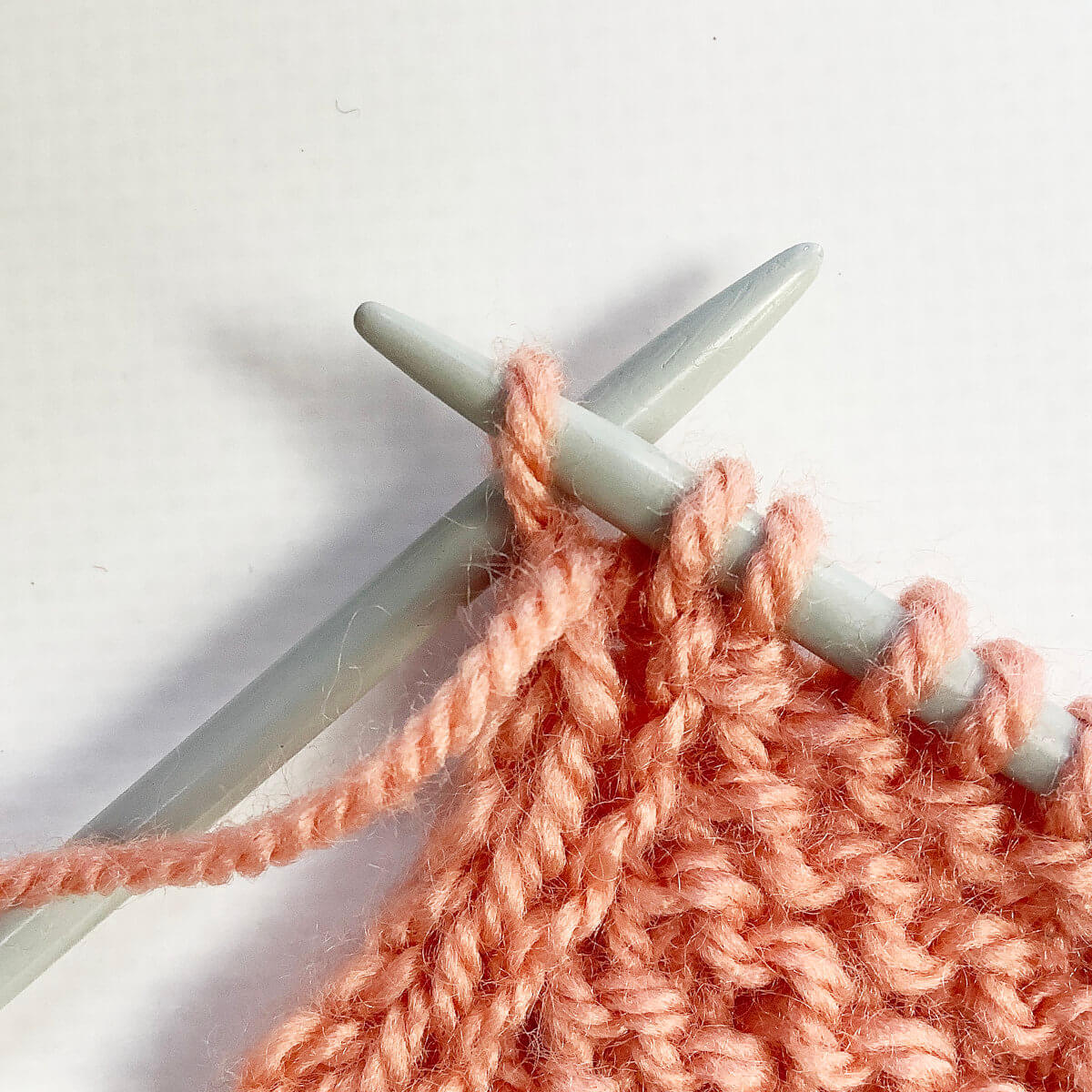
  4. WS: Move the yarn to the front of the work, insert your right-hand knitting needle purl-wise into the stitch and slip it to that needle.

    Step 1 of working a slipped stitch edge on the WS

  5. Knit the next stitch.

    Step 2 of working a slipped stitch edge on the WS

  6. Again, move the yarn to the front of the work, insert your right-hand knitting needle purl-wise into the stitch and slip it to that needle.

    Now you can continue with the row according to your pattern. Step 3 of working a slipped stitch edge on the WS

The result

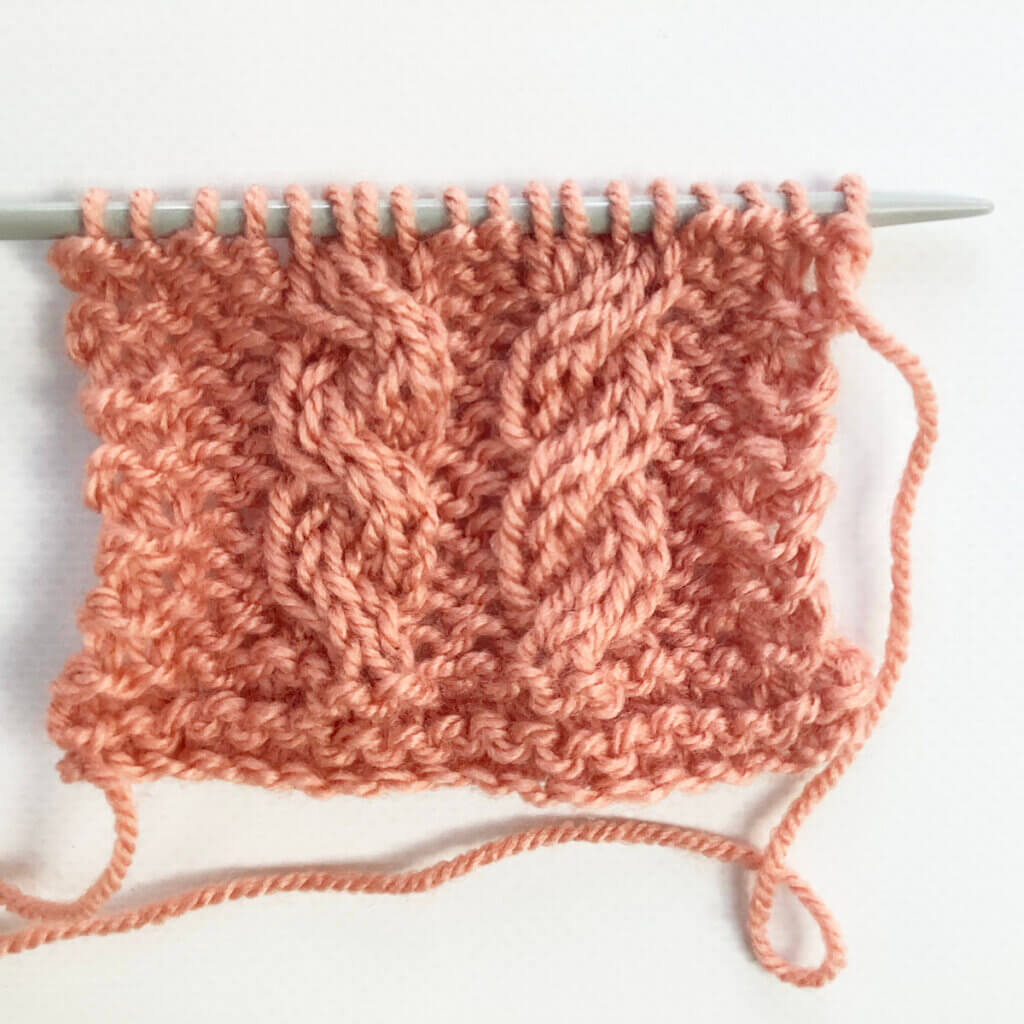
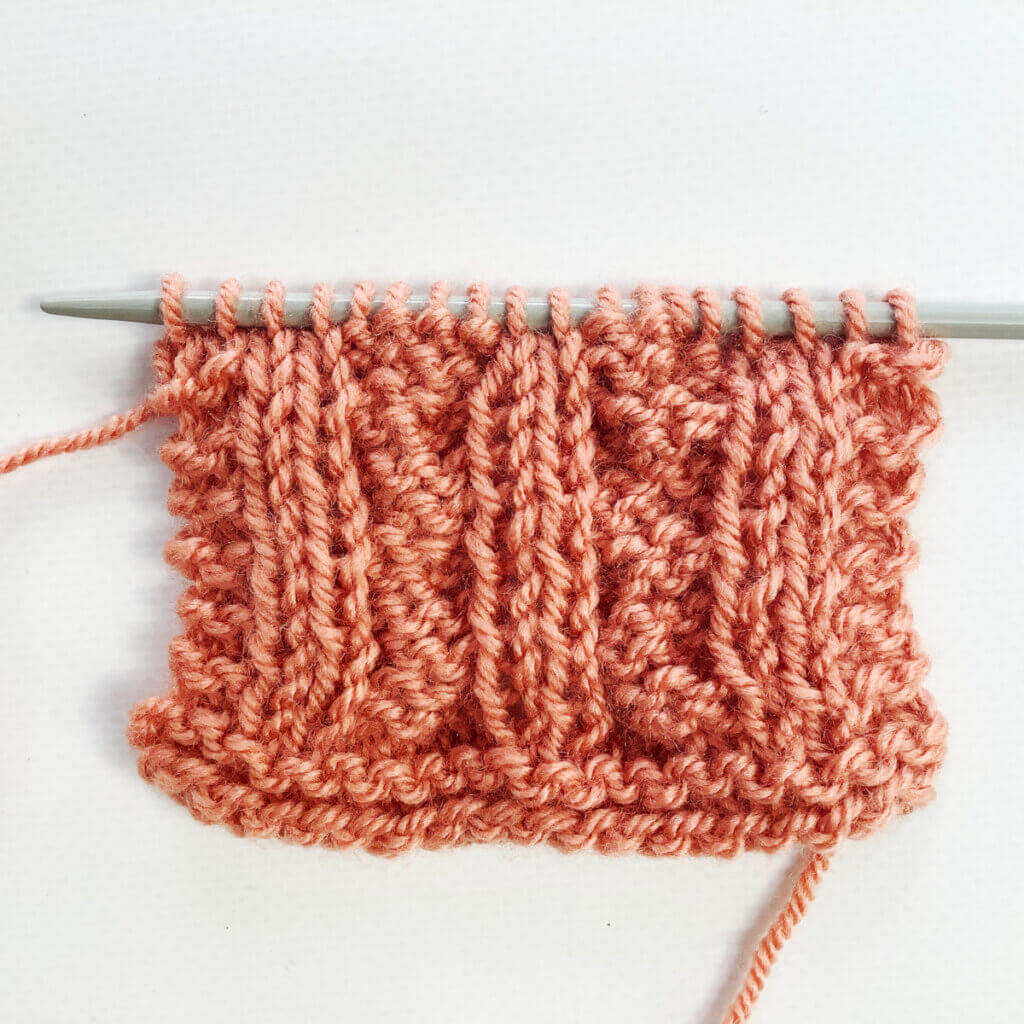
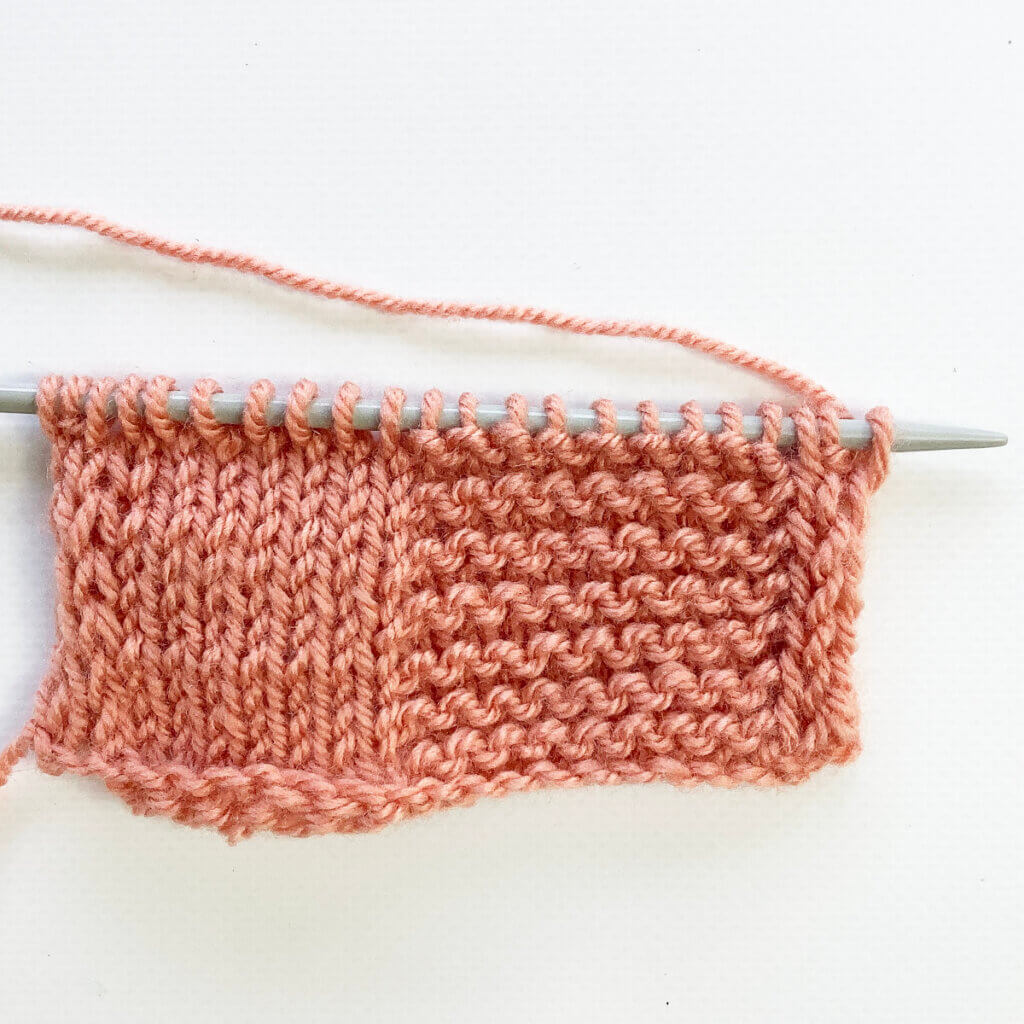
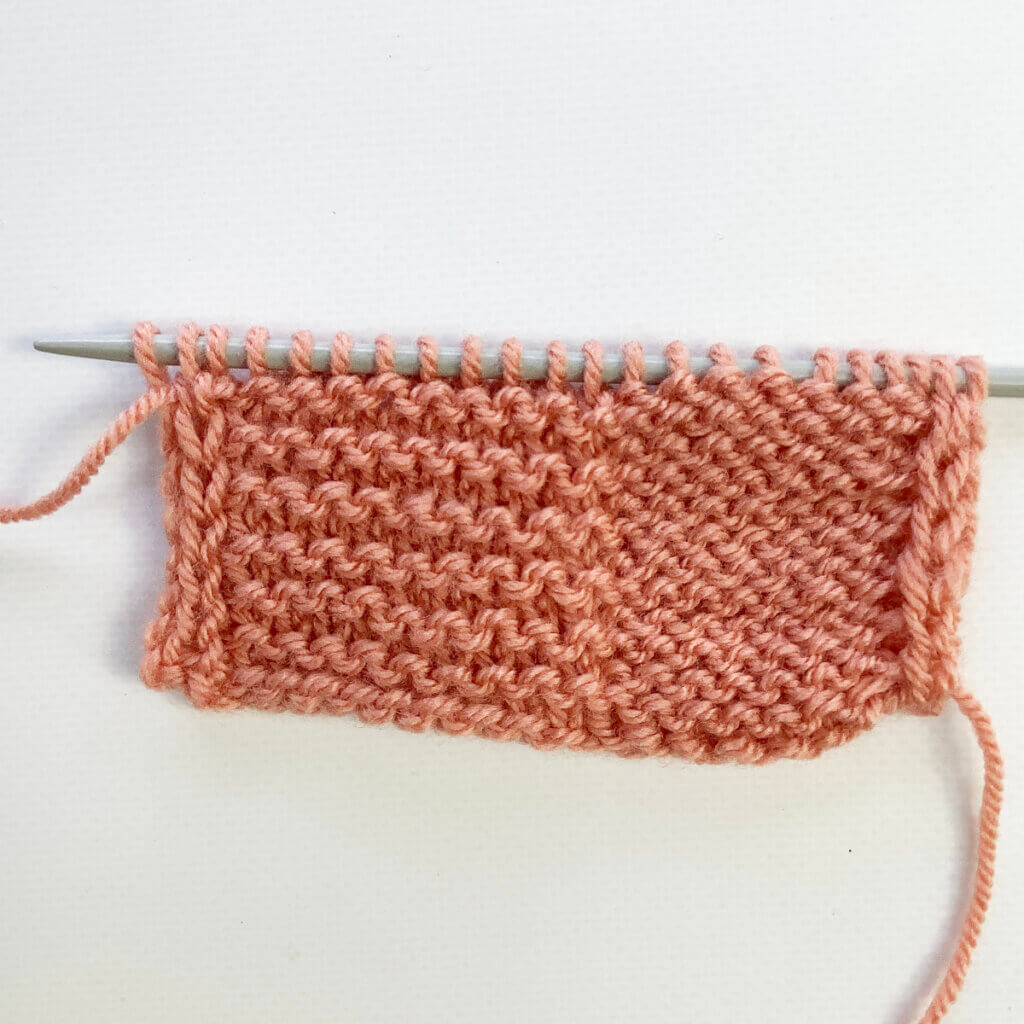
In the little swatch I made for this tutorial, I did half in garter stitch, and half in stockinette. This way, you can see what the effect is on both the right and wrong sides of the fabric. It really looks like an i-cord! What’s also pretty obvious in the below pictures, is that the row gauge of garter stitch is much more condensed than with the stockinette. This is something that you may want to take into account in your project. Because the SSE contains slipped stitches, it will give a tighter edge than other edge treatments. This may cause pulling.

The result of working a slipped stitch edge on the RS
The result of working a slipped stitch edge on the WS
Patreon logo

Thanks to my Patreon supporters for bringing you this freebie! Creating quality patterns and tutorials is a lot of work and resource-intensive. However, I find it important to give you free content like this tutorial. Thanks to the generous support of my Patreon supporters, I can make it happen. Thank you, patrons! Click here to join, or click here to read more about La Visch Designs on Patreon.

tutorial – working a slipped stitch edge Read More »
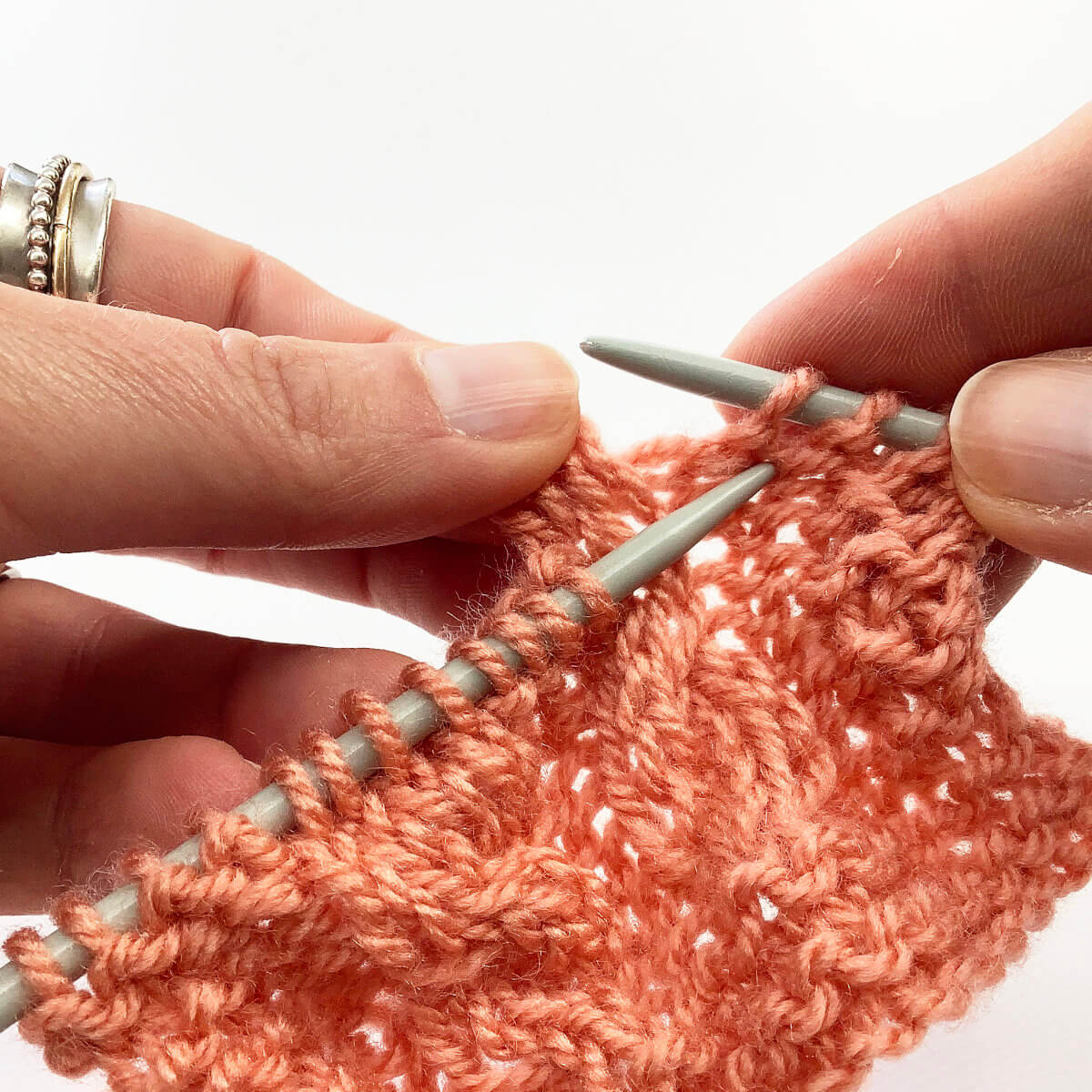
stitch pattern – linen stitch

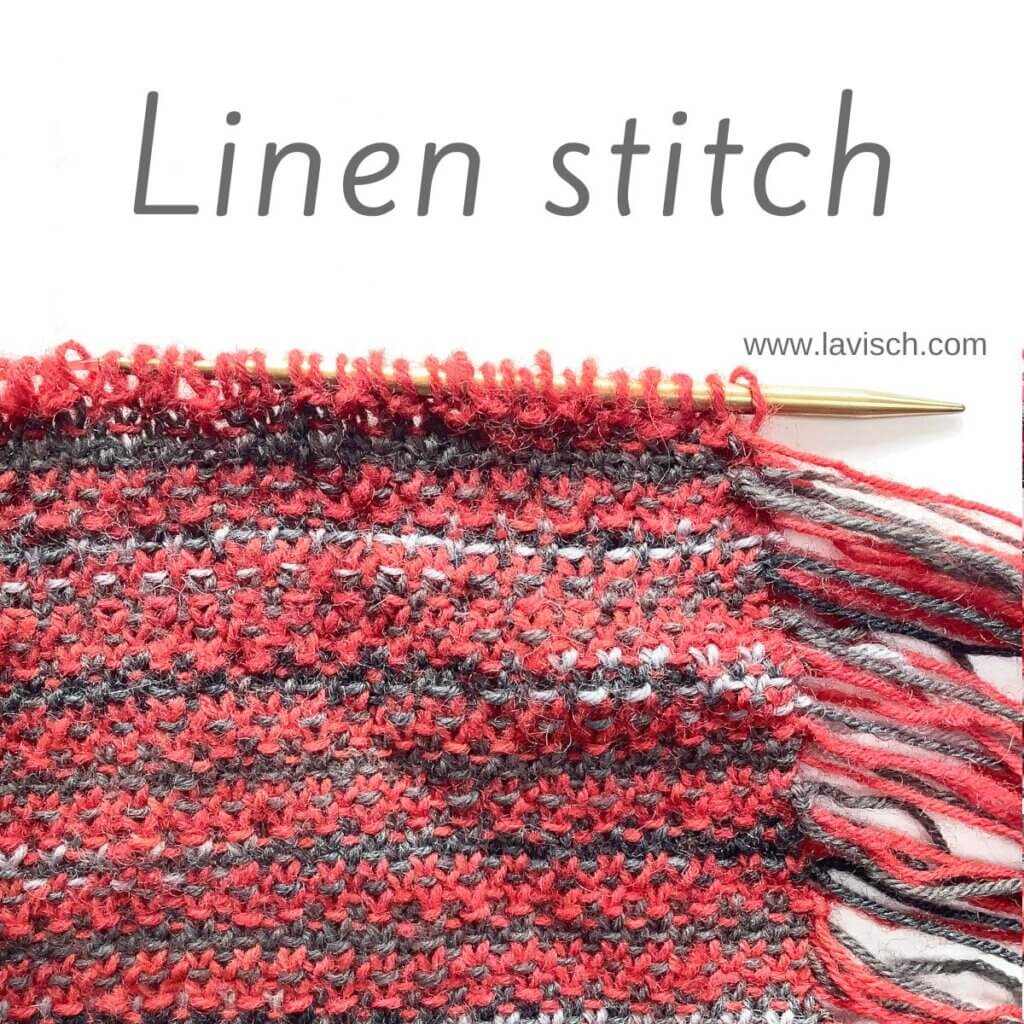
Linen stitch by La Visch Designs

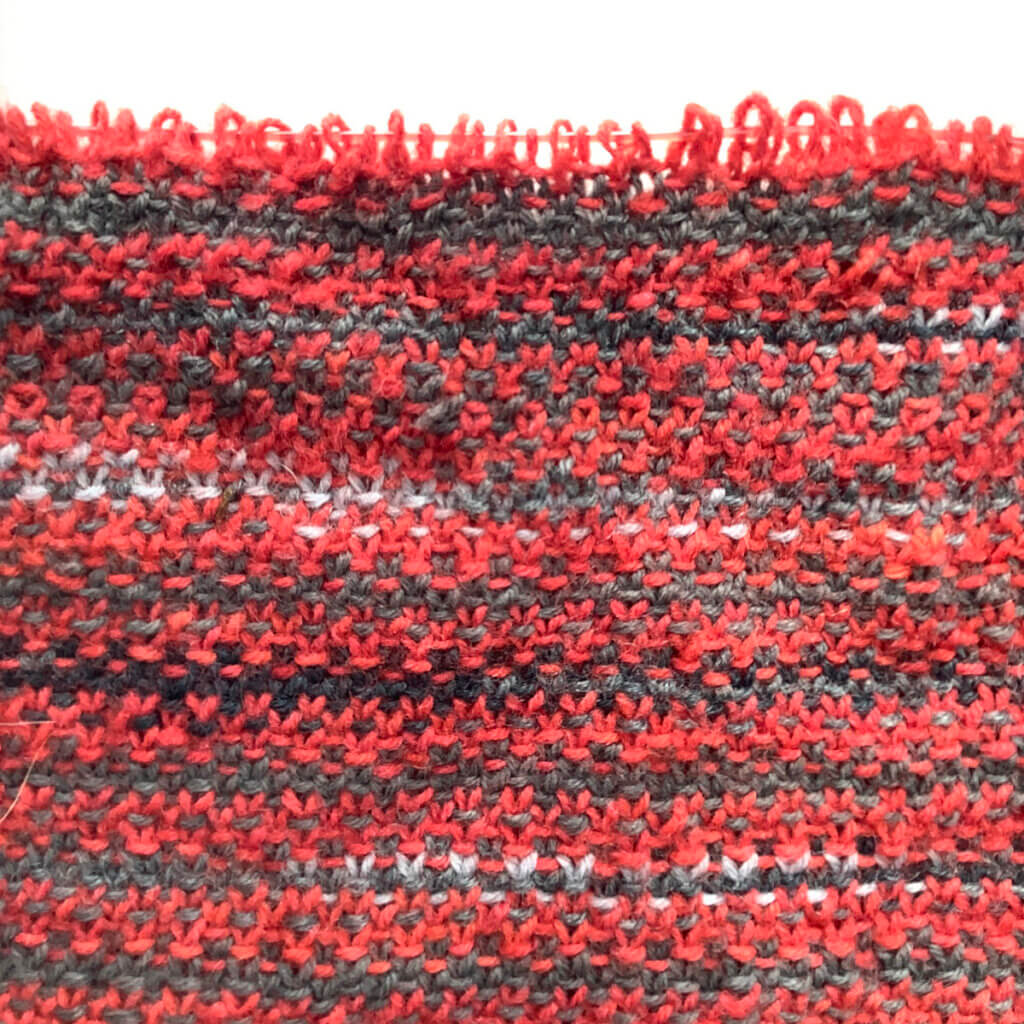
Back in 2011 I decided to cast on a stole using the linen stitch. It’s named like that, because it looks similar to a woven linen fabric. The stitch uses simple slipped stitches to achieve that effect. This also means that the fabric it creates is rather dense and may turn out very tight during knitting. To counter that effect, go up needles sizes from what you would usually use for that weight of yarn. In the project pictured, I used 4.5 mm (US 7) size needles, there is nothing loose about this fabric!

The patterning can, of course, be worked in a single color. But because of the slip stitches, very lovely effects can be achieved by using 2 or more colors. The general advice for changing yarn colors, with the linen stitch, is to change colors at the beginning of every odd-numbered row. In the project pictured, I’m working 3 rows of each color in the following sequence: gray, red, variegated black & gray’s, red. As a sidenote, in this project I cut the yarn with every row for instant fringe at the sides of my stole.

The stitch pattern requires any odd number of stitches, and is worked over 2 rows, when not taking color sequences into account.

Materials used

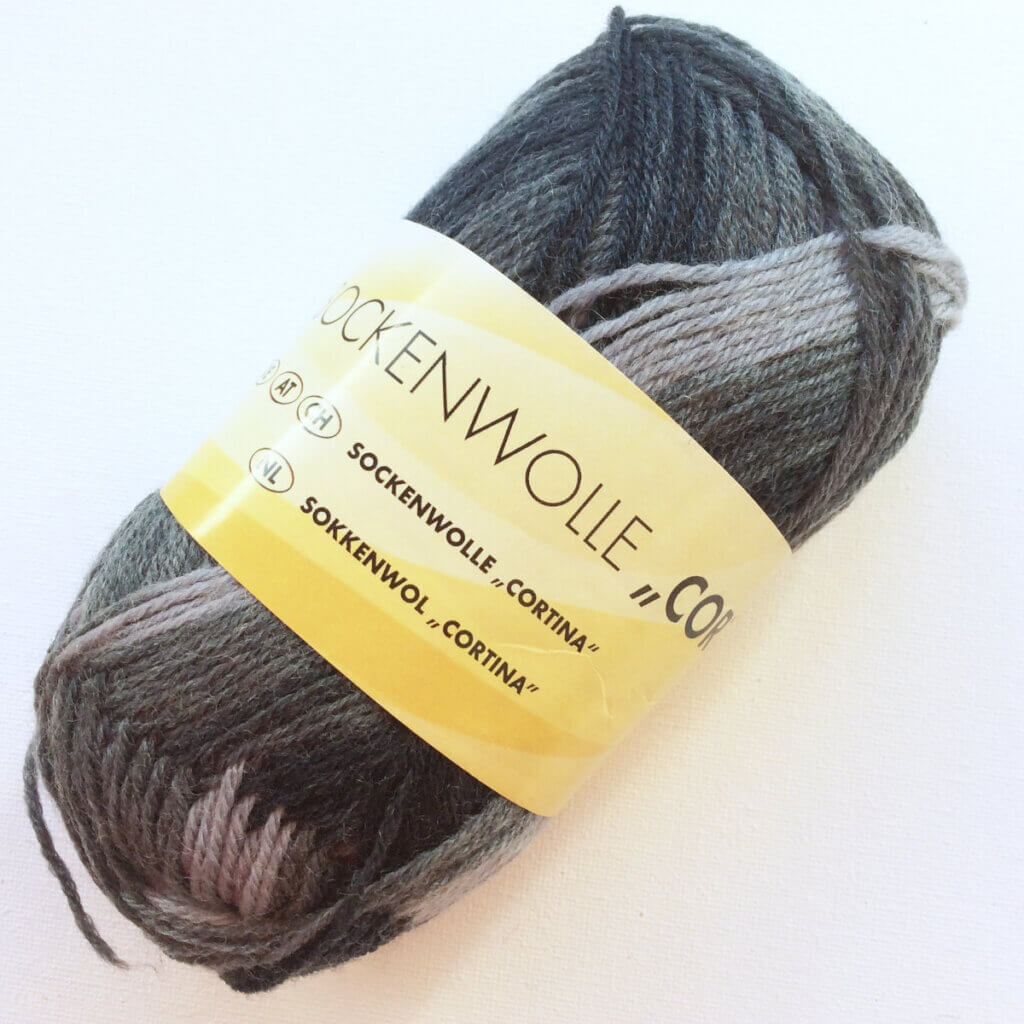
Yarn: Zettl Sockenwolle Cortina, a light fingering sock yarn (75% Wool, 25% Nylon) per 209 m (229 yds) / 50 g. Pictured here in a gray variegated colorway, also red and solid gray were used in the project shown.

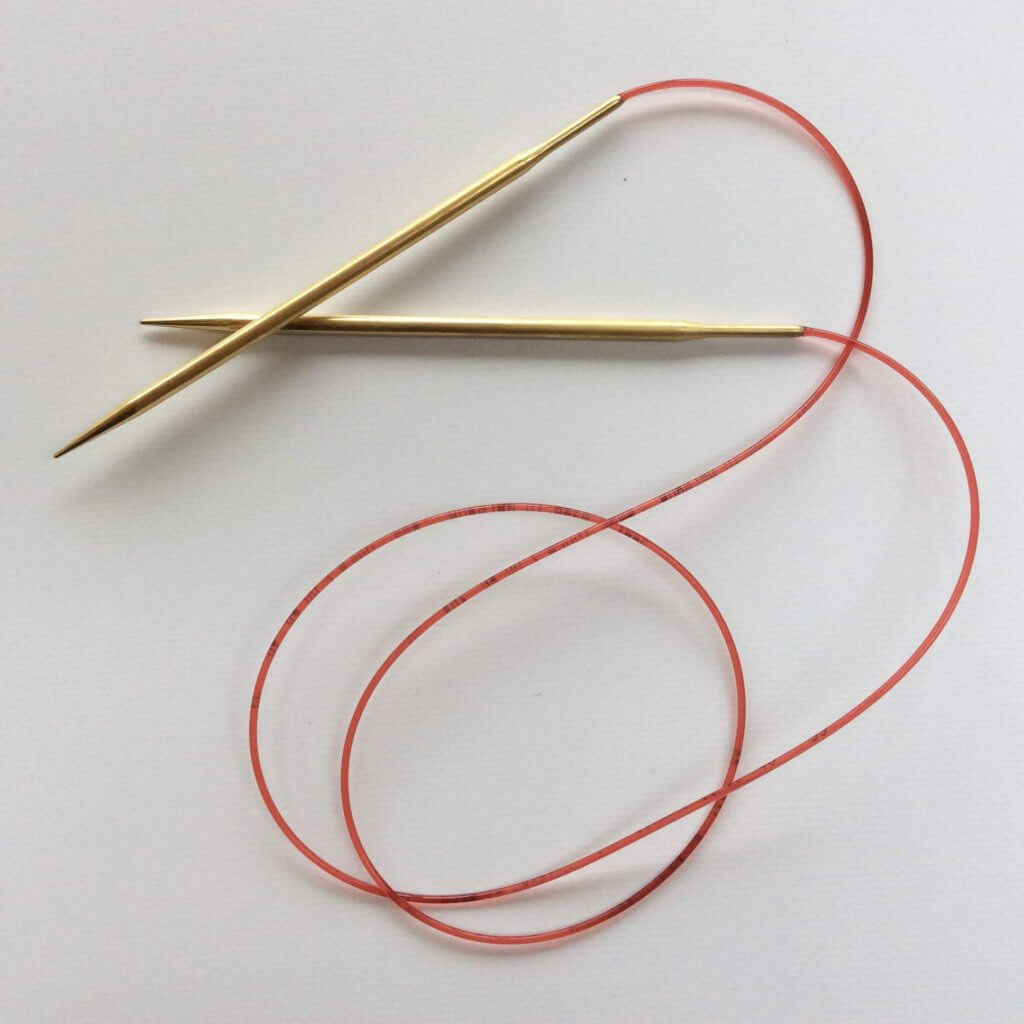
Needles: Addi Lace Circular Needles. In this project, I used the 4.5 mm (US 7) size.

Stitches used

  • k – knit
  • p – purl
  • RS / WS – right side / wrong side
  • rep – repeat
  • sl – slip the indicated stitch purl-wise to the right-hand needle
  • st(s) – stitch(es)
  • wyib – with the yarn held in the back of your project
  • wyif – with the yarn held in the front of your project

Linen stitch

Row 1 (RS): * K1, sl 1 wyif; rep from * to 1 st before end, k1.
Row 2 (WS): Sl 1 wyib, * p1, sl 1 wyib; rep from * to end.

Repeat rows 1-2 for pattern until desired length.

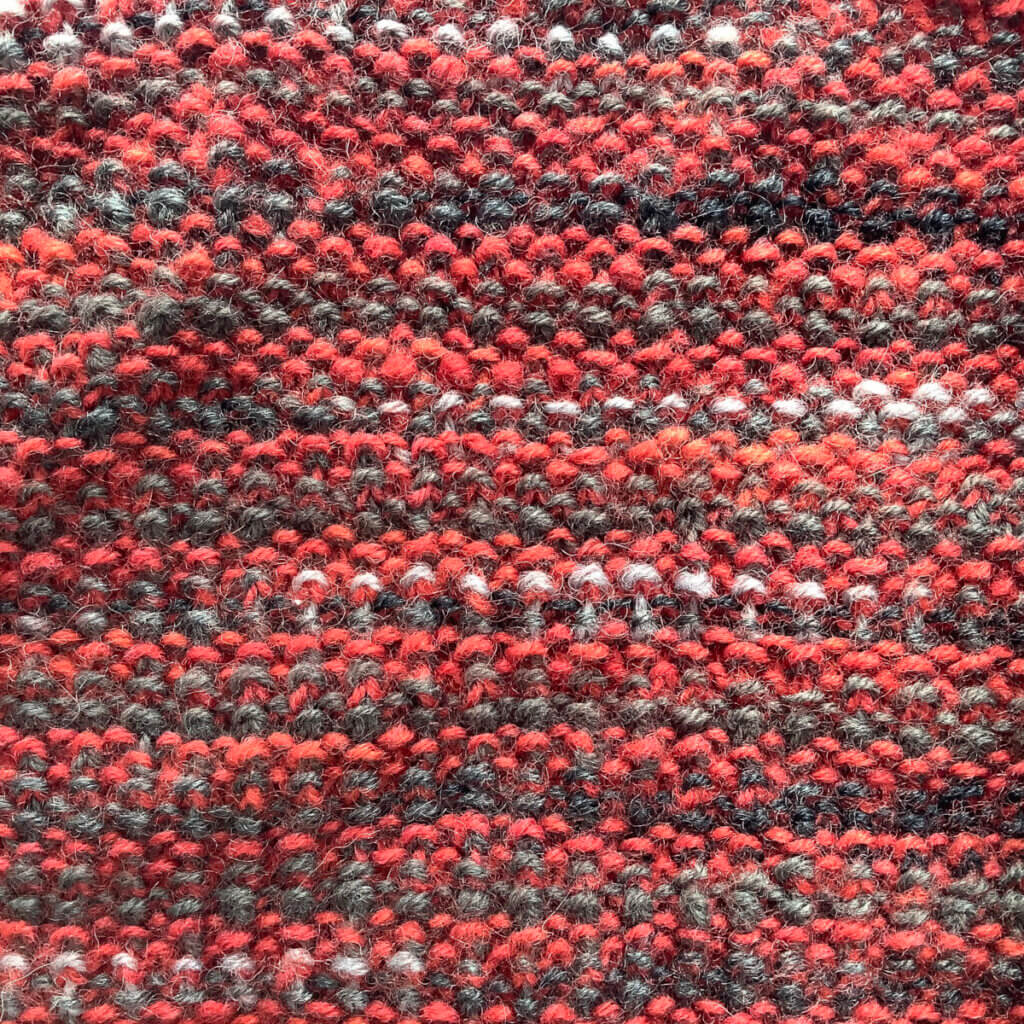
In the below pictures, you see the patterning first from the right, and then also from the wrong side of the fabric:

Linen stitch as seen from the RS
The stitch as seen from the RS.
Linen stitch as seen from the WS
The stitch as seen from the WS.
Patreon logo

Thanks to my Patreon supporters for bringing you this freebie! Creating quality patterns and tutorials is a lot of work and resource-intensive. However, I find it important to give you free content like this tutorial. Thanks to the generous support of my Patreon supporters, I can make it happen. Thank you, patrons! Click here to join, or click here to read more about La Visch Designs on Patreon.

stitch pattern – linen stitch Read More »