knitting

tutorial – making a slipknot

making a slipknot - by La Visch Designs

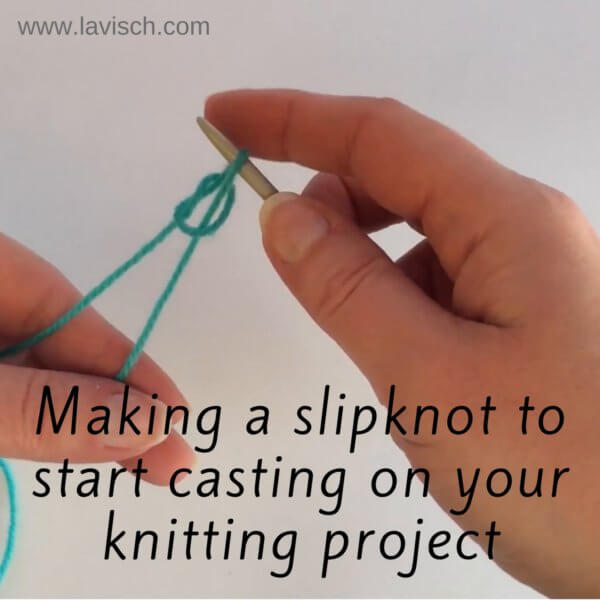
I know, it seems so basic:ย making a slipknot to start casting on your knitting project. But that’s only because once you know how to do it, it’s easy! And yes, I know it’s possible to start casting on without a slipknot, and that it’s sometimes to be preferred because it doesn’t give that extra knot on your cast-on edge. But that’s not the point here.

Most of the times I still start my knitting projects with a slipknot, even though I know how to do it without. I guess I just like that sturdy start of my cast-on edge! In this post, I’m going to show you how to do make a slipknot around a knitting needle yourself.

Making a slipknot step-by-step

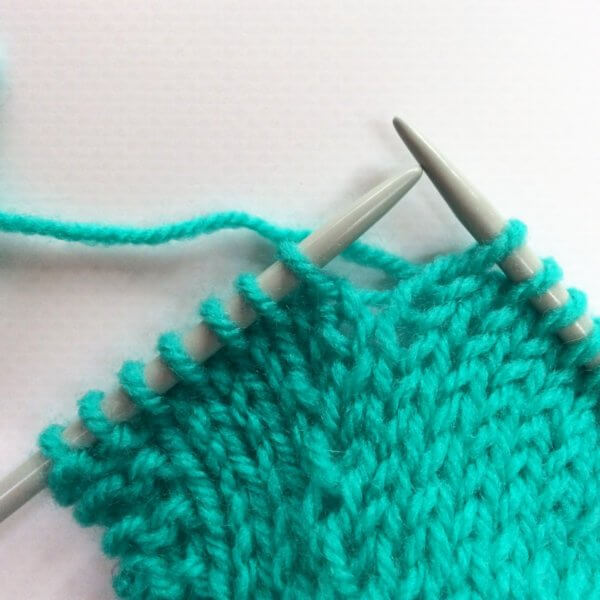
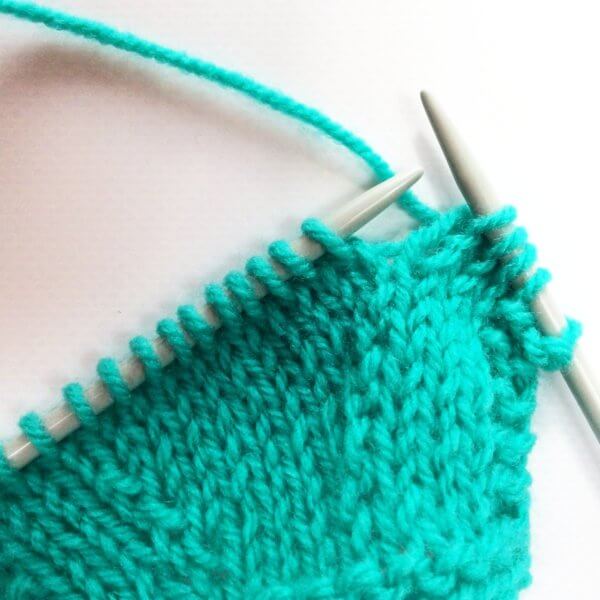
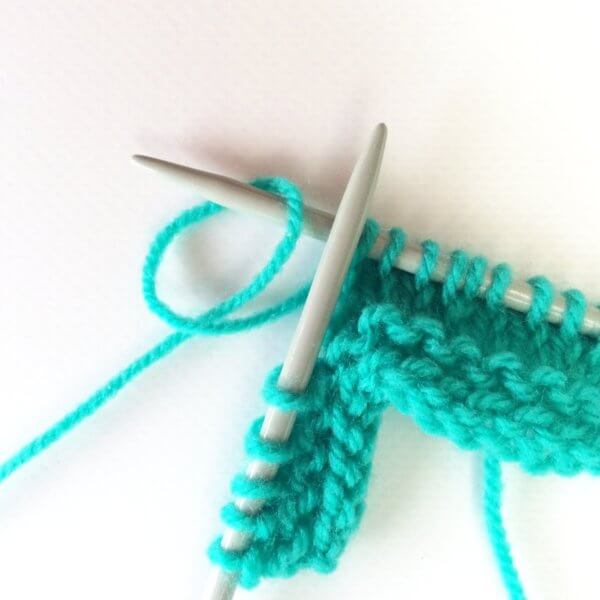
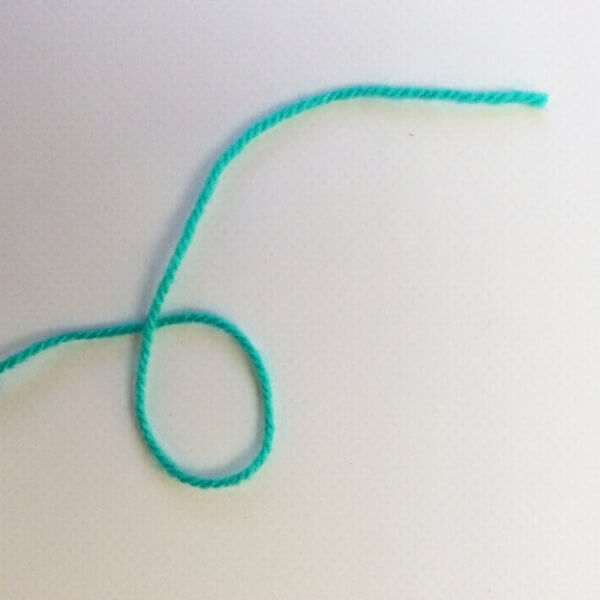
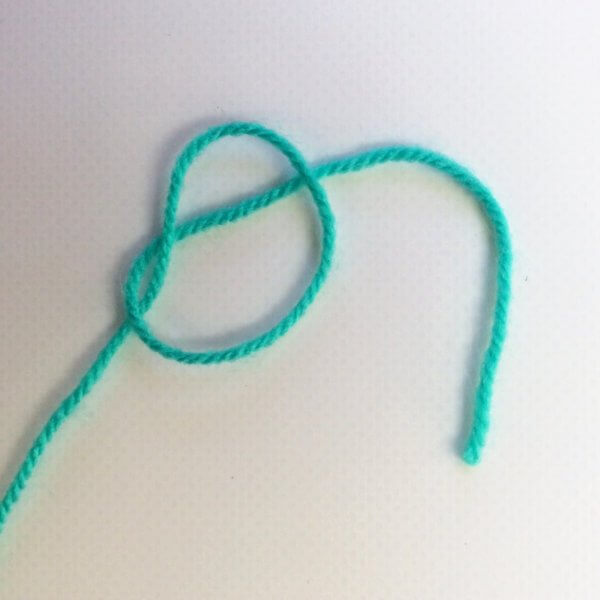
1. Loop the yarn as shown in the picture below.

Making a slipknot - by La Visch Designs

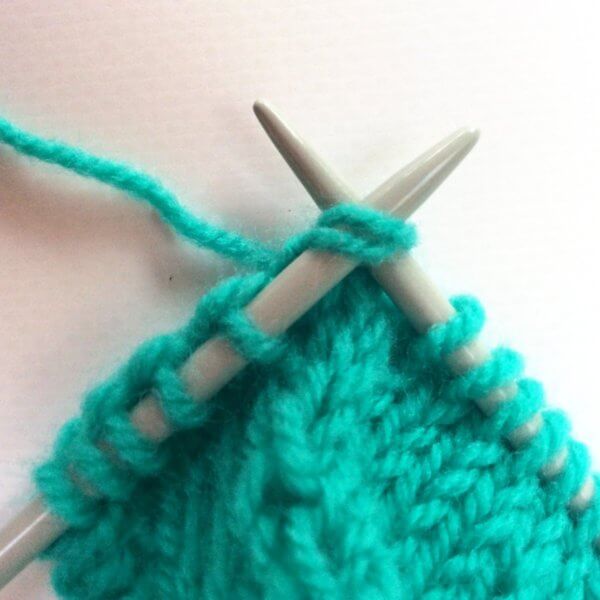
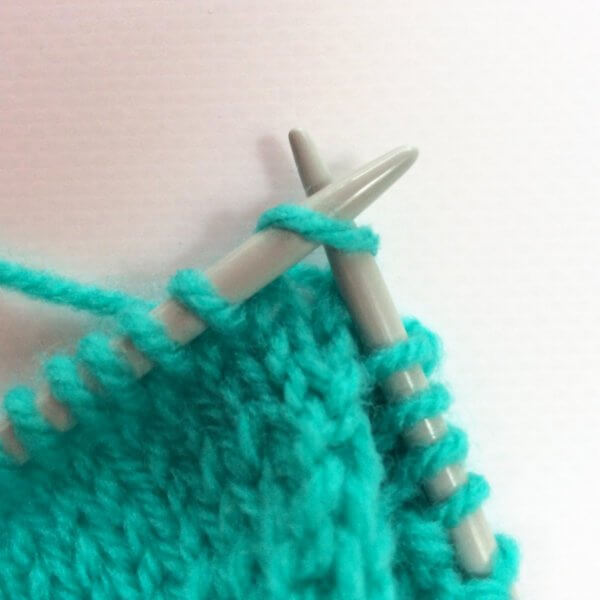
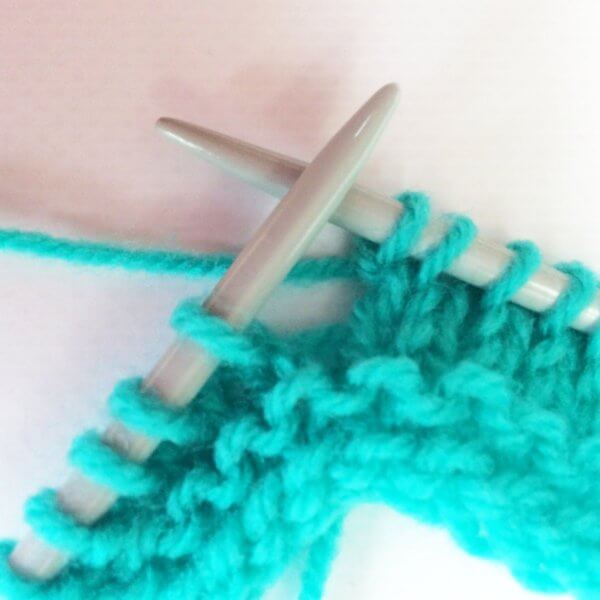
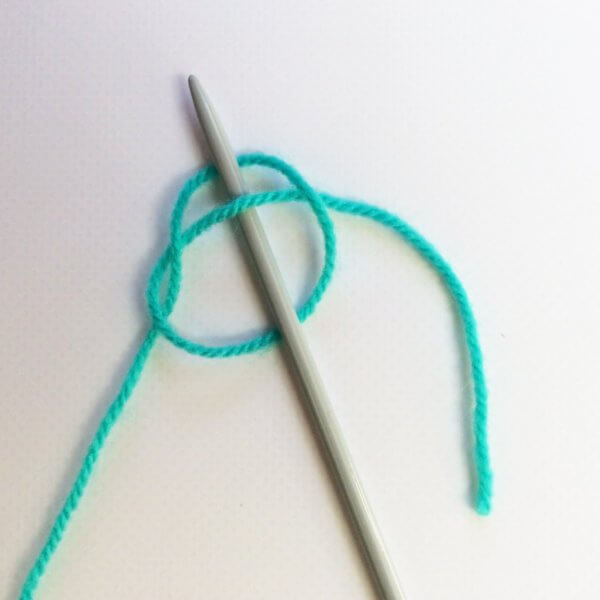
2. Next, arrange the yarn tail in such a way, that you can pull it through the first loop, like this:

Making a slipknot - by La Visch Designs

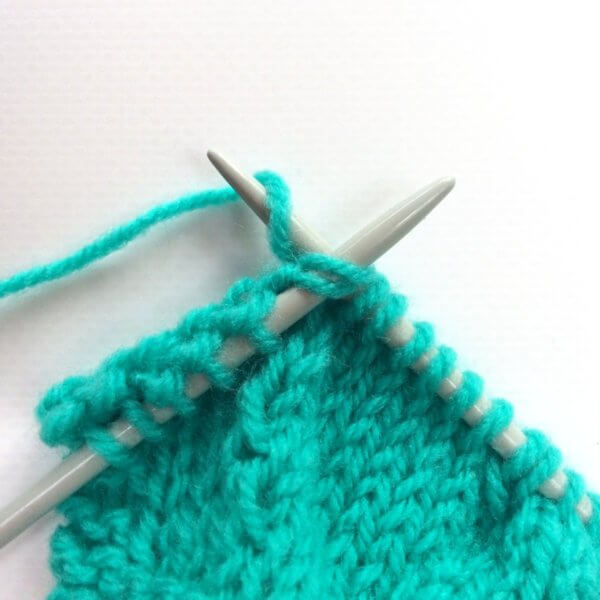
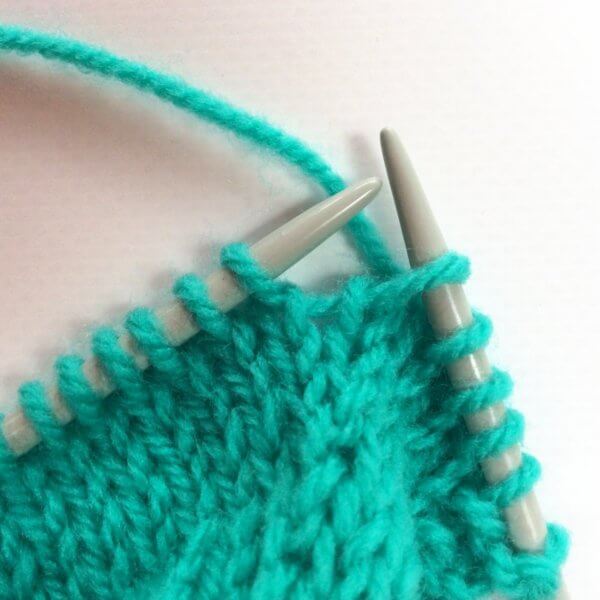
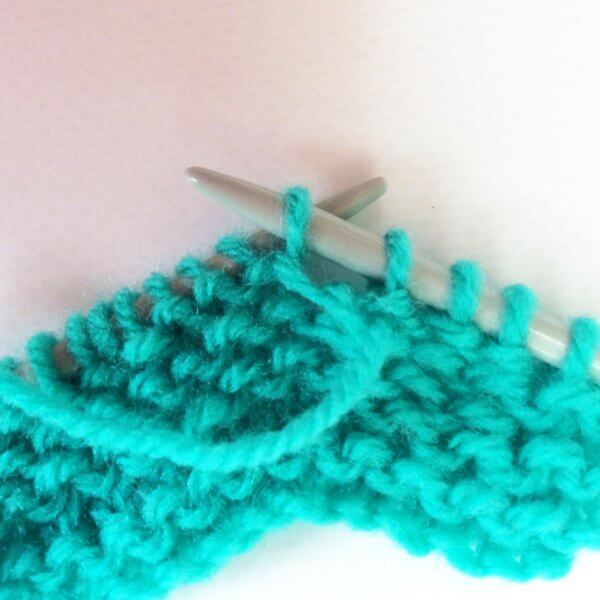
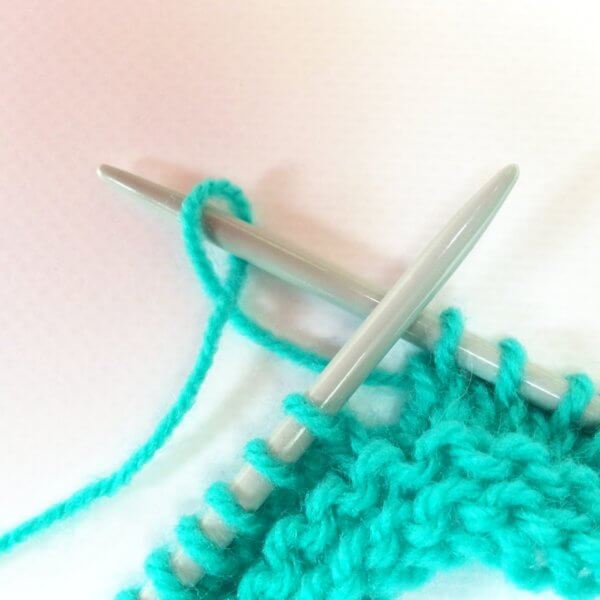
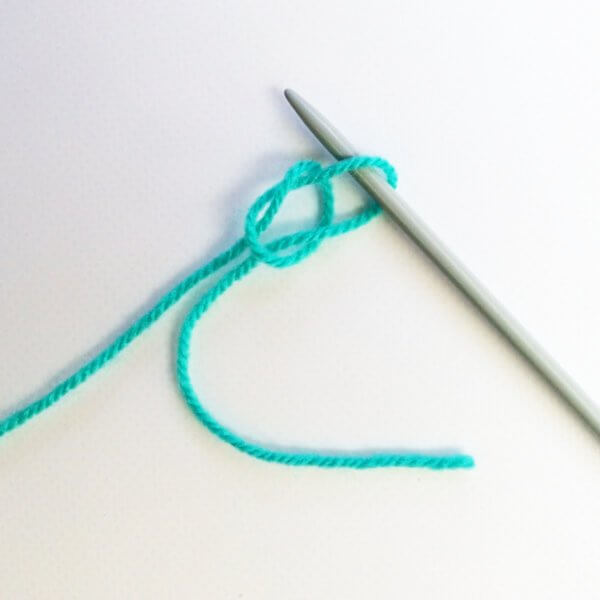
3. Insert your knitting needle as shown, underneath the arranged bit of yarn tail.

Making a slipknot - by La Visch Designs

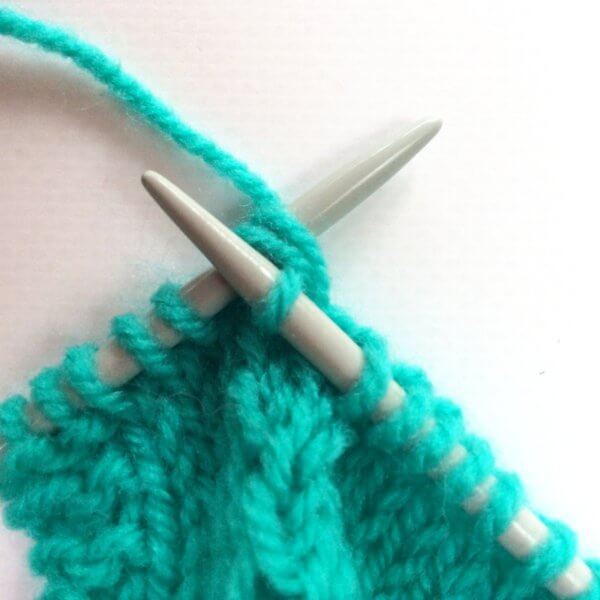
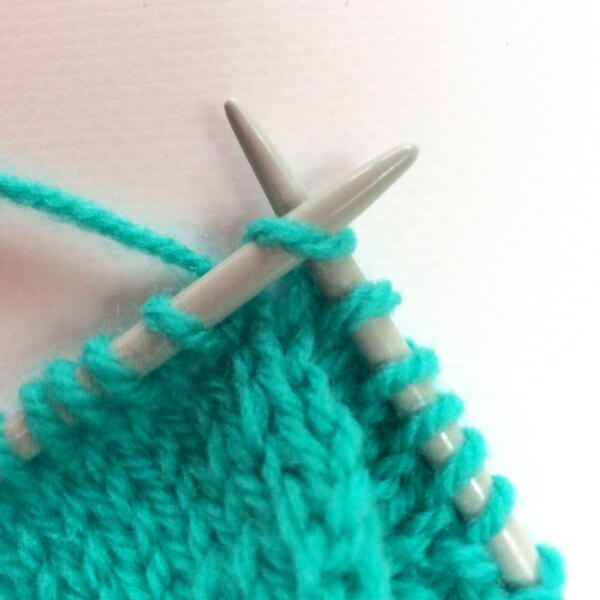
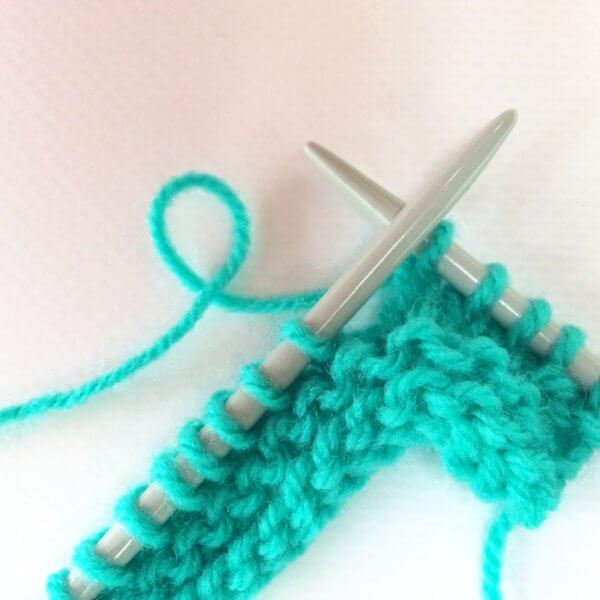
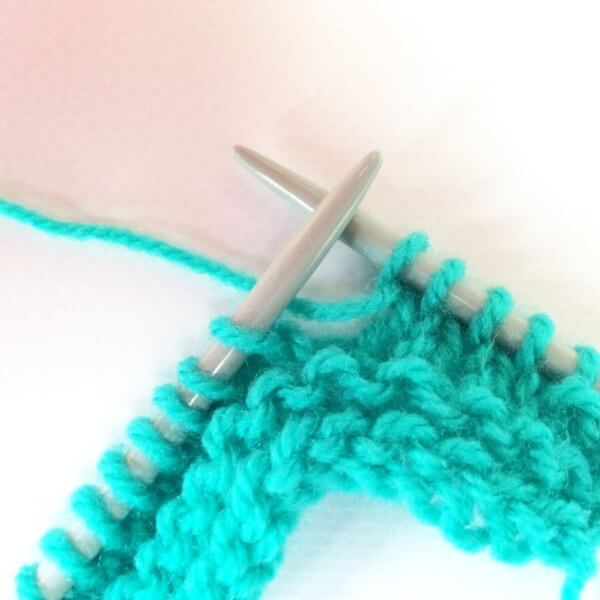
4. Now hold both the yarn tail and the yarn going back to the ball of yarn and pull them both to tighten the slipknot around the needle.

Making a slipknot - by La Visch Designs

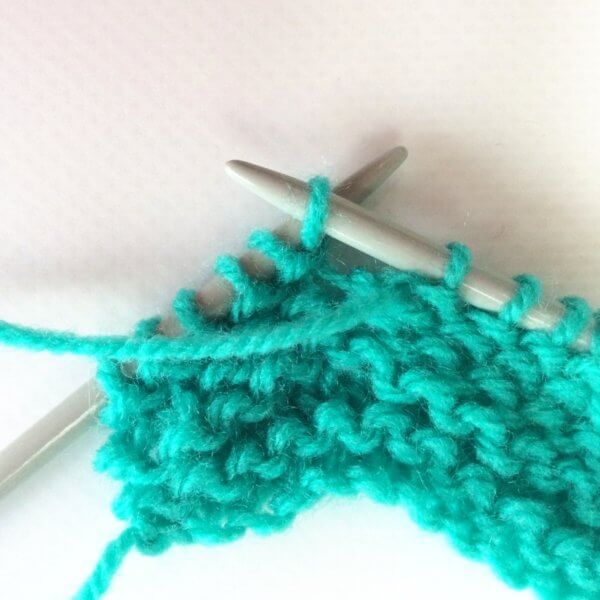
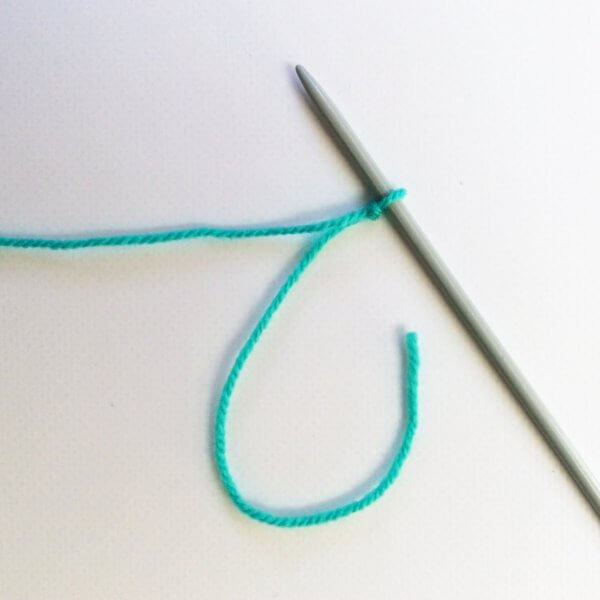
5. And there you have it: a lovely slipknot around your needle! You’re now ready to start casting on the remaining stitches needed for your project. You can for example use the knitted-on cast-on for this.

Making a slipknot - by La Visch Designs

Of course, it can be hard to visualize the motions needed to realize the above. For that very reason, I’ve also made a short video in which I show you how I make slipknots around my knitting needle. It doesn’t contain a spoken commentary, it’s really only to show you the motions!

tutorial – making a slipknot Read More ยป

art deco

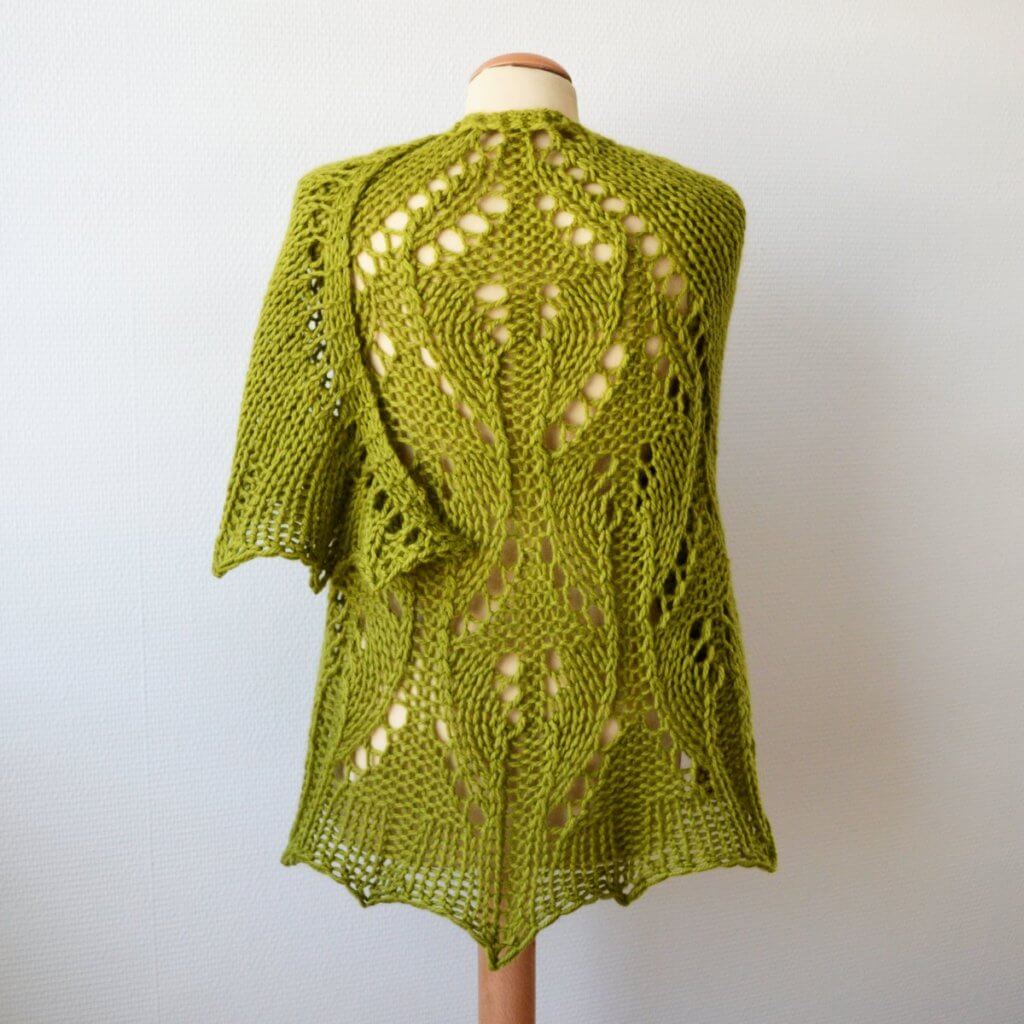
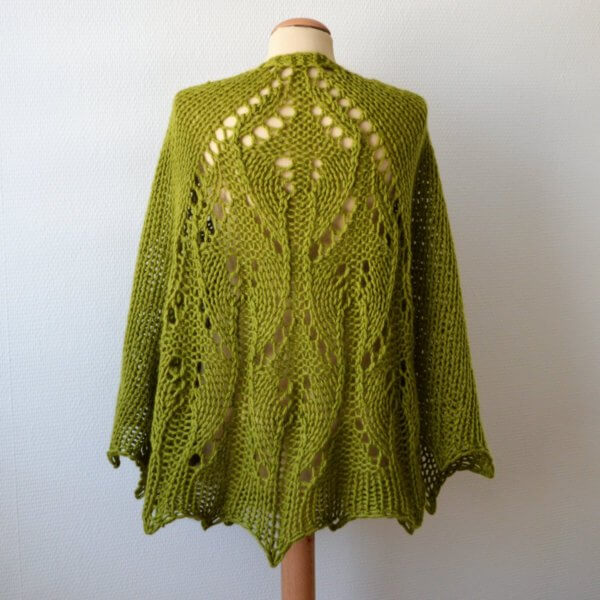
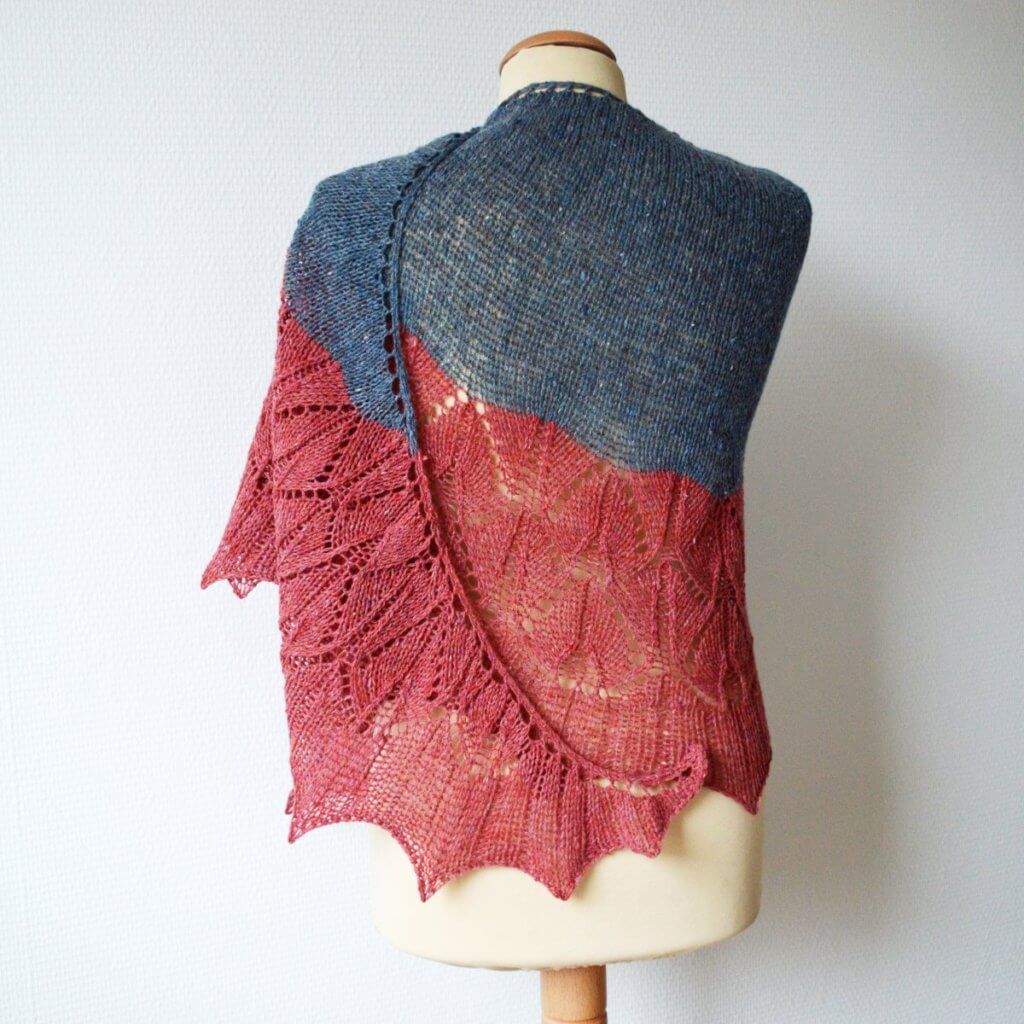
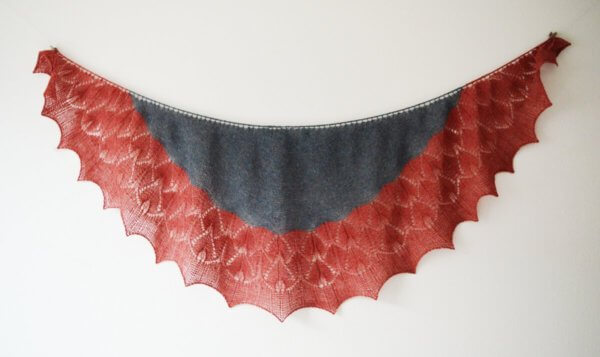
Art Deco shawl

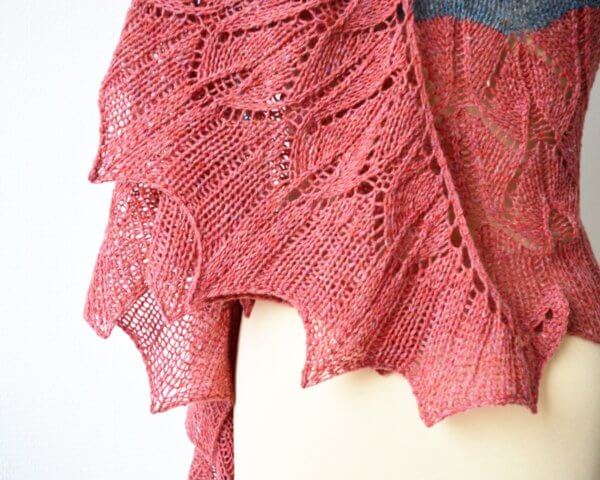
Art Deco is a crescent-shaped shawl worked from the top-down. The stylized flowers as commonly used in France, in the early days of Art Deco, inspired the flowers in the border of this design.

The shawl starts with a garter stitch tab. The body contains special shaping, which helps to avoid the โ€œbumpโ€ in the upper edge of the shawl, so often present in crescent shawl designs. The lace in the border is knit on both right side and wrong side rows. The instructions for the border of the shawl are provided both fully charted and written out.


Pay what you want: (minimum โ‚ฌ6.50)

โ‚ฌ

Add to cart


Difficulty level

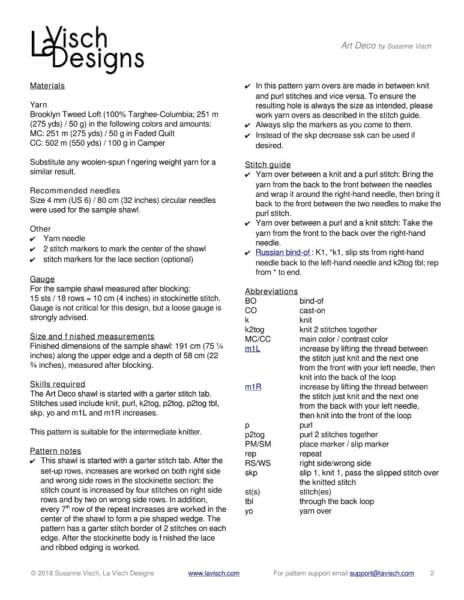
The Art Deco shawl starts with a garter stitch tab. Stitches used include knit, purl, k2tog, p2tog, p2tog tbl, skp, yo and m1L and m1R increases. This pattern is suitable for the intermediate knitter.

Sizes and finished measurements

One size: Finished dimensions of the sample shawl: 191 cm (75 ยผ inches) along the upper edge and a depth of 58 cm (22 ยพ inches), measured after blocking.

Pattern details

  • Gauge: Approx. 15 sts / 18 rows = 10 cm (4 inches) over stockinette, measured after blocking. While gauge is not critical in this design, a loose gauge gives the best result.
  • Pattern languages included: English and Dutch (Dit patroon omvat zowel een Nederlandse als een Engelse versie)
  • Digital PDF has 6 pages (letter size)

Materials

  • Yarn: Brooklyn Tweed Loft (100% Targhee-Columbia; 251 m (275 yds) / 50 g) in the following colors and amounts:
    MC: 251 m (275 yds) / 50 g in Faded Quilt
    CC: 502 m (550 yds) / 100 g in Camper
  • Size 4 mm (US 6) / 80 cm (32 inches) circular needles
  • Yarn needle
  • 2 stitch markers to indicate the center stitches
  • Stitch markers for the lace section (optional)

art deco Read More ยป

tutorial: garter tab CO for top-down crescents

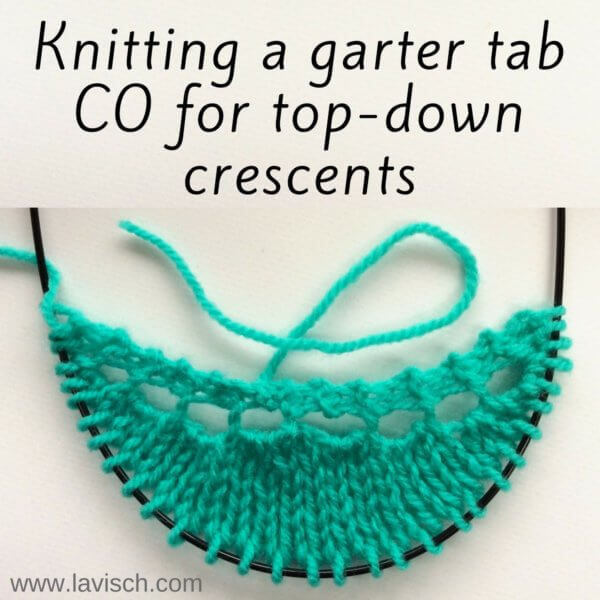
Garter tab CO for top-down crescents - a tutorial by La Visch Designs

Many top-down shawl patterns start with a garter tab cast-on because it creates a lovely seamless start of any shawl. Most people will be familiar with this cast-on for traditional top-down triangle shawls. A tutorial on working such a garter tab cast-on can be found here. But what to do when starting a top-down crescent type shawl?

This type of shawl usually has a different increase rate when compared with traditional triangles. With the latter, the stitch count is increased by 4 on all right-side rows. With a top-down crescent though, increases are worked on both right side and wrong side rows: the stitch count is increased by 4 stitches on right-side rows and by 2 on wrong-side rows. When the wrong-side row increases are yarn overs, you get a rather decorative eyelet edge to your shawl. This makes it, however, harder to make your garter tab blend in invisibly. And this is where this tutorial on knitting garter tab CO for top-down crescents comes in!

As with all garter tabs, they can be a bit fiddly to work, especially when working with very skinny yarn. However, donโ€™t let that deter you from knitting patterns that use this cast on: with the below step-by-step instructions and tips you are sure to master this technique.

In this example I used the following garter tab instructions, to get a 7 stitch start including 2 edge stitches on each side:

CO 2 sts and knit 6 rows. Turn work 90 degrees clockwise, yo, then pick up 1 st from the second (middle) garter stitch ridge along the long edge and twist this st 360 degrees counterclockwise, then purl it, yo. Pick up and knit 2 sts along the cast on edge. (7 sts).

Materials

Besides yarn and knitting needles Iโ€™m also using 3 removable stitch markers, one preferably in a different color or size.
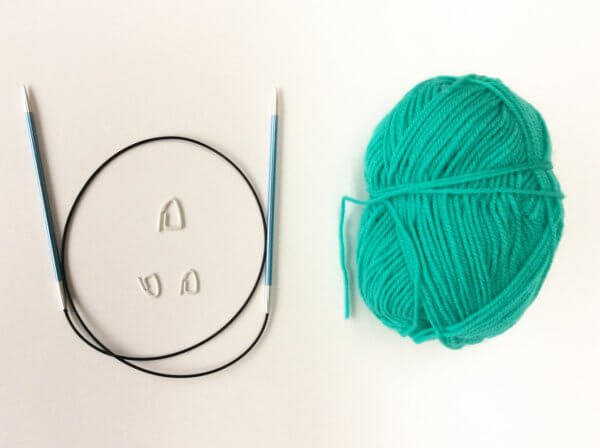
Garter tab CO for top-down crescents - a tutorial by La Visch Designs

The garter tab CO for top-down crescents step by step

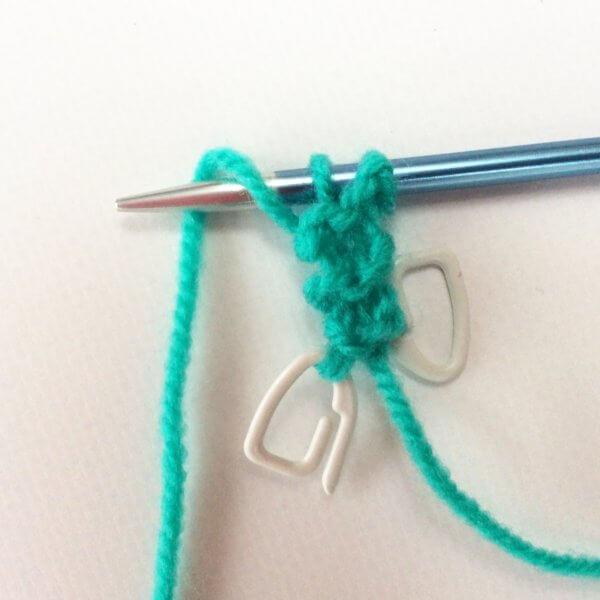
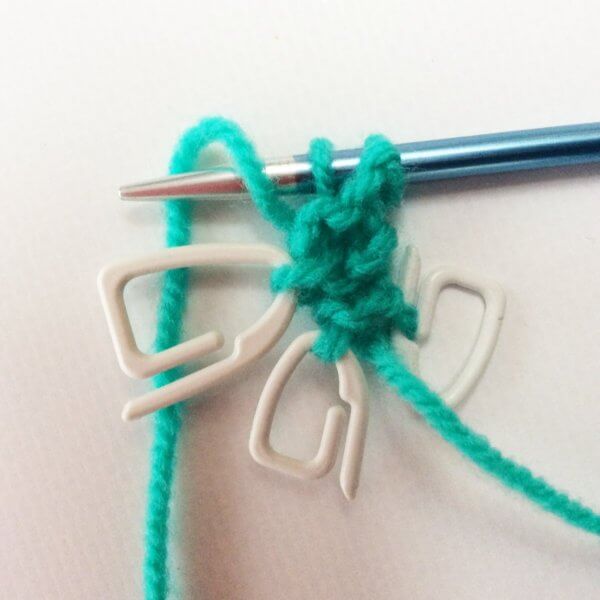
1. Cast-on two stitches using your preferred cast-on method. In this example, Iโ€™m using the knitted on cast-on. Place markers in each of every cast-on stitch, this will make it easier to pick them up later on. I attached them to the back legs of the stitches to keep the markers out of the way.
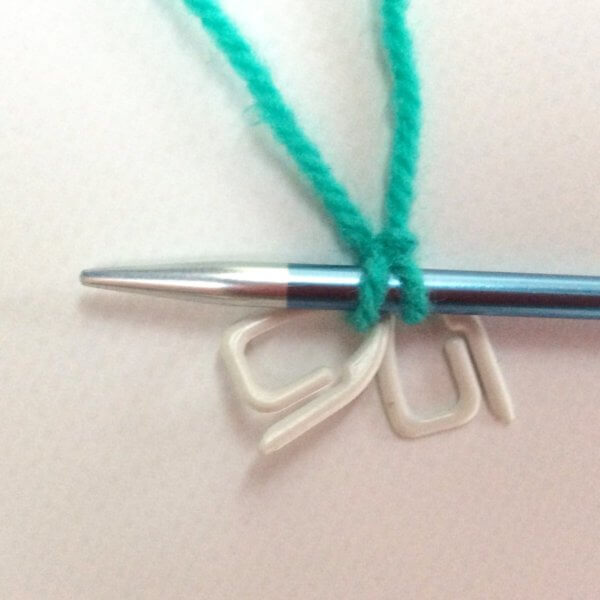
Garter tab CO for top-down crescents - a tutorial by La Visch Designs

2. Work 6 rows in garter stitch (knit every row). This will give you 3 ridges.
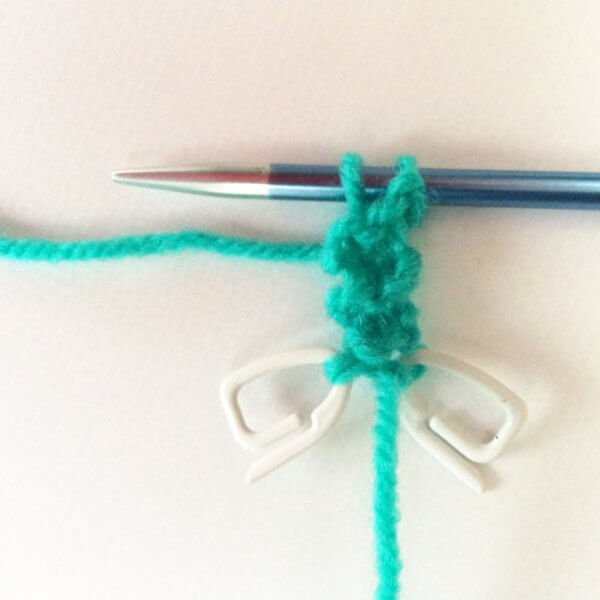
Garter tab CO for top-down crescents - a tutorial by La Visch Designs

3. Then turn your work โ€“ still on the right-hand needle โ€“ 90 degrees clockwise and yo.

Garter tab CO for top-down crescents - a tutorial by La Visch Designs

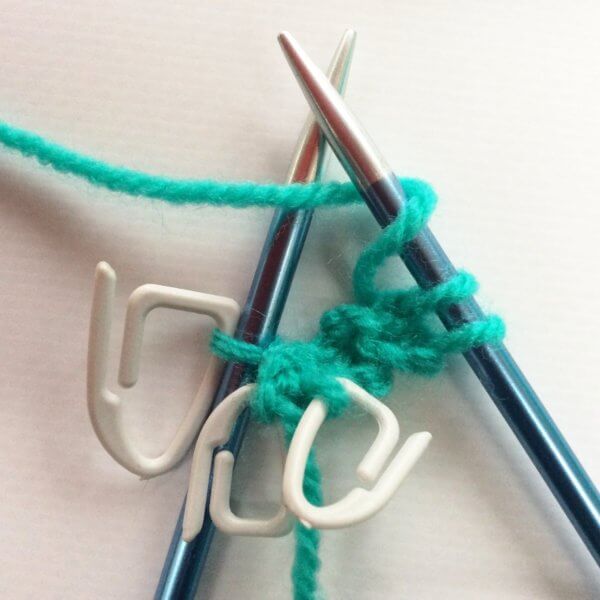
4. Next, insert the remaining stitch marker in the purl bump from the middle of the 3 ย garter ridges along the edge.

Garter tab CO for top-down crescents - a tutorial by La Visch Designs

5. Use the stitch marker to twist the stitch it is inserted in 360 degrees counterclockwise (2 twists).
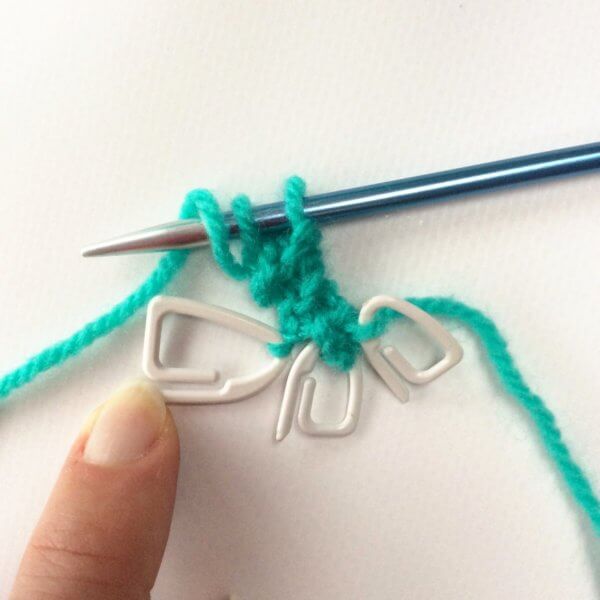
Garter tab CO for top-down crescents - a tutorial by La Visch Designs

6. Next, insert the left-hand needle in the twisted stitch โ€ฆ.

Garter tab CO for top-down crescents - a tutorial by La Visch Designs

7. โ€ฆ. and purl this stitch. The reason Iโ€™m purling this stitch here is that it makes sure that after casting on I can continue straight away with a right side row for stockinette. If you want reverse stockinette or garter stitch, this stitch should be knit instead of purled. It looks like this after this step:
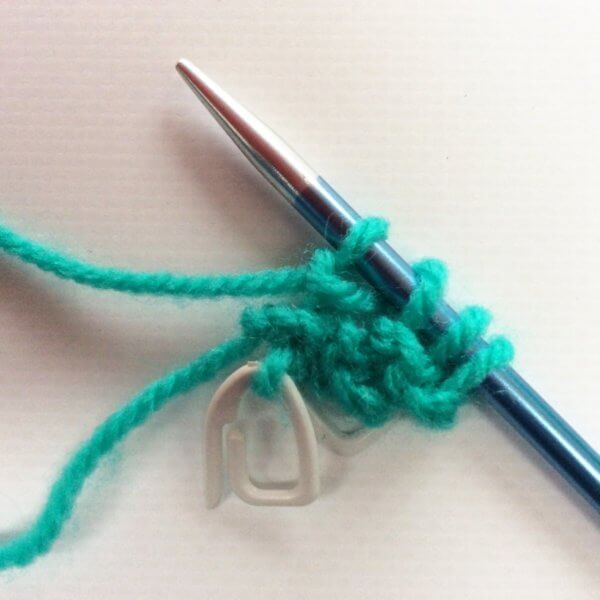
Garter tab CO for top-down crescents - a tutorial by La Visch Designs

8. Next, yo again.

Garter tab CO for top-down crescents - a tutorial by La Visch Designs

9. Turn your work 90 degrees clockwise again and pick up and knit the first marked stitch along the cast-on edge. These stitches can be a tad hard to see, but because we marked them in step 1 this really isnโ€™t an issue.

Garter tab CO for top-down crescents - a tutorial by La Visch Designs

10. Now pick up and knit the second marked stitch along the cast-on edge.
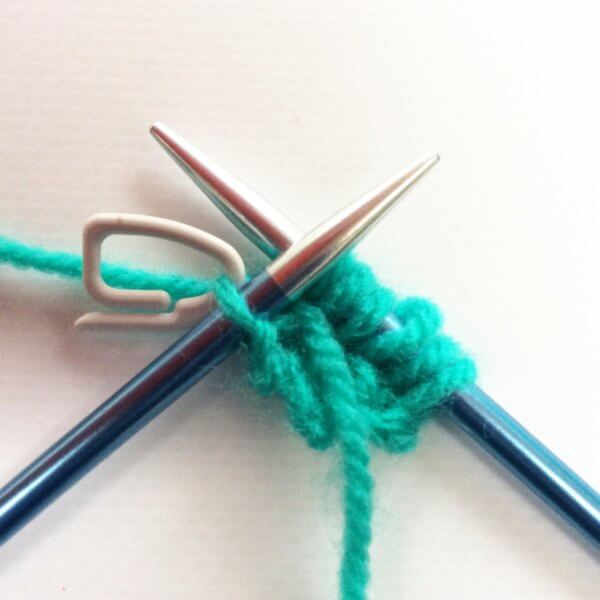
Garter tab CO for top-down crescents - a tutorial by La Visch Designs

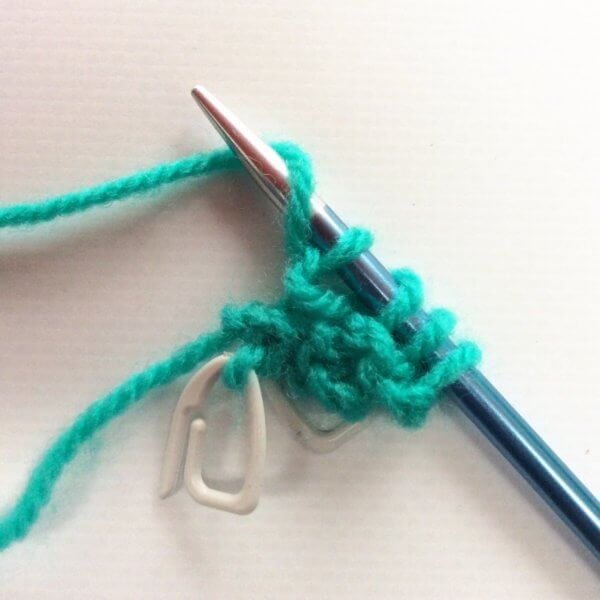
11. There you have it: a garter tab CO for top-down crescents! There are now 7 stitches: 2 stitches on either end which will become the garter edge stitches, and 3 stitches in the middle which will become the body of your shawl. You are now ready to start the rest of your pattern!
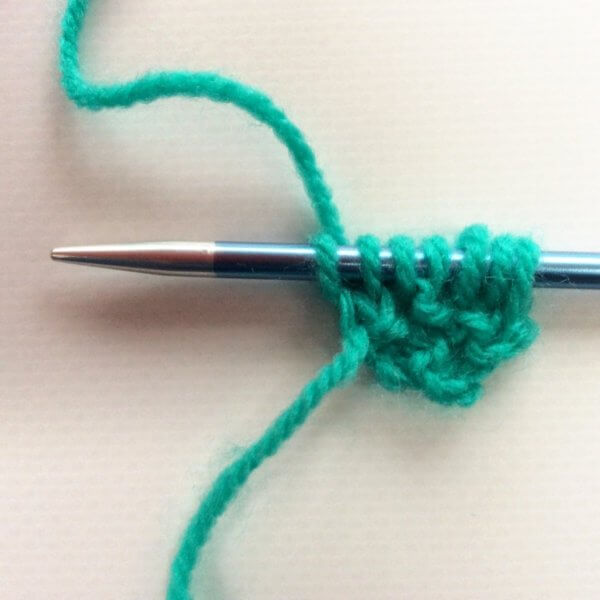
Garter tab CO for top-down crescents - a tutorial by La Visch Designs

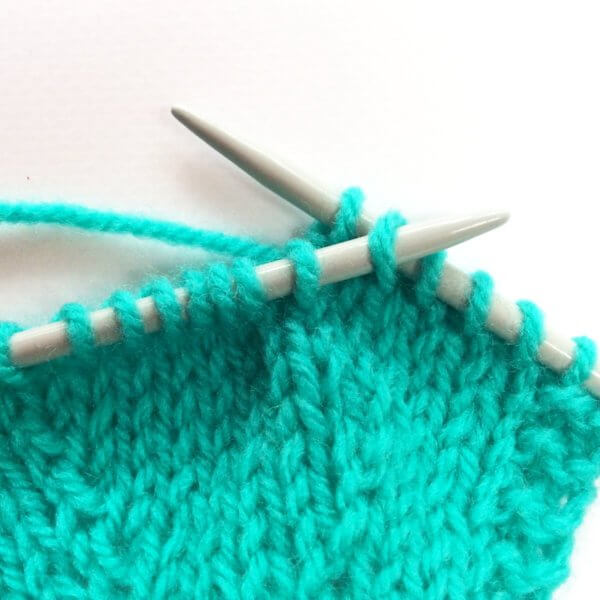
In the little swatch shown below, Iโ€™ve knitted some more rows in the following format:

Row 1 (RS): K2, (k1, yo, k1) in next st, k to 3 sts before end, (k1, yo, k1) in next st, k2.
Row 2 (WS): K2, yo, p to 2 sts before end, yo, k2.

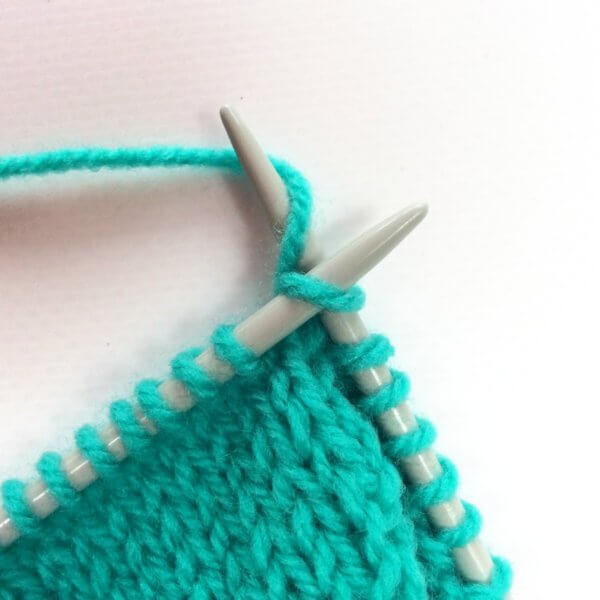
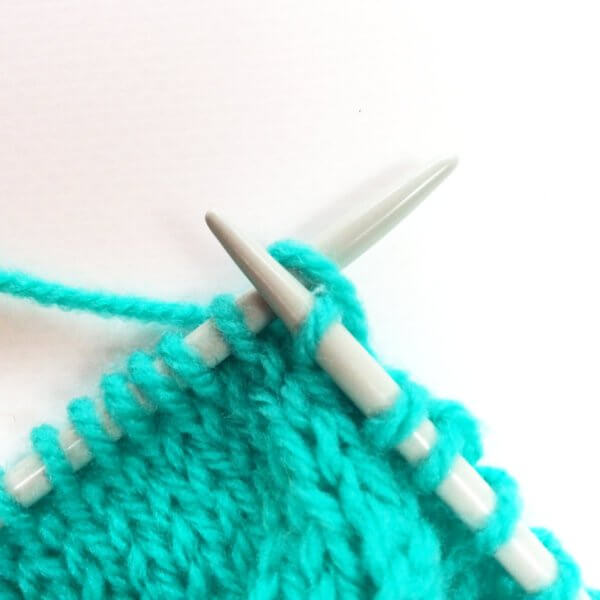
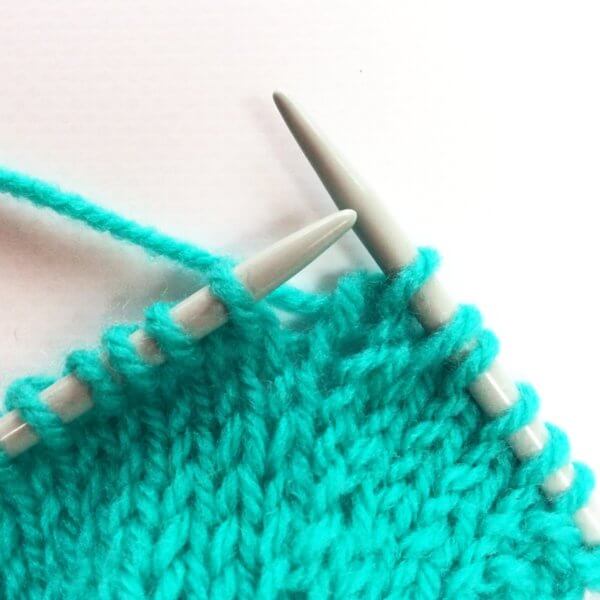
Do you see how well this garter tab cast-on blends in? I canโ€™t see where the cast-on ends and the rest of the shawl begins! And thatโ€™s how I like it.

Garter tab CO for top-down crescents - a tutorial by La Visch Designs

tutorial: garter tab CO for top-down crescents Read More ยป

chocolate raspberry waffles

Chocolate Raspberry Waffles cowl

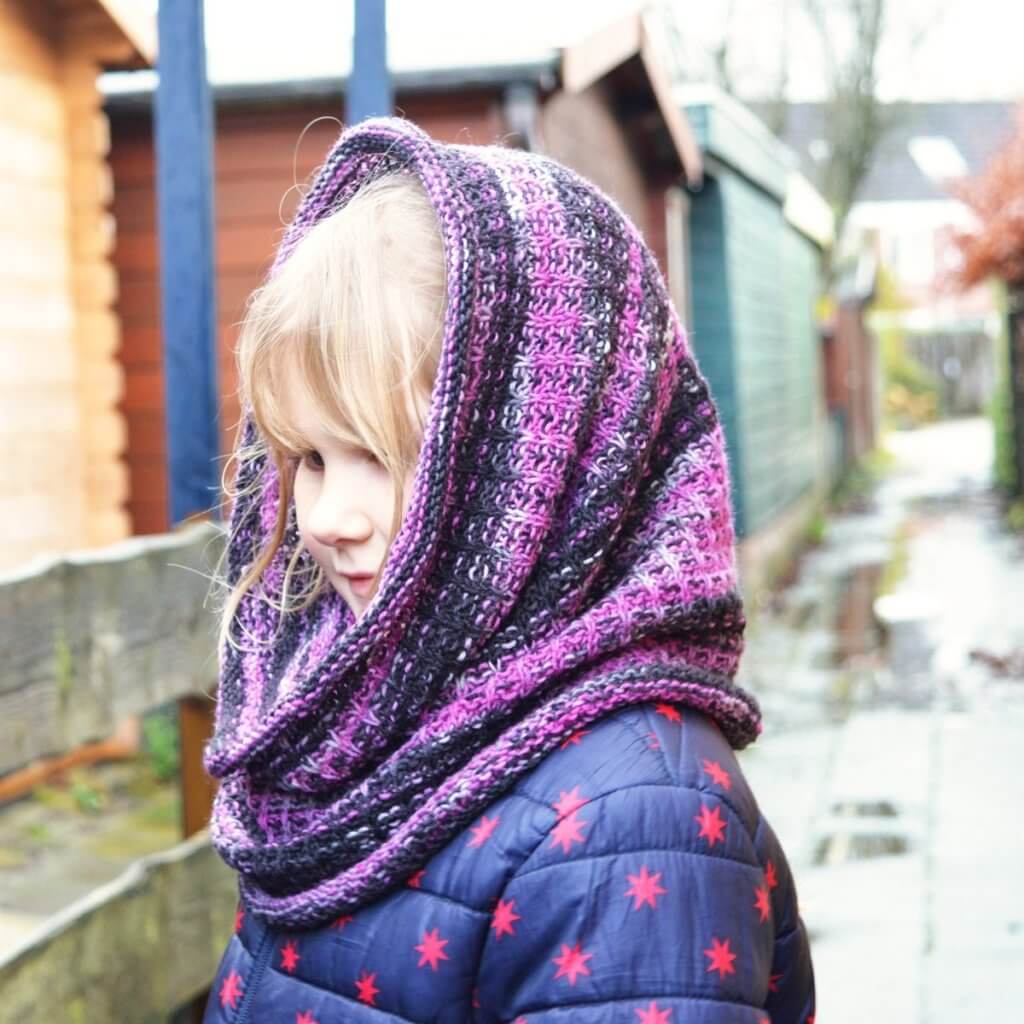
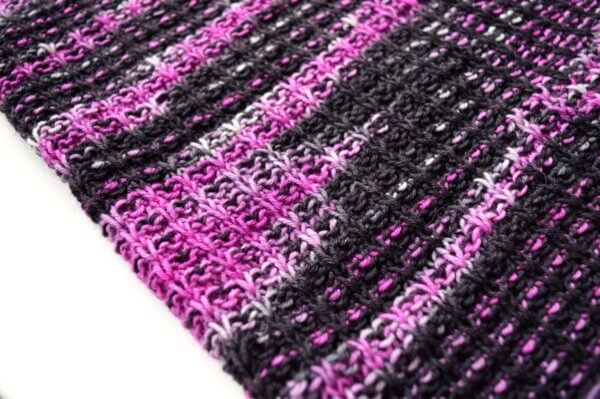
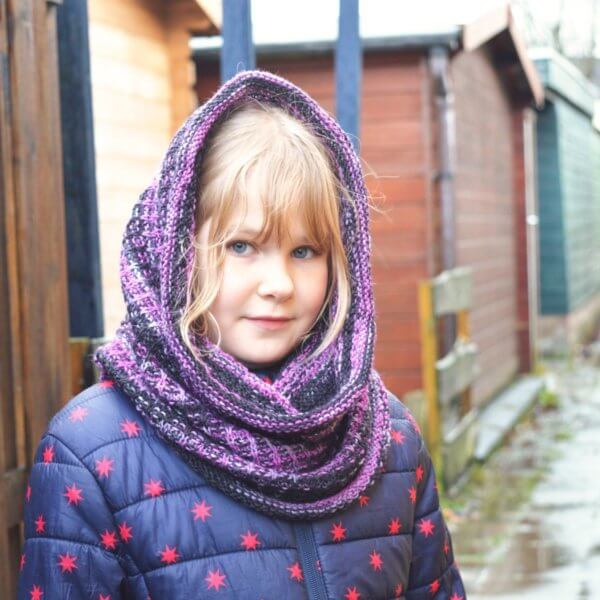
The Chocolate Raspberry Waffles cowl is just the pattern for those times that you want a mindless knit. Using slip-stitch patterning, itโ€™s designed to break up the color pooling and flashing often seen with hand-dyed yarns.
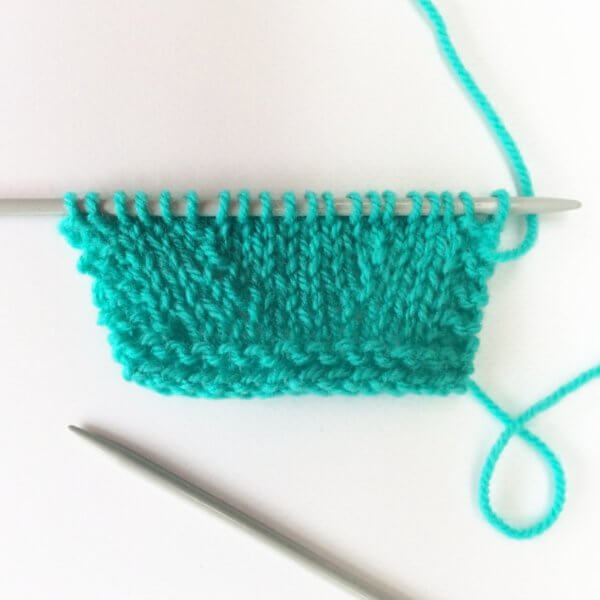
This cowl is worked in the round. The pattern is suitable for the advanced beginner.


Pay what you want: (minimum โ‚ฌ5.50)

โ‚ฌ

Add to cart


Difficulty level

This cowl is worked in the round. Stitches used include knit, purl and slip stitches. This pattern is suitable for the advanced beginner.

Sizes and finished measurements

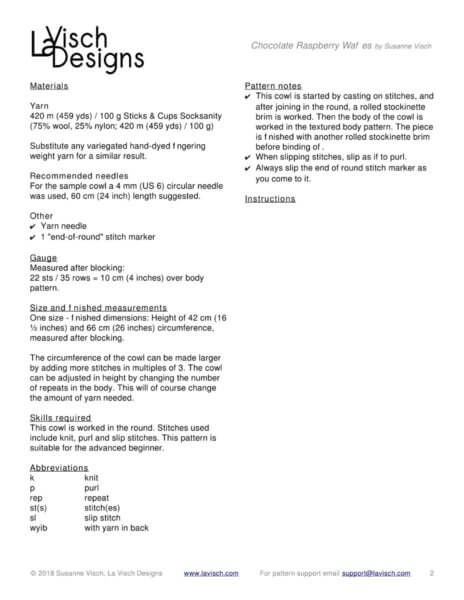
One size – finished dimensions: Height of 42 cm (16 ยฝ inches) and 66 cm (26 inches) circumference, measured after blocking.

Pattern details

  • Chocolate Raspberry Waffles is written for a gauge of approx. 22 sts / 35 rows = 10 cm (4 inches) over body pattern, measured after blocking. Gauge is however not critical in this design.
  • Pattern languages included: English and Dutch (Dit patroon omvat zowel een Nederlandse als een Engelse versie)
  • Digital PDF has 2 pages (letter size)

Materials

  • Yarn: 420 m (459 yds) / 100 g Sticks & Cups Socksanity (75% wool, 25% nylon; 420 m (459 yds) / 100 g). Substitute any variegated hand-dyed fingering weight yarn for a similar result.
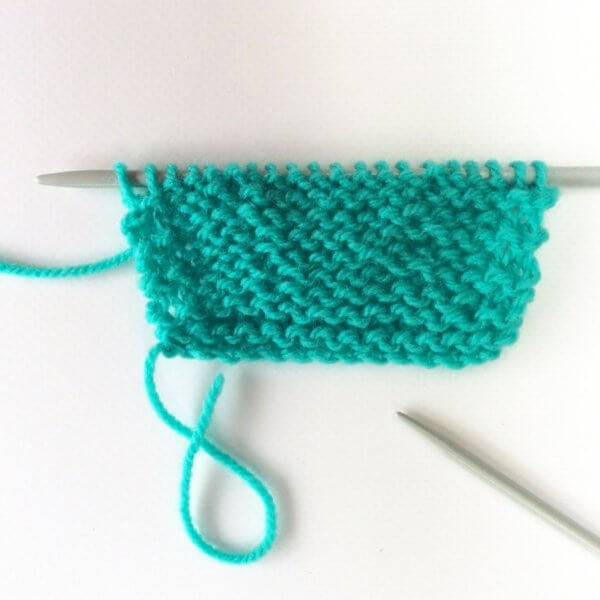
  • Size 4 mm (US 6) / 60 cm (24 inches) circular needles
  • Yarn needle
  • 1 “end-of-round” stitch marker

chocolate raspberry waffles Read More ยป

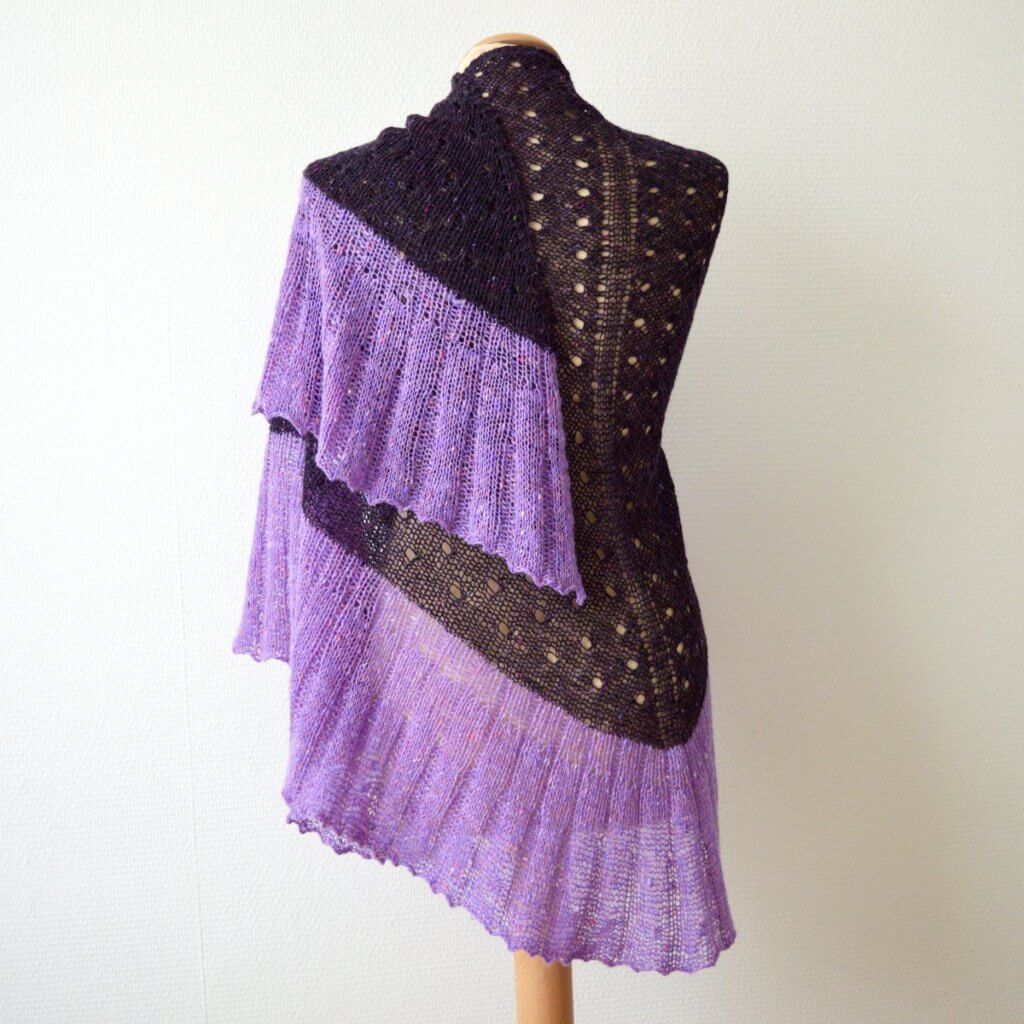
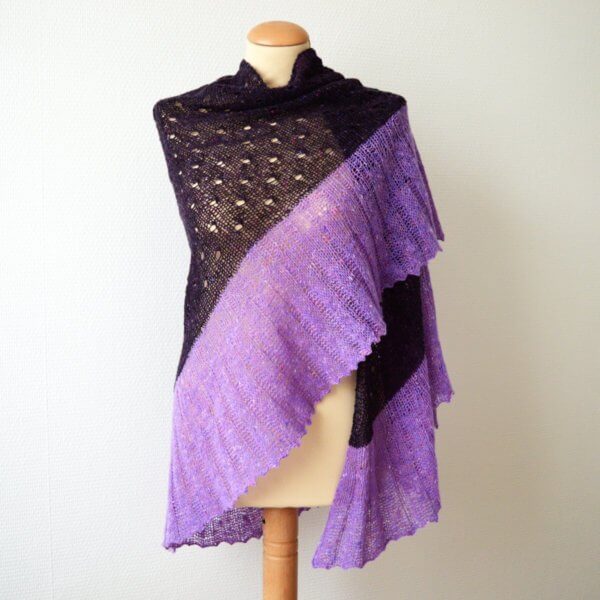
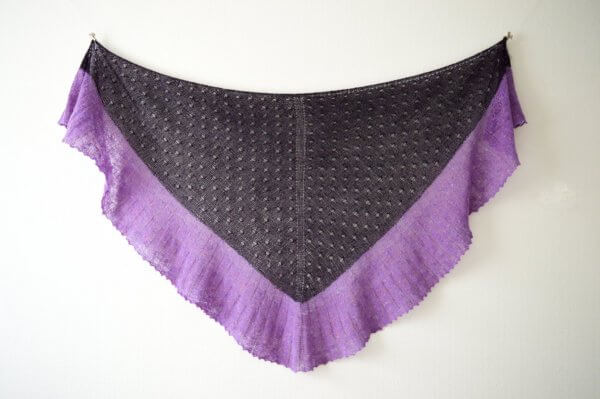
arugula

Arugula shawl

Arugula is a shawl in 2 sizes, designed to use the lovely rustic tweedy yarn pictured in the sample. In this design, it is paired with a flouncy ribbed ruffle in a contrasting solid color. A relatively mindless knitting project that gives a wonderful end result.
This shawl is knitted from the top-down in one piece, starting at the neck edge with a garter tab. The instructions for the body of the shawl are provided charted and written out. The ruffled edging is written only.


Pay what you want: (minimum โ‚ฌ6.50)

โ‚ฌ

Add to cart


Difficulty level

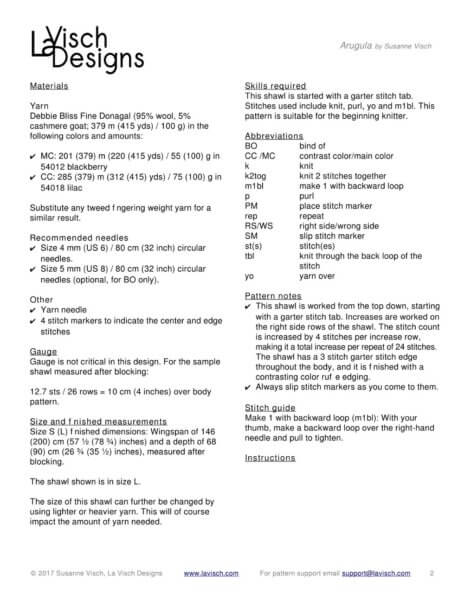
This shawl is started with a garter stitch tab. Stitches used include knit, purl, yo and m1bl. This pattern is suitable for the beginning knitter to intermediate knitter.

Sizes and finished measurements

Size S (L) finished dimensions: Wingspan of 146 (200) cm (57 ยฝ (78 ยพ) inches) and a depth of 68 (90) cm (26 ยพ (35 ยฝ) inches), measured after blocking. The shawl shown is in size L.

Pattern details

  • Arugula is written for a gauge of approx. 12.7 sts / 26 rows = 10 cm (4 inches) over body pattern, measured after blocking. Gauge is however not critical in this design.
  • Pattern languages included: English and Dutch (Dit patroon omvat zowel een Nederlandse als een Engelse versie)
  • Digital PDF has 4 pages (letter size)

Materials

  • Yarn: Debbie Bliss Fine Donagal (95% wool, 5% cashmere goat; 379 m (415 yds) / 100 g) in the following colors and amounts:
    MC: 201 (379) m (220 (415 yds) / 55 (100) g in 54012 blackberry
    CC: 285 (379) m (312 (415) yds) / 75 (100) g in 54018 lilac
    Substitute any tweed fingering weight yarn for a similar result.
  • Size 4 mm (US 6) / 80 cm (32 inches) circular needles
  • Size 5 mm (US 8) / 80 cm (32 inches) circular needles (optional, for BO only).
  • Yarn needle
  • 4 stitch markers to indicate the center and edge stitches

arugula Read More ยป

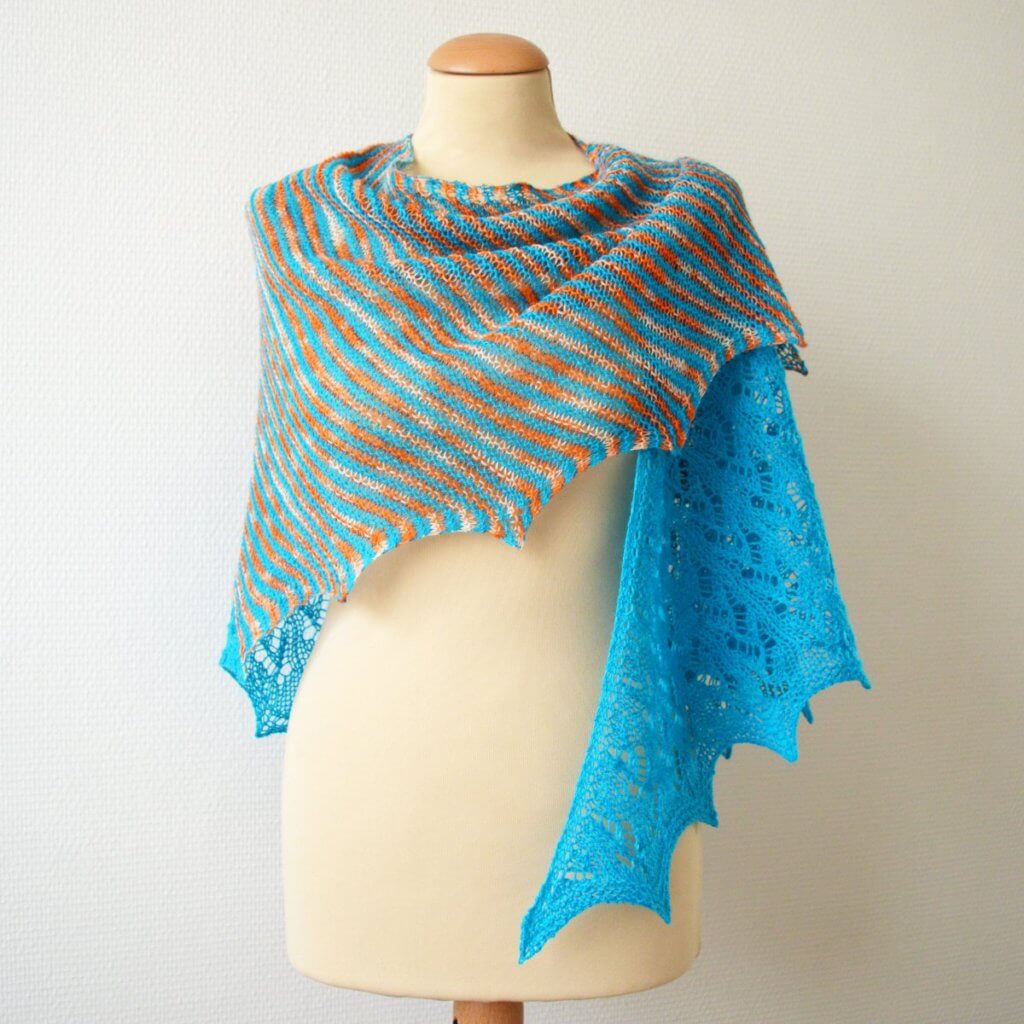
tangerine tango

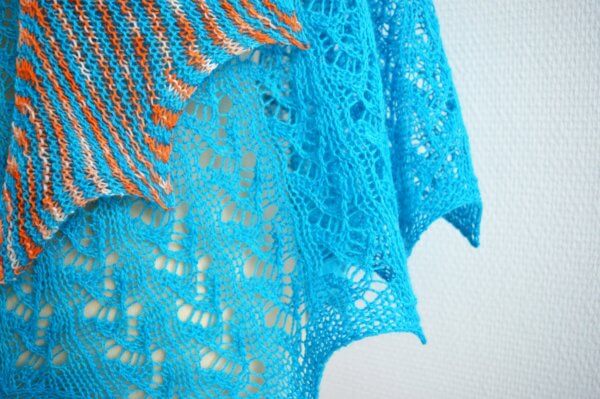
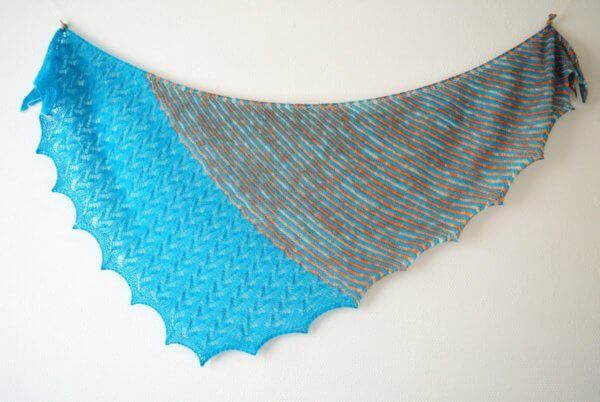
Tangerine Tango shawl

Tangerine Tango is a stylish triangular shawl knit sideways on the bias. The combination of striped garter stitch and lace makes it a perfect choice for those colors of fingering weight yarn that combine so well. With its generous size of 177 cm (69 ยพ inches) along the upper edge and a depth of 63 cm (24 ยพ inches), it is perfect to wear as an elegant scarf.

This pattern contains both fully written out as well as charted instructions for the lace section. The lace in the border is worked on both right side and wrong side rows. The shawl can be made larger by adding more repeats of the striped garter stitch section and/or by working more repeats of the lace section.


Pay what you want: (minimum โ‚ฌ6.50)

โ‚ฌ

Add to cart


Difficulty level

The lace in this pattern is worked on both RS and WS rows. Stitches used include knit, purl, yo, k2tog, p2tog, kfb and versions of these stitches knitted through the back loop. This pattern is suitable for the intermediate to advanced knitter.

Sizes and finished measurements

Finished dimensions of the sample shawl: 177 cm (69 ยพ inches) along the upper edge and a depth of 63 cm (24 ยพ inches), measured after blocking.

Pattern details

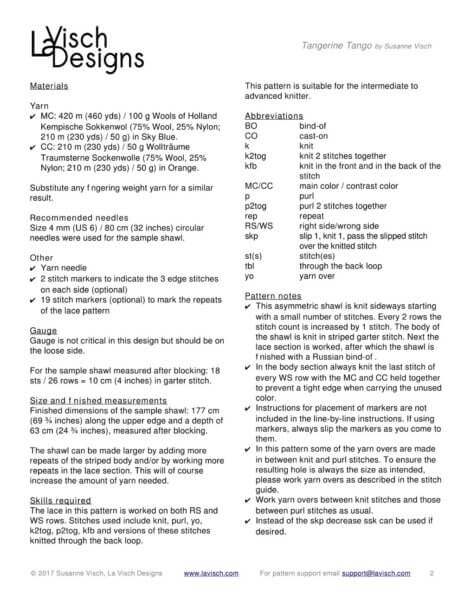
  • Tangerine Tango is written for a gauge of approx. 18 sts / 26 rows = 10 cm (4 inches) over garter stitch, measured after blocking. Gauge is however not critical in this design.
  • Pattern languages included: English and Dutch (Dit patroon omvat zowel een Nederlandse als een Engelse versie)
  • Digital PDF has 4 pages (letter size)

Materials

  • Yarn: MC: 420 m (460 yds) / 100 g Wools of Holland Kempische Sokkenwol (75% Wool, 25% Nylon; 210 m (230 yds) / 50 g) in Sky Blue.
    CC: 210 m (230 yds) / 50 g Wolltrรคume Traumsterne Sockenwolle (75% Wool, 25% Nylon; 210 m (230 yds) / 50 g) in Orange.
    Substitute any fingering weight yarn for a similar result.
  • Size 4 mm (US 6) / 80 cm (32 inches) circular needles
  • Yarn needle
  • 2 stitch markers to indicate the 3 edge stitches on each side (optional)
  • 19 stitch markers (optional) to mark the repeats of the lace pattern

tangerine tango Read More ยป

fish for Amiga

Fish for Amiga - a knitting pattern by La Visch Designs

My cat Amiga is crazy about Moeke Yarns Elena. And by crazy I mean the drooling and acting weird kind of crazy. I think it must be the slight sheepiness this yarn has. So, I thought I would make her day by creating something just for her made from this lovely yarn. The result: Fish for Amiga!

These small fish for Amiga are knit in the round. After closing the body, knit the tail flat back and forth. A photo tutorial on how to close the body of the fish is included in the pattern. Since only small amounts of yarn are used, this pattern is perfect for stash busting little odds and ends.


Pay what you want: (minimum โ‚ฌ3.00)

โ‚ฌ

Add to cart


Difficulty level

Techniques used include Judyโ€™s Magic Cast On and knitting in the round. Stitches used include knit, purl, skp, k2tog and m1. This pattern is suitable for the intermediate knitter.

Sizes and finished measurements

Size S (L): Height of 3.5 (6.5) cm (1 ยฝ (2 ยฝ ) inches) and a length of 9 (14) cm (3 ยฝ (5 ยฝ ) inches).

Pattern details

  • The gauge should be such that your stitches are tight enough not to show the stuffing. For the sample fish: 11 sts / 15 rows = 5 cm (2 inches) over stockinette.
  • Pattern languages included: English and Dutch (Dit patroon omvat zowel een Nederlandse als een Engelse versie)
  • Digital PDF has 4 pages (letter size)

Materials

  • Approx. 13 (33) m (15 (36) yds) / 4 (10) g of Moeke Yarns Elena Single (100% wool; 330 m (361 yds) / 100 g) in the sample Fish for Amiga. Substitute a sport to DK weight yarn for a similar result.
  • Needles in your preferred style for small circumference knitting in the round. For the sample fish: Size 3 mm (US 2 ยฝ) needles.
  • 1 extra needle in the same size as your main needles.
  • 4 stitch markers
  • 1 differently colored “end of round” marker
  • Fiberfill
  • Yarn needle

fish for Amiga Read More ยป

duizendknoop

Duizendknoop shawl

Duizendknoop: A shallow, triangle scarf, knit sideways. This design features a simple garter stitch body. The triangle edging, so reminiscent of the leaves of the Duizendknoop (Persicaria perfoliata), is knitted on at the same time. Worked at a loose gauge, Duizendknoop is a lovely and airy layering piece.

While written for a single skein of fingering weight yarn, this pattern can easily be adjusted for different amounts and weights of yarn. Instructions for the lace border are both written and charted.


Pay what you want: (minimum โ‚ฌ6.50)

โ‚ฌ

Add to cart


Difficulty level

This pattern features a garter stitch body with a lace edging worked simultaneously. Stitches used include knit, purl, k2tog, skp, kfb, m1 and yo. This pattern is suitable for the intermediate knitter.

Sizes and finished measurements

Finished dimensions of the sample shawl: 195 cm (76 ยพ inches) along the upper edge and a depth of 39 cm (15 ยผ inches), measured after blocking. Make the shawl larger by working more sections of the body pattern.

Pattern details

  • Duizendknoop is written for a gauge of approx. 18 sts / 22 rows = 10 cm (4 inches) over garter stitch, measured after blocking. Gauge is however not critical in this design.
  • Pattern languages included: English and Dutch (Dit patroon omvat zowel een Nederlandse als een Engelse versie)
  • Digital PDF has 5 pages (letter size)

Materials

  • 1 skein of Sock Marl by Dutch Wool Diva (50% Wool, 50% alpaca 400 m (437 yds) / 100 g) in โ€œKelpโ€. Substitute any fingering weight yarn in a semi-solid color for a similar result.
  • Size 4 mm (US 6) / 80 cm (32 inches) circular needles
  • Yarn needle
  • 1 stitch marker

duizendknoop Read More ยป

humdrum

Humdrum

Humdrum is a straightforward hat with a brim in rick-rack rib and a simple stockinette body. The perfect project for that one special skein of sock yarn. Due to the amount of stockinette stitch, Humdrum makes for wonderful mindless knitting. A wonderful plain hat to both knit and wear!

This pattern contains instructions for a range of children and adult sizes. Humdrum is completely seamless and knitted from the bottom up.


Pay what you want: (minimum โ‚ฌ4.90)

โ‚ฌ

Add to cart


Difficulty level

Work Humdrum in the round, starting at the brim. Rick rack ribbing is worked, stitches are increased around, and the body of the hat is worked in stockinette. Next, the stitches are decreased for the crown. Stitches used in this design include knit, purl, k2tog, and the M1 increase. This pattern is suitable for the advanced beginner to intermediate knitter.

Size and finished measurements

Preemie (Newborn, Baby, Toddler, Child) {Adult S, M, L} with a circumference of approx. 27 (33, 38.5, 43.5, 47) {50.5, 55.5, 57.5} cm or 10 ยฝ (13, 15 ยผ, 17, 18 ยฝ) {19 ยพ, 21 ยพ, 22 ยฝ} inches in the brim of the hat.

When choosing your hat size, please choose one that is 2.5-5 cm (1-2 inches) smaller than the actual head circumference of the intended wearer.

Pattern details

  • Gauge: 26 sts / 36 rounds = 10 cm (4 inch) over stockinette after blocking.
  • Pattern languages included: English and Dutch (Dit patroon omvat zowel een Nederlandse als een Engelse versie).
  • Digital PDF has 4 pages (letter size).

Materials

  • Scheepjes Invicta Extra [75% wool, 25% nylon; 210 m (230 yds) / 50 g] in the following amounts: 44 (63, 91, 122, 156) {197, 240, 266} m or 48 (68, 100, 134, 172) {217, 263, 293} yds / 11 (15, 22, 30, 37) {47, 57, 64} g. Substitute any fingering weight yarn for a similar result.
  • Knitting needles in your preferred style for small circumference knitting in the round in the following size (or to match gauge): Size 3 mm (US 2 1/2)
  • Yarn needle
  • 7 stitch markers
  • 1 differently colored end-of-round stitch marker

humdrum Read More ยป

scuba

Scuba shawl

Scuba is a simple yet stylish triangular shawl knit sideways on the bias. The combination of garter stitch and simple lace makes it a perfect choice for that skein of gradient yarn with long color runs. With its generous size of 195 cm (76 ยพ inches) along the upper edge and a depth of 61 cm (24 inches), it is perfect to wear as an elegant scarf.

The pattern contains both fully written out as well as charted instructions for the lace section.


Pay what you want: (minimum โ‚ฌ6.50)

โ‚ฌ

Add to cart


Difficulty level

Stitches used include knit, yo, k2tog, kfb and a centered double decrease. This pattern is suitable for the intermediate knitter.

Sizes and finished measurements

Finished dimensions of the sample shawl: 195 cm (76 ยพ inches) along the upper edge and a depth of 61 cm (24 inches), measured after blocking.

Enlarge the shawl by adding more repeats of the garter stitch and/or by working more repeats of the lace section. This will, of course, increase the amount of yarn needed.

Pattern details

  • Scuba is written for a gauge of approx. 14 sts / 20 rows = 10 cm (4 inches) over garter stitch, measured after blocking. Gauge is however not critical in this design.
  • Pattern languages included: English and Dutch (Dit patroon omvat zowel een Nederlandse als een Engelse versie)
  • Digital PDF has 4 pages (letter size)

Materials

  • Kauni Wool 8/2 Effektyarn (100% wool; 560 m (612 yds) / 140 g) in blue-green. Substitute any fingering weight yarn with long color runs for a similar result.
  • Size 4 mm (US 6) / 80 cm (32 inches) circular needles
  • Yarn needle

scuba Read More ยป