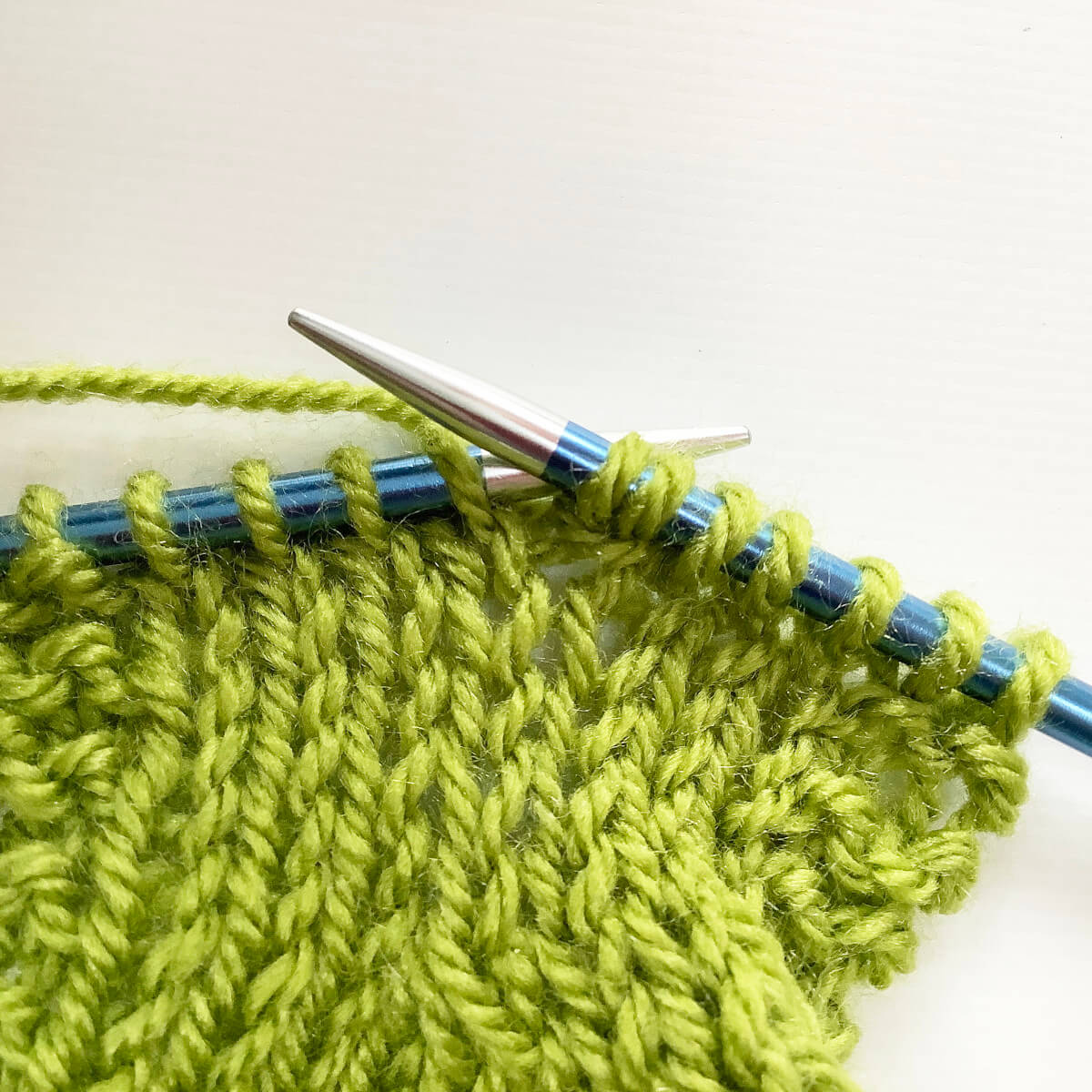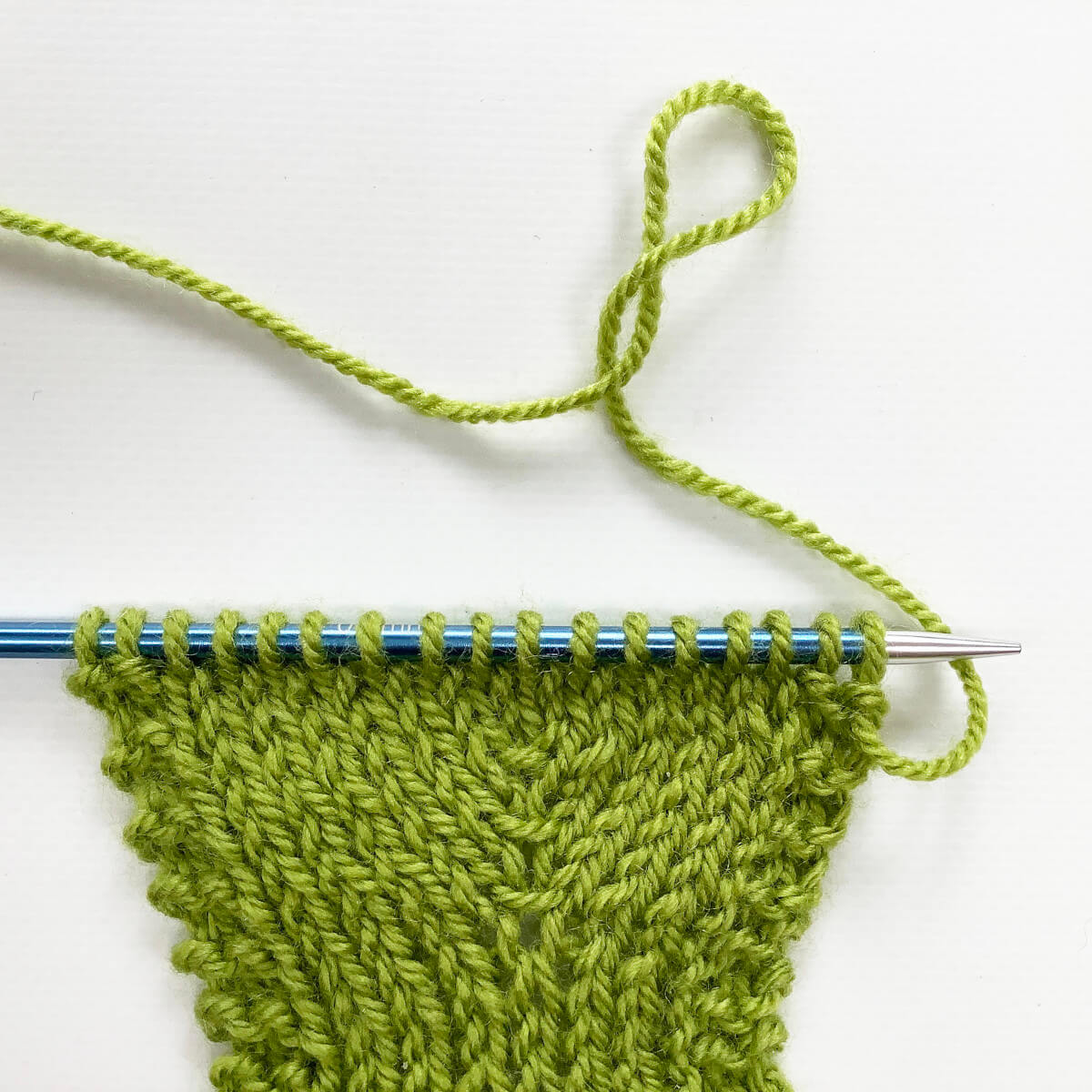
knitting tutorial

tutorial – working the bunny ears decrease
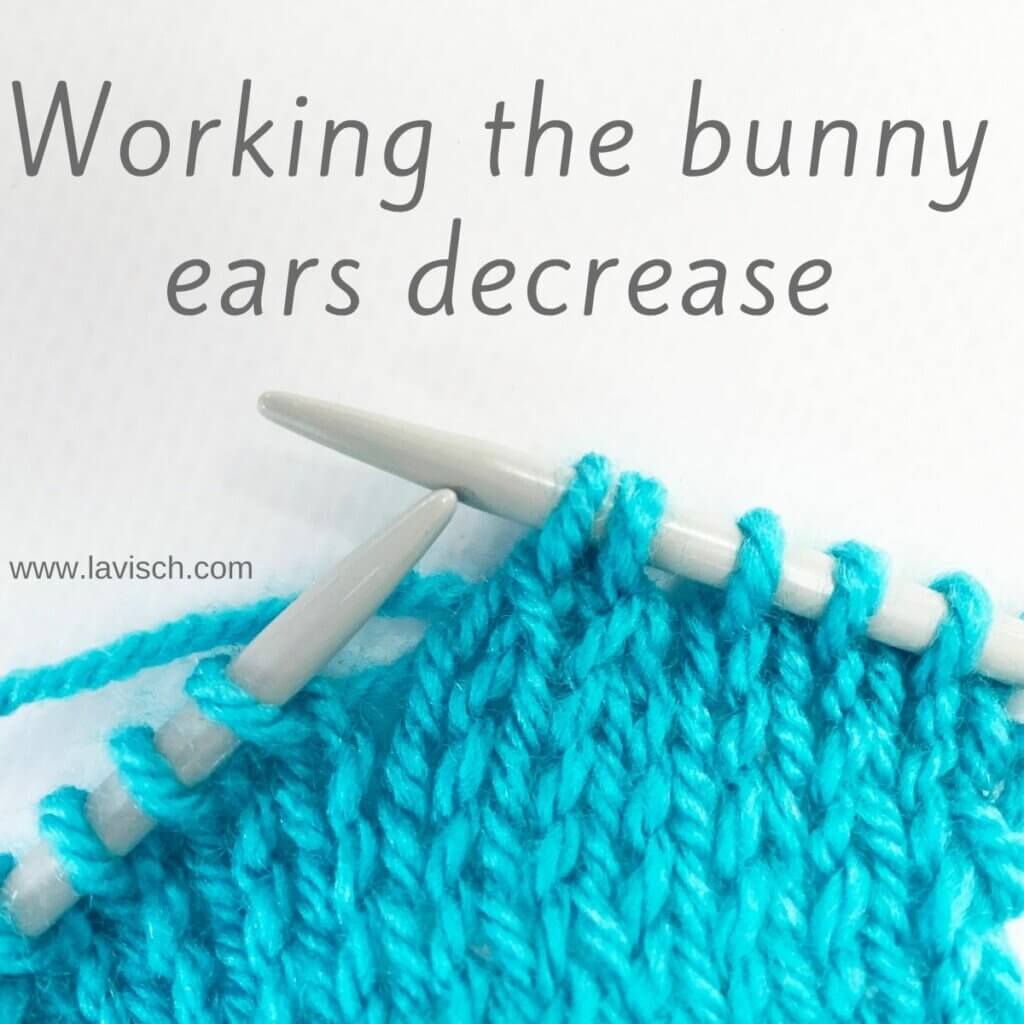
Tutorial on working the bunny ears decrease

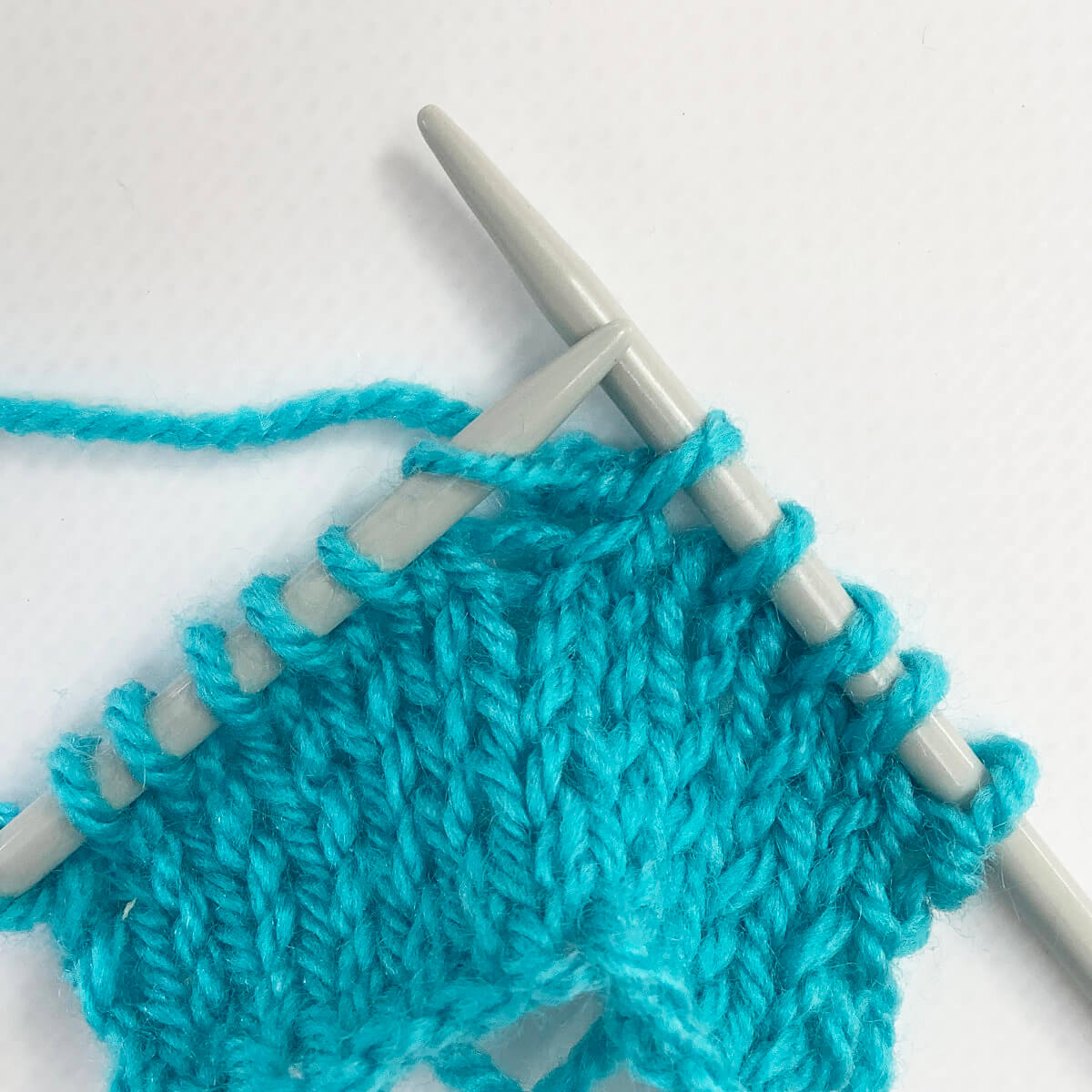
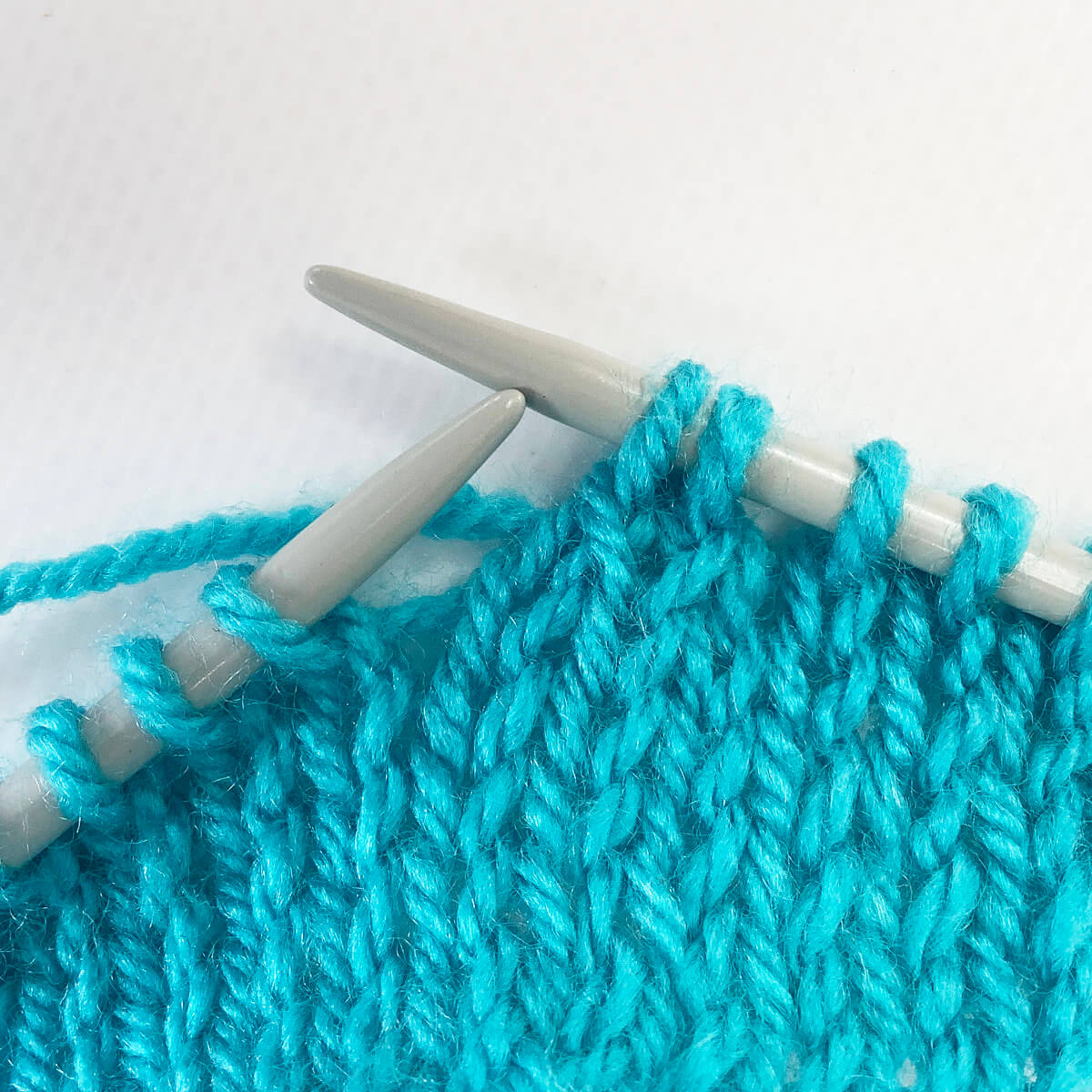
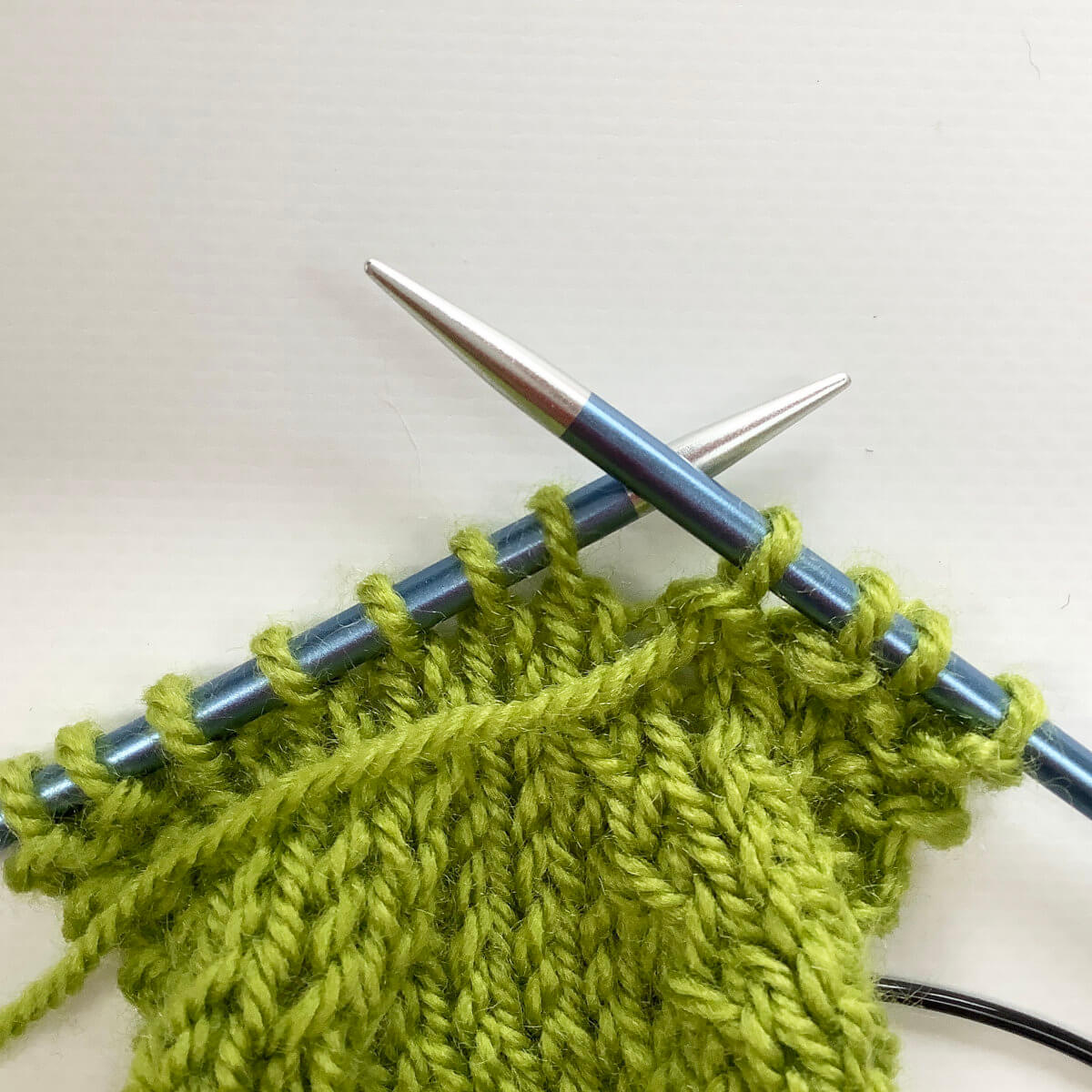
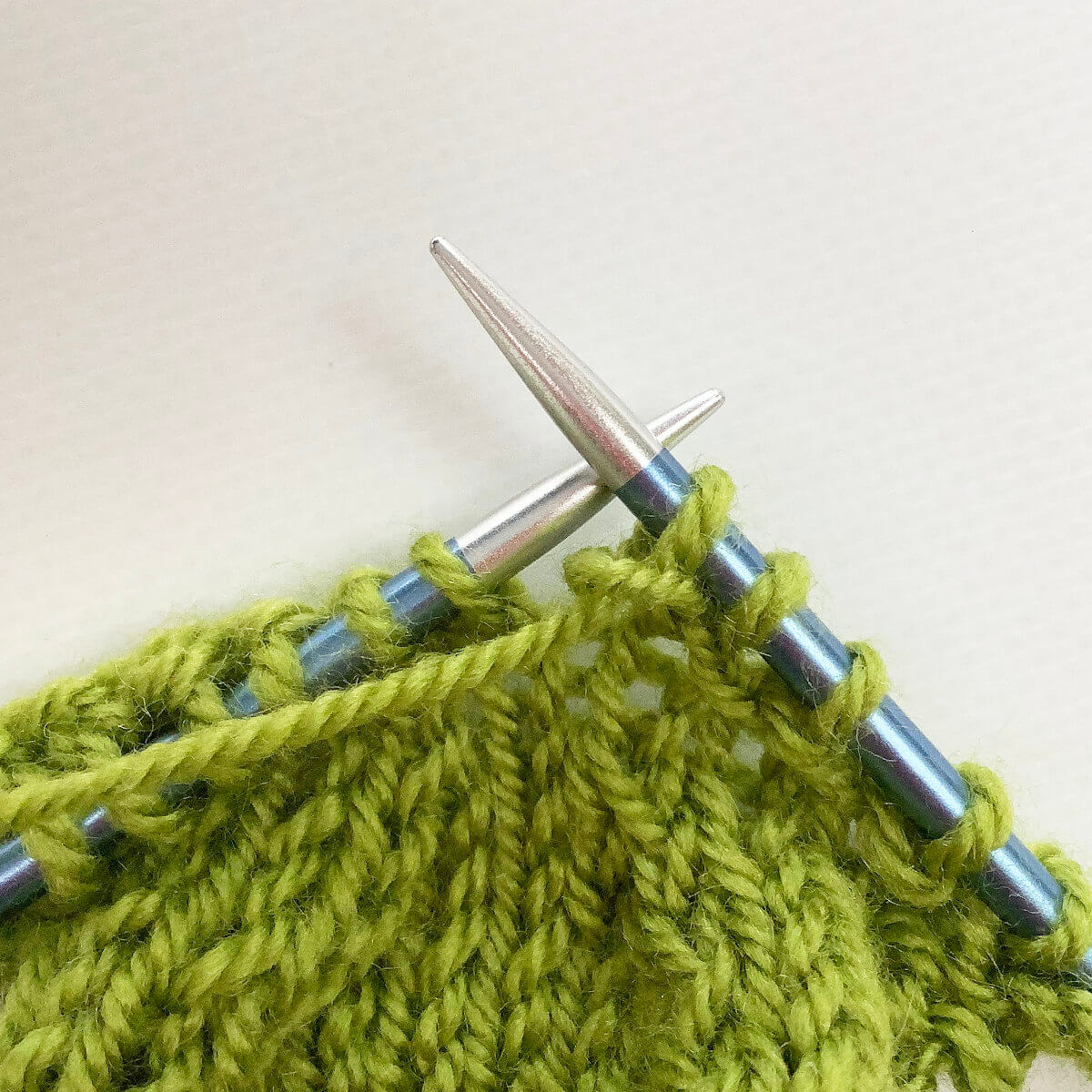
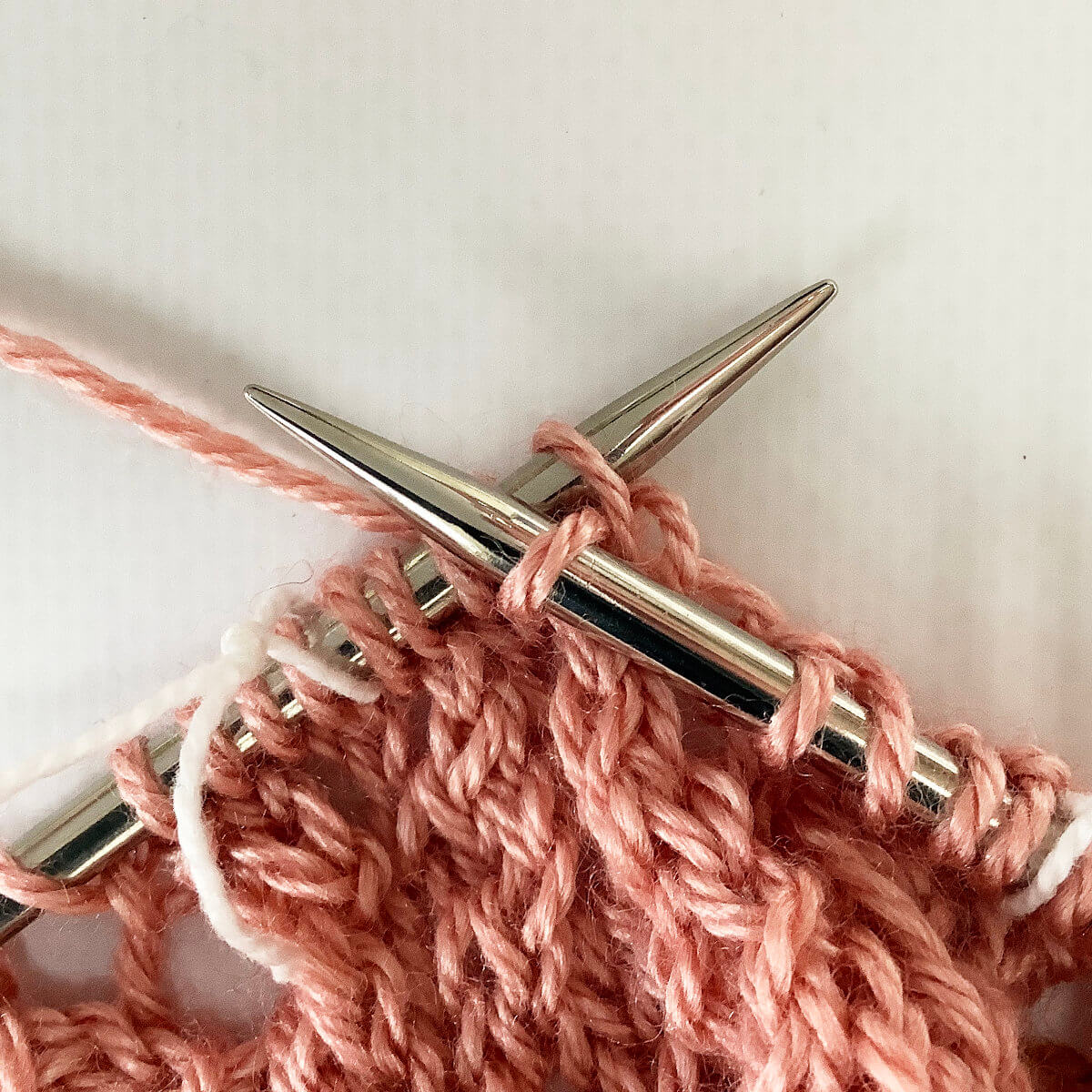
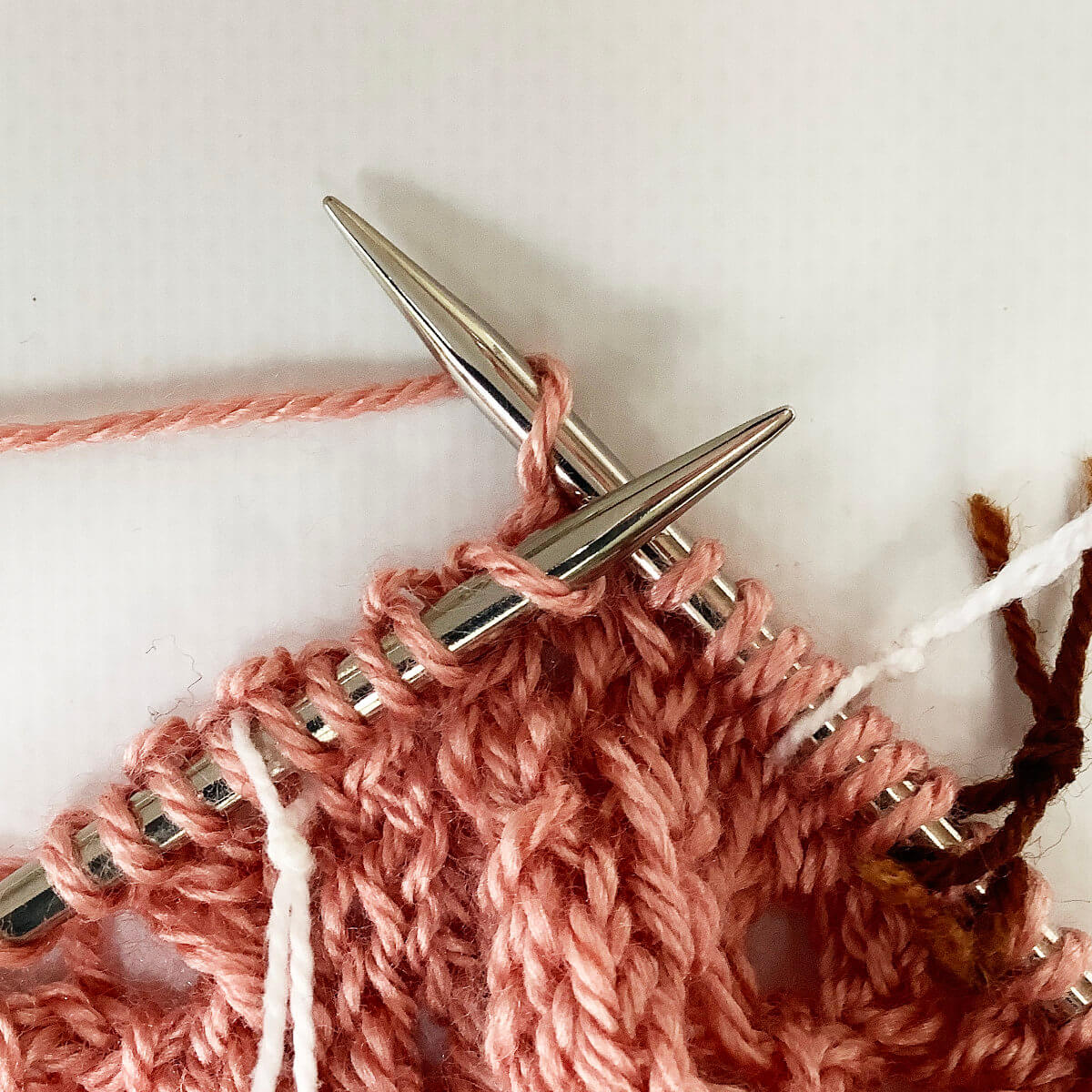
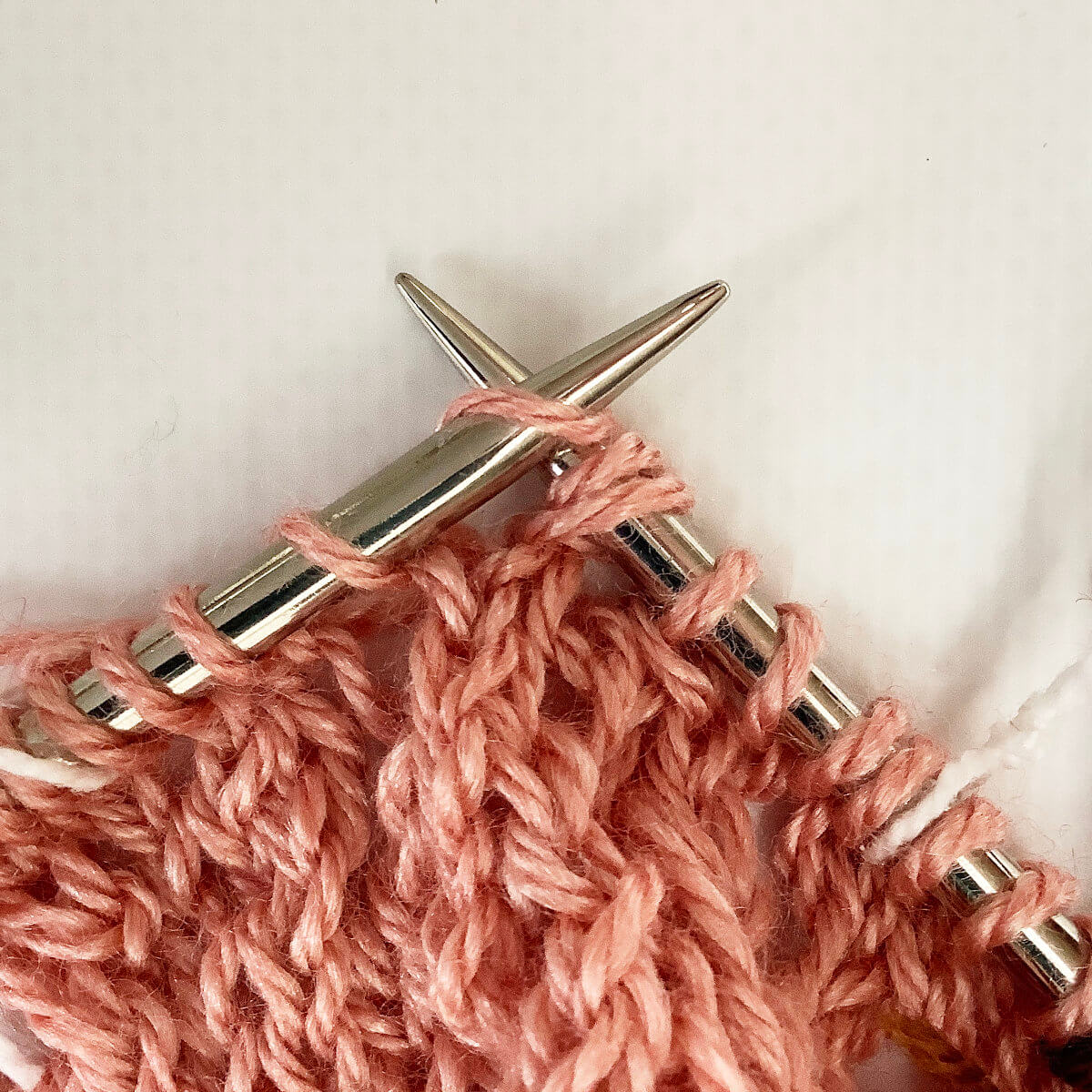
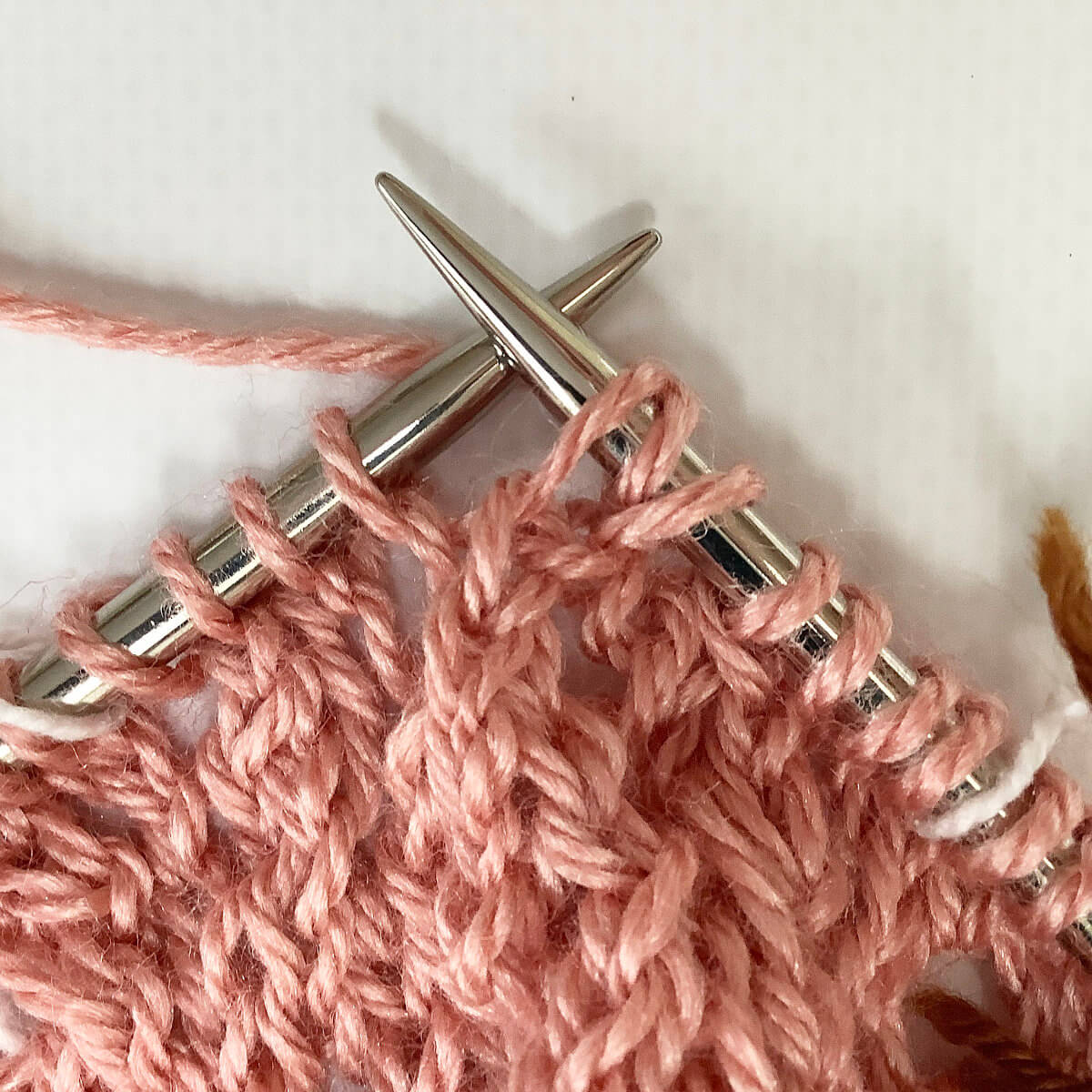
In this tutorial, I’m going to show you a very neat decrease: the bunny ears decrease. It’s a symmetrical way of decreasing 3 stitches to only 2! It’s called this way, because the result somewhat looks like 2 bunny ears “hugging” the resulting 2 stitches. Now, in this version of the decrease, the “ears” are pointing outwards. There is also a version in which the ears point inwards, that one is called the “bunny ears back” decrease. I’ll make a tutorial on that version of the decrease soon.

Materials used
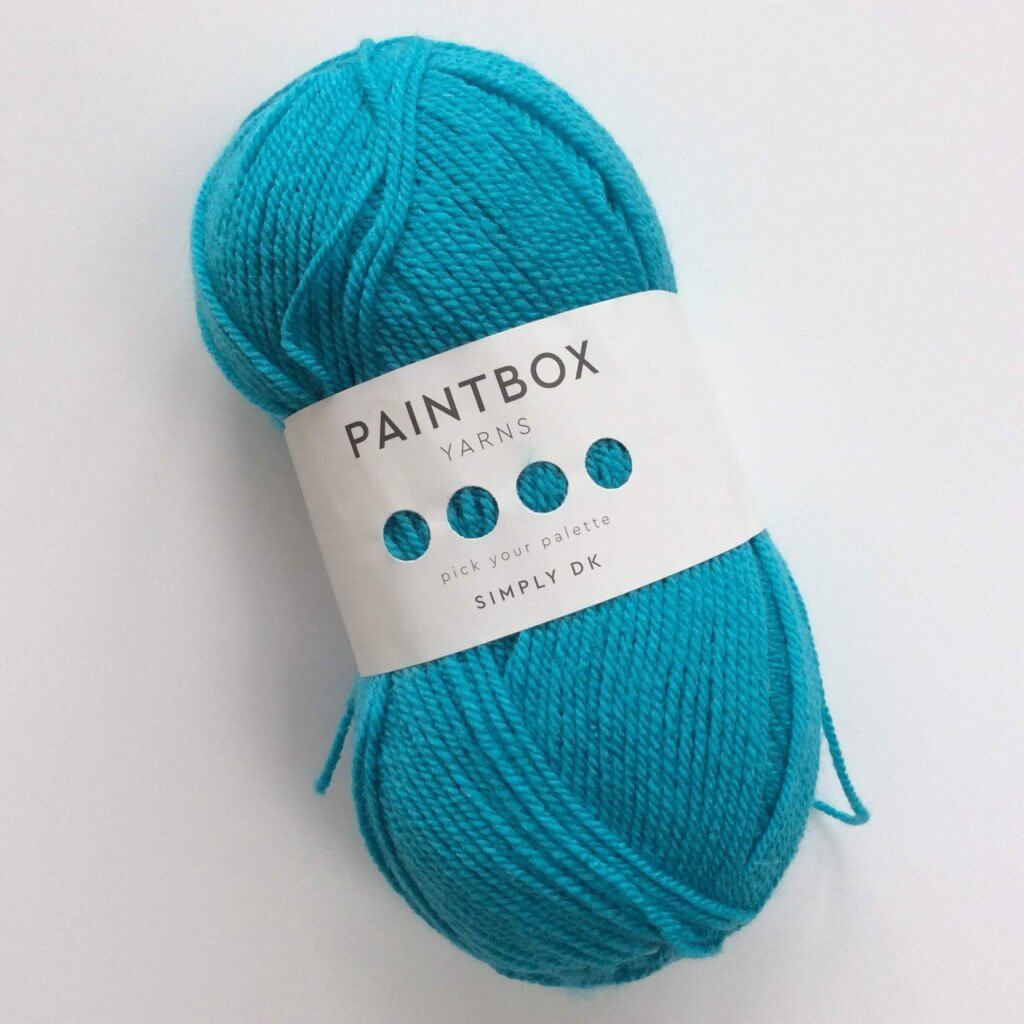
Yarn: Paintbox Yarns Simply DK, a good value, good quality 100% acrylic yarn, here in the color Marine.

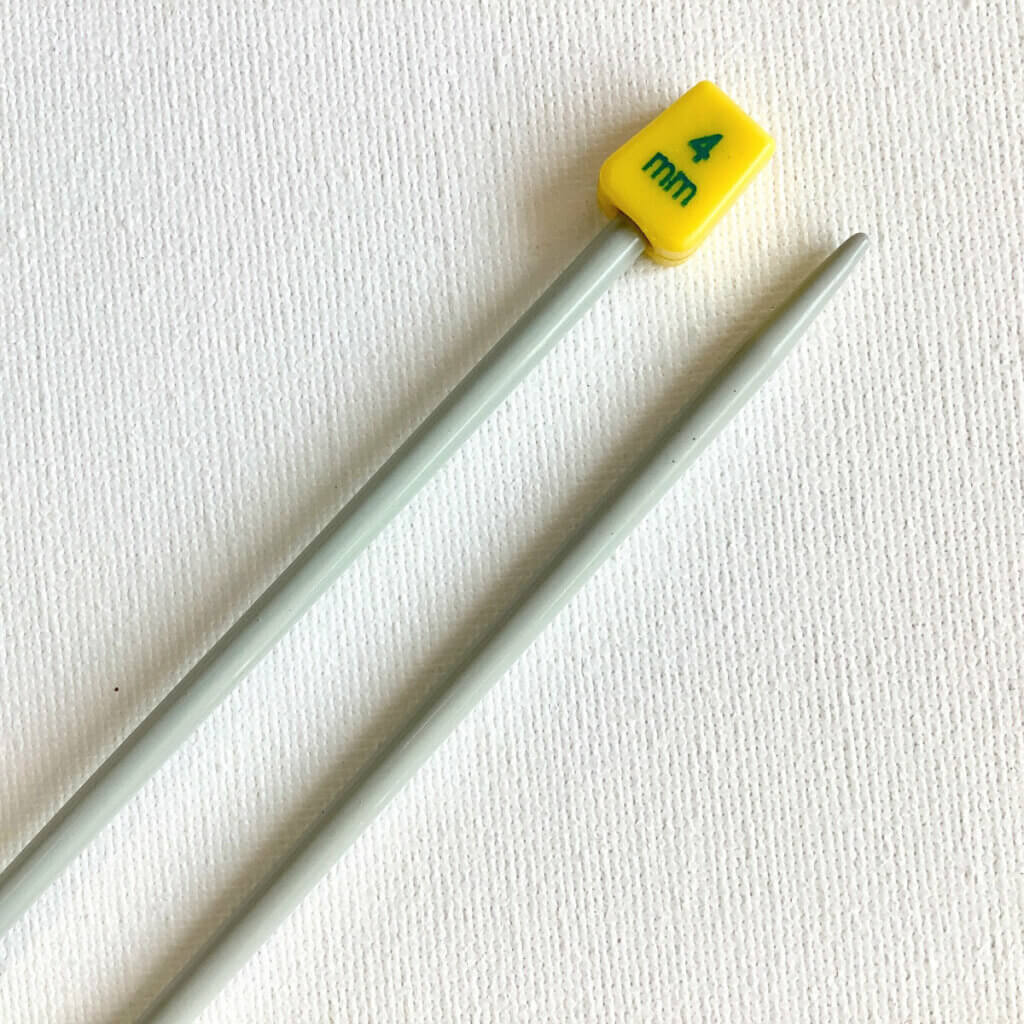
Needles: This is a pair of straights that I picked up at the second-hand store when I started knitting, brand unknown.

Working the bunny ears decrease step by step

In patterns, you may encounter the following description of this stitch:
Bunny ears decrease (bedec): Knit 2 stitches together but leave the second stitch on the left needle, next work skp over the next 2 stitches.
But how to actually do this? Read on!

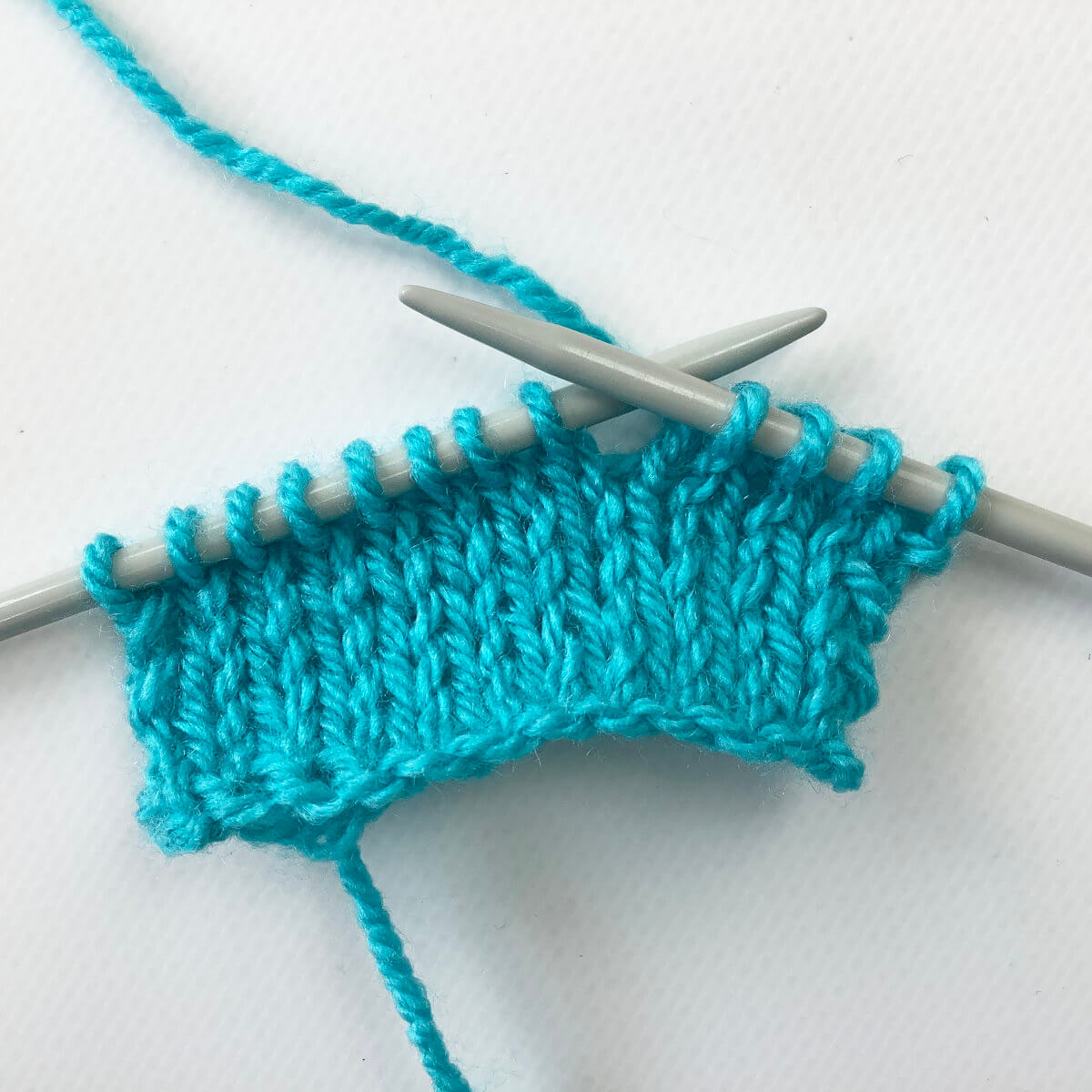
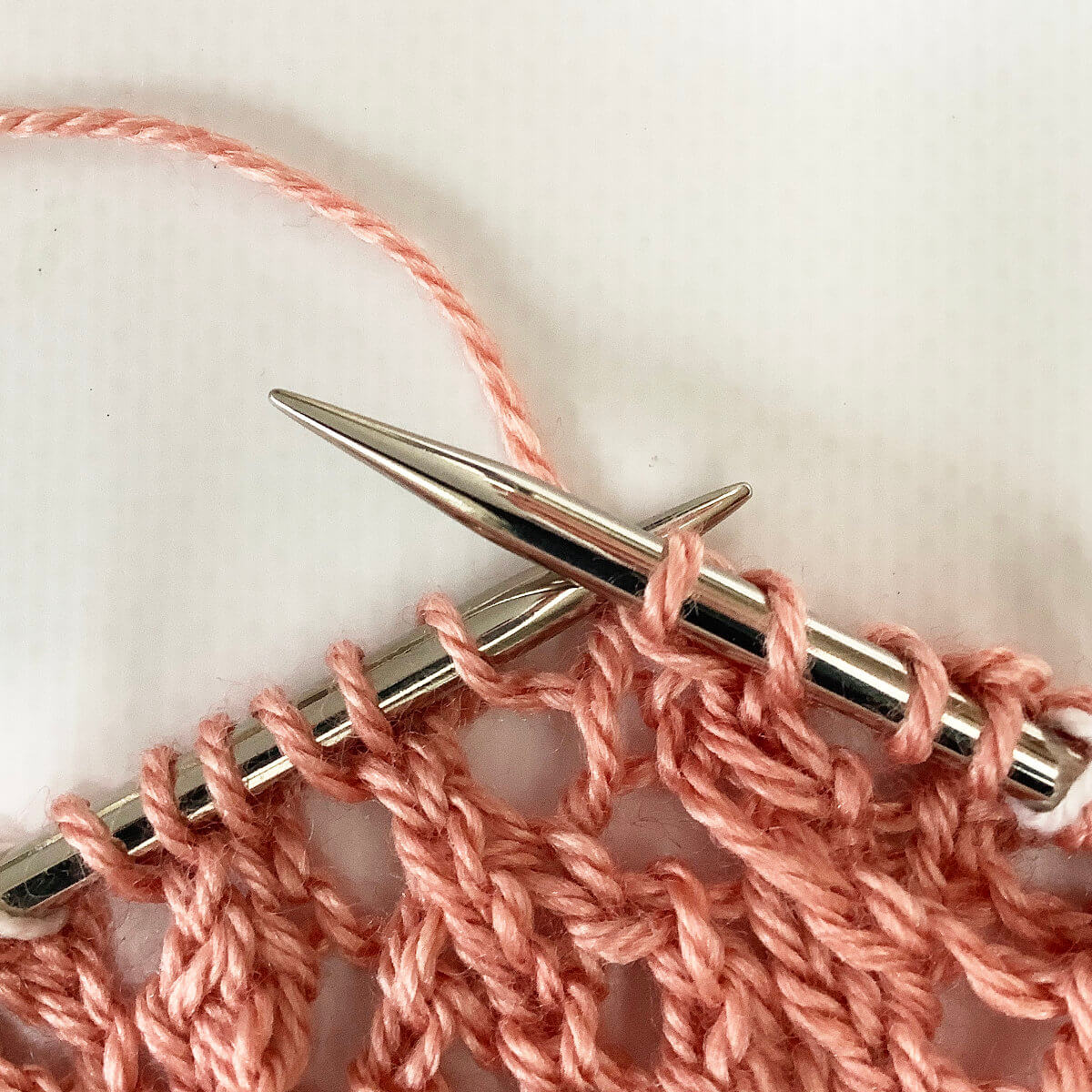
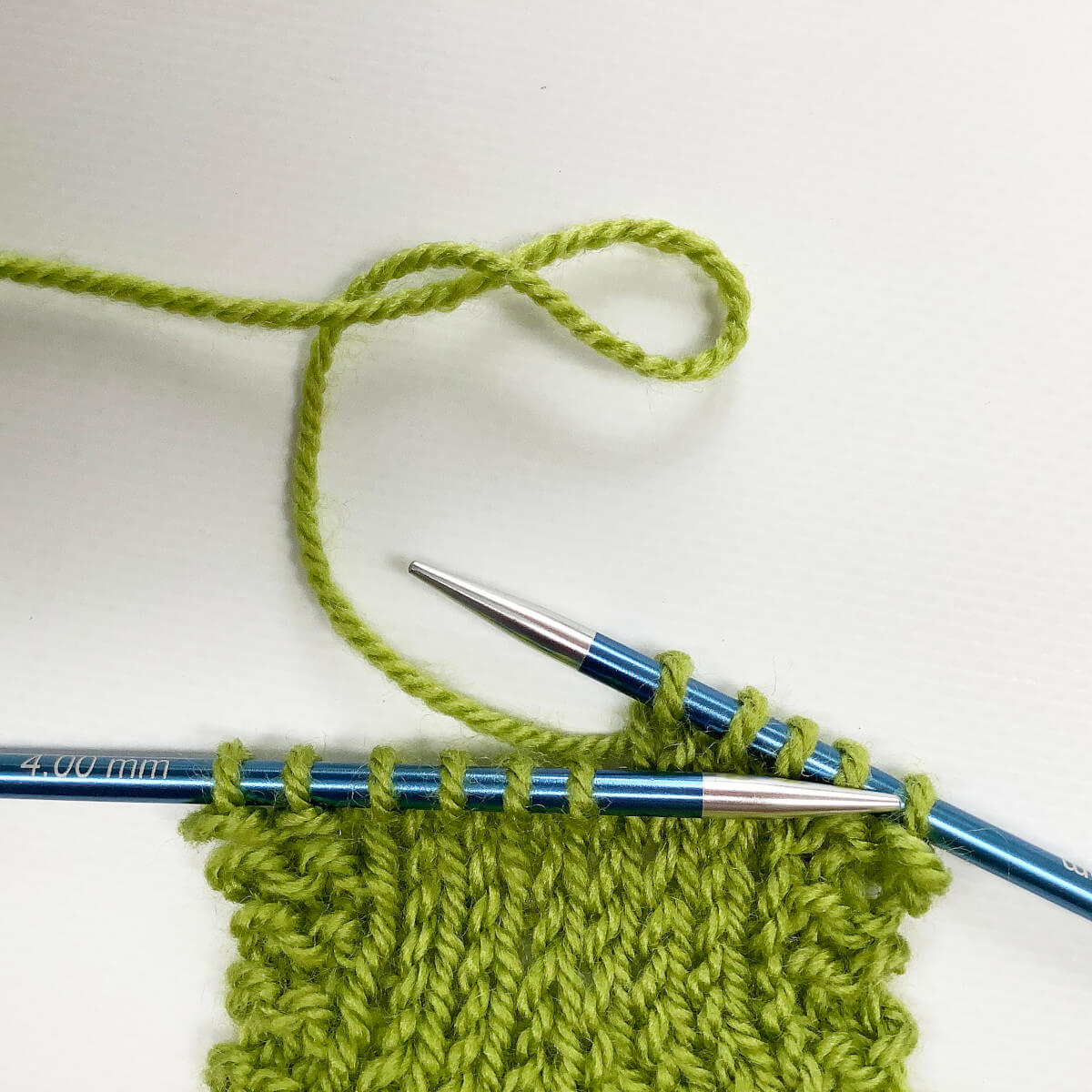
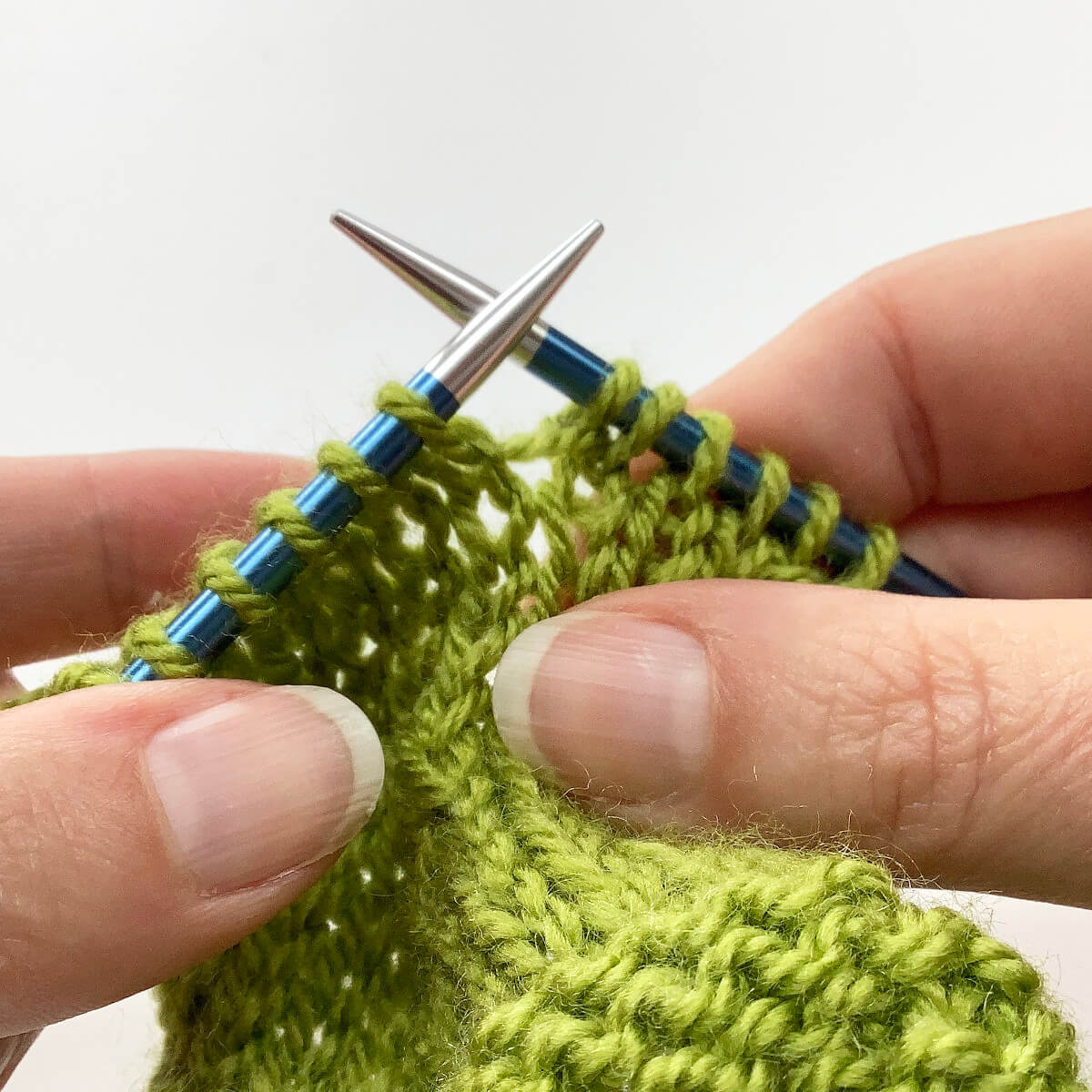
  1. First, work your way across the row until you’ve reached the point where you want to make the decrease.

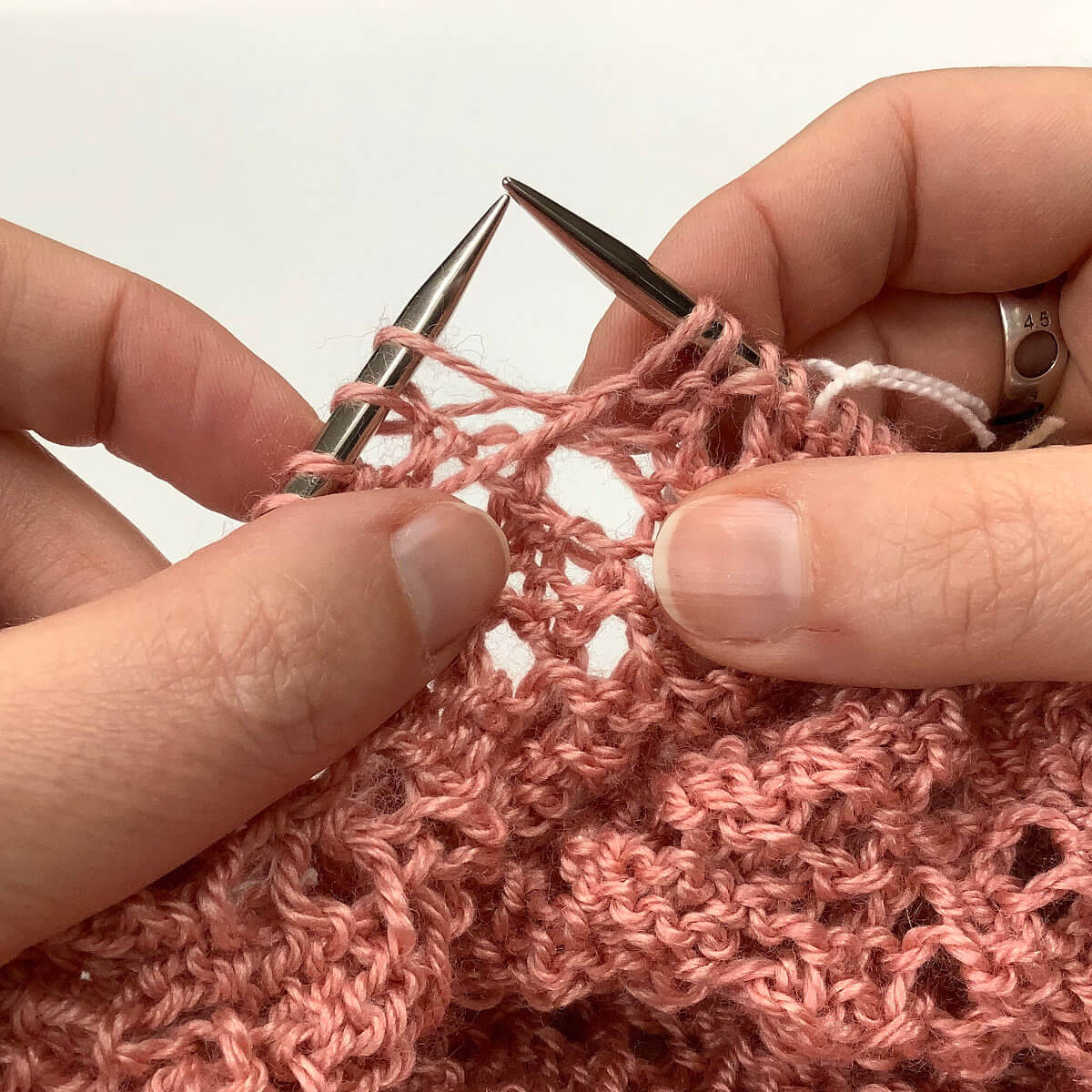
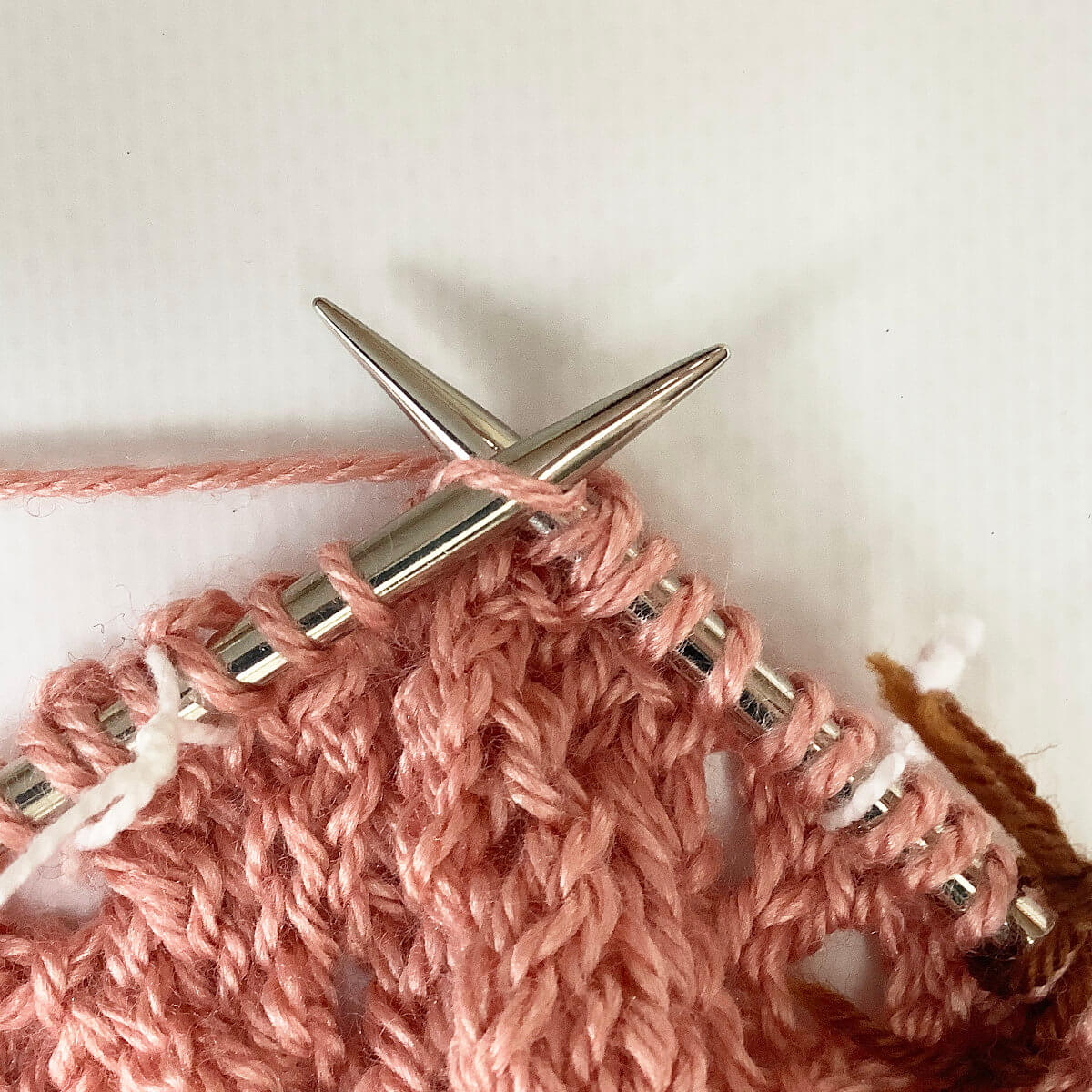
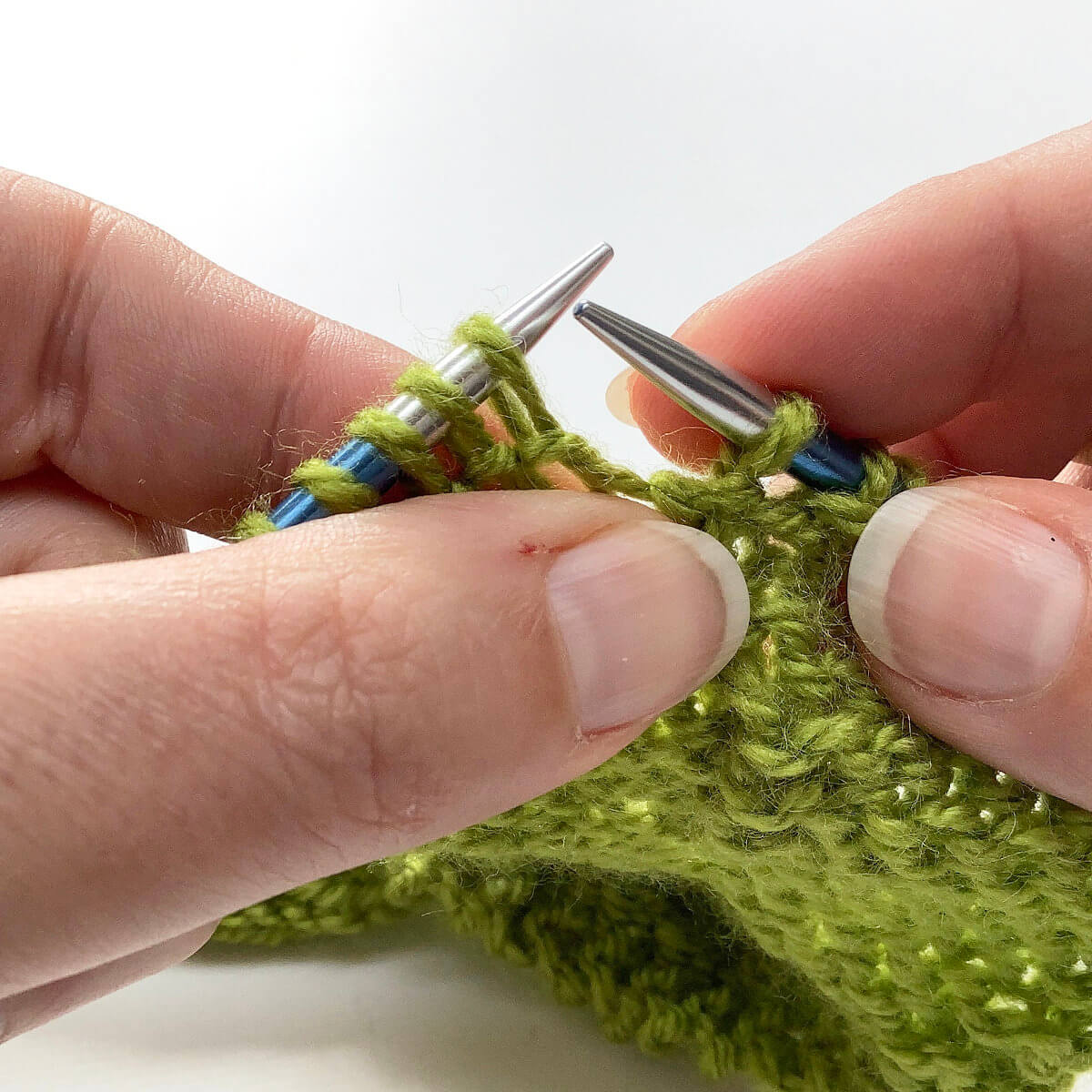
    See those 3 stitches on the left-hand needle? That’s where I’ll be making the bunny ears decrease.Step 1 of working a bunny ears decrease

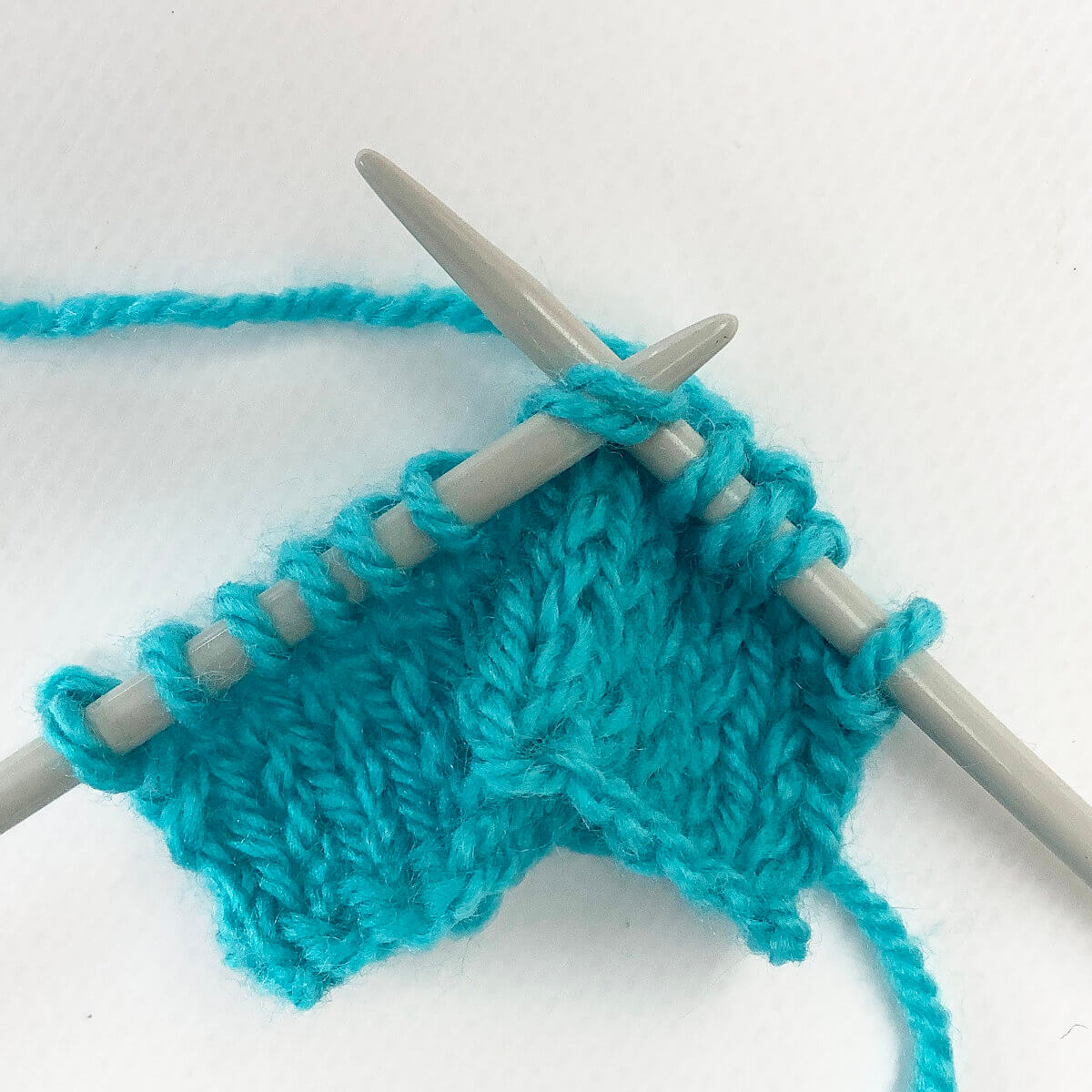
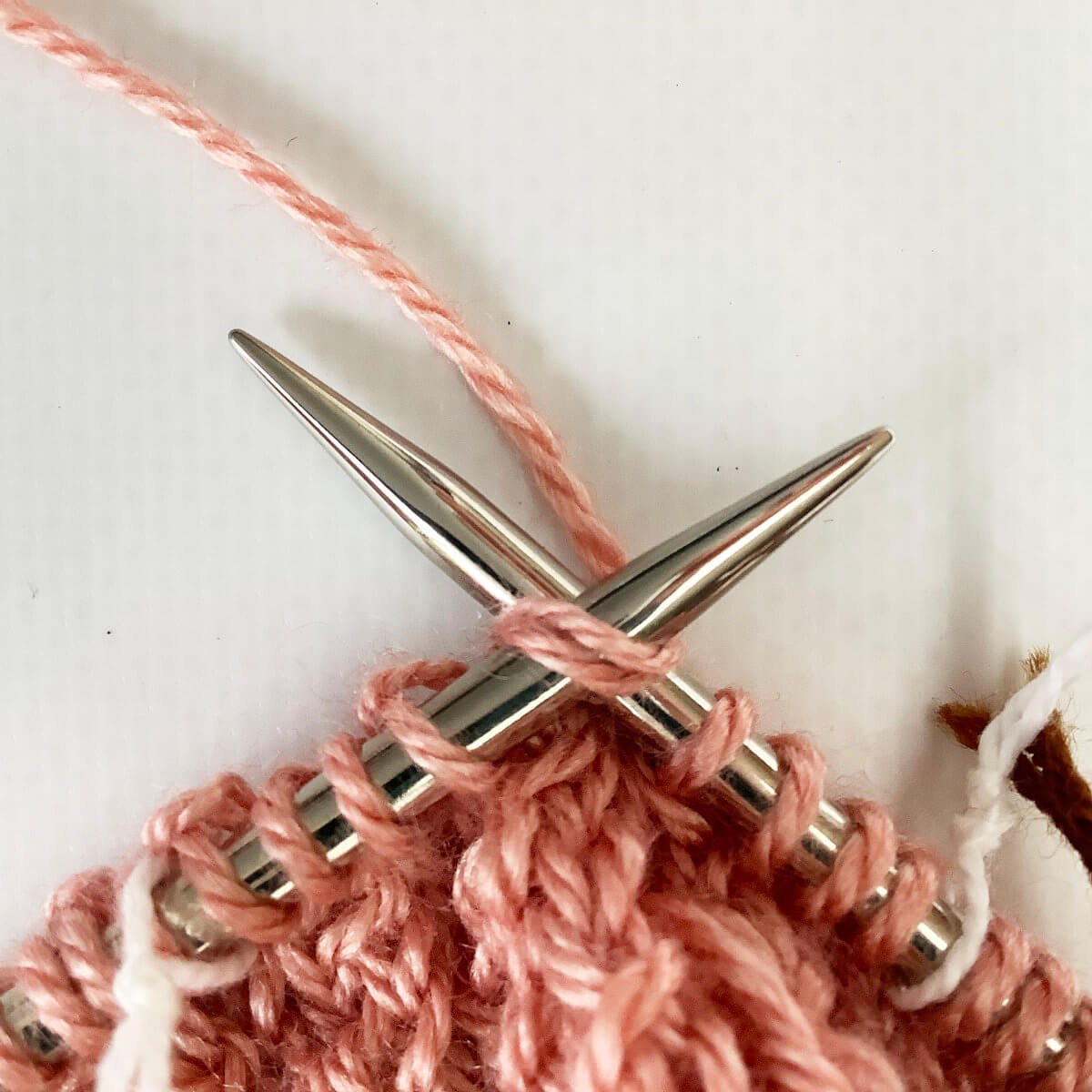
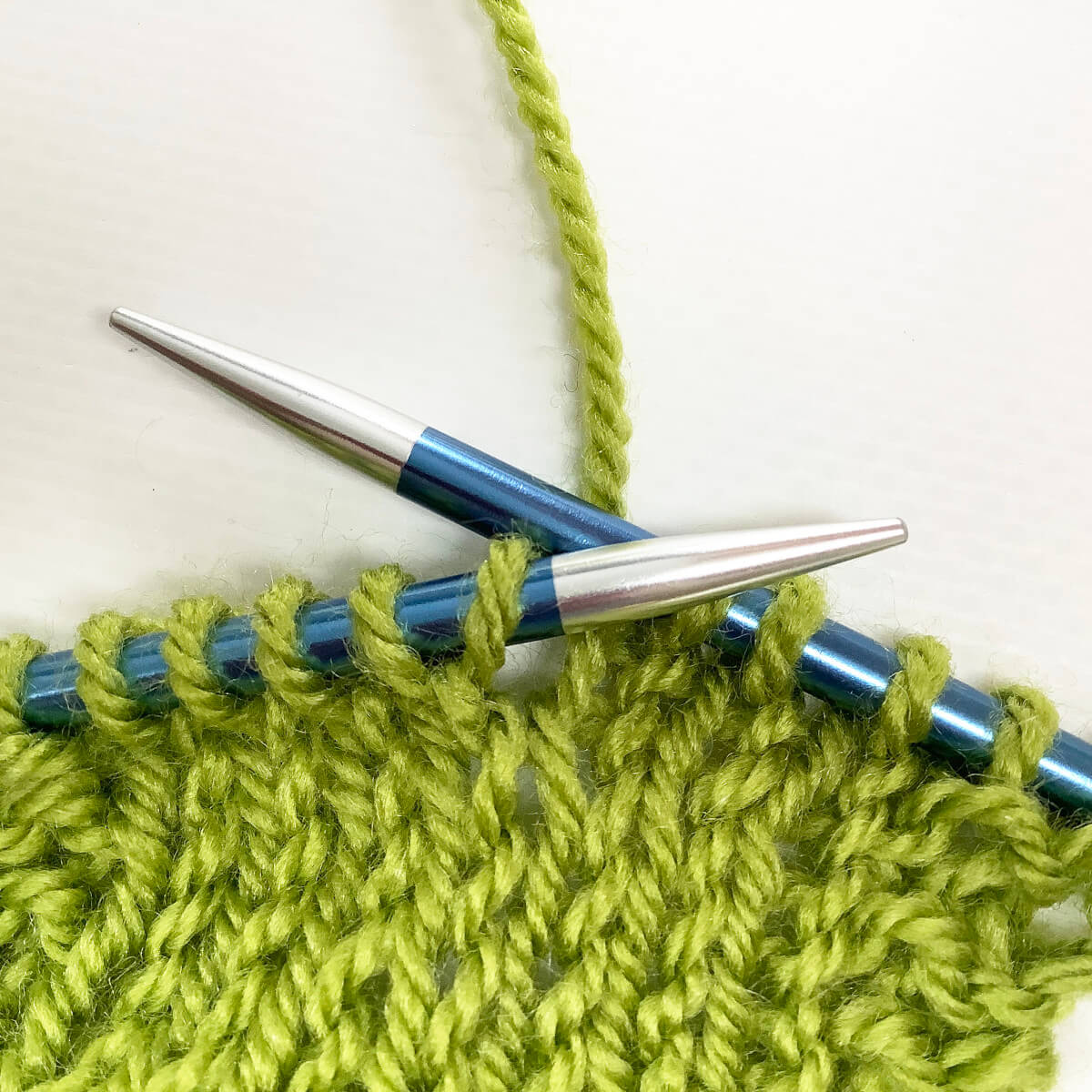
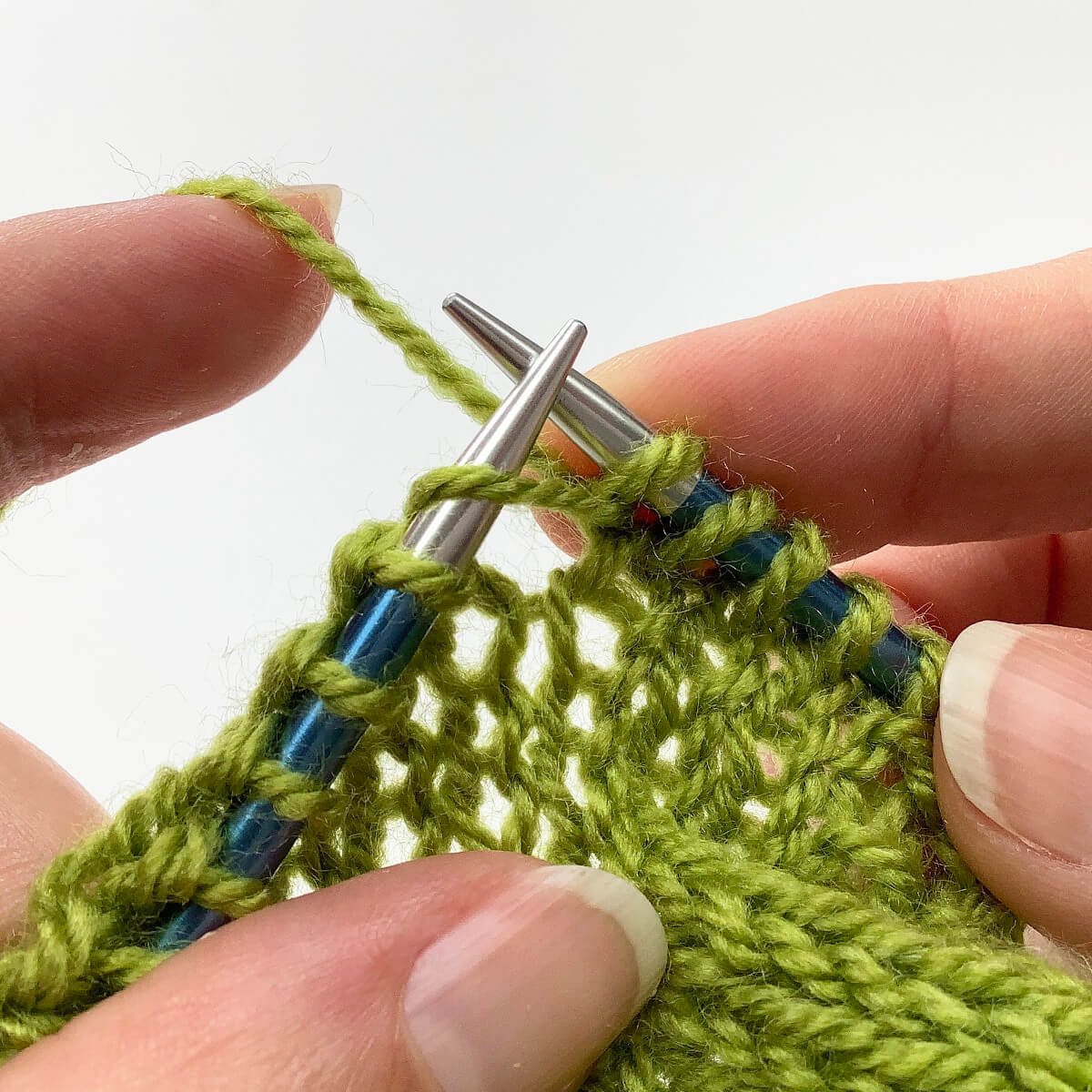
  2. Next, insert the tip of the right-hand needle into the first 2 stitches at the same time as if to knit.

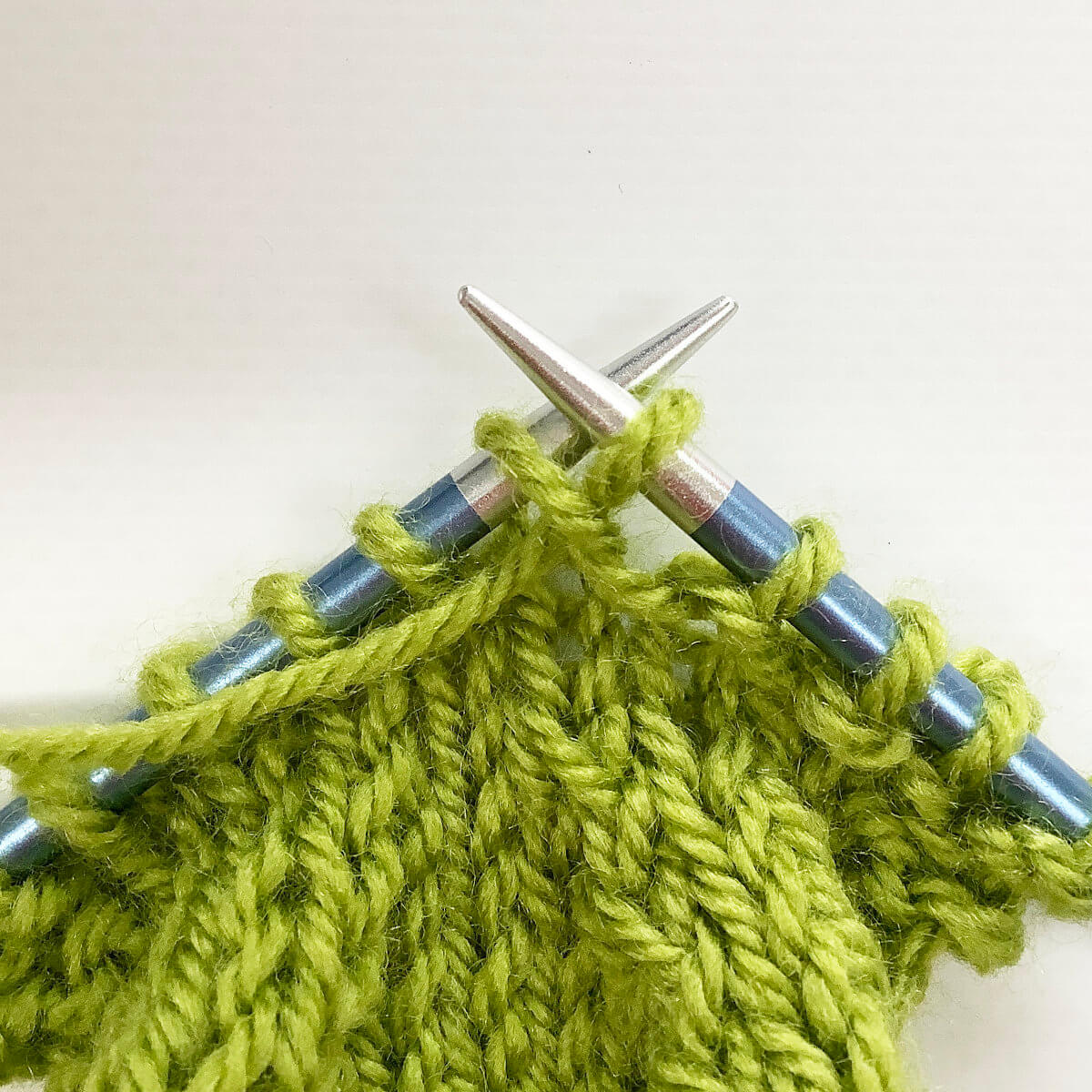
    Over these stitches, we’ll be doing the first steps of a k2tog.Step 2

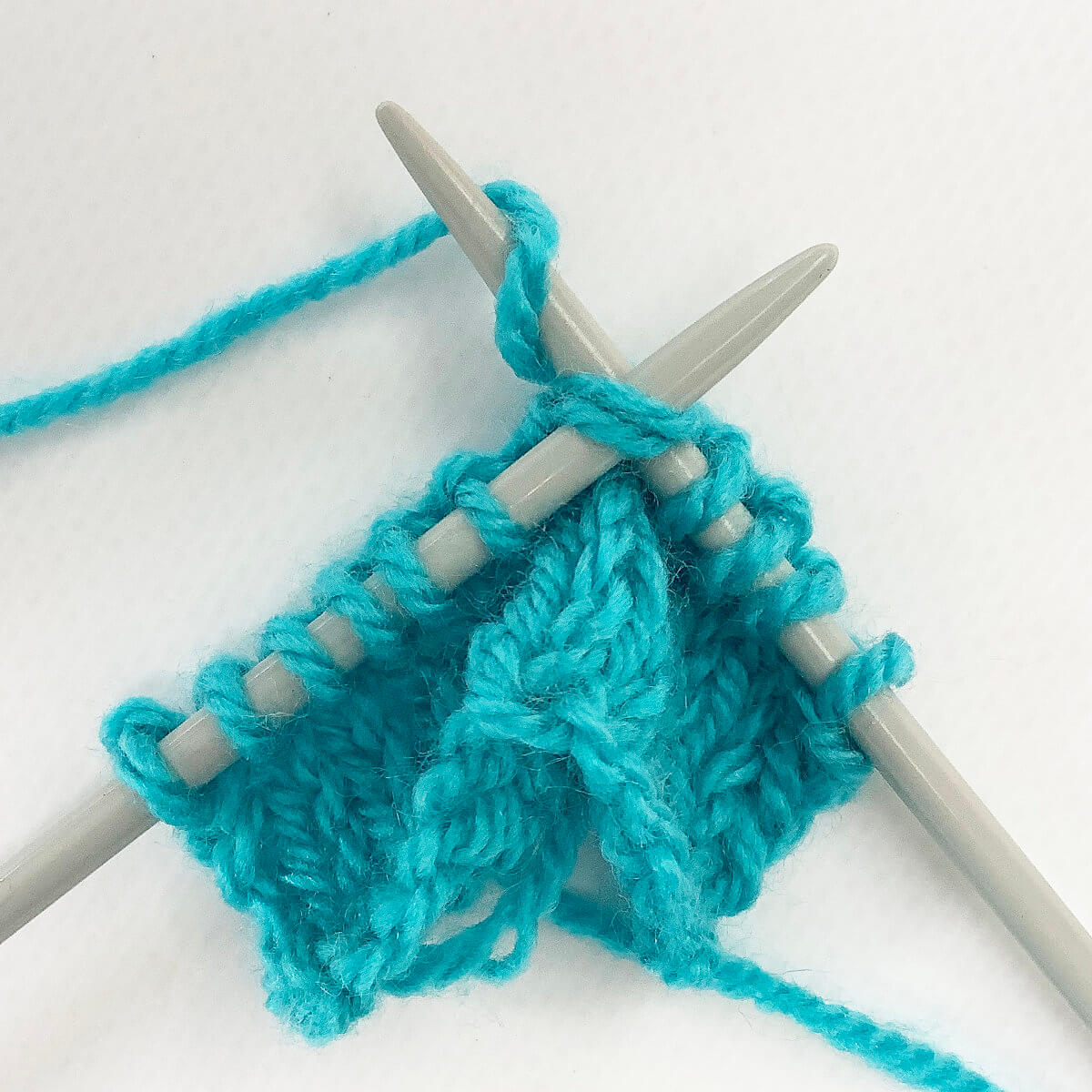
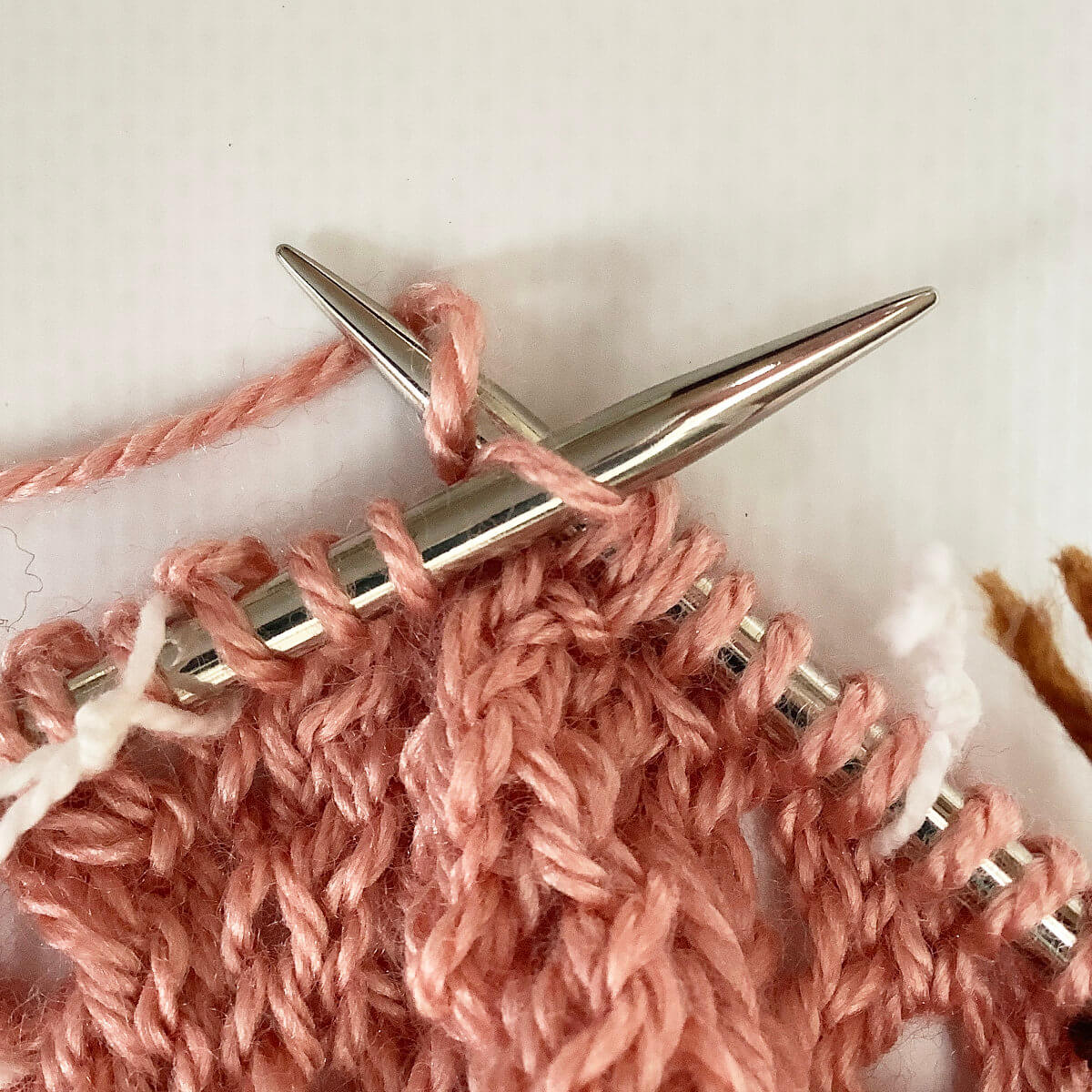
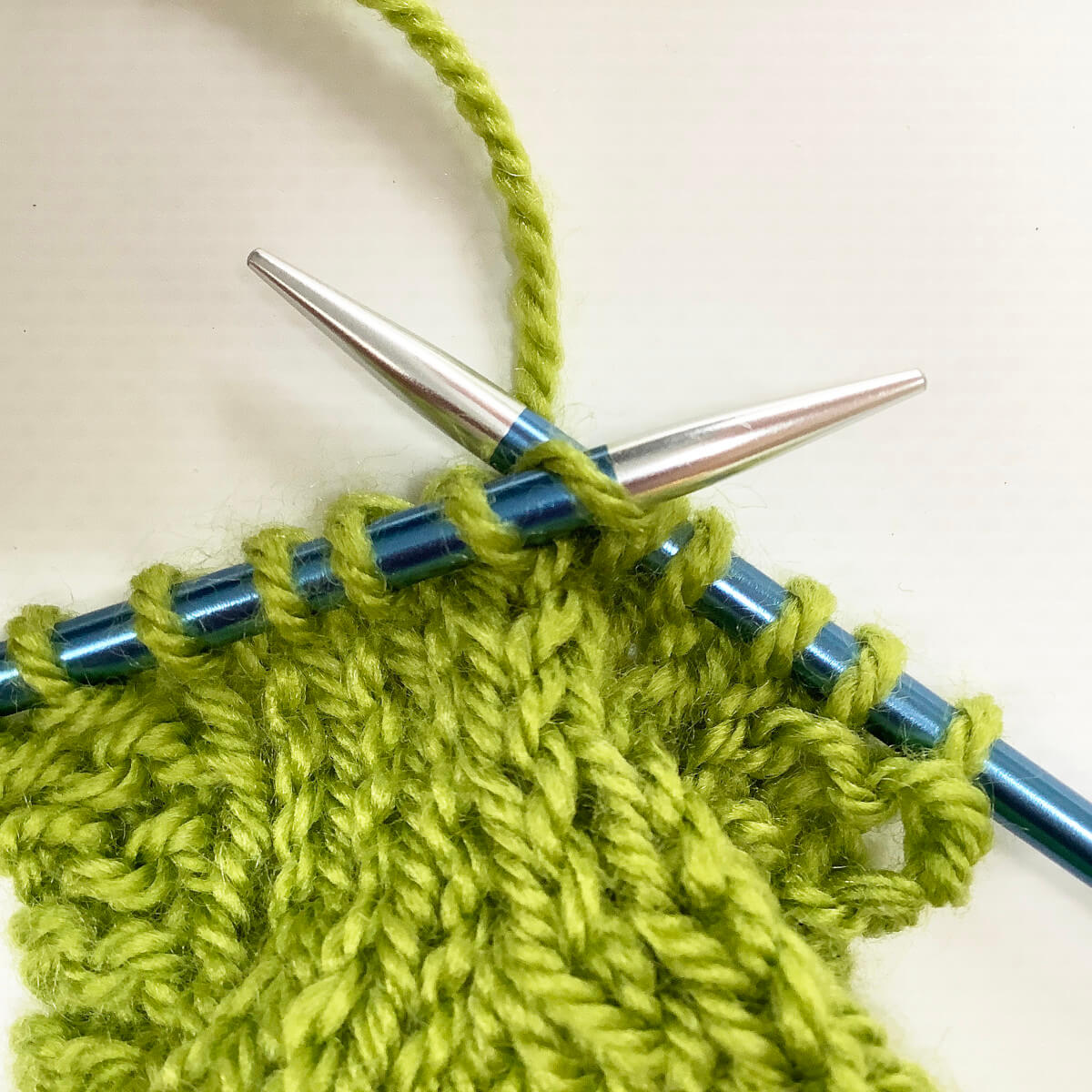
  3. Wrap the yarn around the needle…

    Step 3

  4. … and pull the yarn through the 2 stitches.
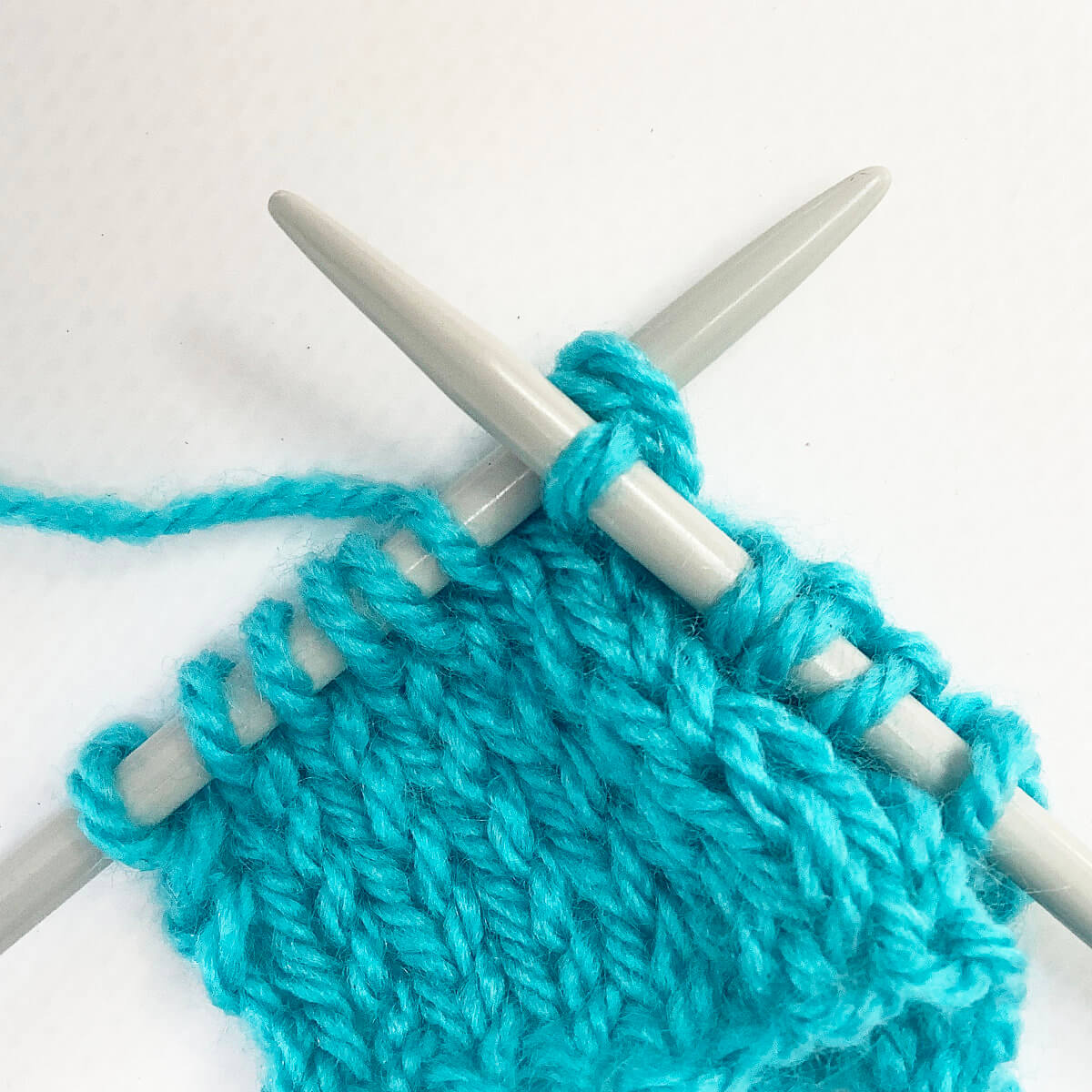
    Step 4

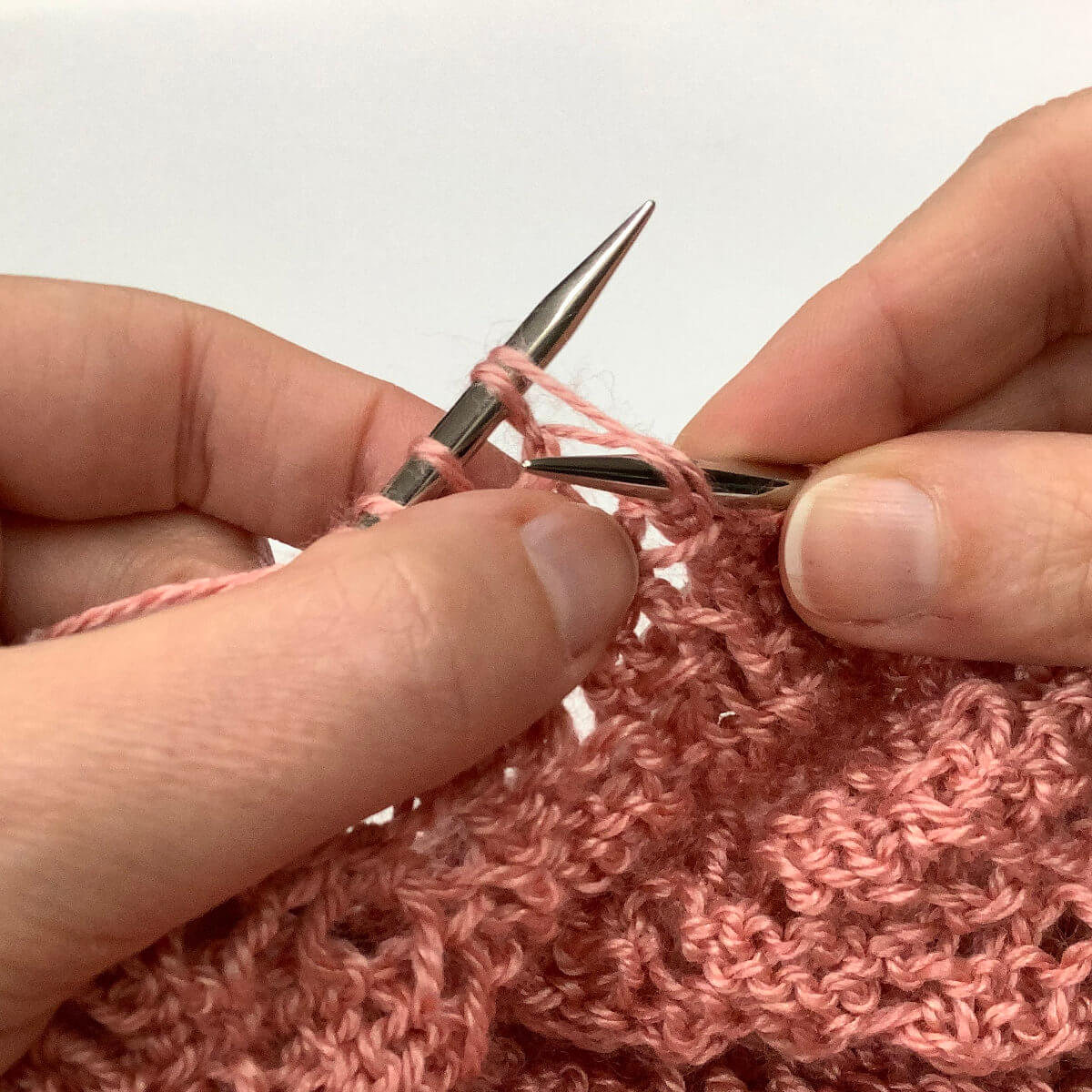
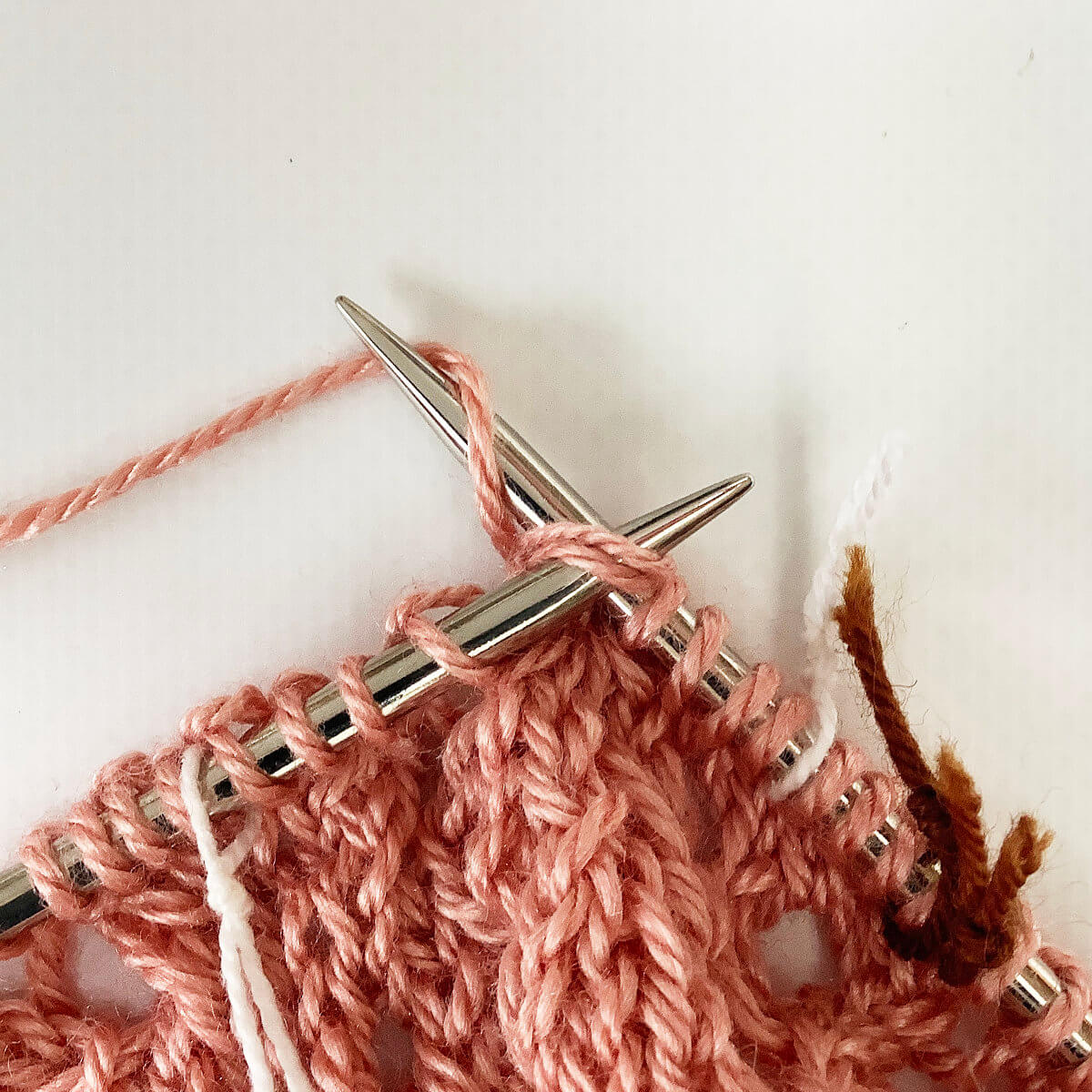
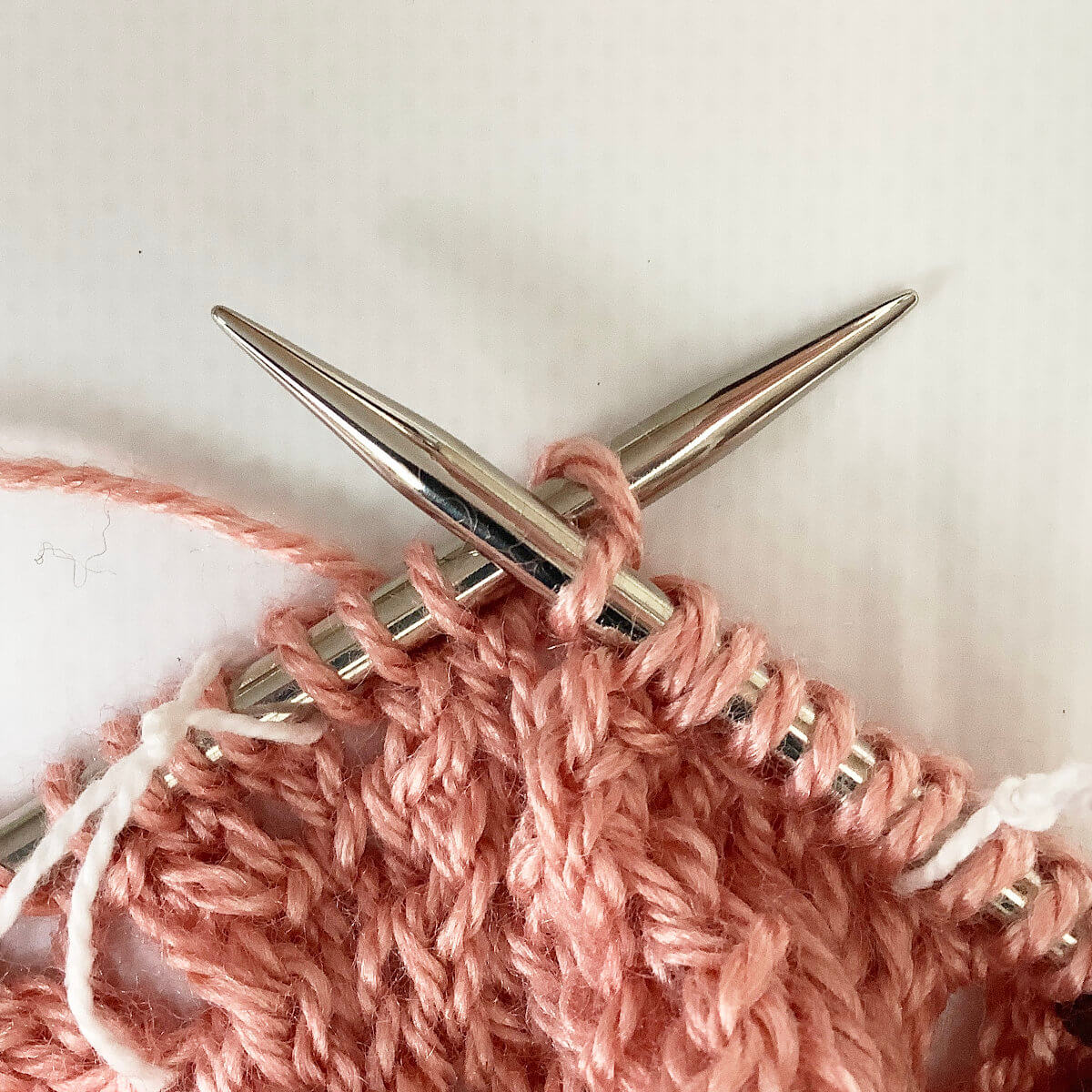
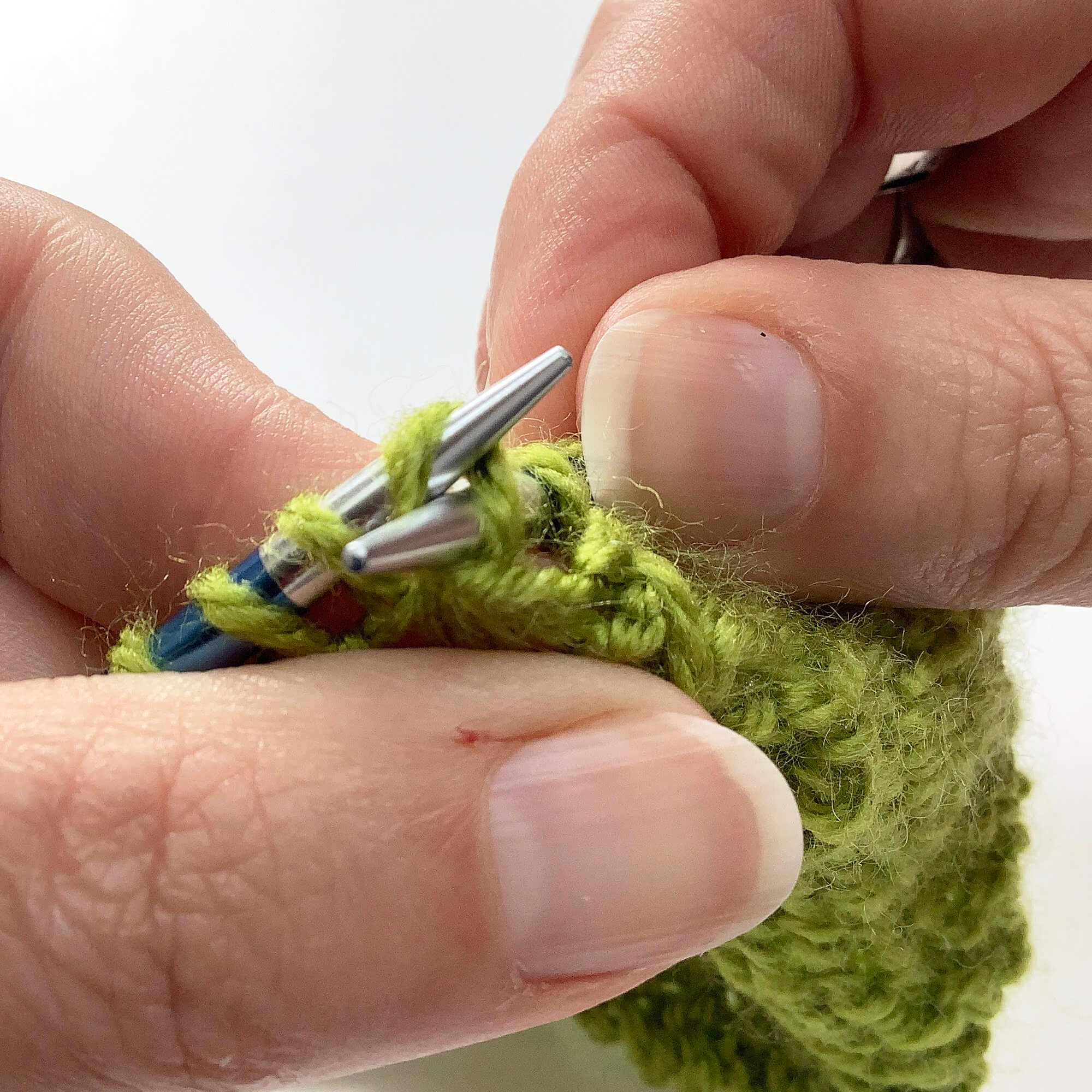
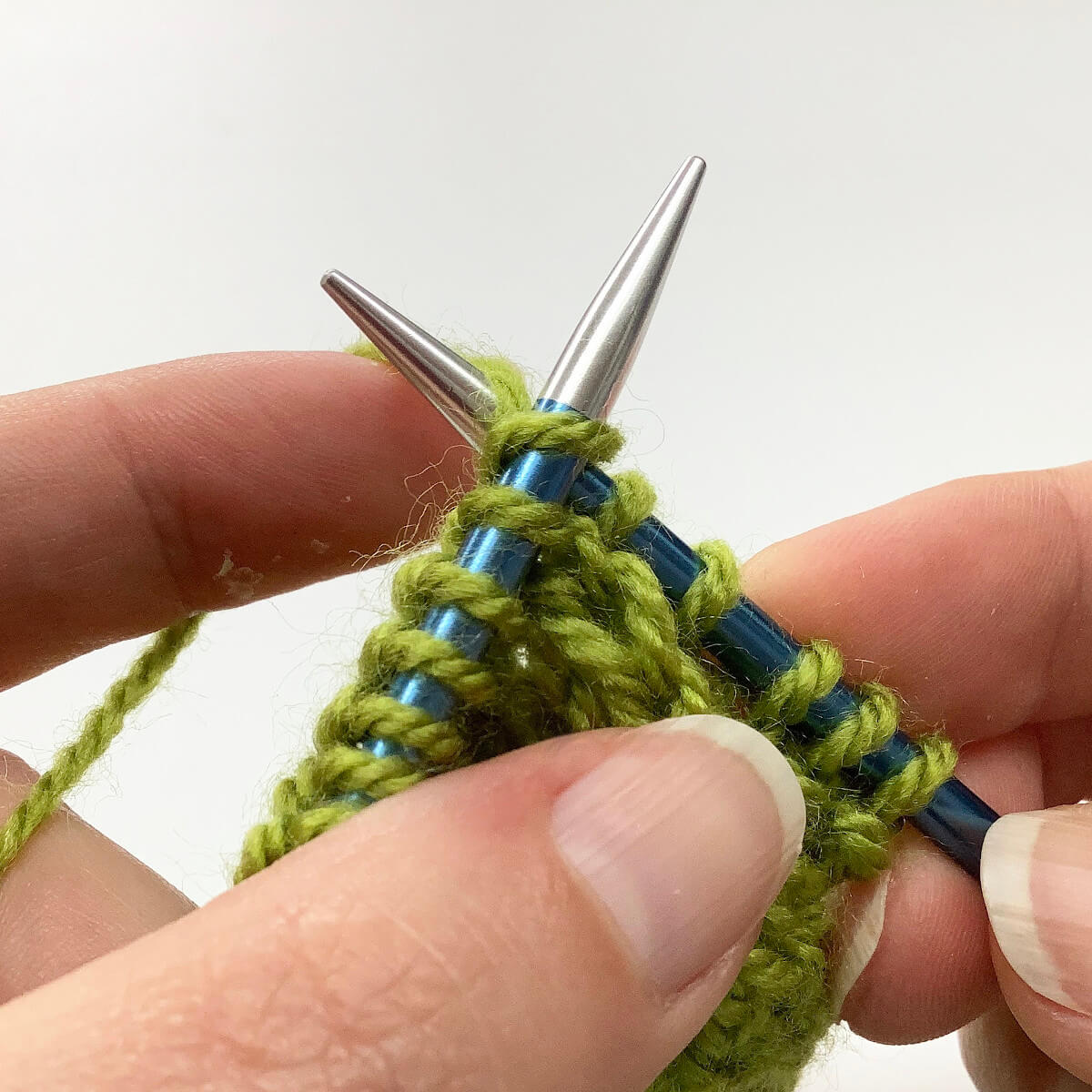
  5. Next, slide only 1 of the 2 original stitches of the left-hand needle.

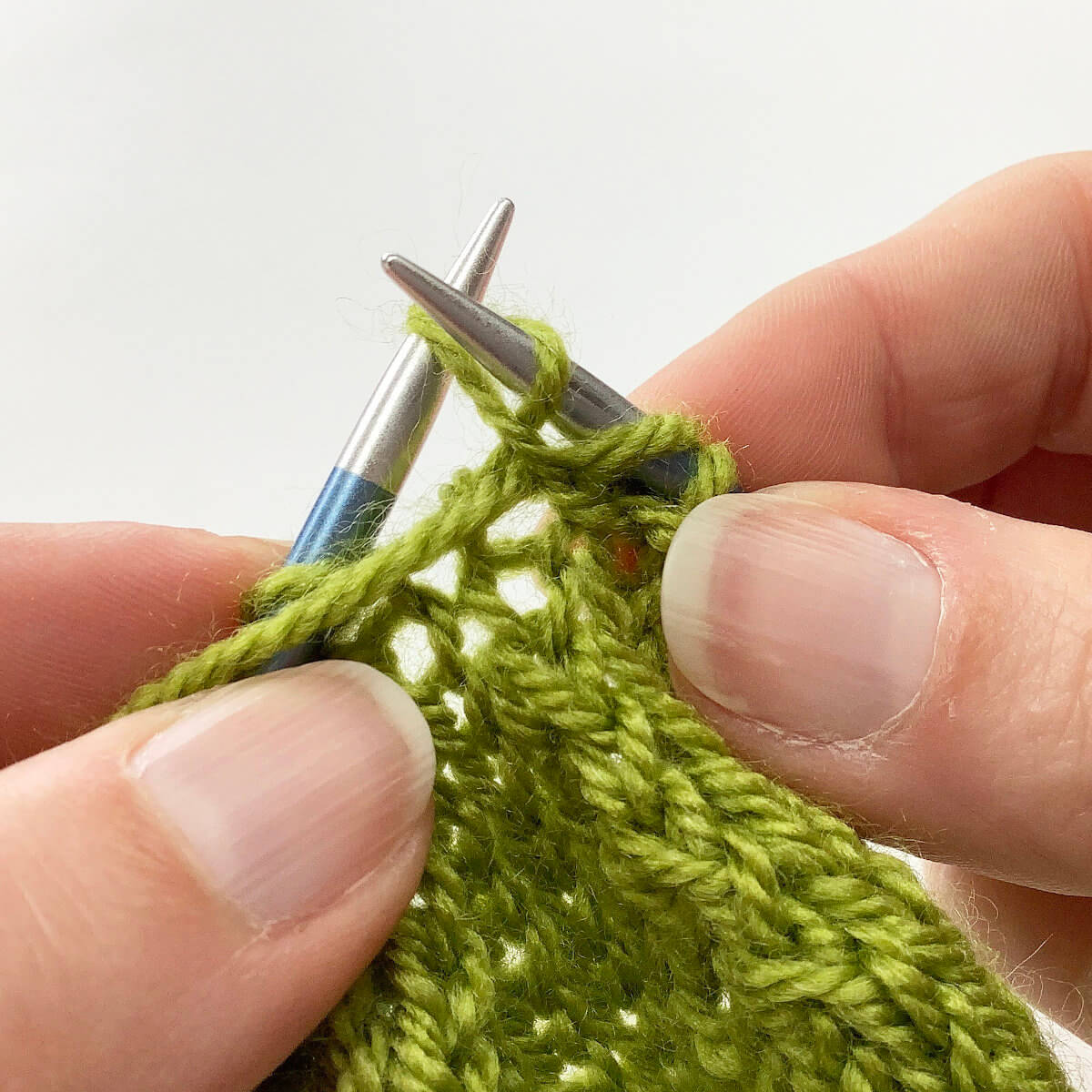
    With a regular k2tog, both stitches would be moved off the needle. So this is where it starts to go different.Step 5

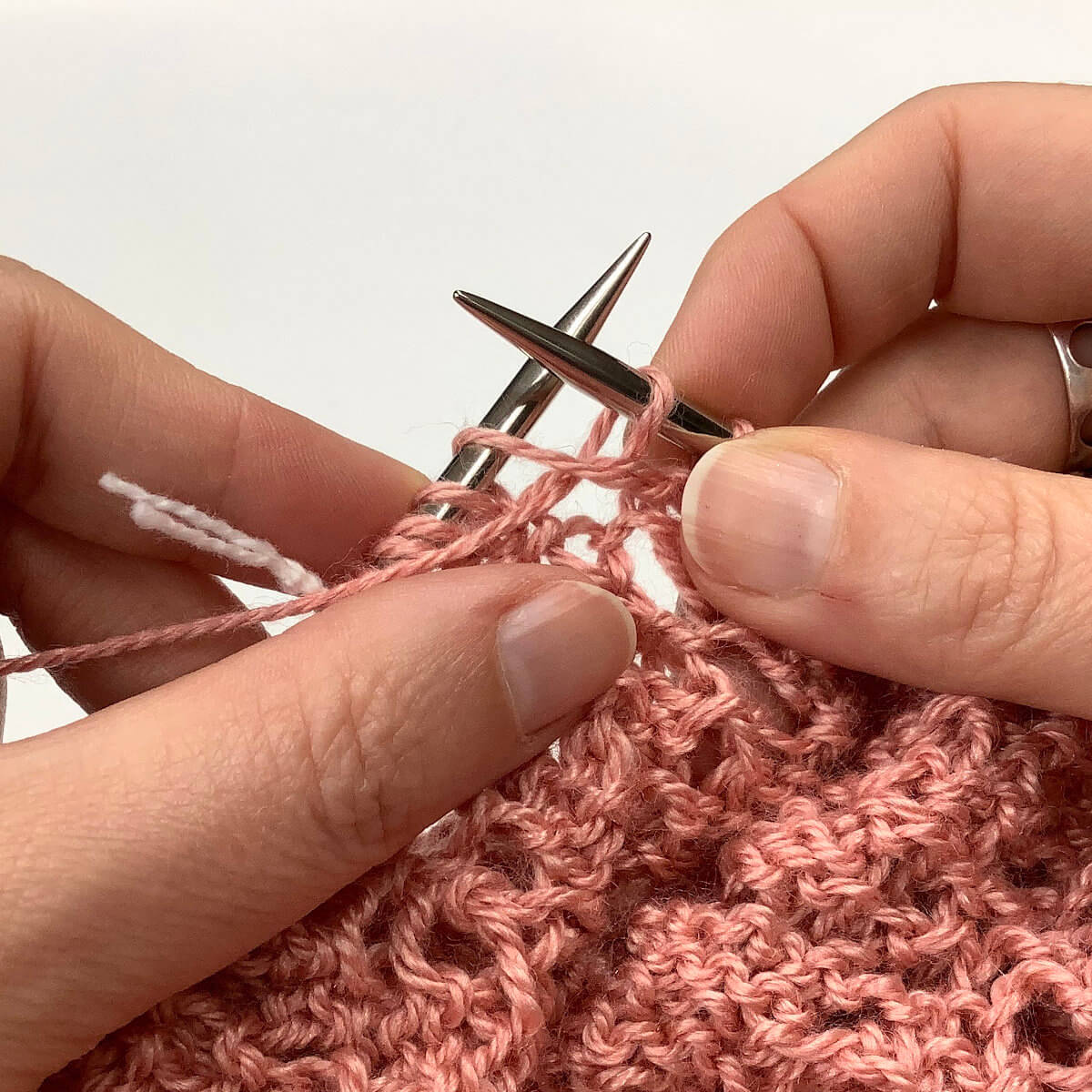
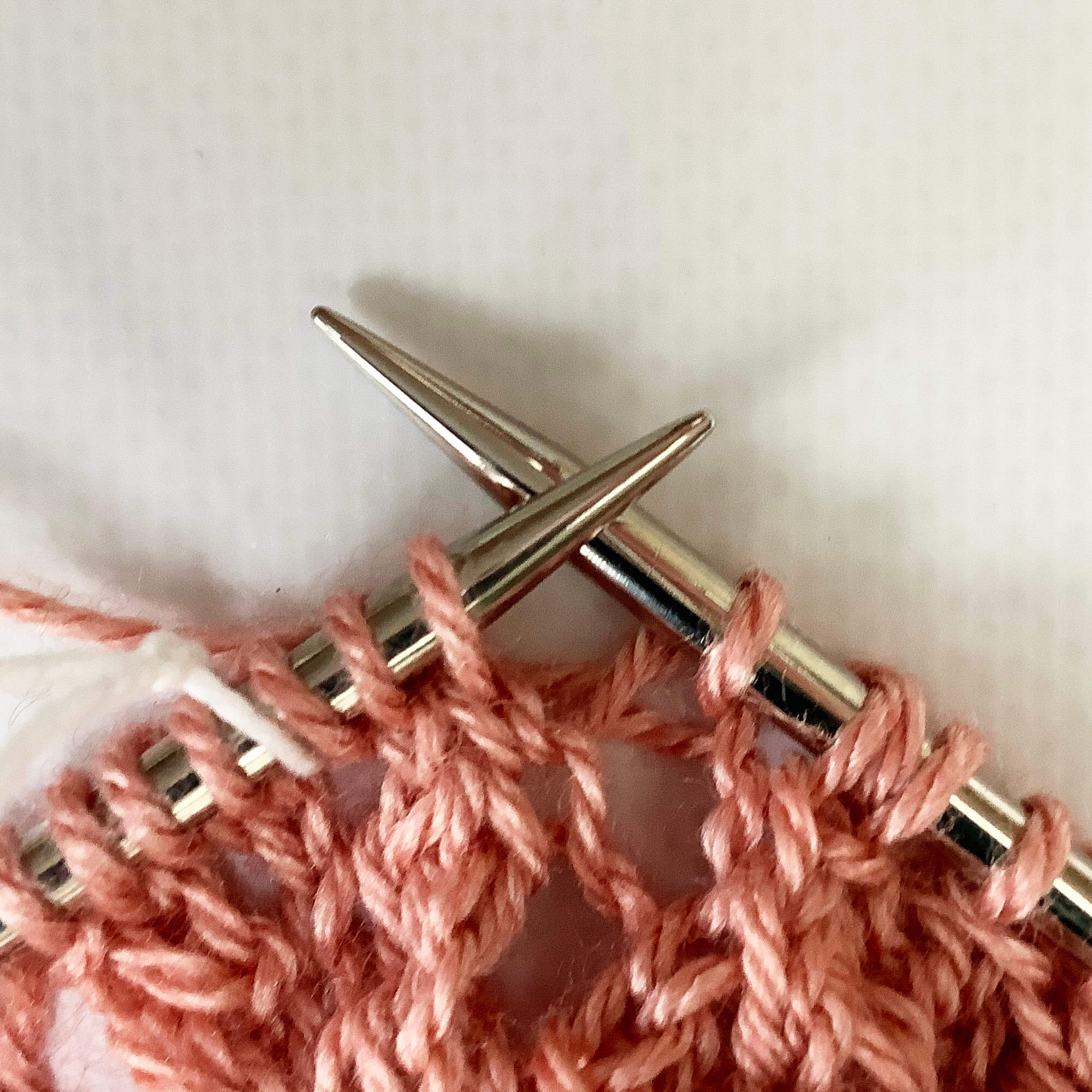
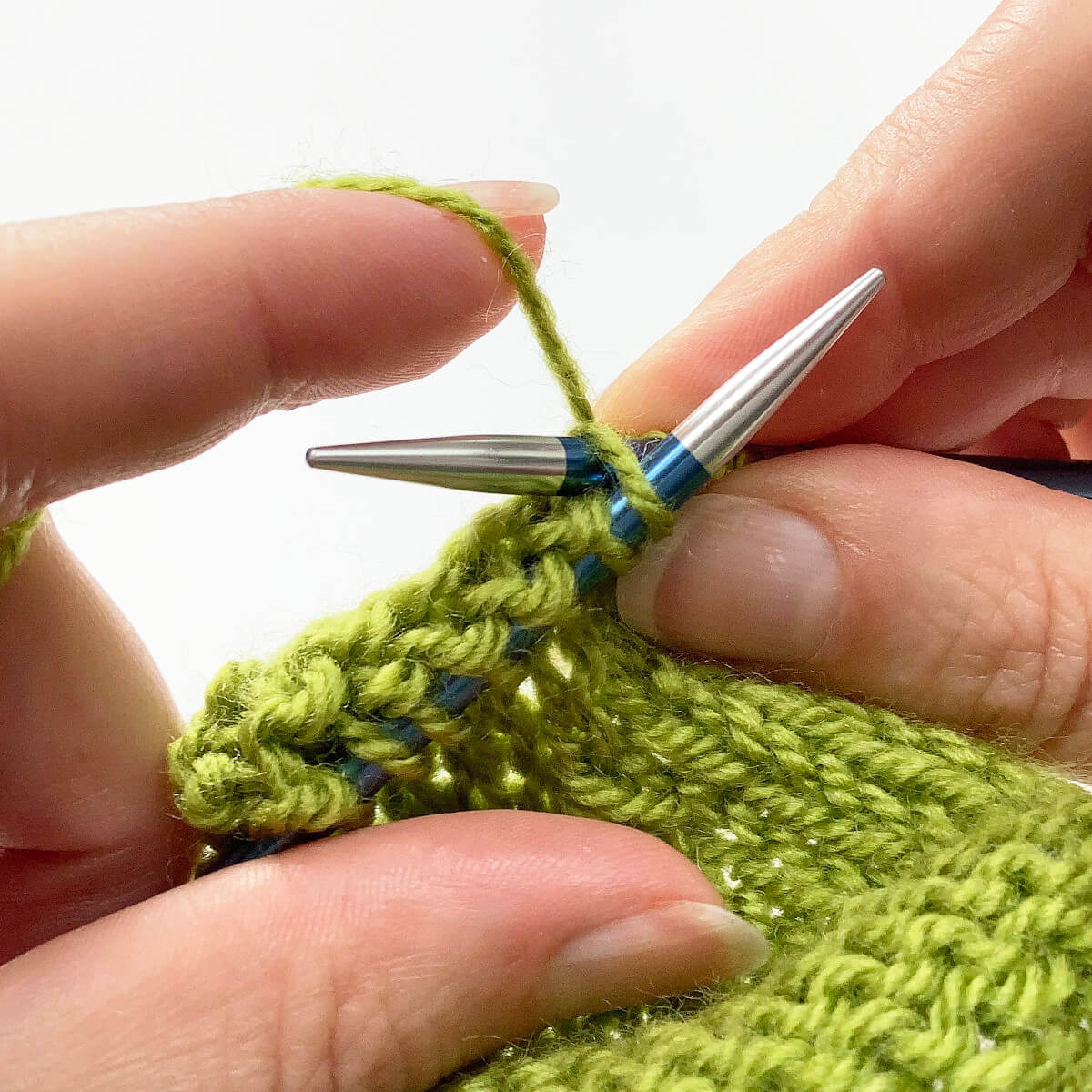
  6. Now we’re starting the left leaning decrease part of the stitch.

    The main point here is to work this on the 2 remaining stitches on the left-hand needle: 1 stitch we haven’t handled yet, and 1 stitch that we didn’t move off the needle when working the k2tog right-leaning decrease. This part of the stitch can be worked as ssk, skp, or any other way you may prefer to work a left-leaning decrease. Since I personally prefer skp I’ll be showing this in the tutorial.

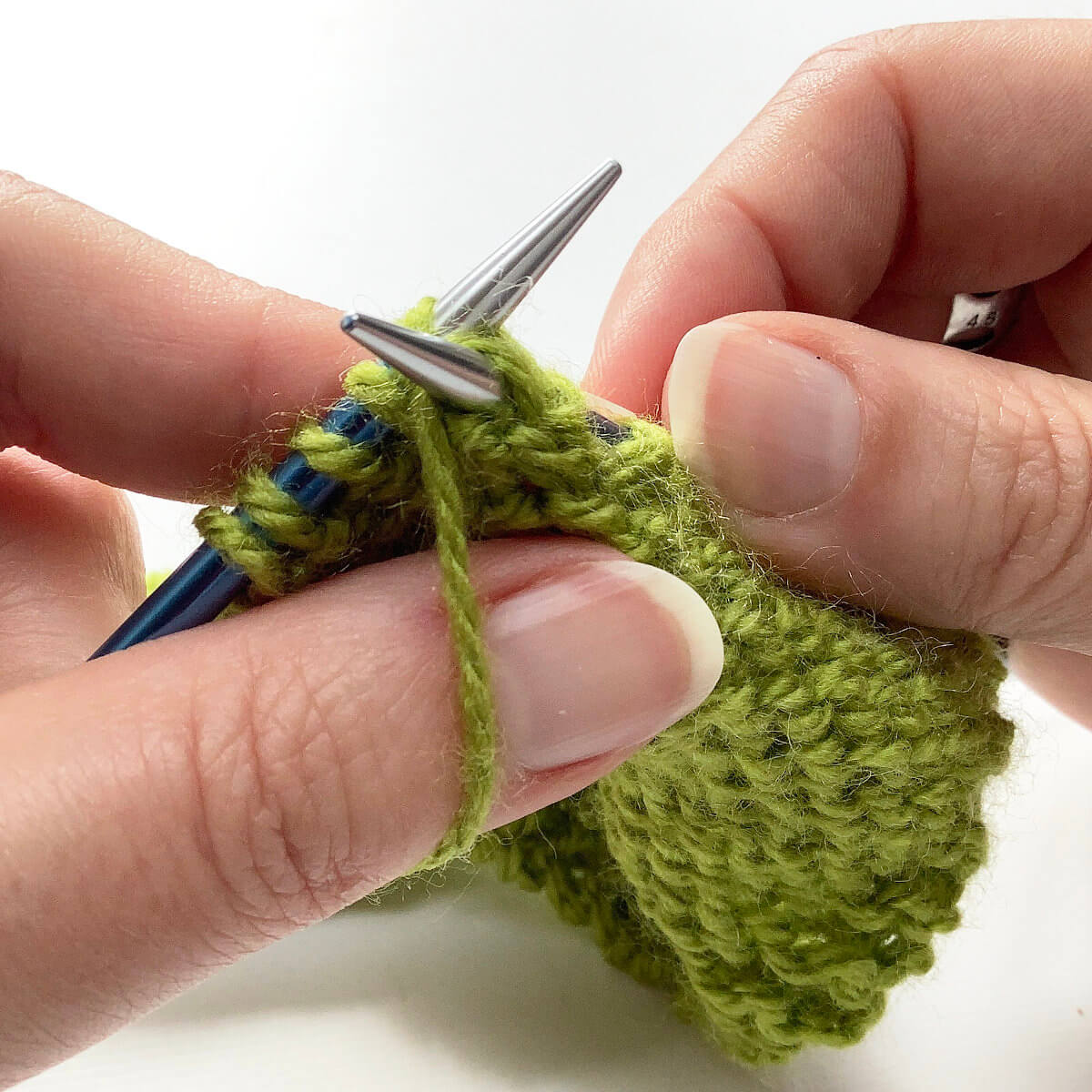
    To start, insert the tip of the right-hand needle into the first stitch as if to knit, and slip it onto the right-hand needle without actually knitting it. This is how it now looks:Step 6 - the second part of working a bunny ears decrease
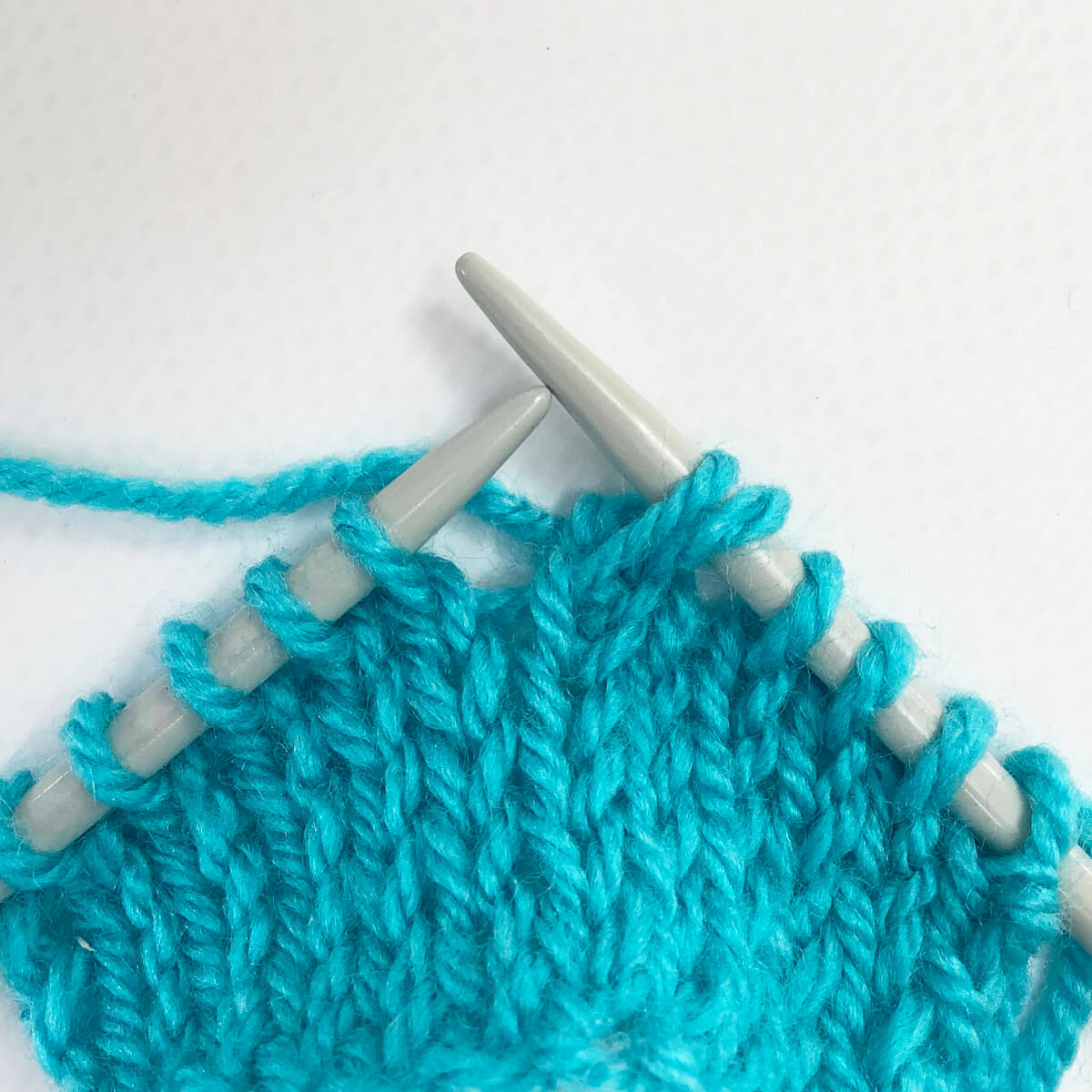
  7. Next, we knit the second stitch.

    To do so, we start with inserting the right-hand needle into the first stitch on the other needle, wrap the yarn around the needle, pull it through the stitch you inserted the right-hand needle in, and slip the original stitch off the left-hand needle.Step 7

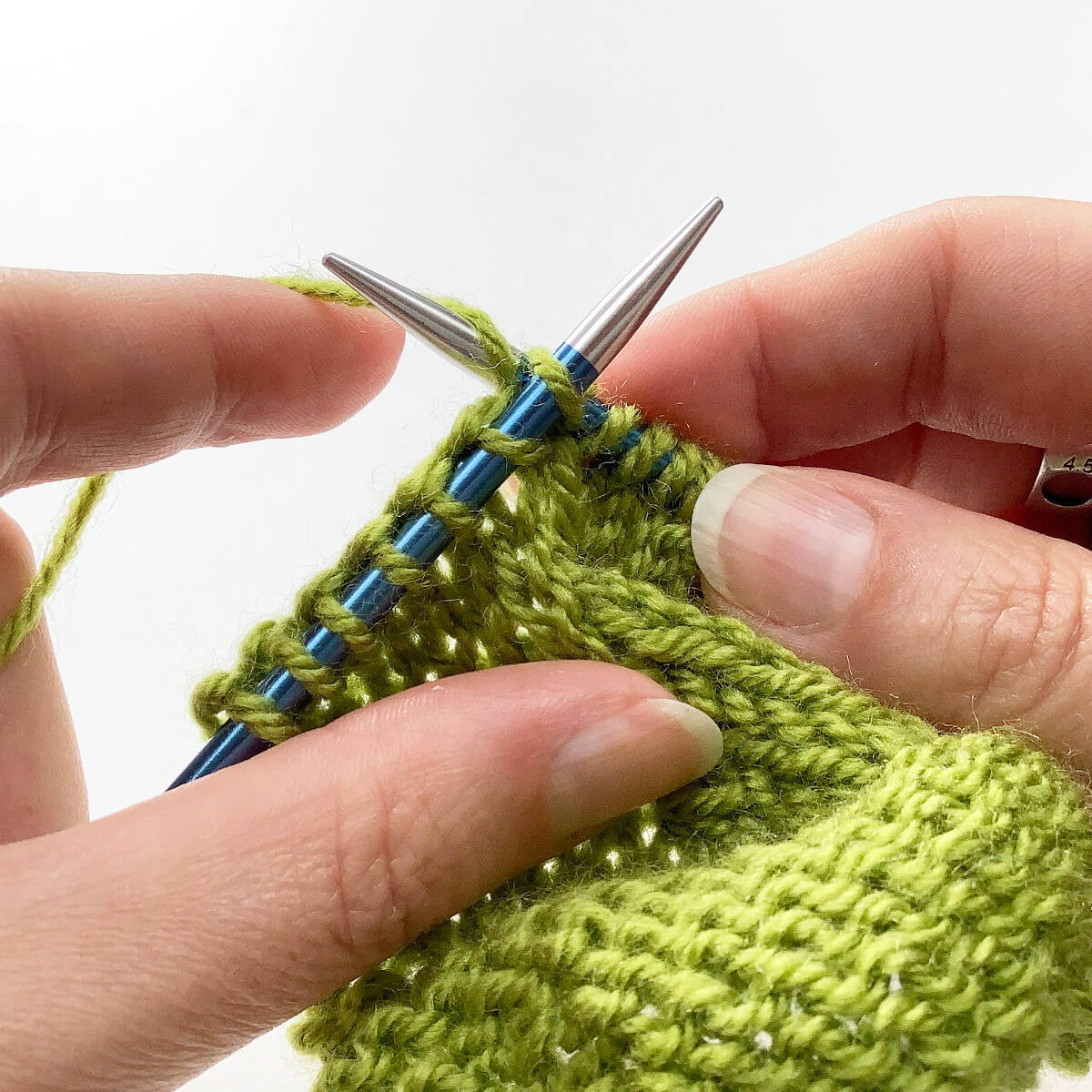
  8. Next, insert the left-hand needle into the second stitch counted from the tip of the right-hand needle…

    Step 8

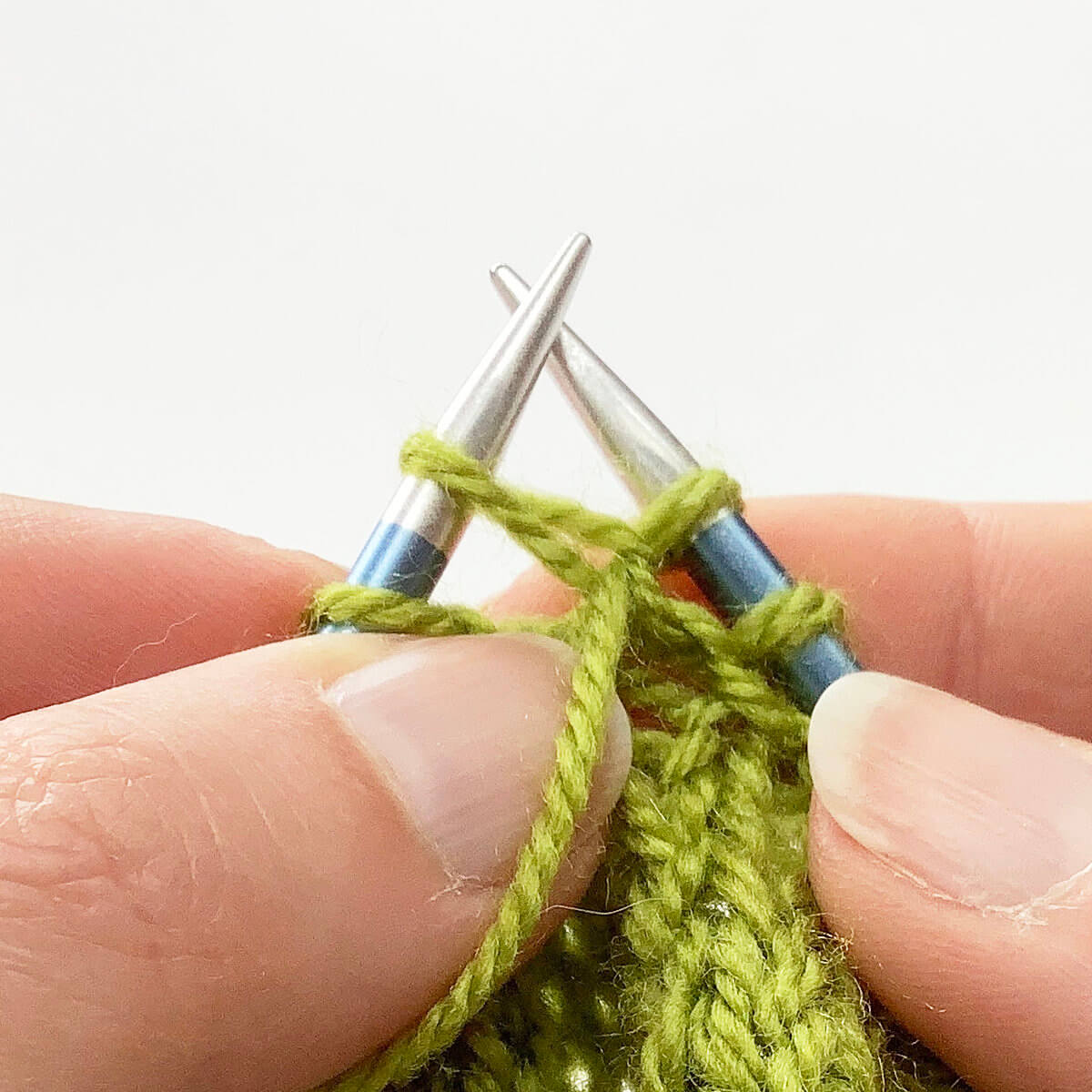
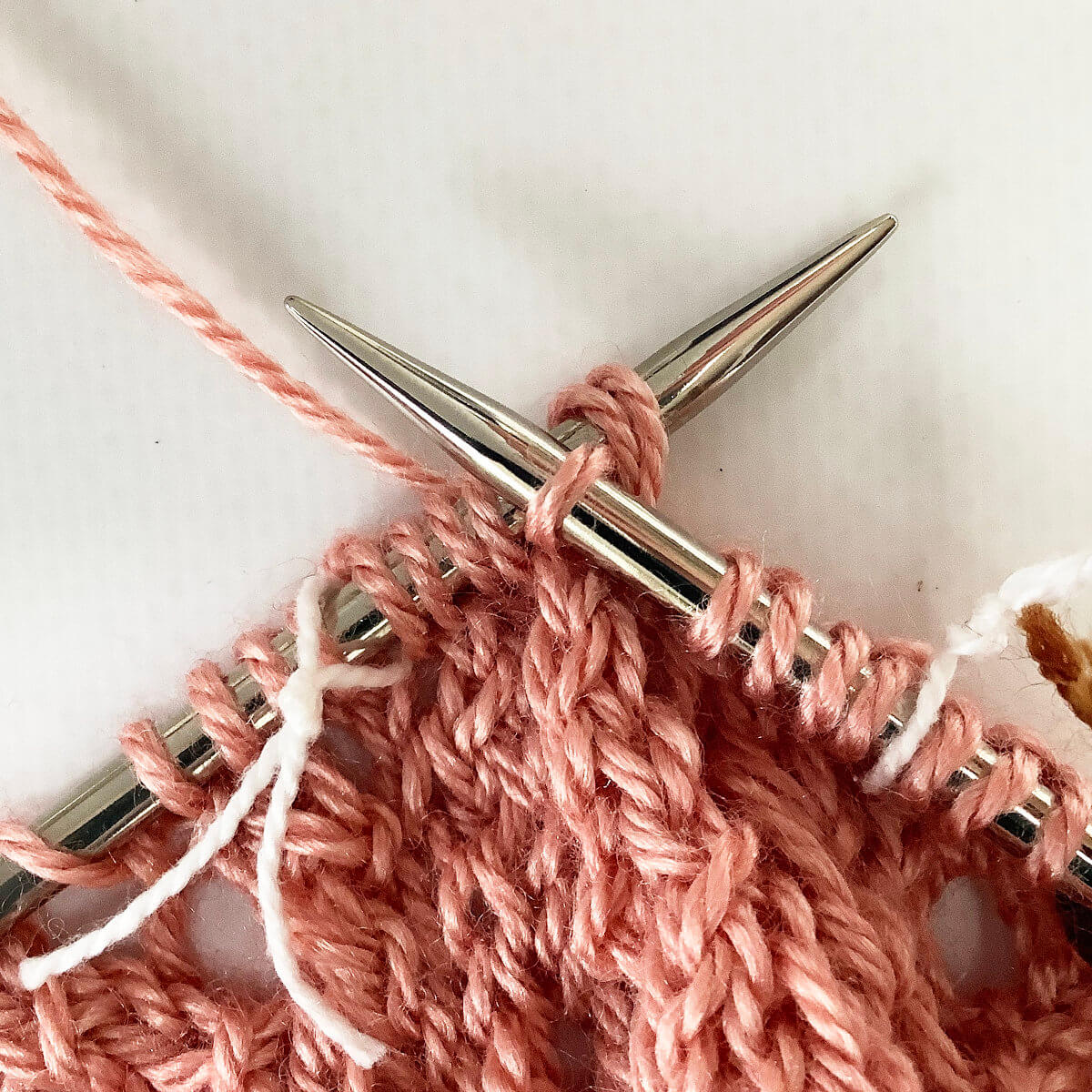
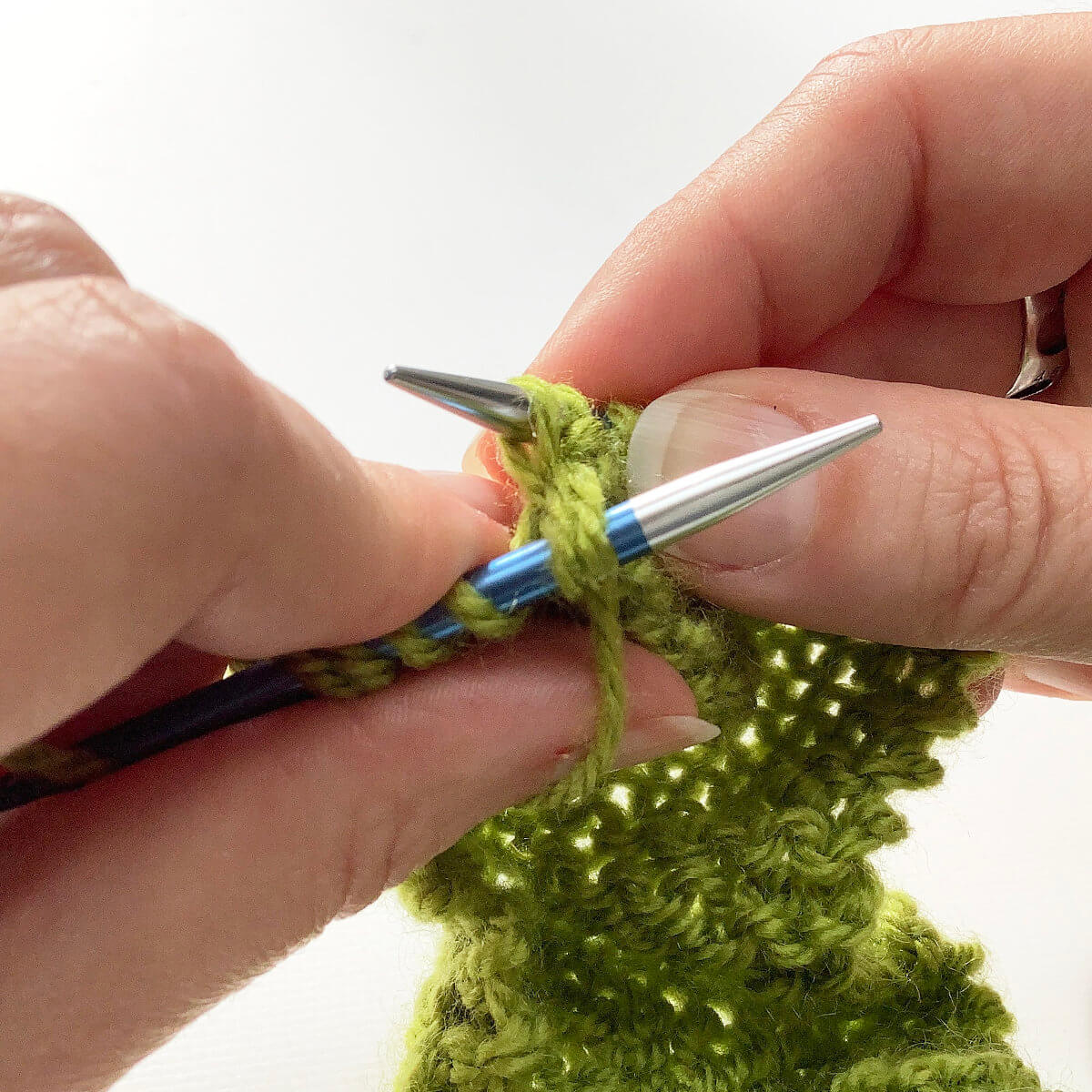
  9. … and pull it over the first stitch from the tip of the right-hand needle to complete the decrease.

    Do you see how this part of the decrease slants to the left? With this, the bunny ears decrease is finished.The result: a binny ears decrease!

And that’s all there is to it!

Patreon logo

Thanks to my Patreon supporters for bringing you this freebie! Creating quality patterns and tutorials is a lot of work and resource-intensive. However, I find it important to give you free content like this tutorial. Thanks to the generous support of my Patreon supporters, I can make it happen. Thank you, patrons! Click here to join, or click here to read more about La Visch Designs on Patreon.

tutorial – working the bunny ears decrease Read More »

stitch pattern – double lace rib

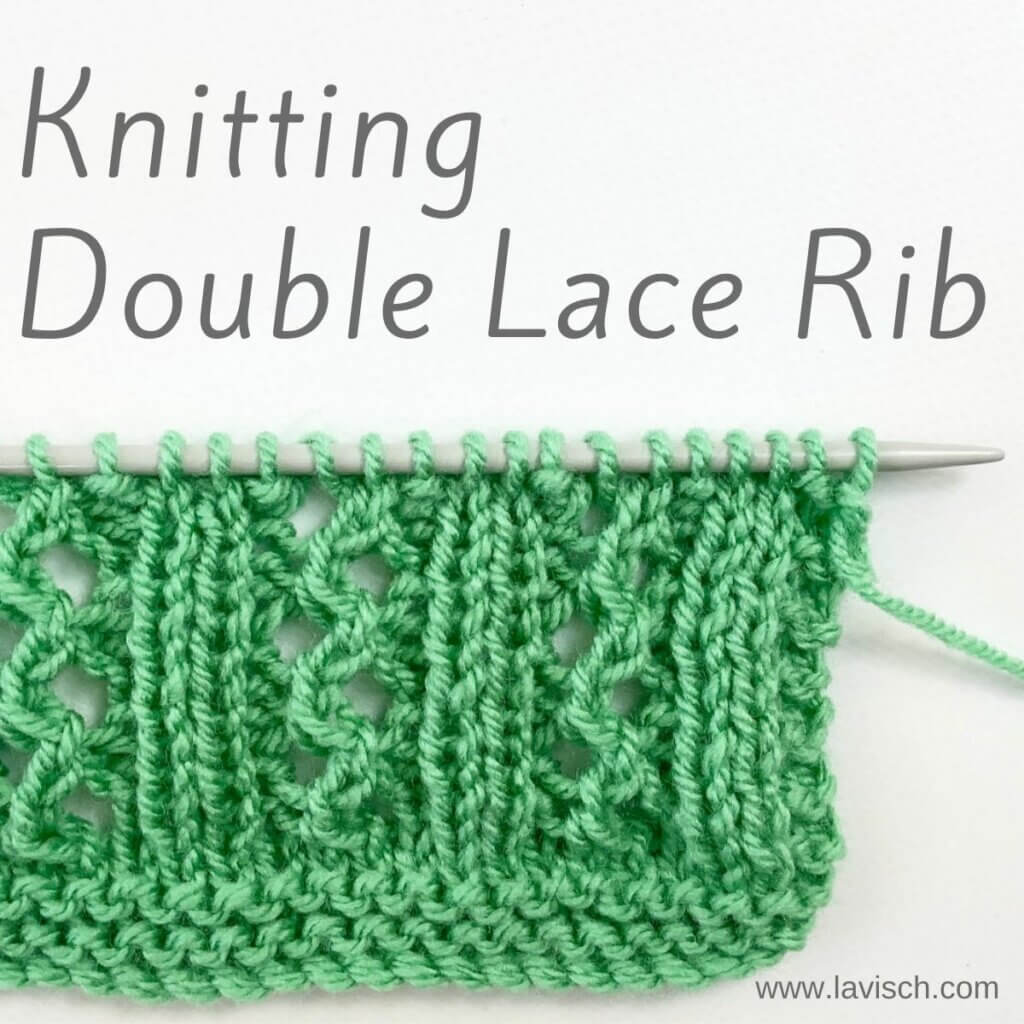
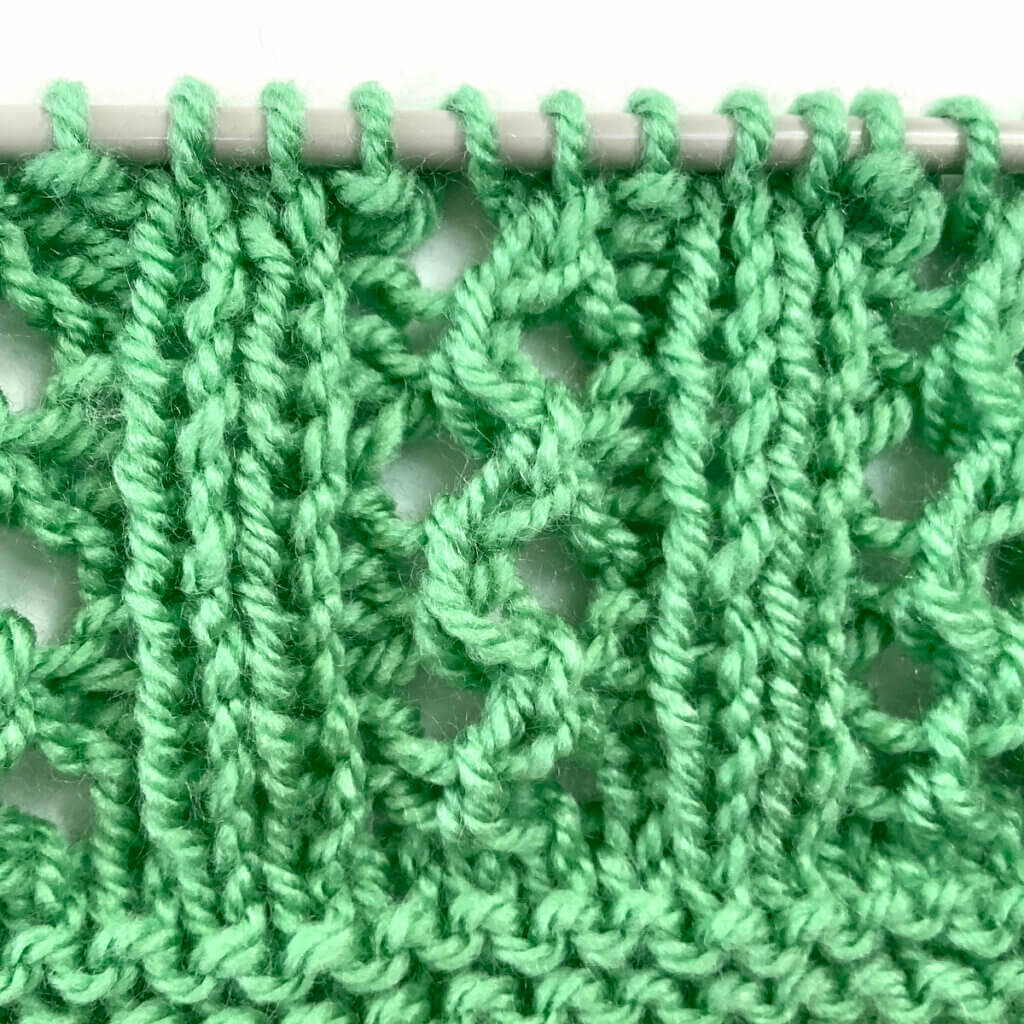
Stitch pattern - Double Lace Rib

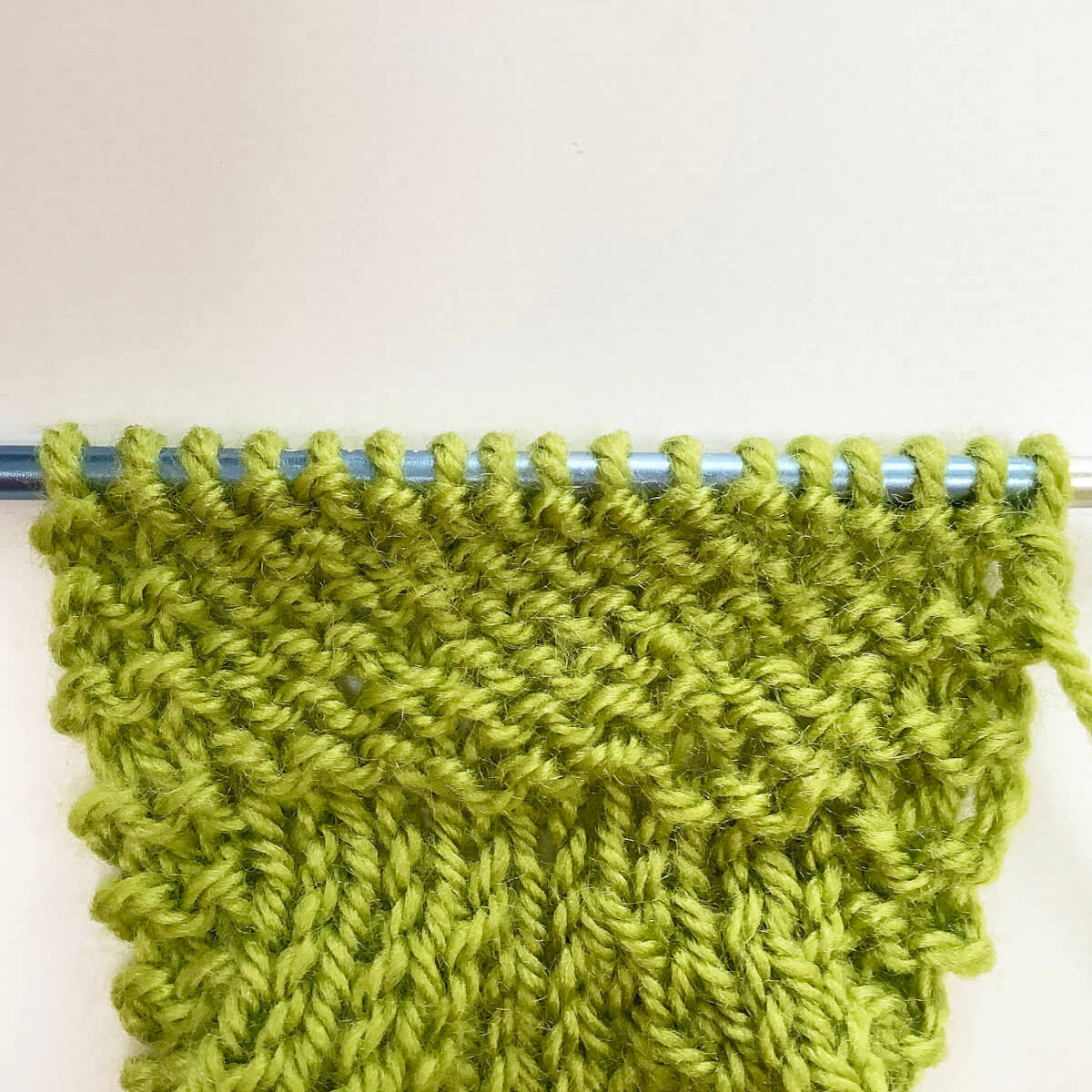
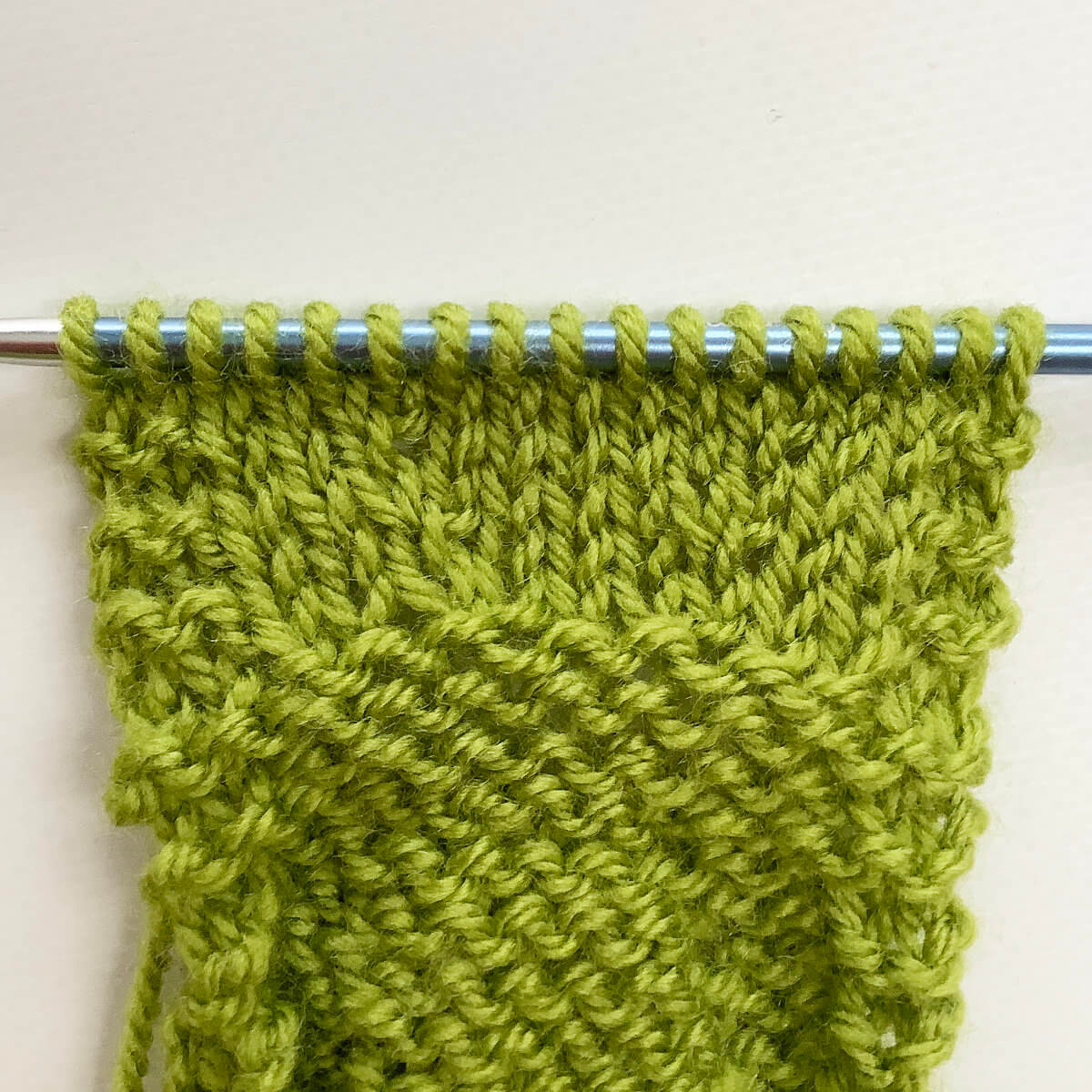
This post is about working the double lace rib stitch pattern. It works well both as an insert or as all-over patterning. This stitch pattern is worked on both right side and wrong side rows, and is a multiple of 6 + 2 stitches.

Materials used

Yarn: Paintbox Yarns Simply DK, a good value, good quality 100% acrylic yarn, here in the color 125 Spearmint Green.

Knitting needles: This is a pair of straights that I picked up at the second-hand store when I started knitting, brand unknown.

Stitches used

Double Lace Rib stitch pattern instructions

Row 1 (right side): K2, *p1, yo, k2tog tbl, p1, k2; rep from * to end.

Row 2: (wrong side): P2, *k1, p2; rep from * to end.

Row 3: K2, *p1, k2tog, yo, p1, k2; rep from * to end.

Row 4: P2, *k1, p2; rep from * to end.

Repeat rows 1-4 for pattern.

Double Lace Rib stitch pattern
Patreon logo

Thanks to my Patreon supporters for bringing you this freebie! Creating quality patterns and tutorials is a lot of work and resource-intensive. However, I find it important to give you free content like this tutorial. Thanks to the generous support of my Patreon supporters, I can make it happen. Thank you, patrons! Click here to join, or click here to read more about La Visch Designs on Patreon.

stitch pattern – double lace rib Read More »

tutorial – working a pfb

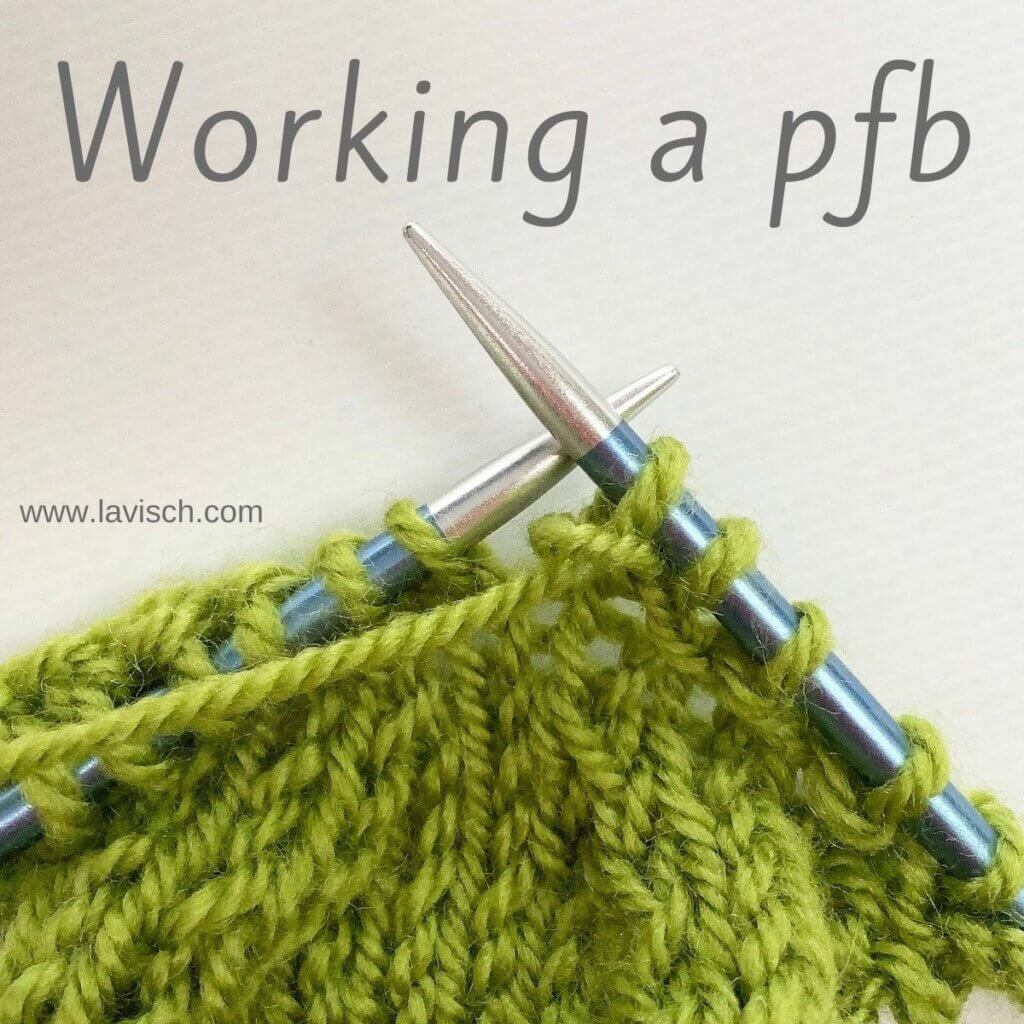
Tutorial - Working a pfb

There are lots of ways to increase the number of stitches on your needle. Purling in the front and back of the same stitch, also known as the pfb increase, is the purl side version of the kfb increase. In other words: you work the pfb on the purl side of the fabric, which is often the wrong side) to get an extra stitch that looks like the kfb increase on the knit- or right side of stockinette fabric. This increase can be a bit tricky to work at first, but once you know how to do it, you will breeze right through them.

The pfb increase is also known as a “bar increase” because it forms a little horizontal bar in your work. Due to this little bar, this increase is virtually invisible in garter stitch. When used in stockinette, as shown in this tutorial, it forms a series of decorative bars along the increase line when viewed from the knit side of the fabric. This how-to will give you step-by-step instructions on how to work the “purl front and back” increase.

Materials used

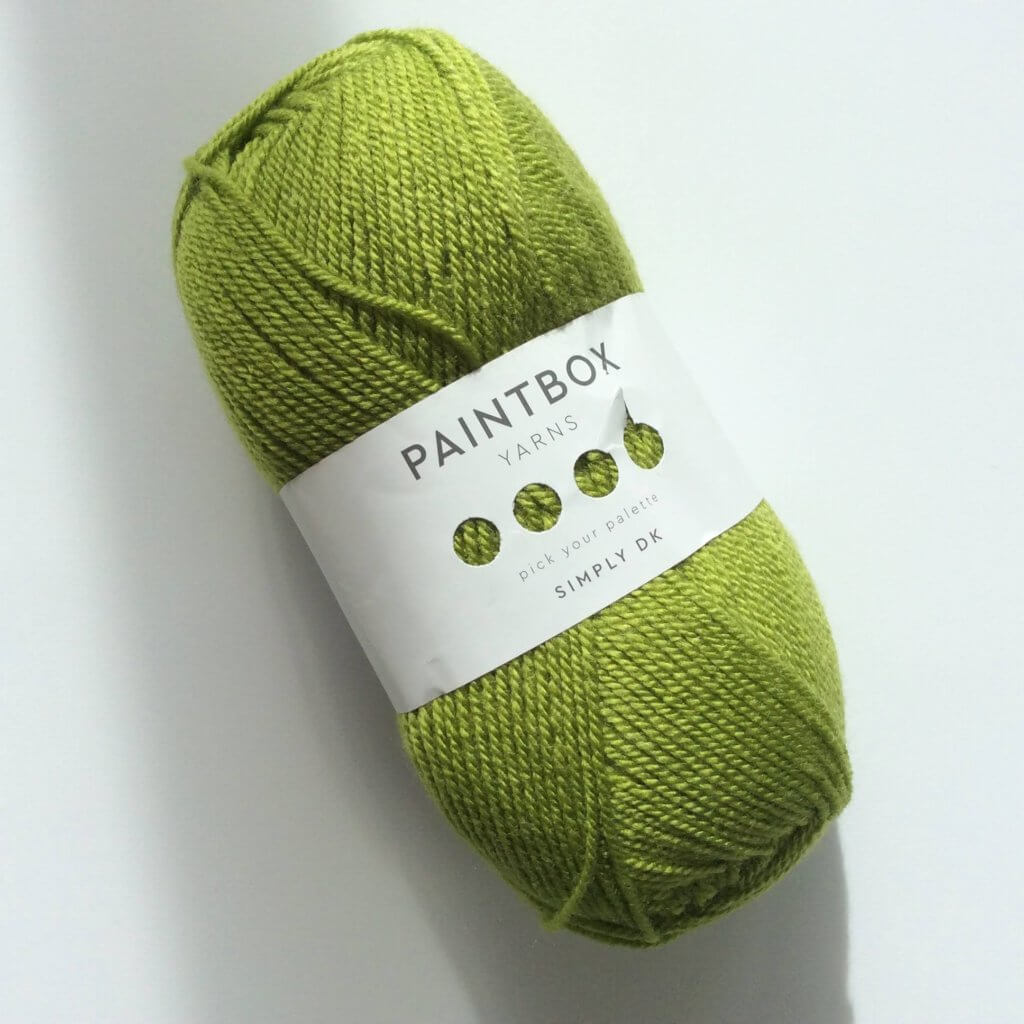
Yarn: * Paintbox Yarns Simply DK, a good value, good quality 100% acrylic yarn, here in the color 128 Lime Green.

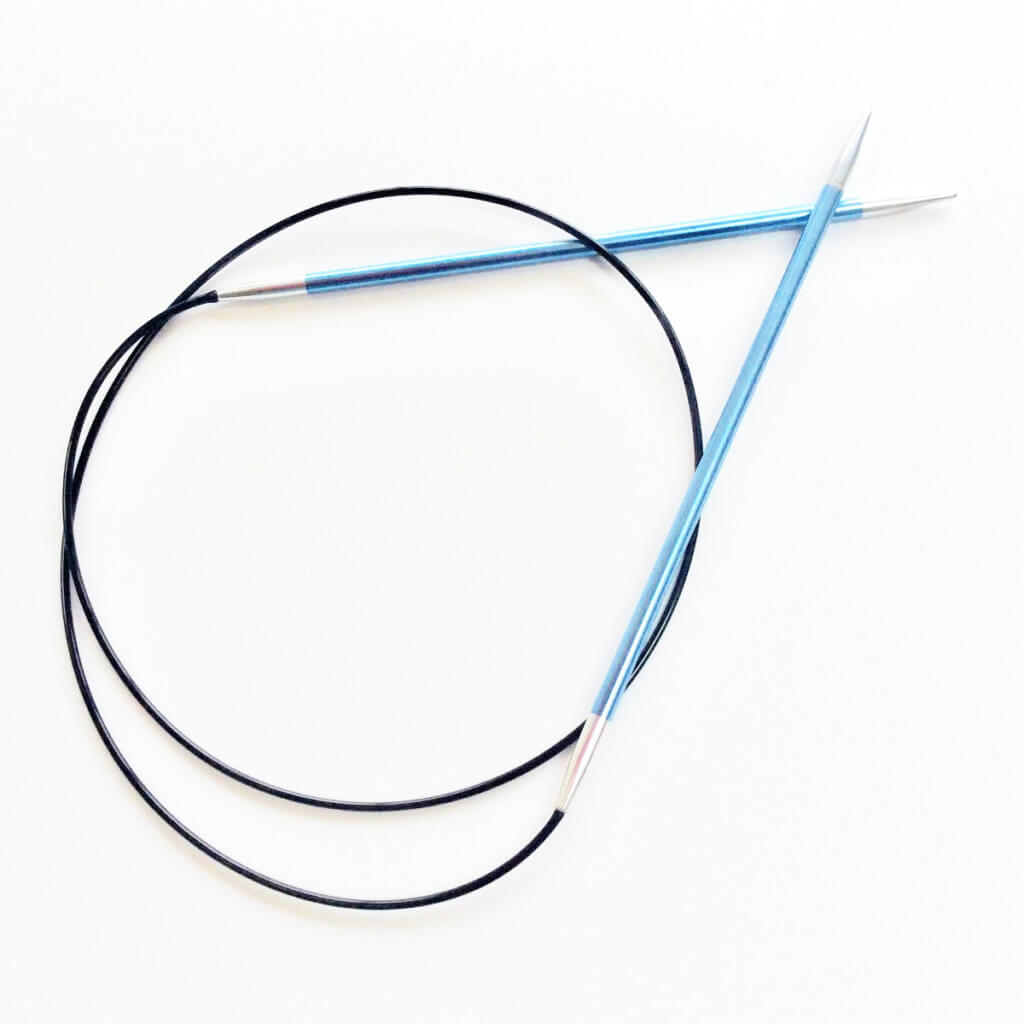
Needles: * KnitPro Zing Fixed Circular Needles. In this tutorial, I used the 4 mm (US 6) size with a cable length of 80 cm (32 inches).

Working a pfb step-by-step

In this tutorial I’ll continue the swatch that I used in previous tutorials on increases and decreases.

  1. First, work your way across the row until you’ve reached the point where you want to make the increase.

    In this case, I want the increase 2 sts in from the garter stitch border on the right. A pfb first makes a purl stitch, followed by the extra “bar” stitch on the left of it. Because of this, I start working the pfb over the third stitch.Working a pfb - step 1

  2. To start, insert the right-hand needle purl wise into the front loop of the stitch.

    To finish this part of the stitch, wrap your yarn around the needle, and pull it through the stitch. Don’t drop it of the needle yet!Working a pfb - step 2

  3. Now we insert the right-hand needle purl wise into the back loop of the stitch.

    To do so, insert the needle from the left to the right through the back loop. This is the tricky part, I find it helps to pull the fabric down a bit as shown in the picture, because it makes it easier to see where to insert the needle.Working a pfb - step 3

  4. Next, wrap the yarn around the needle and pull it through the stitch.

    To complete the pfb stitch, drop the loop from the original stitch off the left-hand needle.Working a pfb - step 4

  5. This is how it looks now.

    Do you see the purl stitch with an extra “bar stitch” to the left of it?Working a pfb - step 5

  6. This is how it looks after some more rows with increases, when viewed from the purl side of the fabric.

    In this swatch, I’ve also made increases on the left side of the fabric. Very invisible here!Working a pfb - the result on the purl side

  7. And here is the view from the knit side of the fabric.

    When viewed from this side, it really looks like a kfb, right?!Working a pfb - The result on the knit side

And that’s all there is to it!

Patreon logo

Thanks to my Patreon supporters for bringing you this freebie! Creating quality patterns and tutorials is a lot of work and resource-intensive. However, I find it important to give you free content like this tutorial. Thanks to the generous support of my Patreon supporters, I can make it happen. Thank you, patrons! Click here to join, or click here to read more about La Visch Designs on Patreon.

tutorial – working a pfb Read More »

tutorial – working a double crochet bind-off

Working a double crochet bind-off

In this tutorial I’ll show you how to work a double crochet bind-off. As you know, there are many ways to bind off knitted fabric, which one to choose depends greatly on various factors. Take the amount of stretch in the bind-off itself, for example. The Russian bind-off is wonderful for lace shawls that are blocked to the max, but is less suitable for projects that need more structure at the bind-off edge. For that an i-cord bind-off may be more suitable. Another thing to take into account is the way it looks, does it match the cast-on used?

The double crochet bind-off is reasonably flexible and, due to its taller height when compared with other bind-offs, a pretty good match with the German twisted cast-on. Let’s take a look at how it’s worked!

Materials used

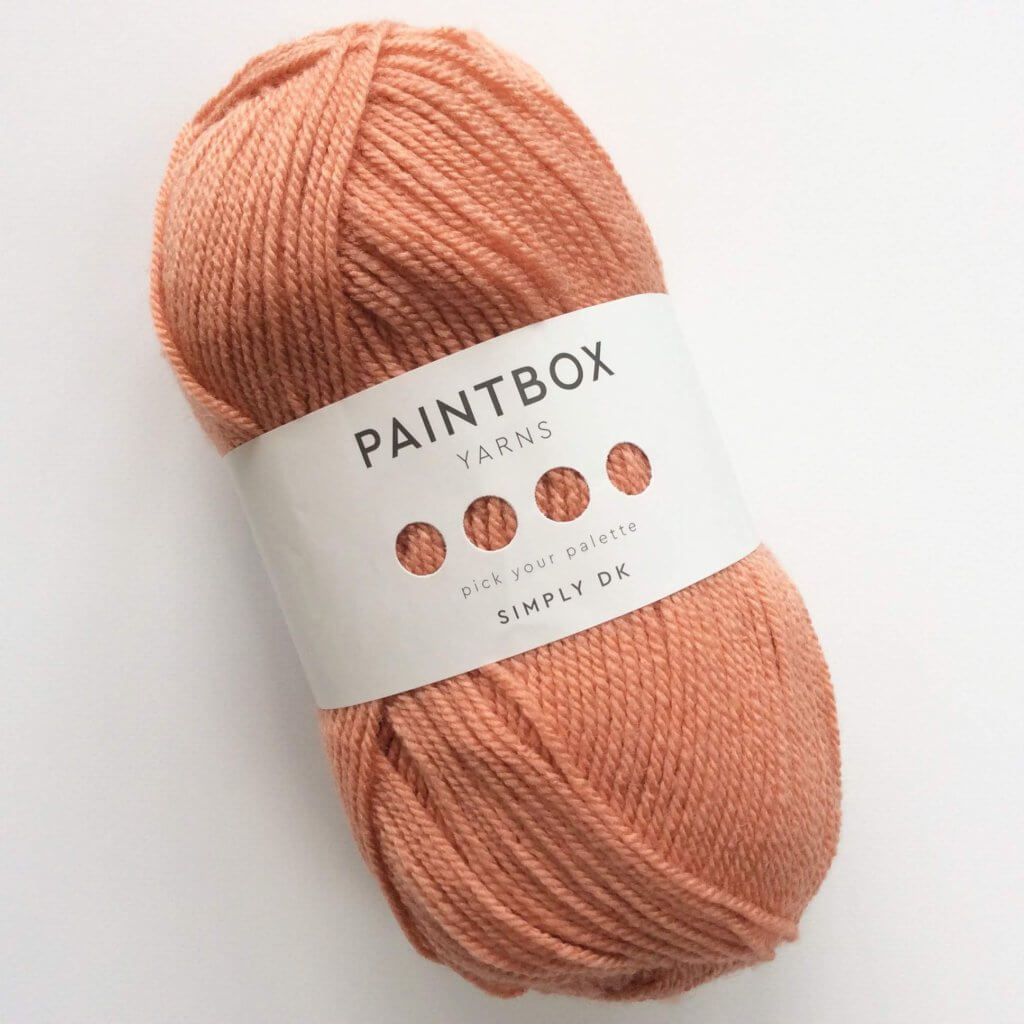
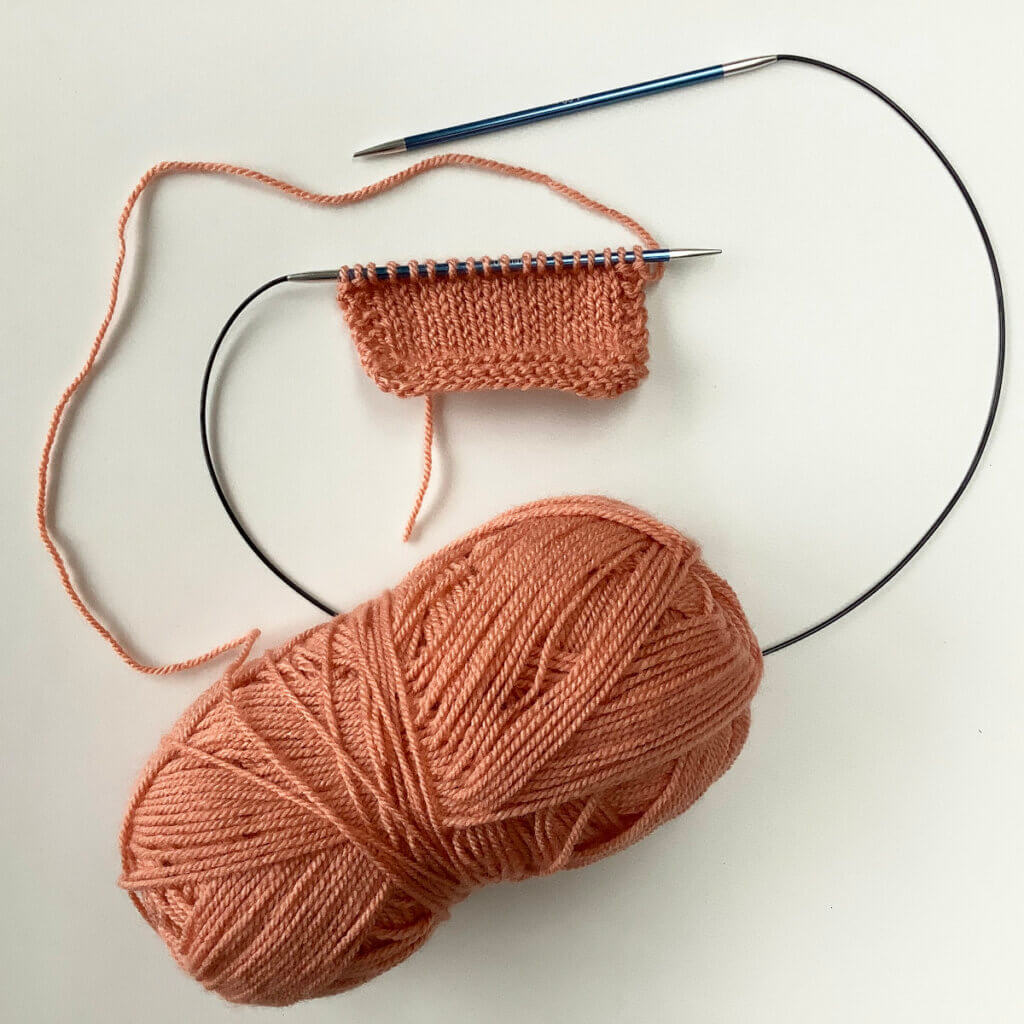
Yarn: * Paintbox Yarns Simply DK, a good value, good quality 100% acrylic yarn. Pictured here in the color 155 Vintage Pink.

Needles: * KnitPro Zing Fixed Circular Needles. In this tutorial, I used the 4 mm (US 6) size with a cable length of 80 cm (32 inches).

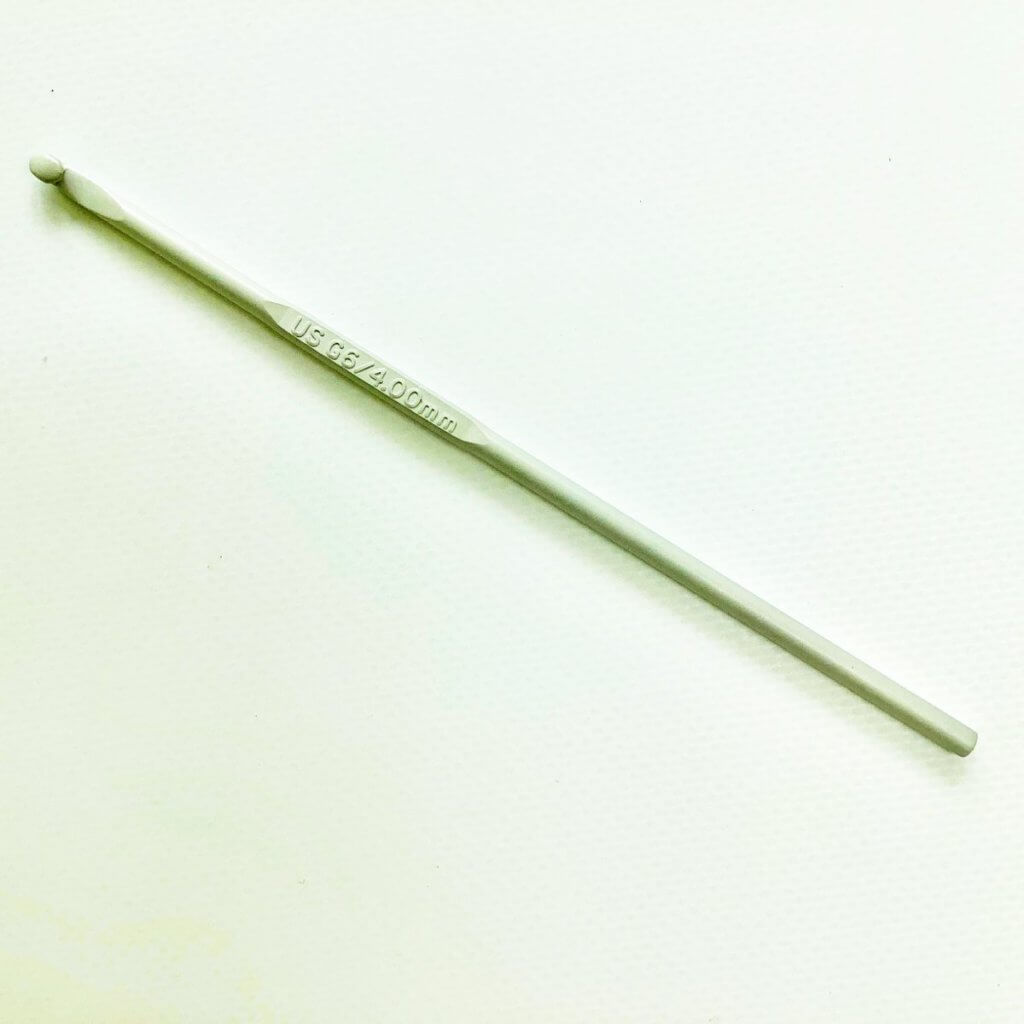
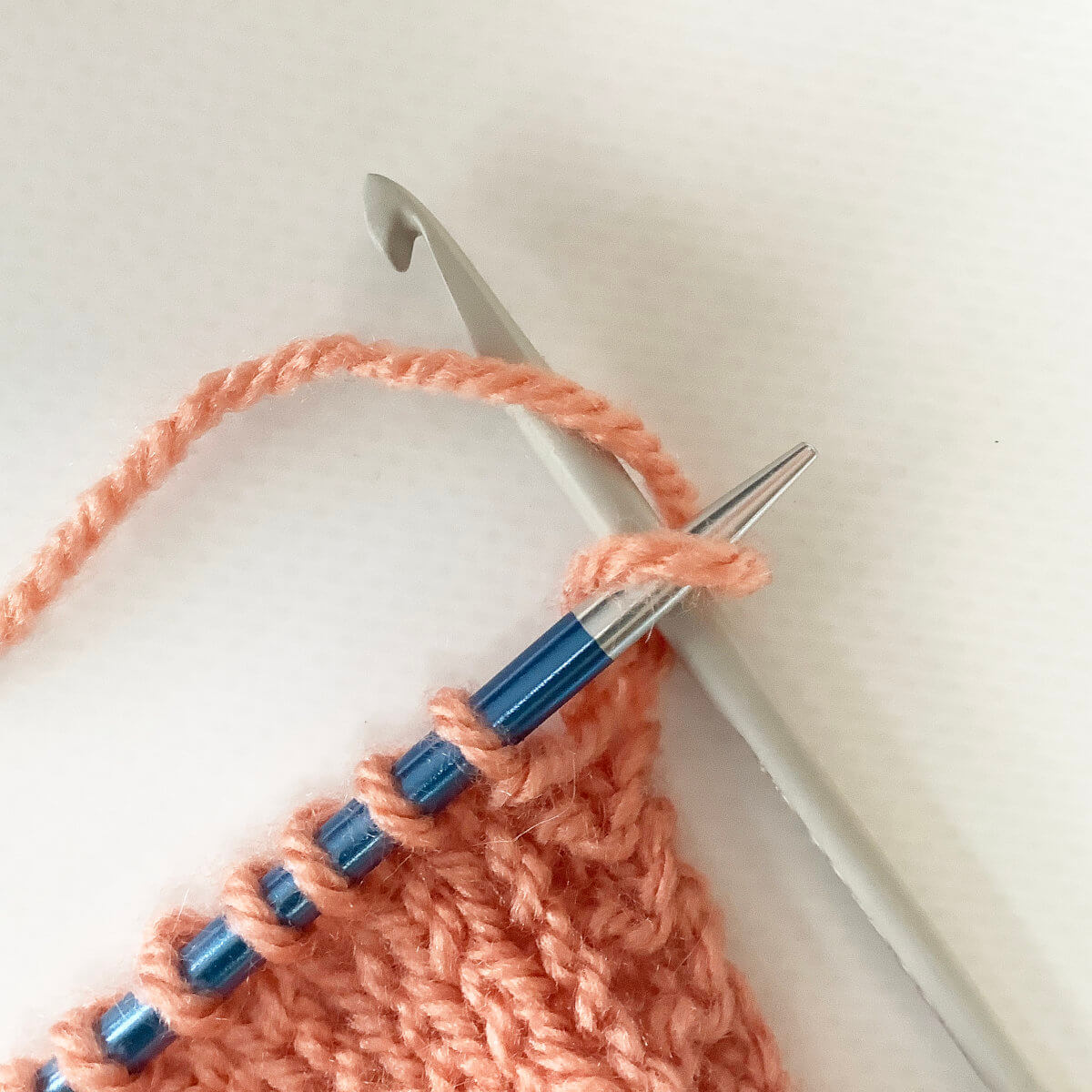
A crochet hook in the same size or slightly smaller than your knitting needles. For example this * Pony Aluminum Crochet Hook in size 4 mm.

Working a double crochet bind-off step by step

Working a double crochet bind-off - 1

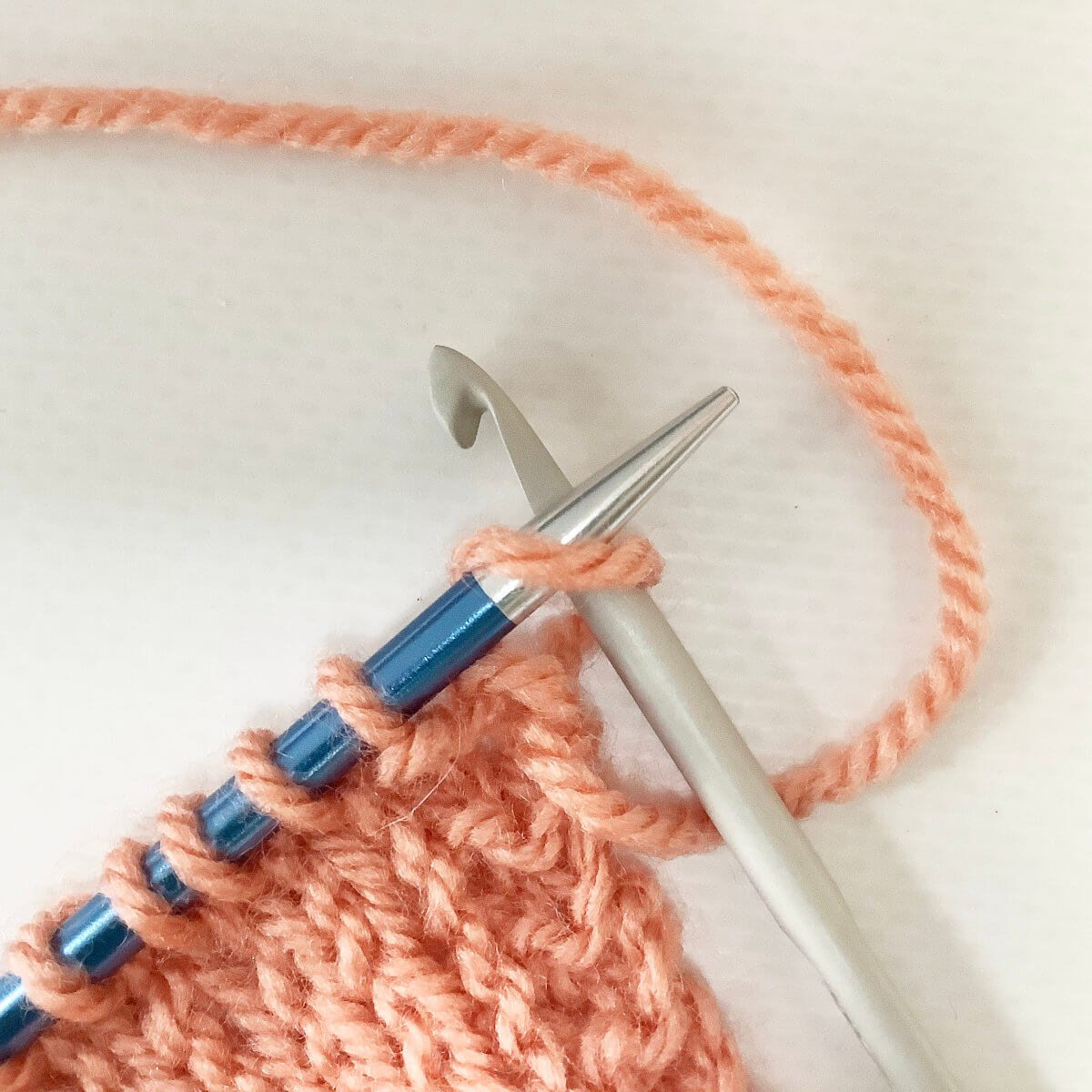
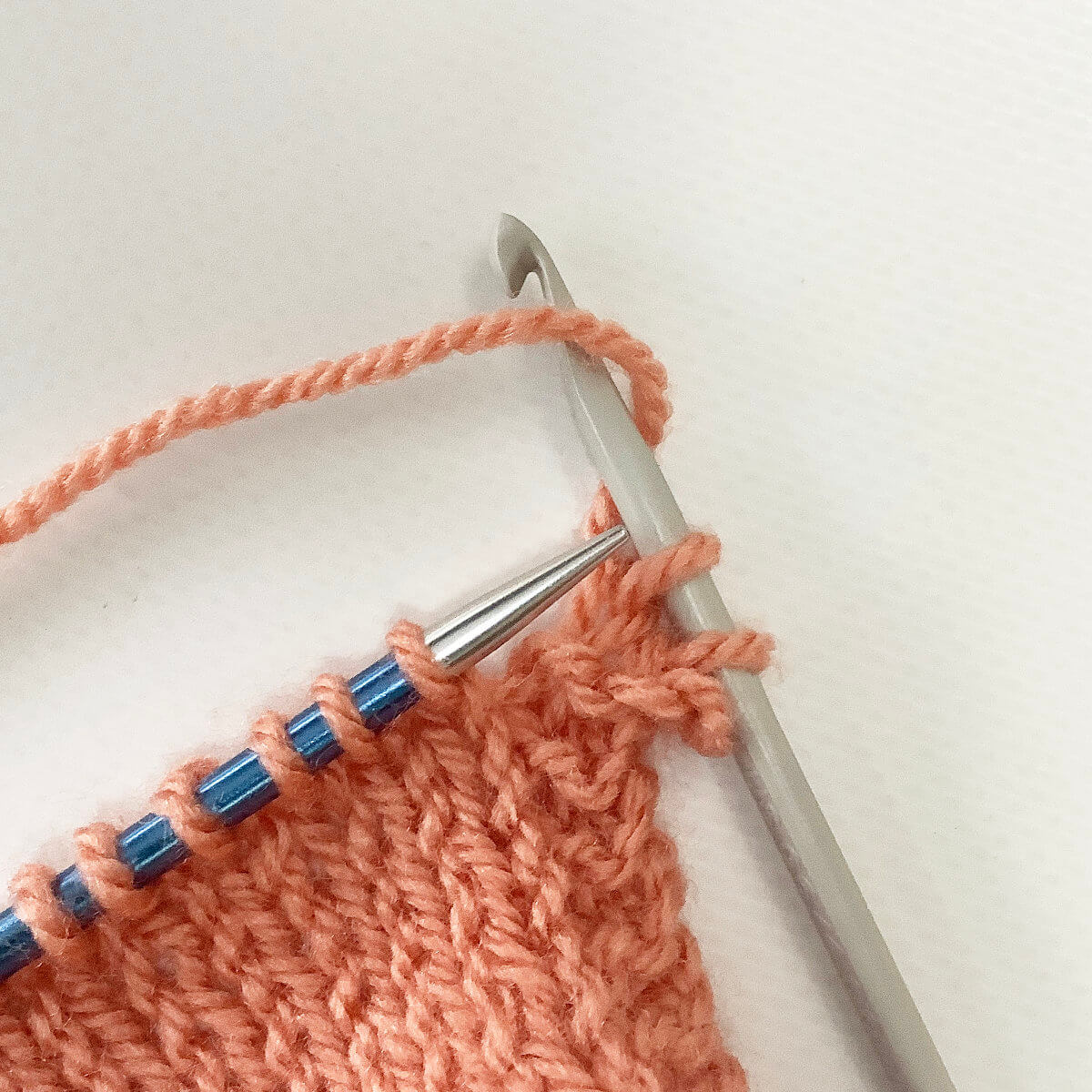
  1. First, insert your crochet hook into the first stitch on the needle knit wise.

    Working a double crochet bind-off - 2

  2. Next, wrap the yarn around the hook….

    Working a double crochet bind-off - 3

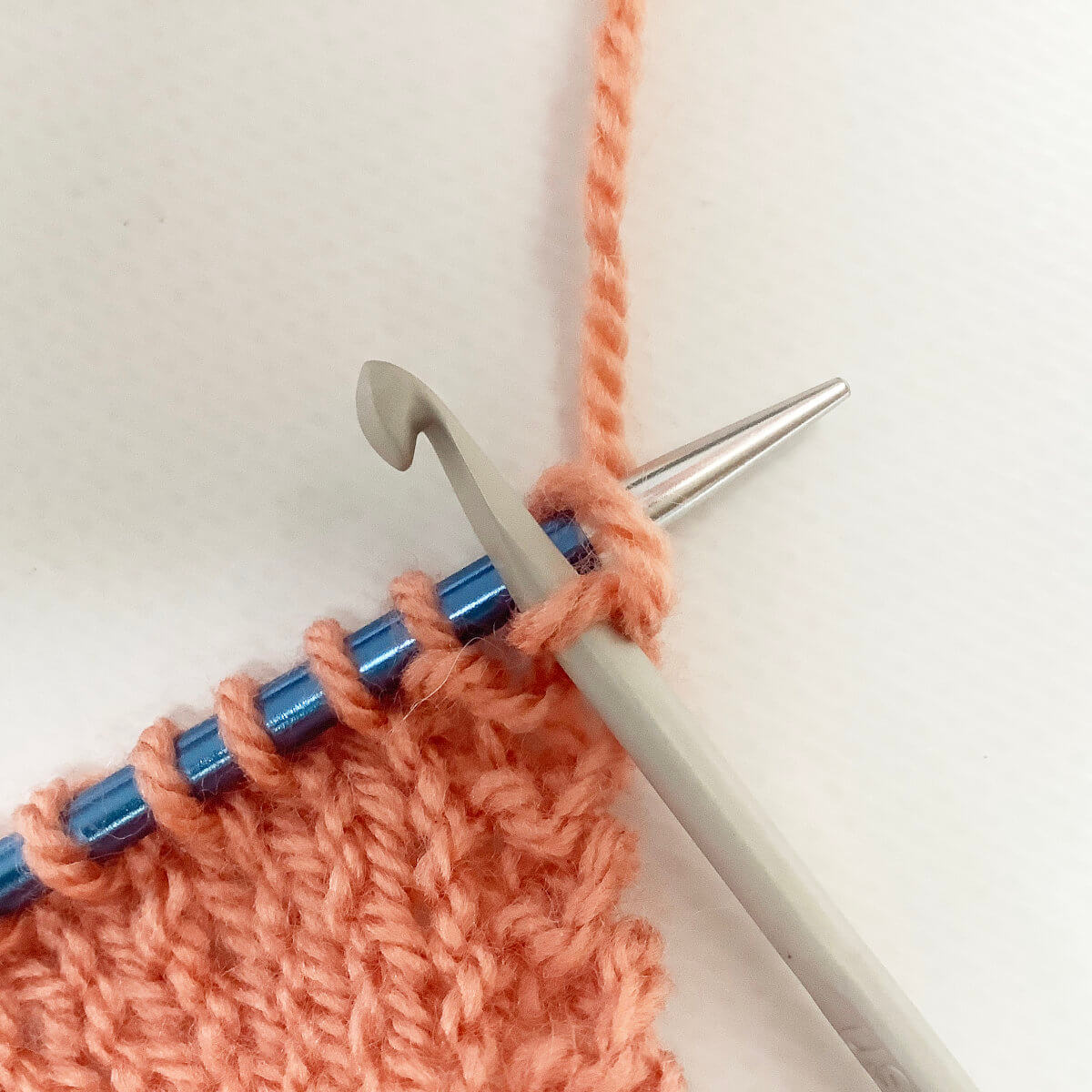
  3. …and pull it through the stitch on the needle.

    Working a double crochet bind-off - 4

  4. Next, remove the stitch and let it drop from the needle.

    Working a double crochet bind-off - 5

  5. Repeat steps 1-4 once.

    Now you have 2 loops on your crochet hook.Working a double crochet bind-off - 6

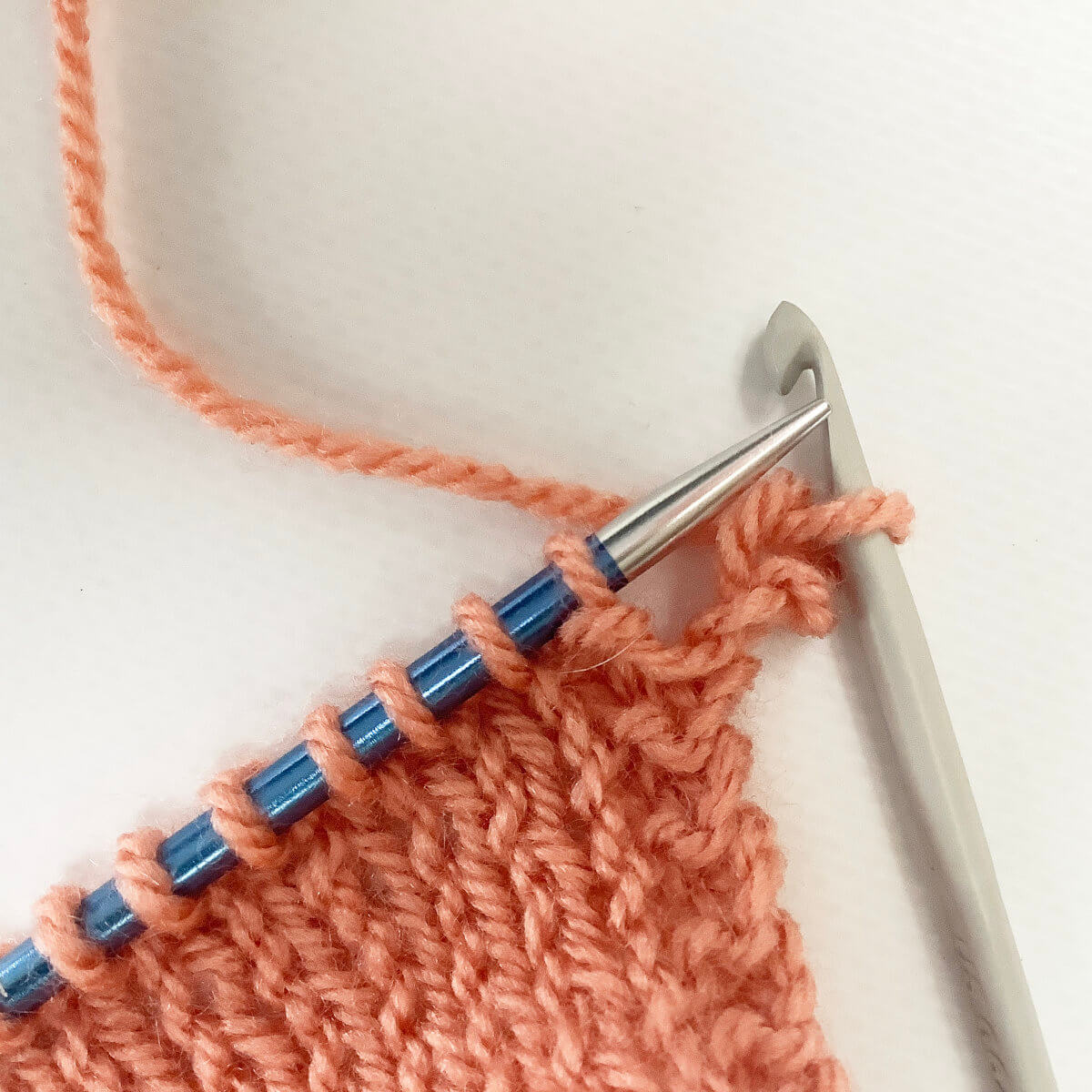
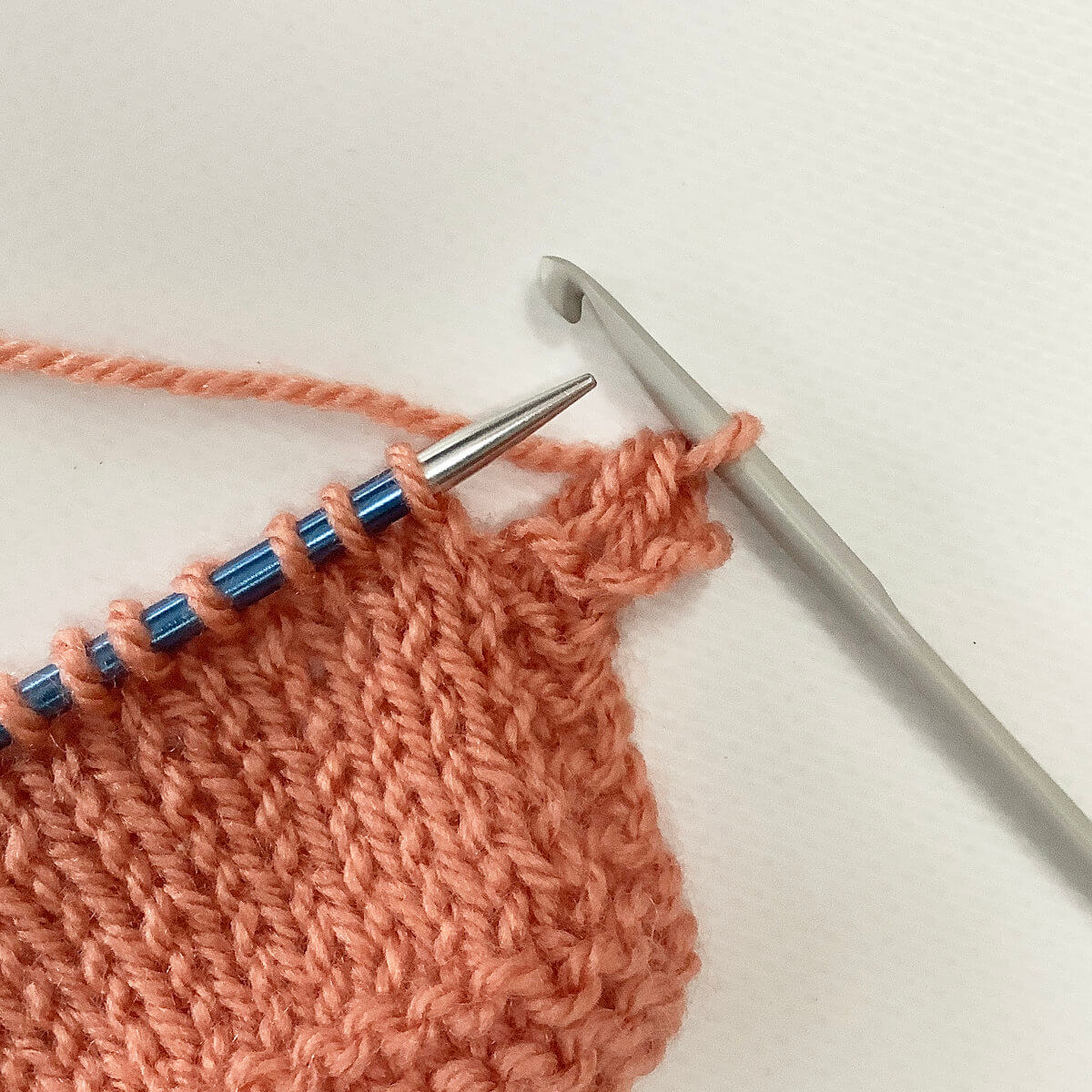
  6. Now wrap your yarn around the crochet hook…

    This is the start of the “double crochet” part of this bind-off.Working a double crochet bind-off - 7

  7. …and pull the wrapped yarn through both loops that are on the hook.

    Working a double crochet bind-off - 8

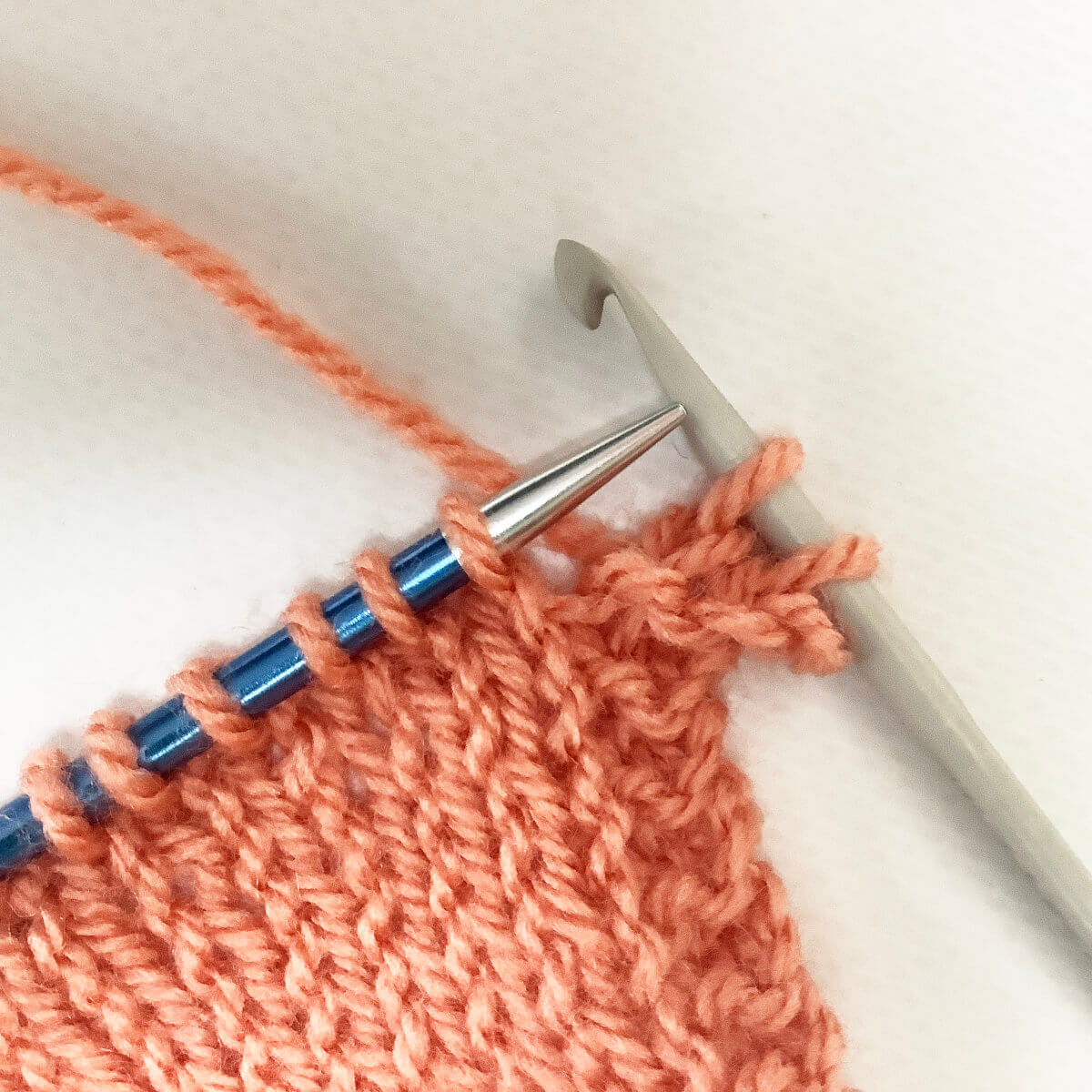
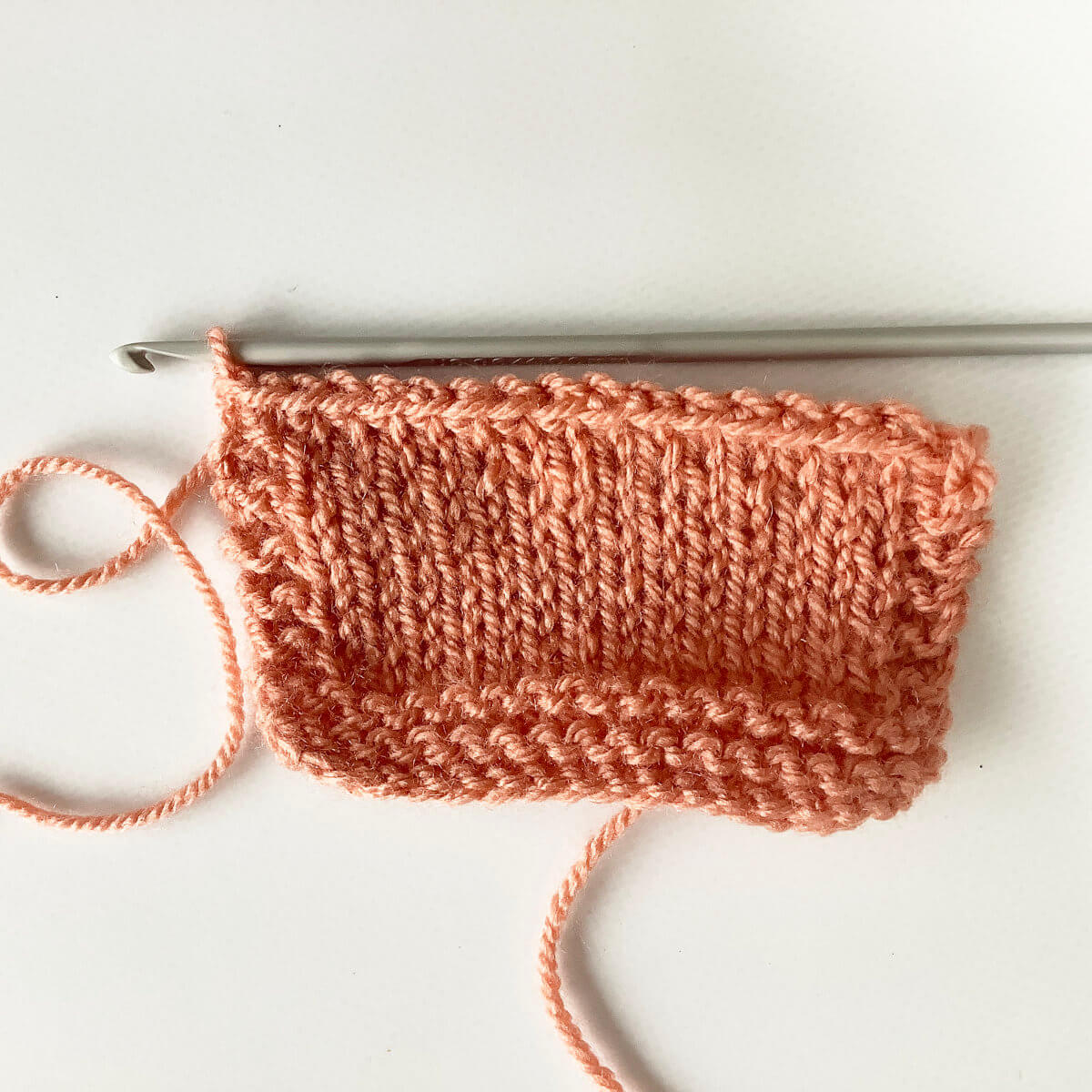
  8. Repeat steps 5 to 7 until all stitches are bound off.

    This is how it looks:Working a double crochet bind-off - the result

Patreon logo

Thanks to my Patreon supporters for bringing you this freebie! Creating quality patterns and tutorials is a lot of work and resource-intensive. However, I find it important to give you free content like this tutorial. Thanks to the generous support of my Patreon supporters, I can make it happen. Thank you, patrons! Click here to join, or click here to read more about La Visch Designs on Patreon.

tutorial – working a double crochet bind-off Read More »

tutorial – inserting an afterthought life line

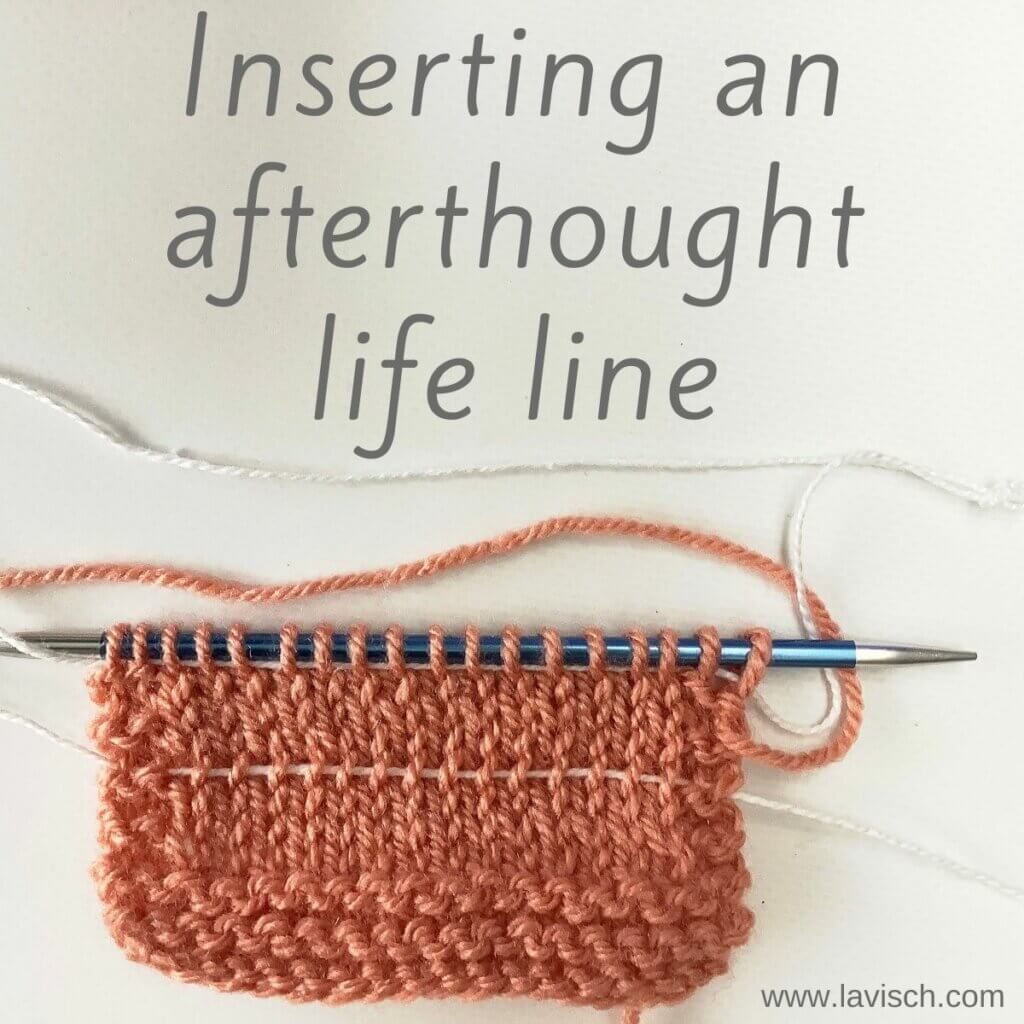
Tutorial inserting an afterthought life line

As shown in the post about life lines, these are very handy. They can be used for added security when you’re sure that a certain stretch of knitting is error-free. Just insert the life line and you have a safe place in your knitting to rip back to in the event you make a mistake in your knitting. But what to do when you’ve forgotten to add in a life line?

No worries! In that case you can insert an afterthought life line. In this post I’ll show you how.

Materials used

Yarn: * Paintbox Yarns Simply DK, a good value, good quality 100% acrylic yarn. Pictured here in the color 155 Vintage Pink.

Needles: * KnitPro Zing Fixed Circular Needles. In this tutorial, I used the 4 mm (US 6) size with a cable length of 80 cm (32 inches).

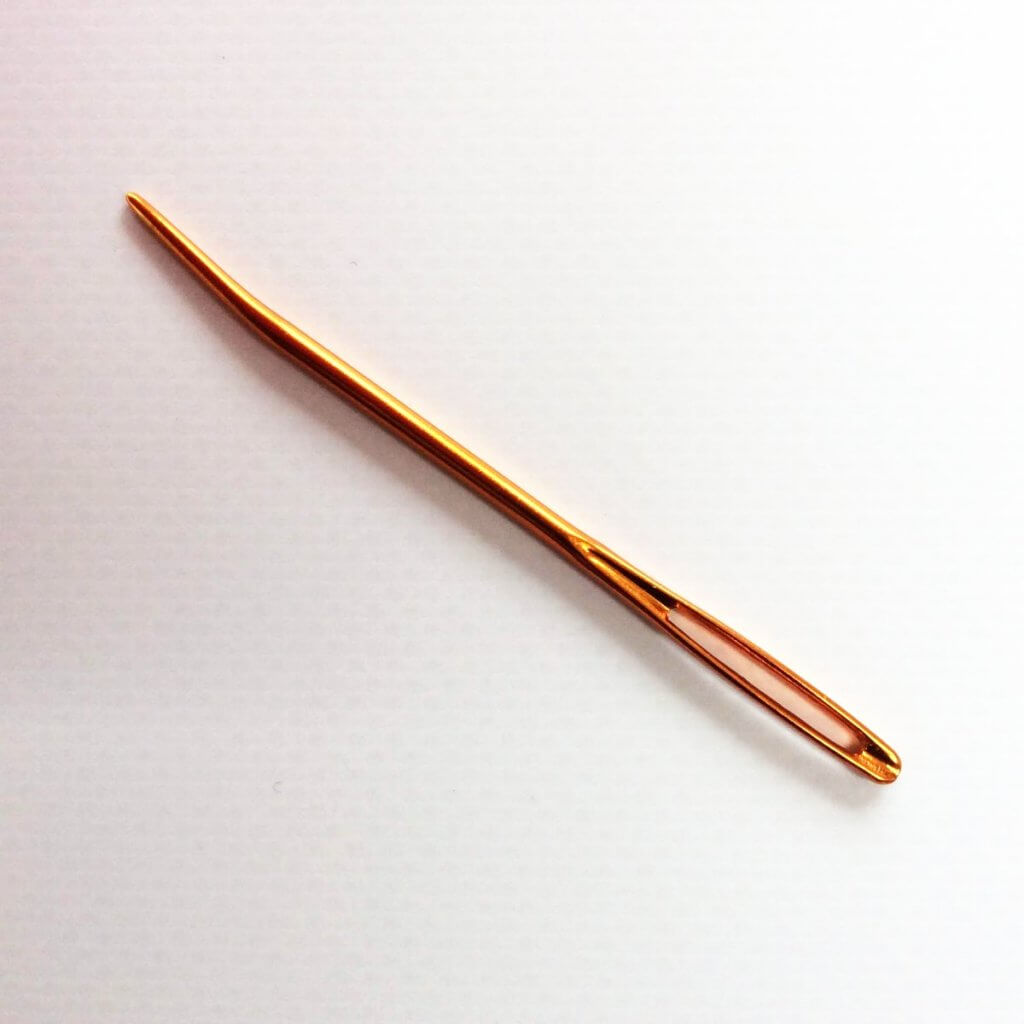
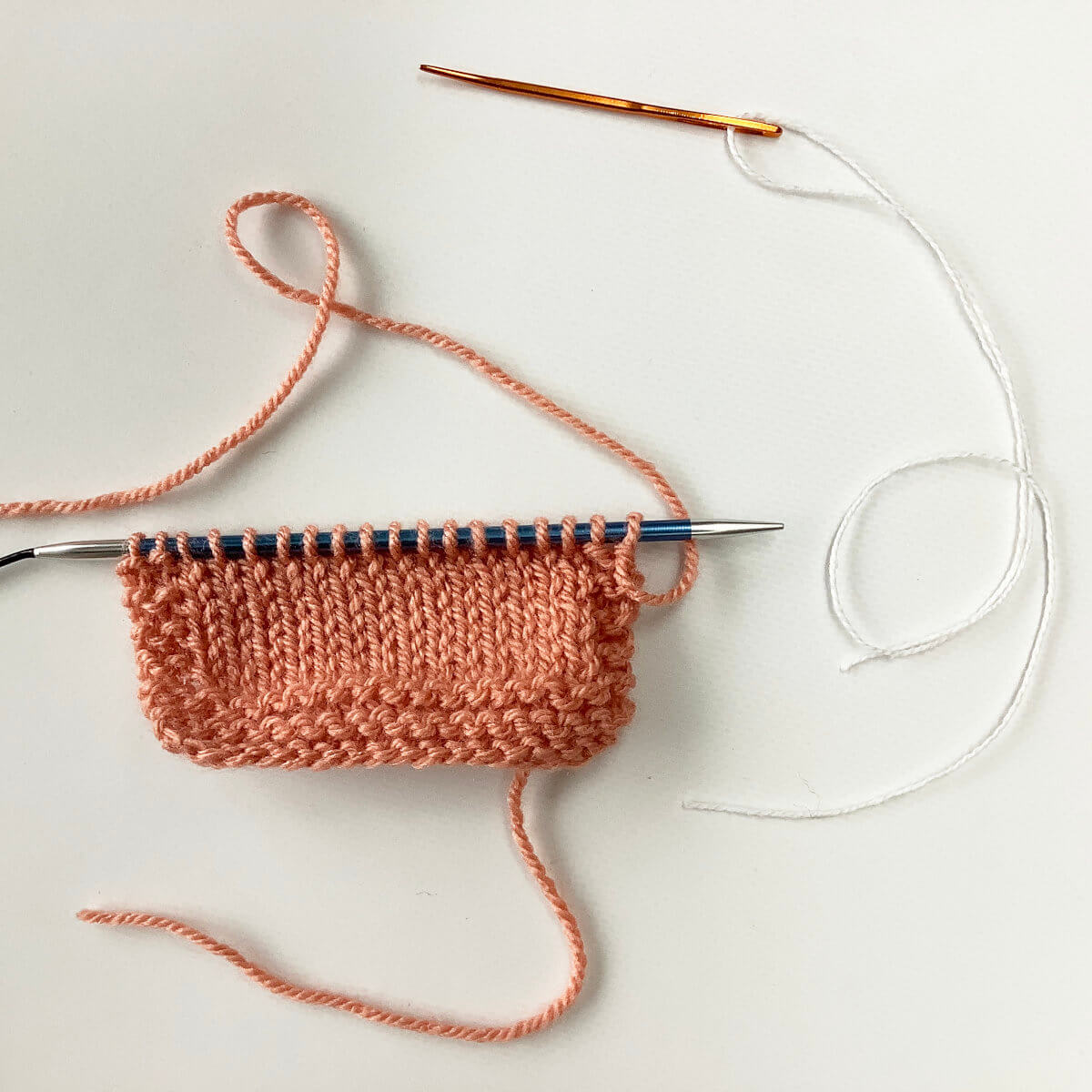
Darning needle: * Hiya Hiya Darn It Yarn Needle, or any other tapestry needle, threaded with yarn.

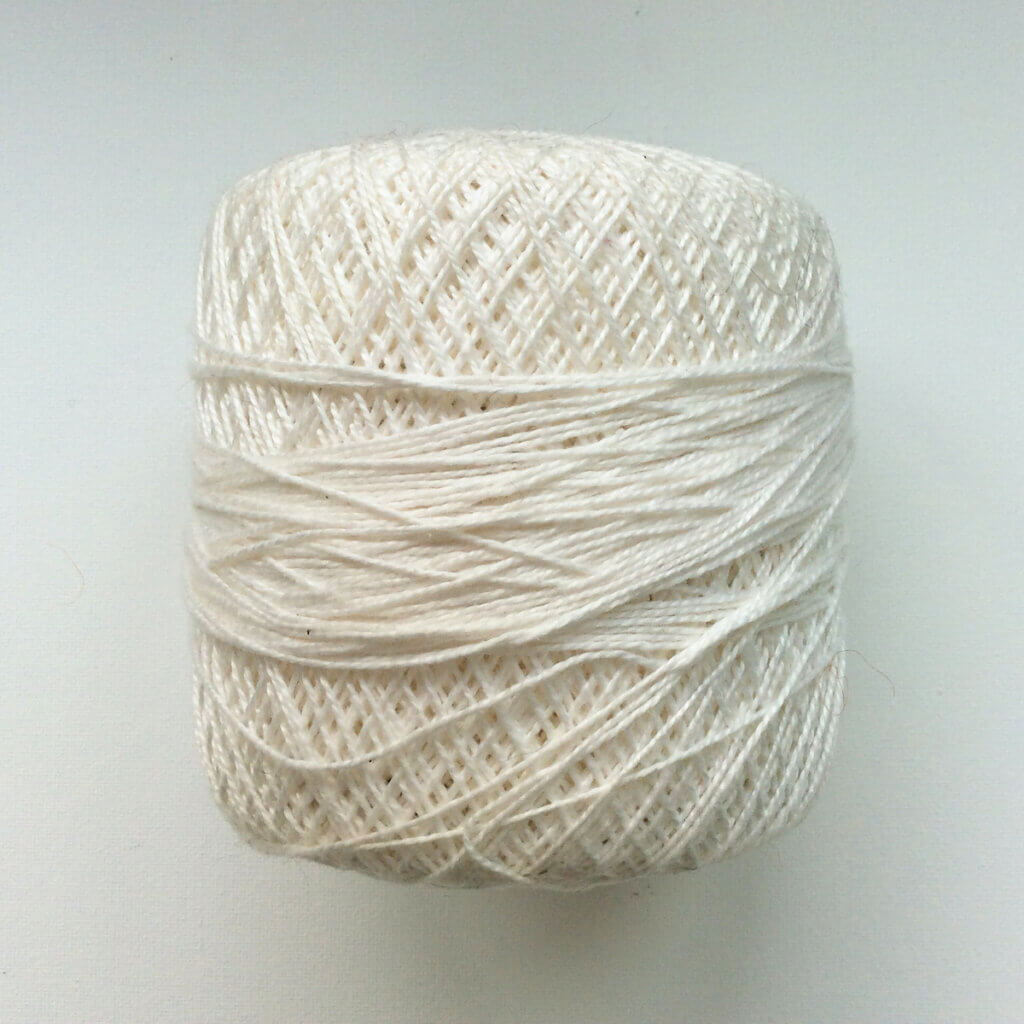
Crochet cotton: Manuela N° 5 from Schoeller+Stahl, a 100% mercerized cotton 6-ply thread (200 m (219 yds) / 50 g)

Inserting an afterthought life line step by step

In this example, I’m using the same stockinette swatch as for the previous life line tutorial. I’ll use it to show you how to insert a life line using a darning needle and thread. When doing so in a piece of knitted lace, you may find it easiest to do so after a plain knit of purl row if that’s possible in your patterning.

  1. First, make sure you have your thread and darning needle ready.

    Don’t cut your thread too short, or you may not have enough length to thread through all stitches, and allow for some stretch.Using life lines - getting everything ready

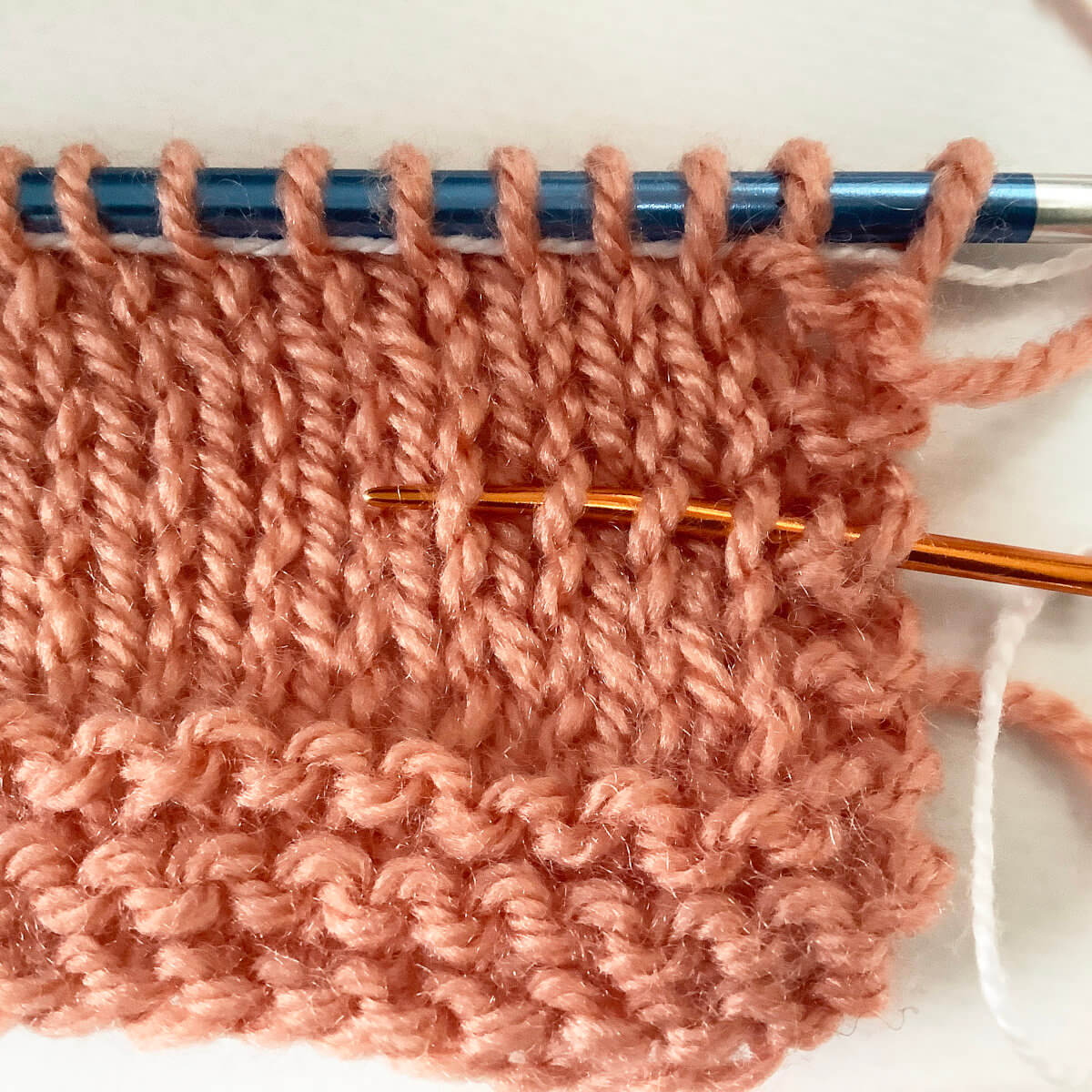
  2. Next, identify the row and stitches to insert the life line in, take your darning needle and insert it through the first couple of stitches on the needle.

    For this, it is of importance to correctly select which “leg” of the stitch to insert the darning needle under. In stockinette stitch fabric, the individual stitches look like a “V”. When inserting the needle, make sure to insert pass it underneath the right leg and over the left leg of the “V”. This way the stitches are mounted correctly on the life line. When doing it like this, you just have to follow the path of the life line when putting the fabric back on your knitting needle, to correctly mount the stitches there too. In other words: not twisted! Take care not to pierce any strands of yarn.Step 2 of inserting an afterthought life line

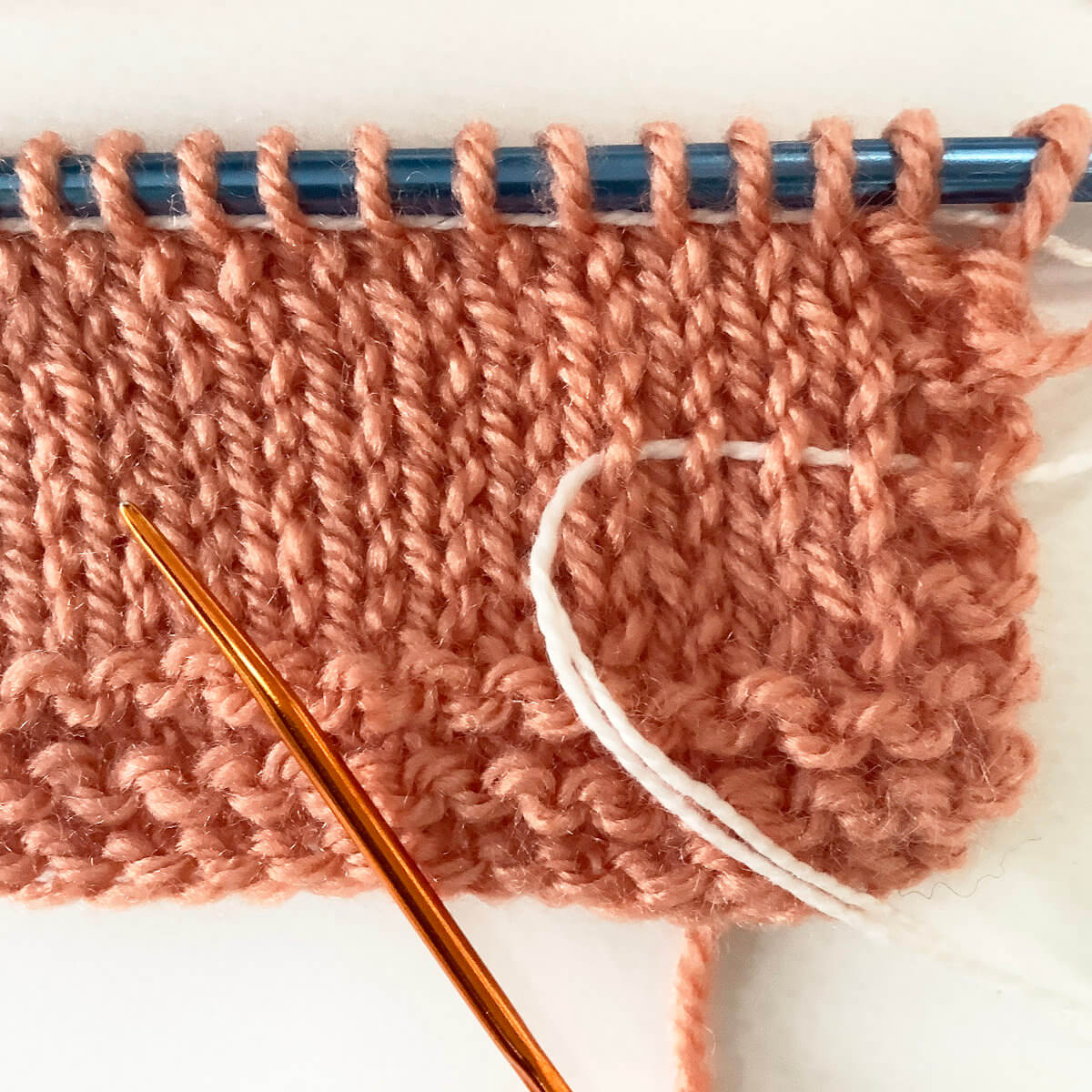
  3. After the first few stitches, pull the cotton thread through, taking care to leave a tail outside the piece of knitting.

    Then, you can insert the darning needle into the next couple of stitches and so on, to put all stitches on the thread.

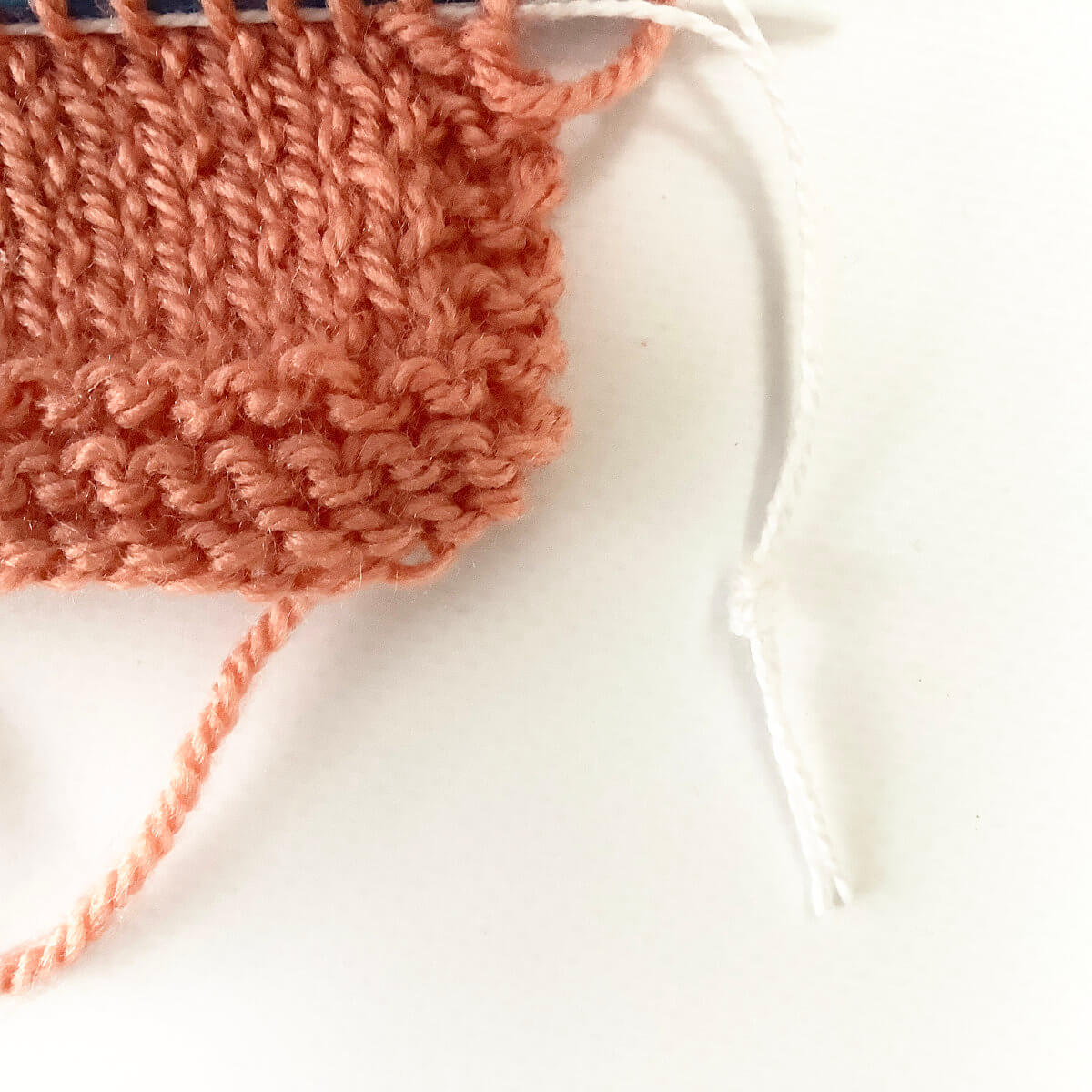
  4. Now we have to secure the life line.

    To do so, I prefer making a loose knot in the ends of the cotton thread.Securing the life line

  5. And this is the result!

    When the life line is no longer needed, just undo the knot and pull the thread out of the knitting. Or follow the path of the life line through the stitches with a knitting needle before ripping back your knitting…

Patreon logo

Thanks to my Patreon supporters for bringing you this freebie! Creating quality patterns and tutorials is a lot of work and resource-intensive. However, I find it important to give you free content like this tutorial. Thanks to the generous support of my Patreon supporters, I can make it happen. Thank you, patrons! Click here to join, or click here to read more about La Visch Designs on Patreon.

tutorial – inserting an afterthought life line Read More »

tutorial – using life lines

Tutorial - using life lines

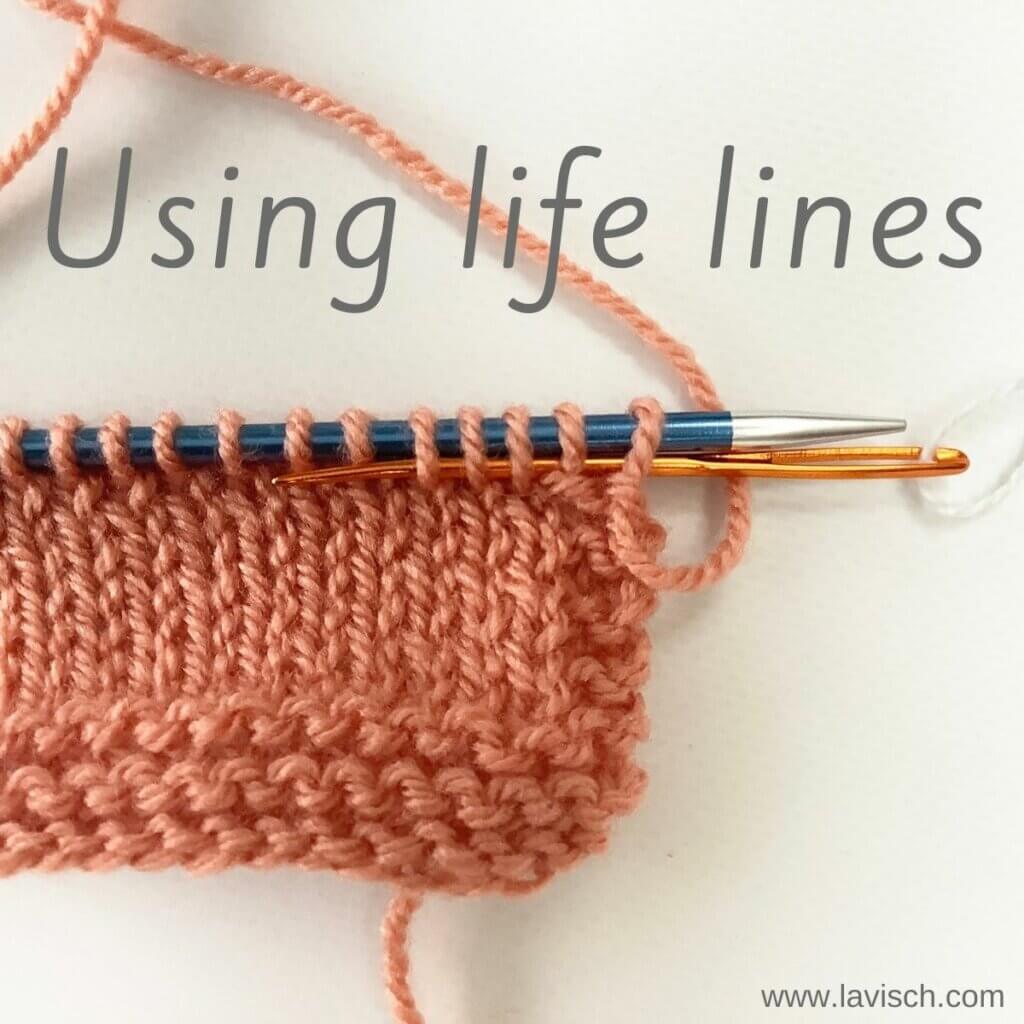
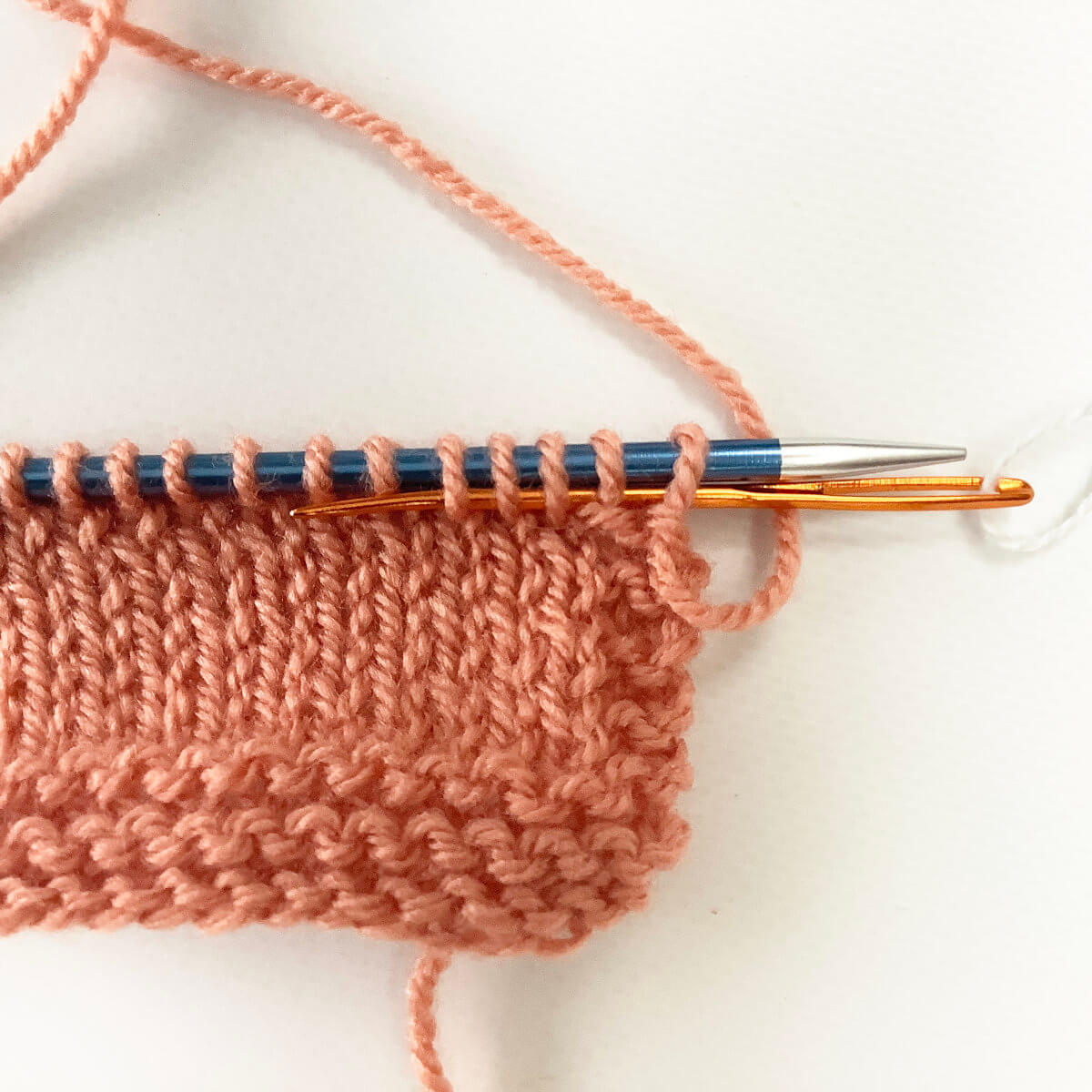
You may have heard about life lines and wonder about what they are and why they’re useful. I’ll tell you all about it in this post! In short: A life line in knitting is a temporarily inserted thread, to make sure that any dropped stitches can’t unravel down beyond the line you’ve inserted. This is particularly useful when knitting lace with a smooth yarn. Working lace back up with the correct stitches is much more complex than regular stockinette!

A life line can also be used for added security when you’re sure that a certain stretch of knitting is error-free. Just insert the life line and you have a safe place in your knitting to rip back to in the event you make a mistake in your knitting after that.

The technique for adding a life line is the very same as for putting live stitches on a piece of waste yarn or stitch holder, to work further on later on. The only difference is that with just adding a life line, the stitches are kept on the needle. With putting stitches on waste yarn, the stitches are pushed off the needle. The latter I also use when trying out the fit of sweaters, when the length of the cable of my circular knitting needles doesn’t allow for trying the piece on.

Many yarns are suitable to be used as a life line. Personally, though, I prefer yarn that is

  1. Thinner than my working yarn, so it doesn’t distort the surrounding stitches.
  2. A different color than my working yarn, so I can see where it is in my knitted fabric.
  3. Smooth, so it’s easy to both insert and remove it.

For these reasons I usually use crochet thread, a relatively heavy one.

Materials used

Yarn: * Paintbox Yarns Simply DK, a good value, good quality 100% acrylic yarn, here in the color 155 Vintage Pink.

Needles: * KnitPro Zing Fixed Circular Needles. In this tutorial, I used the 4 mm (US 6) size with a cable length of 80 cm (32 inches).

Darning needle: * Hiya Hiya Darn It Yarn Needle, or any other tapestry needle, threaded with yarn.

Crochet cotton: Manuela N° 5 from Schoeller+Stahl, a 100% mercerized cotton 6-ply thread (200 m (219 yds) / 50 g)

Inserting a life line step by step

In this example I’m using a little stockinette swatch to show you how to insert a life line using a darning needle and thread. When doing so in a piece of knitted lace, you may find it easiest to do so after a plain knit of purl row if that’s possible in your patterning.

  1. First, make sure you have your thread and darning needle ready.

    Don’t cut your thread too short, or you may not have enough length to thread through all stitches, and allow for some stretch.Using life lines - getting everything ready

  2. Next, take your darning needle and insert it through the first couple of stitches on the needle.

    Move the darning needle behind the front leg of the various stitches. Take care not to pierce any strands of yarn.Step 2 of placing a life line

  3. After the first few stitches, pull the cotton thread through, taking care to leave a tail outside the piece of knitting.

    Then, you can insert the darning needle into the next couple of stitches and so on, to put all stitches on the thread.The life line is all threaded though

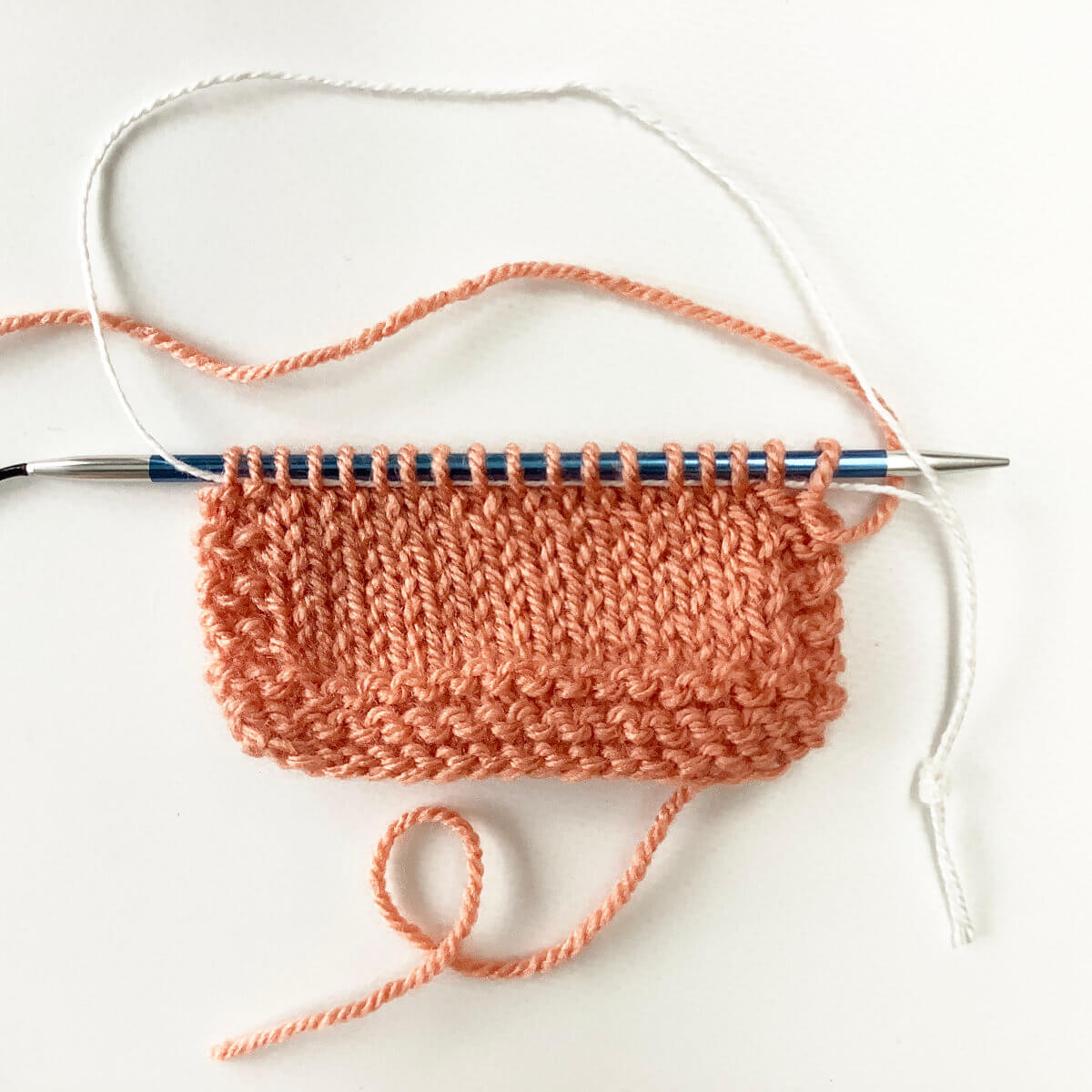
  4. Now we have to secure the life line.

    To do so, I prefer making a loose knot in the ends of the cotton thread.Securing the life line

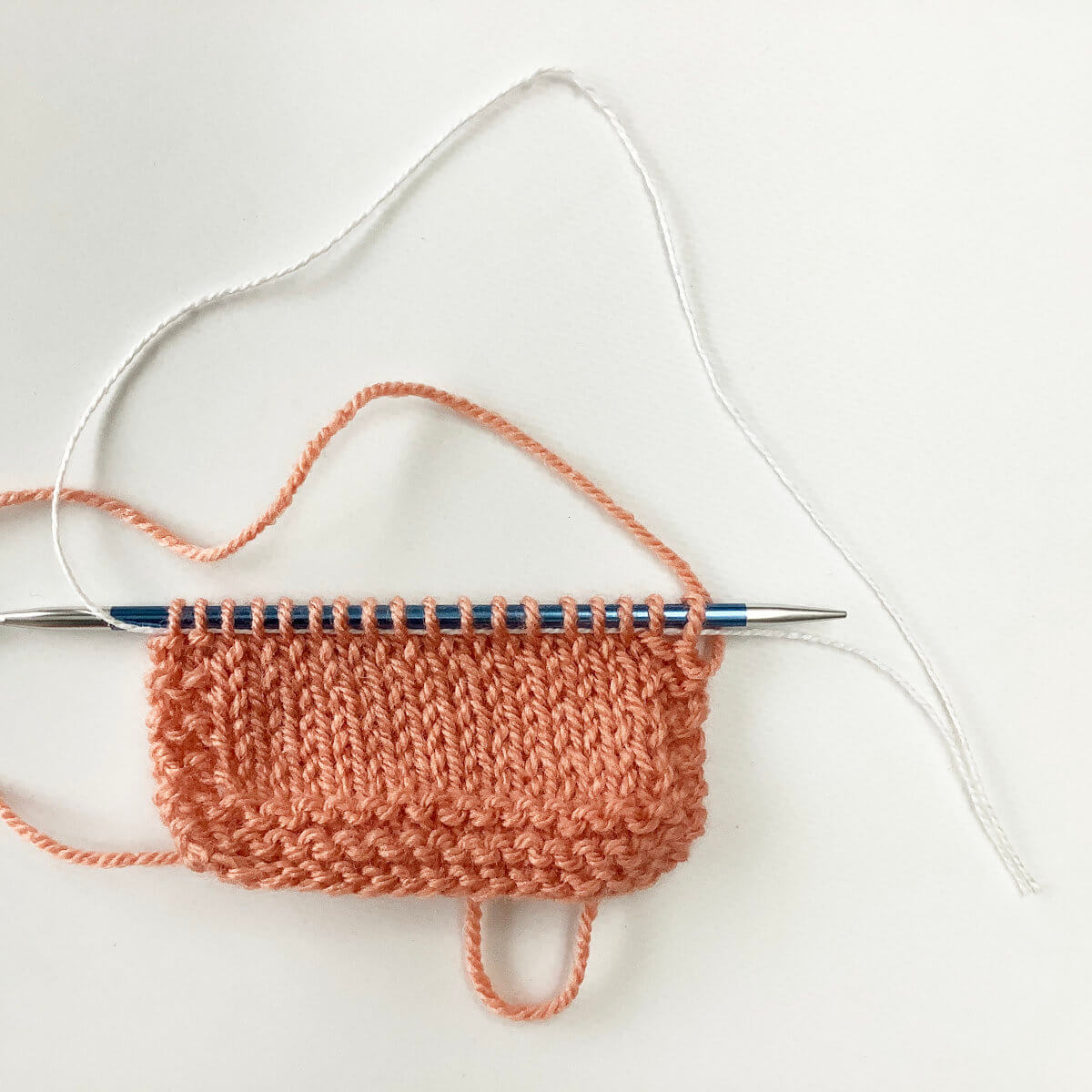
  5. And this is the result!

    When the life line is no longer needed, just undo the knot and pull the thread out of the knitting. Or follow the path of the life line through the stitches with a knitting needle before ripping back your knitting…Life line inserted!

Patreon logo

Thanks to my Patreon supporters for bringing you this freebie! Creating quality patterns and tutorials is a lot of work and resource-intensive. However, I find it important to give you free content like this tutorial. Thanks to the generous support of my Patreon supporters, I can make it happen. Thank you, patrons! Click here to join, or click here to read more about La Visch Designs on Patreon.

tutorial – using life lines Read More »

tutorial – working a purl 1 below (p1b)

Tutorial on working a purl 1 below (p1b)

There are cases in which skipping the row on your needle for particular stitches is desired, and one is to knit or purl in the row below that one. In other words: you knit/purl into the stitch below where you normally would, exactly as the name suggests. Think, for example, off Fisherman’s Rib, but also off the bunny ears yo stitch, on its following wrong-side row.

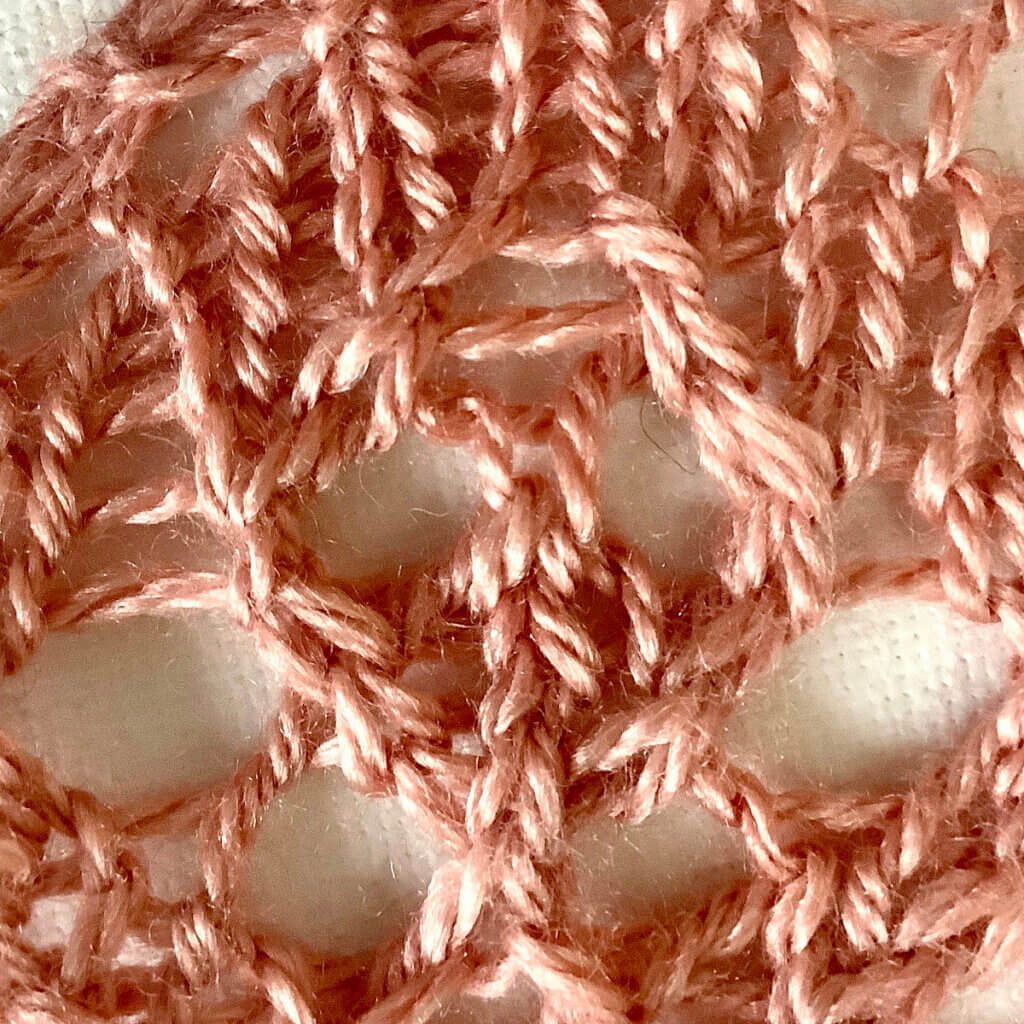
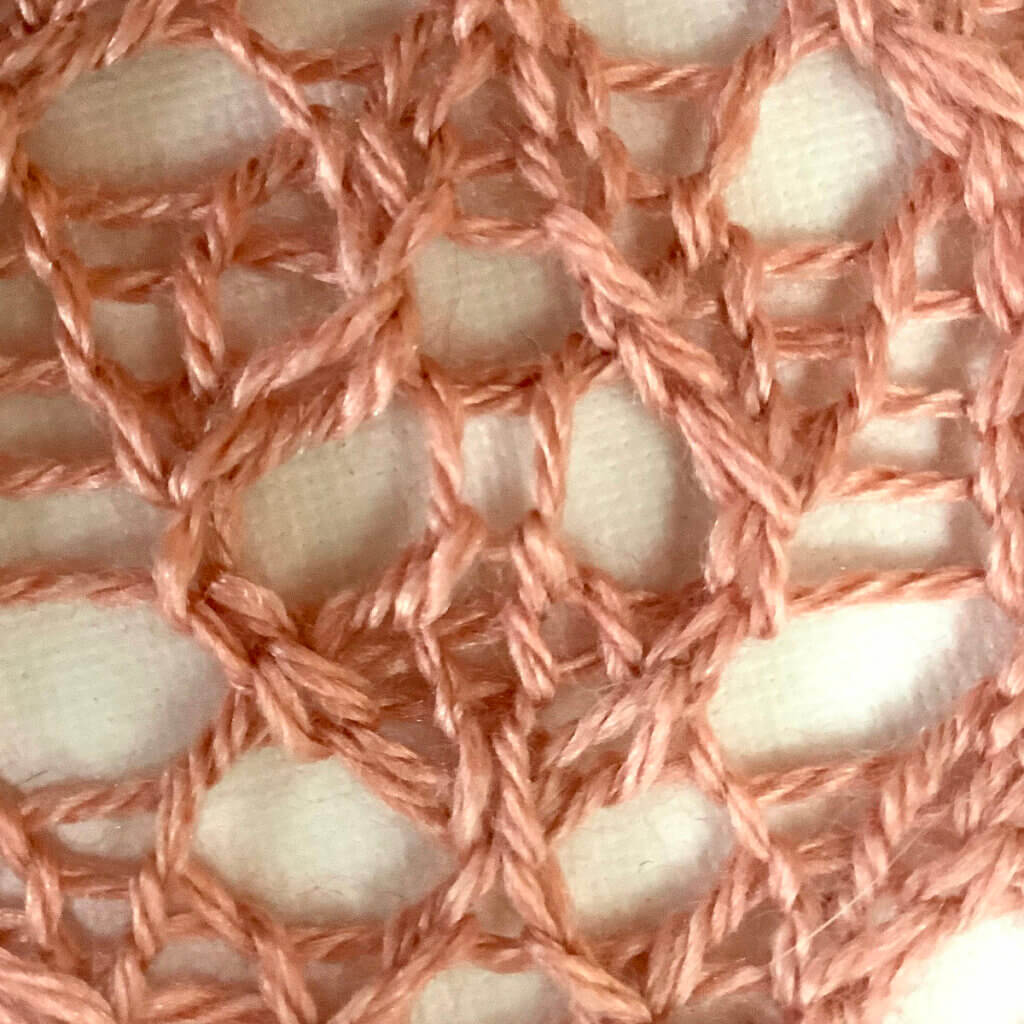
The challenge in working this stitch is recognizing the stitch to insert your needle in. So that’s what I’ll be showing you in this tutorial. I’ll be using the same project I also used for the bunny ears yo tutorial, so please don’t be alarmed by all the lace. The p1b stitch in itself does not involve any lace knitting. To show you the difference between using a regular purl and a p1b stitch in bunny ear yo lace, take a look below:

See how they differ? In the one on the left there is a horizontal thread over the yo part of the stitch. In the picture on the right the new stitch is made catching that horizontal thread too and thus keeping the yarn over open!

Materials used

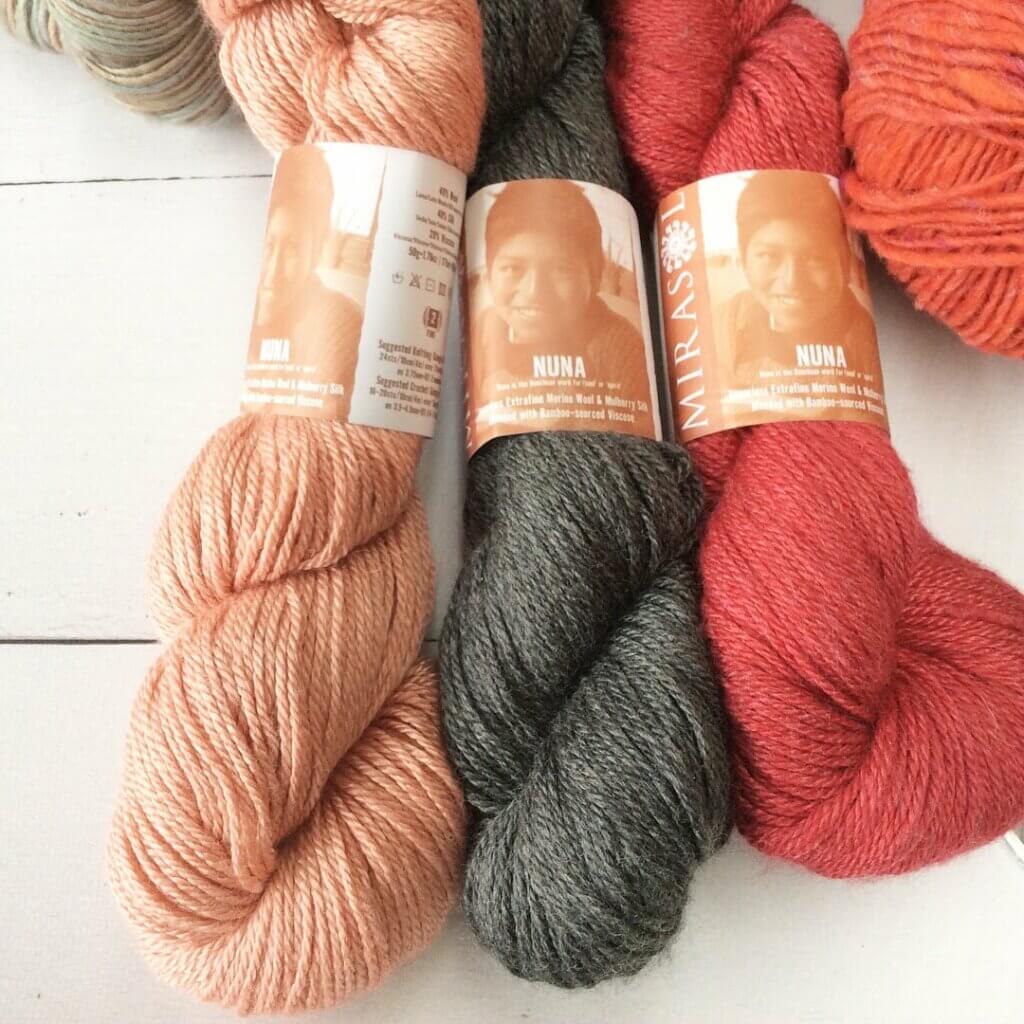
Yarn: Nuna by Mirasol Yarn (40% merino, 40% silk, 20% rayon from bamboo; 175 m (191 yds) / 50 g), here in the color 1046 Coral.

Needles: To be honest, I don’t recall what the brand is of the needles I used in this tutorial. I do know I used the 4 mm (US 6) size with a cable length of 80 cm (32 inches).

Working a p1b step by step

In patterns, you may encounter the following description of this stitch:
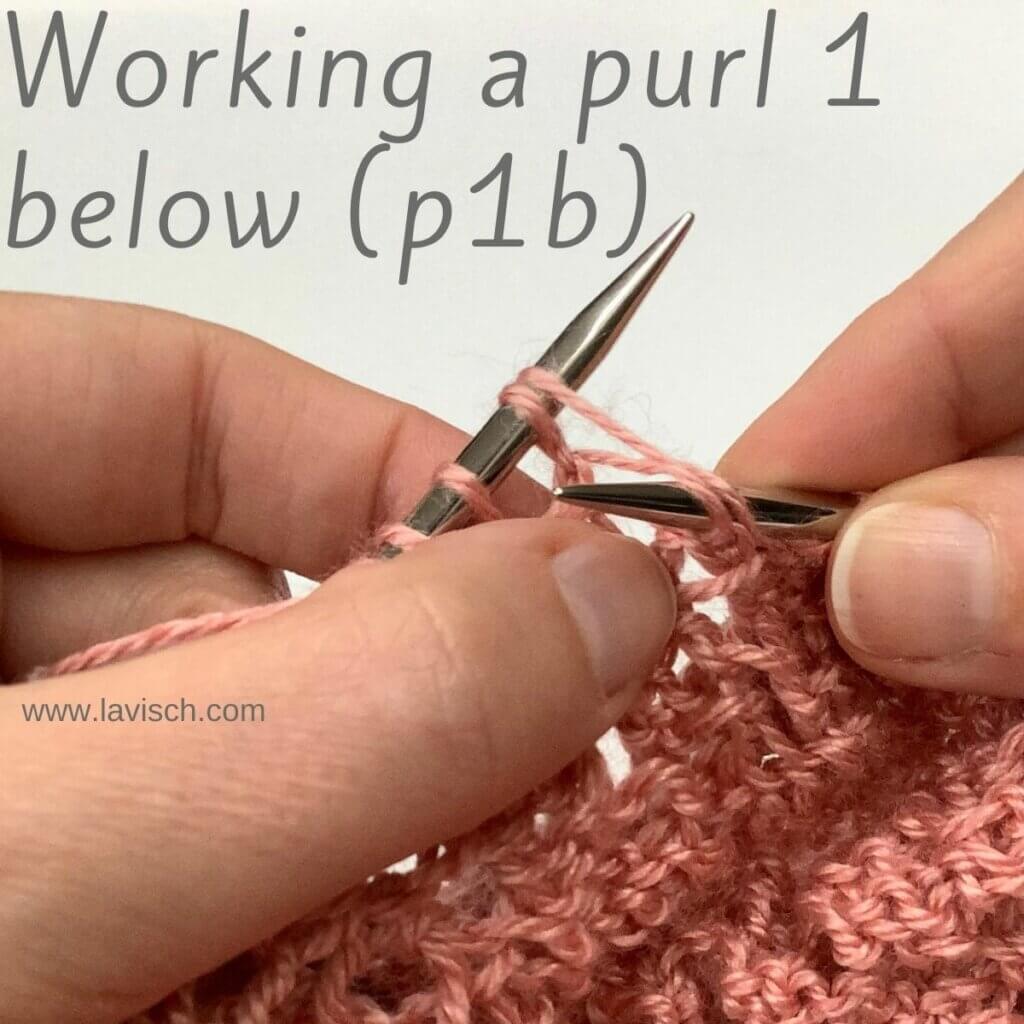
Purl 1 below (p1b): Purl into the stitch 1 row below the one on the needle by inserting the needle from back to front. Purl this stitch, then pull the worked stitch and the stitch above off the needle together.
But how to actually do this? Read on!

  1. First, work your way across the row until you’ve reached the point where you want to make the stitch.

    See that first stitch on the left-hand needle? That’s the yo in the middle of the bey stitch where I’ll be making the p1b stitch.P1b step 1

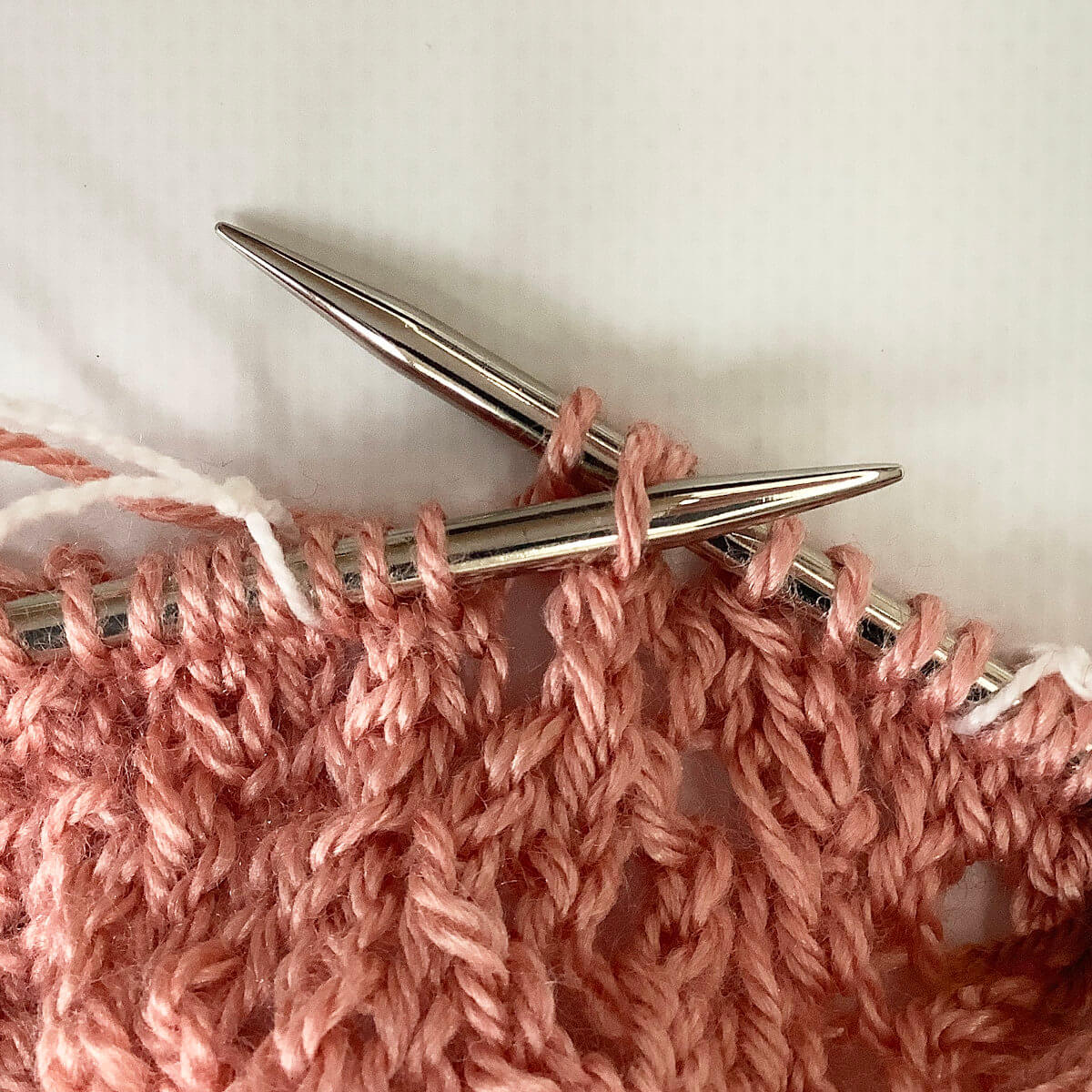
  2. Insert the right-hand needle purl wise

    Normally, you’d insert the needle directly into the loop that’s on the left-hand needle. However, in this case we want to insert the needle into the stitch below that one.P1b step 2

  3. Now wrap your working yarn around the needle and pull it through.

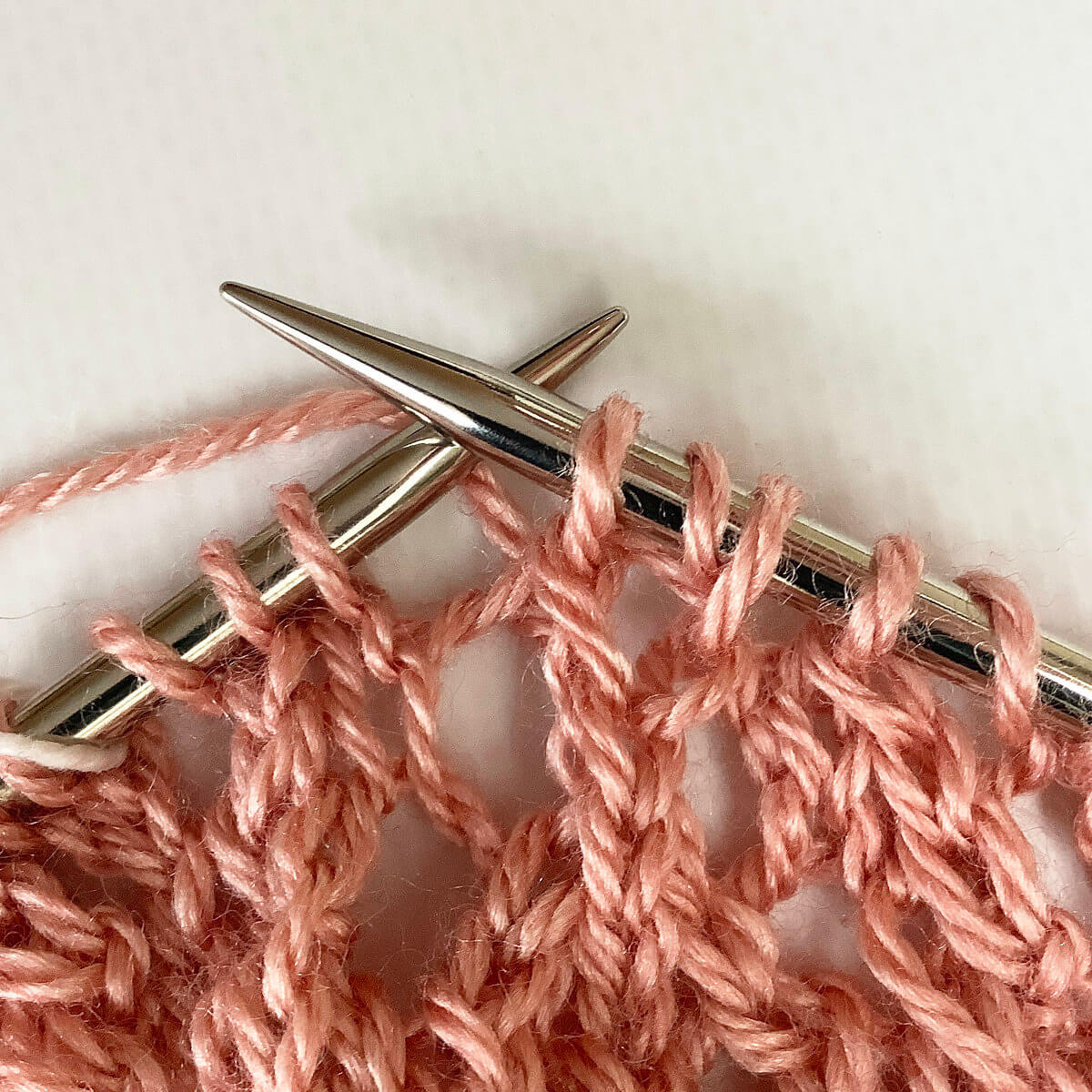
    See that you’re actually pulling it through 2 stitches at once? That is, the one on the needle and the one directly below it. To finish the stitch just slip the top stitch off the left-hand needle without actually working it. Because the fabric is secured by purling into the stitch below it, the stitch won’t run down unraveling.P1b step 3

  4. The below picture shows how it looks on the purl side of the fabric after I’ve worked a regular purl stitch in the 3rd and last stitch of the bey.

    You can see the 2 strands that are caught by the p1b pretty well.P1b, the result on the purl side

  5. Turning the fabric around, this is how it looks on the right (knit) side of the fabric.

    I really like how it looks!P1b, the result on the right (knit) side

Patreon logo

Thanks to my Patreon supporters for bringing you this freebie! Creating quality patterns and tutorials is a lot of work and resource-intensive. However, I find it important to give you free content like this tutorial. Thanks to the generous support of my Patreon supporters, I can make it happen. Thank you, patrons! Click here to join, or click here to read more about La Visch Designs on Patreon.

tutorial – working a purl 1 below (p1b) Read More »

tutorial – working the bunny ears yo stitch

tutorial - working the bunny ears yo stitch

In this tutorial I’m going to show you a stitch that I’m using in a new design: the bunny ears yarn over stitch, or “bey” for short. It uses a bunny ears decrease combined with a yarn over. Now, you may wonder what a bunny ears decrease is. I’ll tell you! It’s a symmetrical way of decreasing 3 stitches to only 2! I’ll be making a tutorial on this decrease and it’s variations soon.

Back to the bunny ears yo stitch. In this stitch a yarn over is placed between both parts of the decrease, essentially negating the decrease. Adding the yo in between both parts of the decrease make it look like 2 directional decreases on both sides of a yo, but without actually increasing or decreasing anything. The result is a very pretty stitch that does wonderfully in lace patterning as pictured here. Let’s get started with how to actually work this stitch!

Materials used

Yarn: Nuna by Mirasol Yarn (40% merino, 40% silk, 20% rayon from bamboo; 175 m (191 yds) / 50 g), here in the color 1046 Coral.

Needles: To be honest, I don’t recall what the brand is of the needles I used in this tutorial. I do know I used the 4 mm (US 6) size with a cable length of 80 cm (32 inches).

Working the bunny ears yo stitch step by step

In patterns, you may encounter the following description of this stitch:
Bunny ears yo (bey): Knit 2 stitches together but leave the second stitch on the left needle, yo, next work skp over the next 2 stitches.
But how to actually do this? Read on!

  1. First, work your way across the row until you’ve reached the point where you want to make the stitch.

    See those 3 stitches on the left-hand needle? That’s where I’ll be making the bey stitch.Bunny ears yo stitch - step 1

  2. Next, insert the tip of the right-hand needle into the first 2 stitches at the same time as if to knit.

    Over these stitches, we’ll be doing the first steps of a k2tog.Bunny ears yo - step 2

  3. Wrap the yarn around the needle…

    Bunny ears yo stitch - step 3

  4. … and pull the yarn through the 2 stitches.

    Bunny ears yo stitch - step 4

  5. Next, slide only 1 of the 2 original stitches of the left-hand needle.

    With a regular k2tog, both stitches would be moved off the needle. So this is where it starts to go different.Bunny ears yo stitch - step 5

  6. Next, wrap the yarn around the needle.

    This is where we make the “yarn over” part of the stitch.Bunny ears yo stitch - step 6

  7. Now we’re starting the left leaning decrease part of the stitch.

    This we’ll be working on the 2 remaining stitches on the left-hand needle: 1 stitch we haven’t handled yet, and 1 stitch that we didn’t move off the needle when working the k2tog right-leaning decrease. This part of the stitch can be worked both as ssk and skp, but since I personally prefer skp I’ll be showing this in the tutorial.

    To start insert the tip of the right-hand needle into the first stitch as if to knit …Bunny ears yo stitch - step 7

  8. … and slip it onto the right-hand needle without actually knitting it.

    This is how it then looks:Bunny ears yo stitch - step 8

  9. Next, we are going to knit the second stitch.

    To do so, we start with inserting the right-hand needle into the first stitch on the other needle as shown below.Bunny ears yo stitch - step 9

  10. Wrap the yarn around the needle…

    Bunny ears yo stitch - step 10

  11. . …pull it through the stitch you inserted the right-hand needle in…

    Bunny ears yo stitch - step 11

  12. …and slip the original stitch off the left-hand needle.
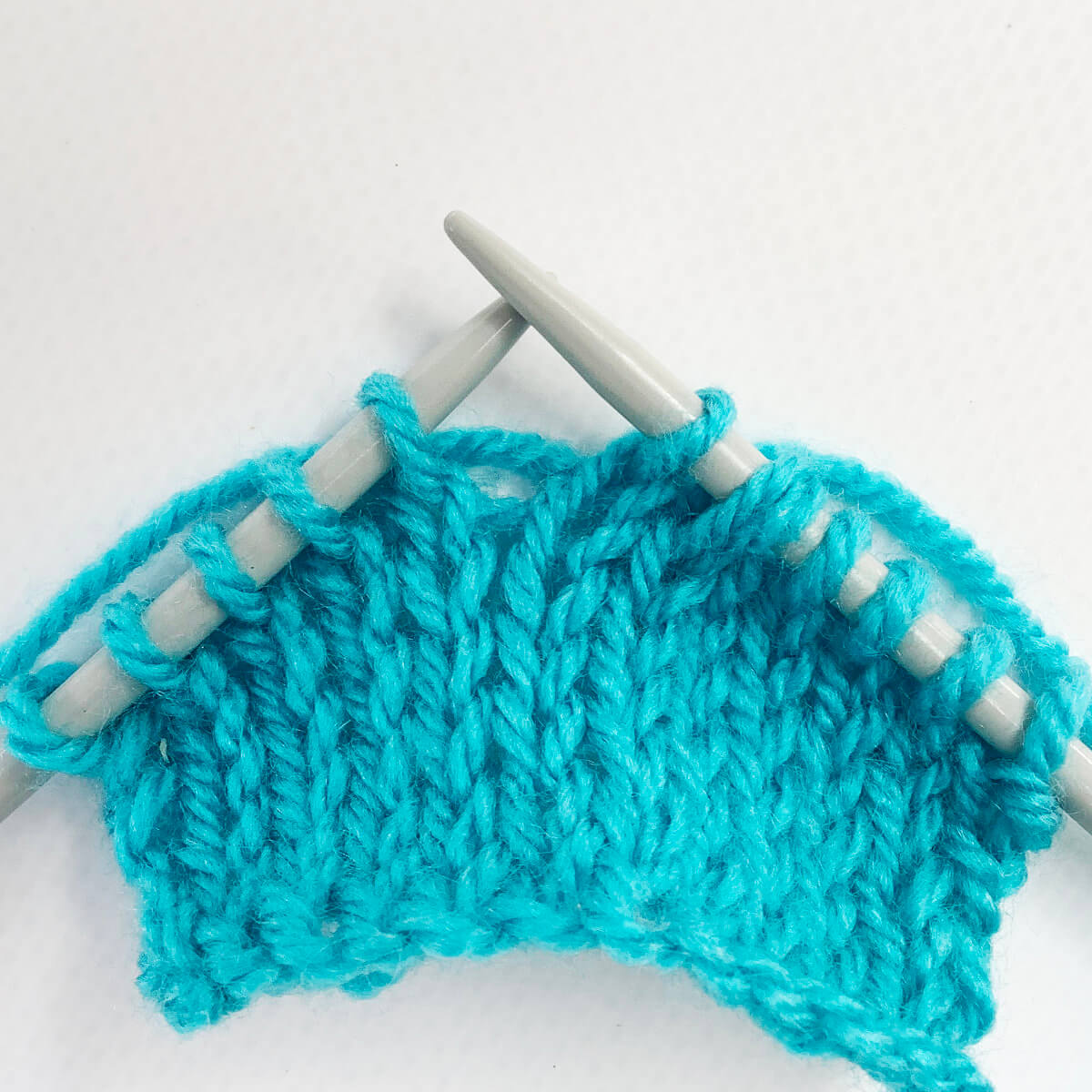
    Bunny ears yo stitch - step 12

  13. Next, insert the left-hand needle into the second stitch counted from the tip of the right-hand needle…
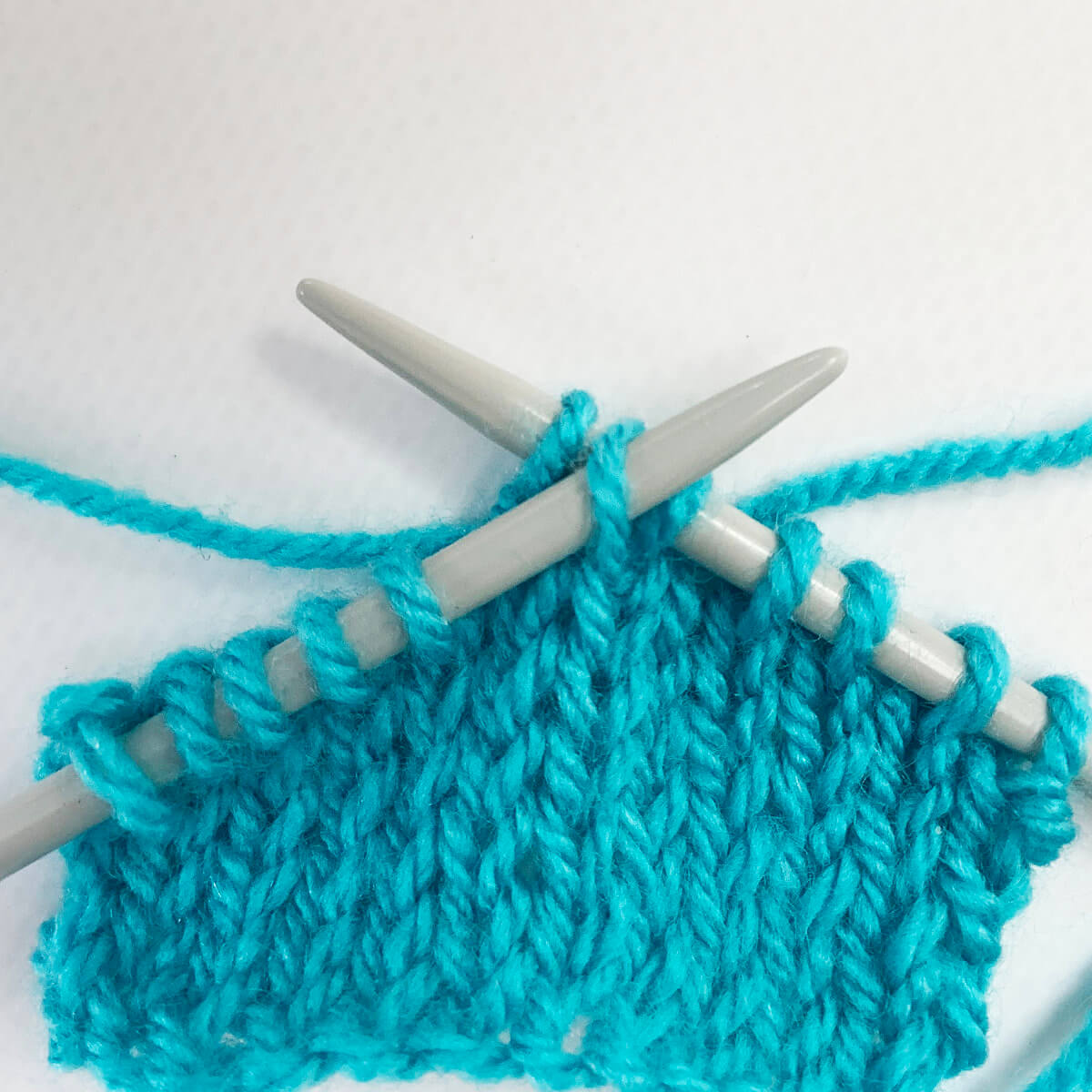
    Bunny ears yo stitch - step 13

  14. … after that, pull it over the first stitch from the tip of the right-hand needle to complete the decrease.

    Do you see how it slants to the left? With this the bunny ears yarn over stitch itself is finished. But, for optimal results, we’re not done yet. Take a look at the next section to see why.Bunny ears yo stitch - step 14

Working the WS row after the bey row

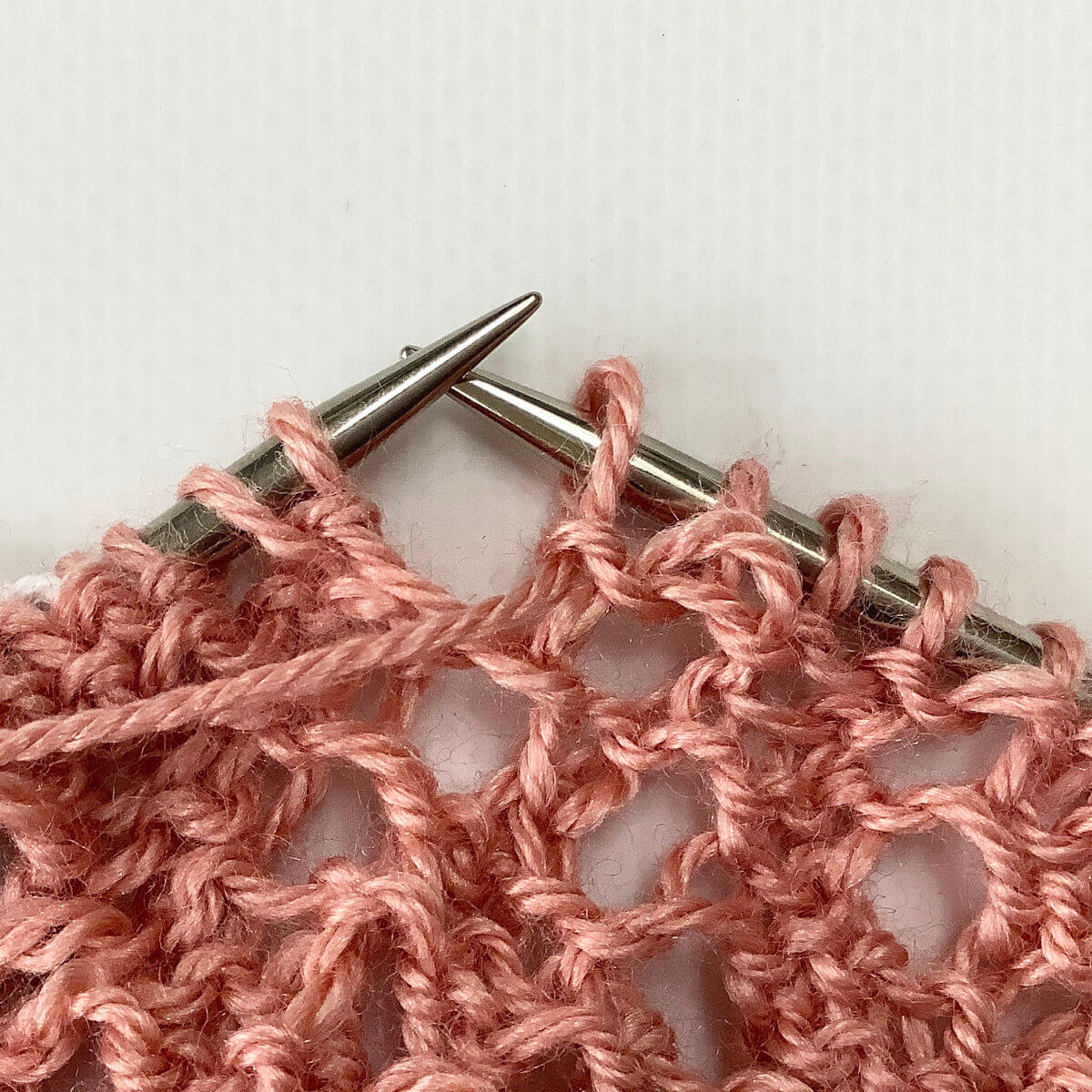
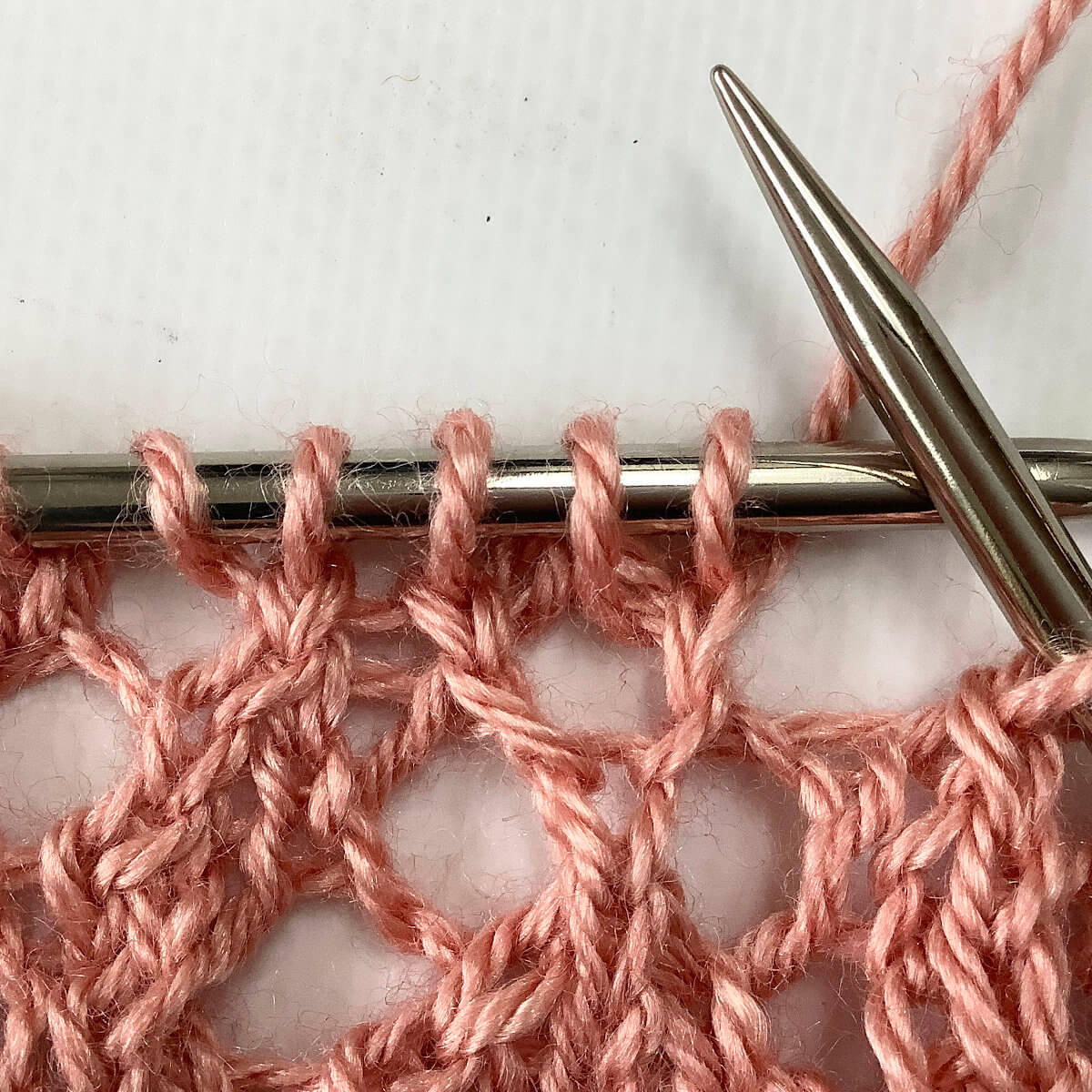
After working a row where bunny ear yo’s are worked there, of course, also follows a wrong side purl row. However, when working regular purl stitches over the bey stitches, this creates a horizontal thread over the yo part of the stitch. This is, of course, no problem if you like how this looks. You can see this below on the left. But, if you prefer the bey stitch to really look like a big yo, flanked by directional decreases, we really have to do something different from a regular purl stitch. The solution is working a purl 1 below or p1b instead. This gives the result as shown on the right:

Please note that the picture on the left was right at the beginning of my project, in the set-up section. The other one was further on in the body of the project, hence the difference in surrounding fabric.

A tutorial for the purl 1 below or p1b will follow soon!

Patreon logo

Thanks to my Patreon supporters for bringing you this freebie! Creating quality patterns and tutorials is a lot of work and resource-intensive. However, I find it important to give you free content like this tutorial. Thanks to the generous support of my Patreon supporters, I can make it happen. Thank you, patrons! Click here to join, or click here to read more about La Visch Designs on Patreon.

tutorial – working the bunny ears yo stitch Read More »
tutorial – working a p2tog tbl

Tutorial on working the p2tog tbl decrease

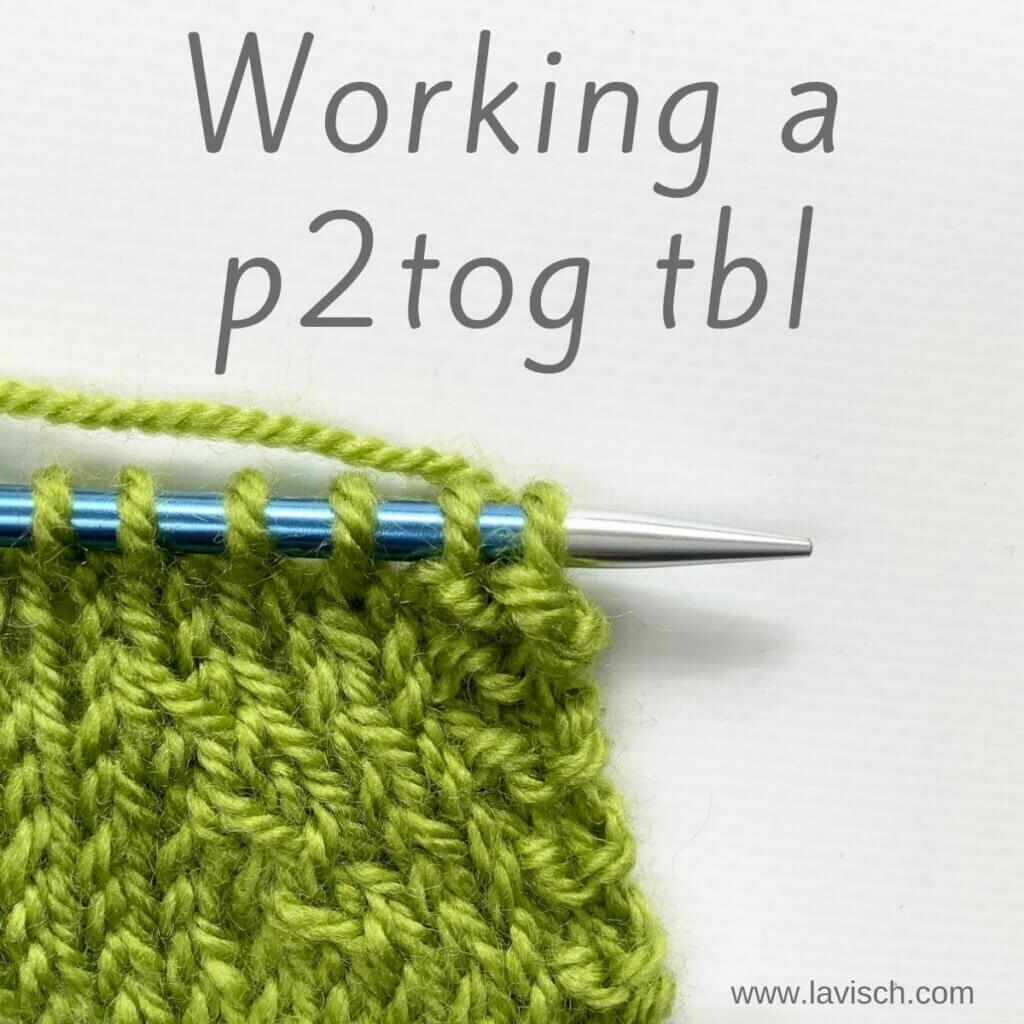
Last time I showed you how to do a decrease worked on the wrong side of the fabric, that looks like a k2tog right leaning decrease on the right side: p2tog. In this tutorial it’s time to focus on the left leaning equivalent. In other words: a decrease worked on the wrong side, that looks like a skp or ssk left leaning decrease on the right side of the fabric. This is the “purl 2 stitches together through the back loop” decrease, or “p2tog tbl” for short.

Below I’ll show you how to work this decrease step by step.

Materials

Yarn: * Paintbox Yarns Simply DK, a good value, good quality 100% acrylic yarn, here in the color 128 Lime Green.

Needles: * KnitPro Zing Fixed Circular Needles. In this tutorial, I used the 4 mm (US 6) size with a cable length of 80 cm (32 inches).

Working a p2tog tbl step by step

  1. Work your way across the row until you’ve reached the point where you want to make the decrease

    In this case, I want to work the decrease 4 stitches in from the left side of the swatch.Working a p2tog tbl - step 1

  2. Pull down the fabric below the 2 stitches you’ll be working the decrease on

    This will make it easier to both see where to insert the needle and to actually insert it.Working a p2tog tbl - step 2

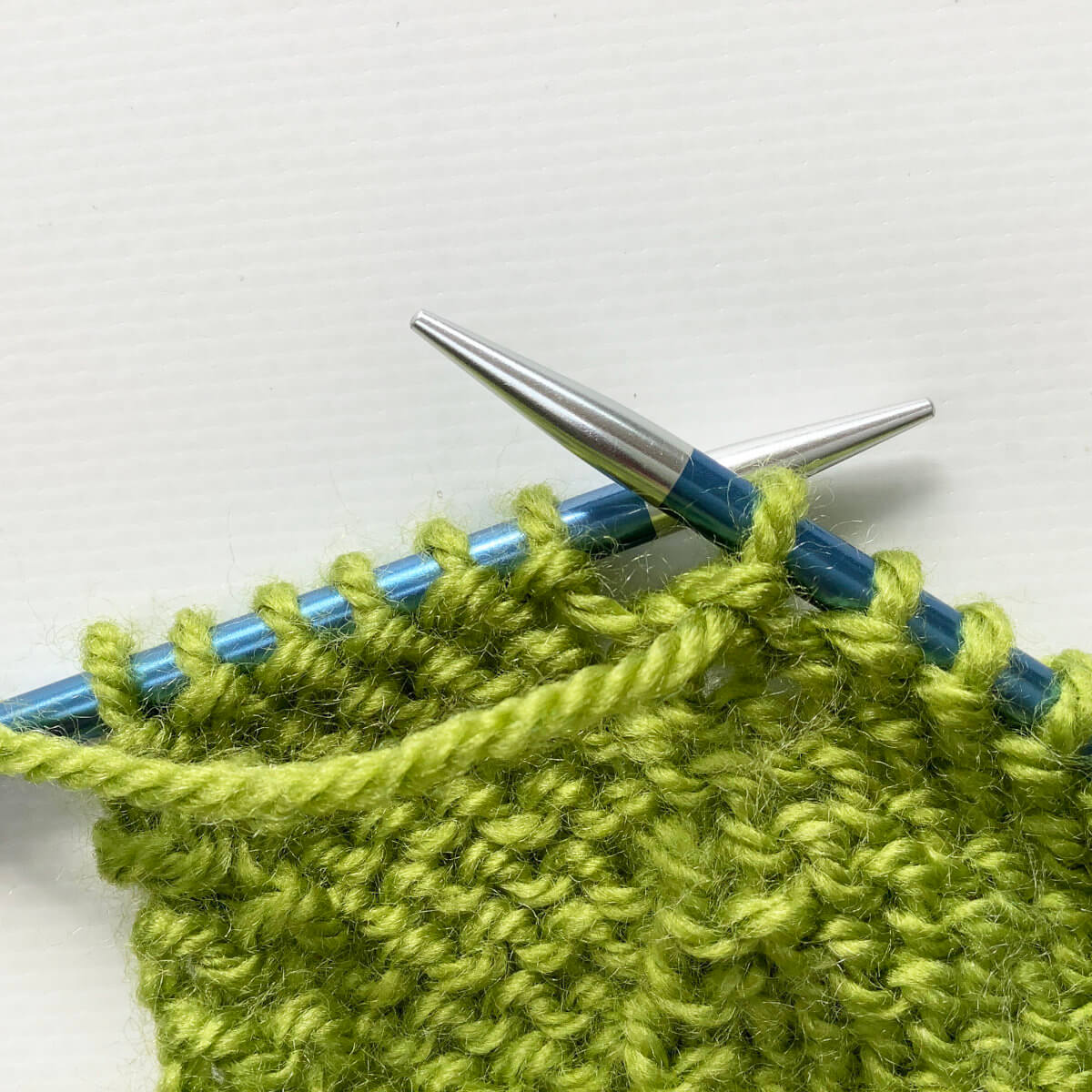
  3. Insert the needle

    Now insert the needle from left to right through the back loop of the first two stitches on the left-hand needle.Working a p2tog tbl - step 3

  4. Wrap the working yarn around the right-hand needle …

    Working a p2tog tbl - step 4

  5. … and pull the yarn through the two stitches

    Working a p2tog tbl - step 5

  6. To finish the decrease slip the two stitches worked of the needle.

    This is how this then looks.Working a p2tog tbl - step 6

  7. The result

    When viewed from the right side of the fabric, this decrease looks exactly look a skp!Working a p2tog tbl - step 7

Patreon logo

Thanks to my Patreon supporters for bringing you this freebie! Creating quality patterns and tutorials is a lot of work and resource-intensive. However, I find it important to give you free content like this tutorial. Thanks to the generous support of my Patreon supporters, I can make it happen. Thank you, patrons! Click here to join, or click here to read more about La Visch Designs on Patreon.

tutorial – working a p2tog tbl Read More »
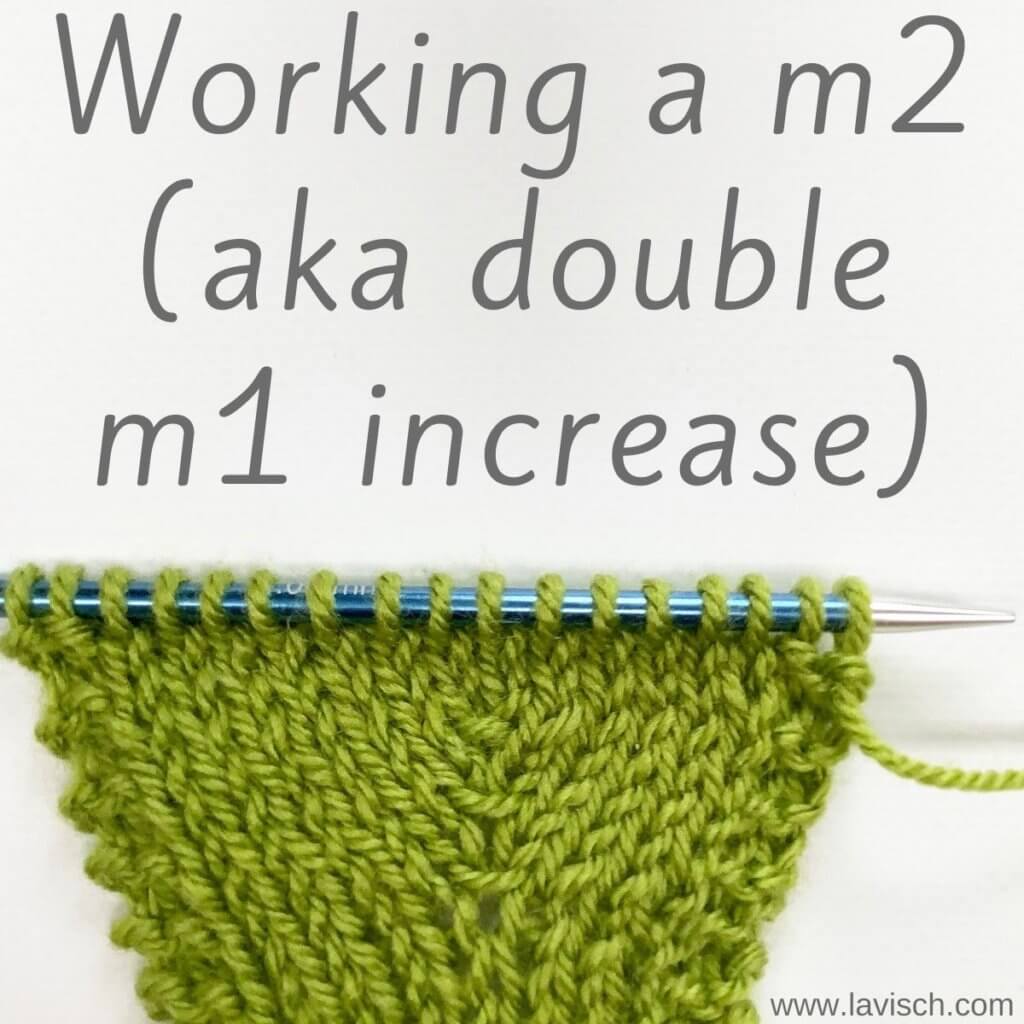
Working a m2 aka double m1 increase

Working a m2 increase

There are various ways of working a double increase. Take for example a double yarn over. In this tutorial I will focus on the make 2 increase or m2 for short. It can also be referred to as a “double make 1” (m1) increase. It basically consists of working 2 m1 increases directly after one other in the same strand of yarn between 2 stitches in the row directly below the one you’re currently working.

The m1 increase is a directional one. This means that there is a left leaning version (m1l) and a right leaning version (m1r). The m2 version that consists of first working a m1r, followed by a m1l, makes a very decorative horizontal strand in the fabric. This is the version I’ll show you below. Different looks can be achieved by first working a m1l, followed by a m1r, working m1r twice, or a m1l twice. Experiment and choose the one that gives the look you like for a particular project!

Please do note, that since this increase uses the strand of yarn already there between stitches, it tends to tighten up the knitting. For this reason I advise to work one or more plain rows between increase rows, especially when stacking them.

Materials used

Yarn: * Paintbox Yarns Simply DK, a good value, good quality 100% acrylic yarn, here in the color 128 Lime Green.

Needles: * KnitPro Zing Fixed Circular Needles. In this tutorial, I used the 4 mm (US 6) size with a cable length of 80 cm (32 inches).

Working a m2 increase step by step

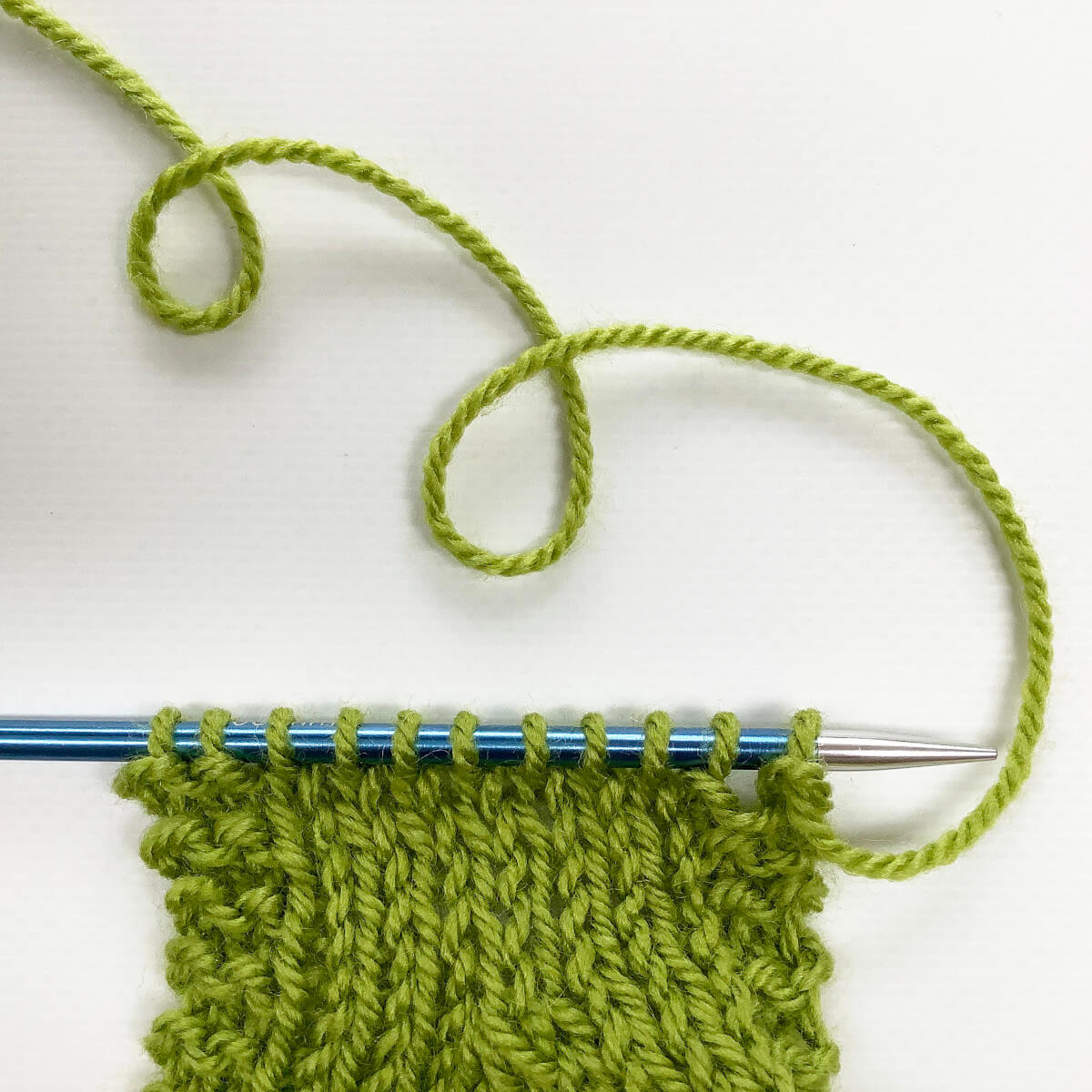
  1. First take your knitting. Here I’ve continued with the little swatch I used with a previous tutorial.

    M2 increase - a tutorial by La Visch Designs

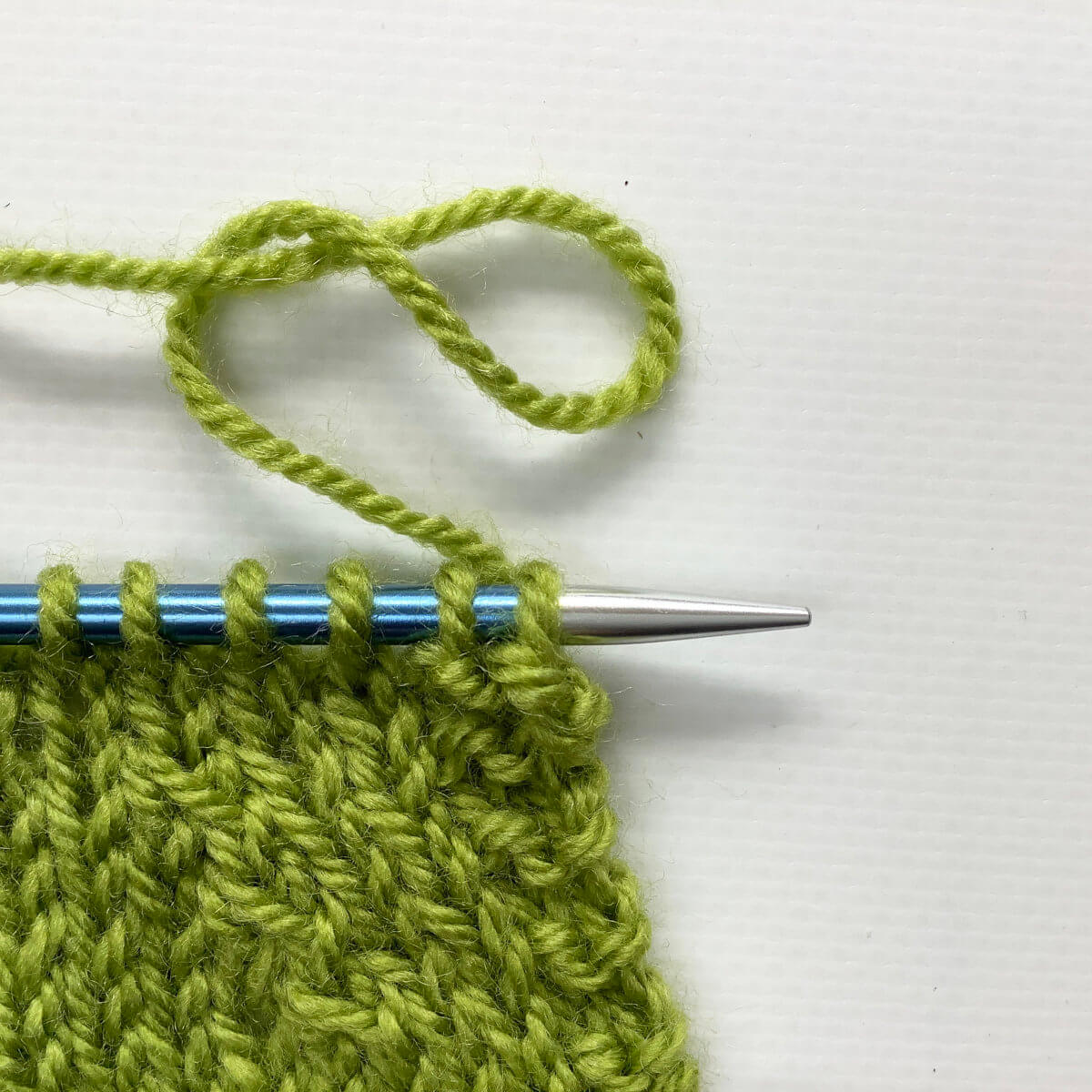
  2. Knit to the spot where you want to make the increase.

    First, work your way across the row until you’ve reached the point where you want to make the increase. In this case, I will be making the M2 increase 5 stitches in from the left edge. I’d make the increase in the middle of my swatch for a truly centered result, but alas, my swatch has an odd number of stitches.M2 increase - a tutorial by La Visch Designs

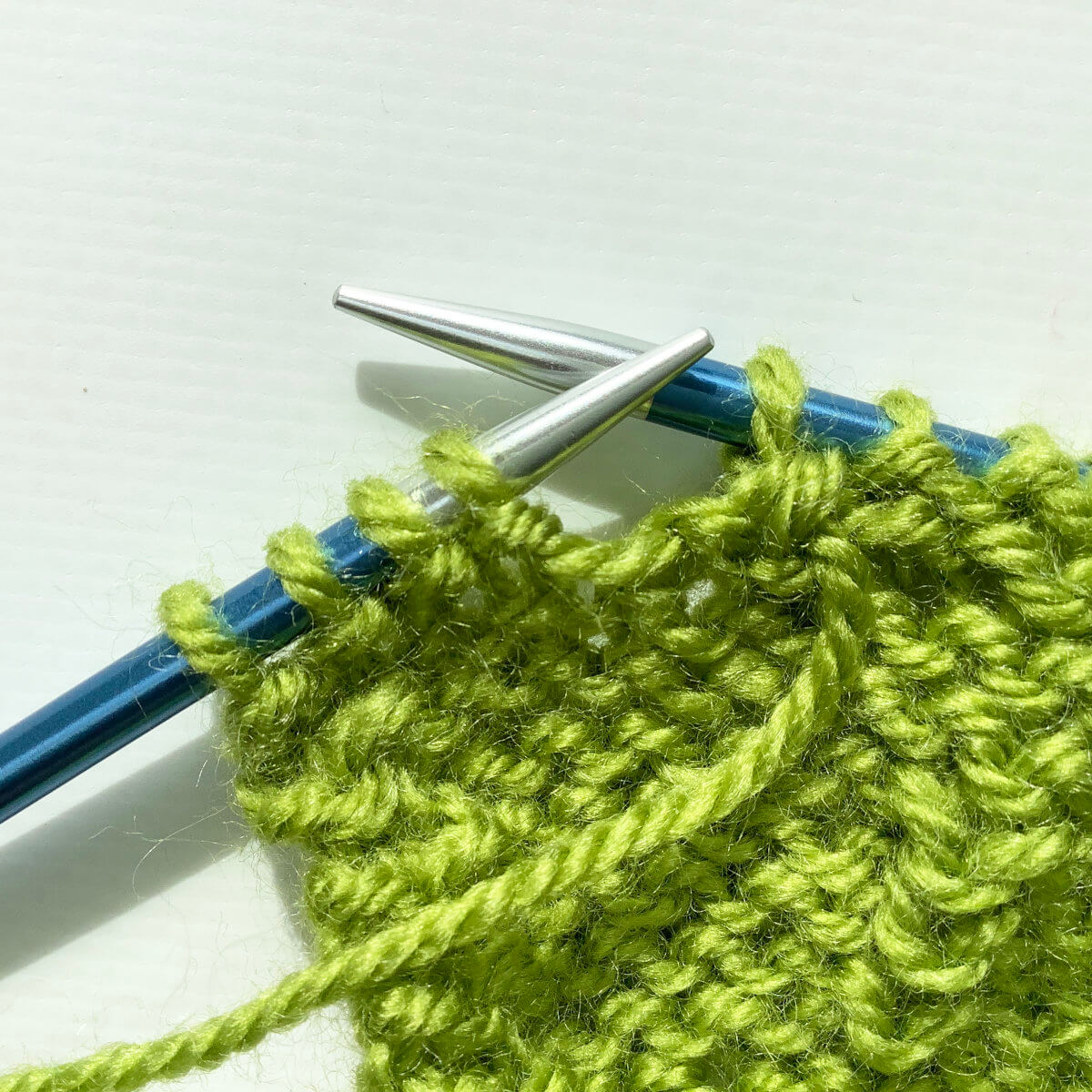
  3. First we start the m1r increase

    To do so, lift the thread between the stitch just knit and the next one from the back with your left needle.M2 increase - a tutorial by La Visch Designs

  4. Insert the right-hand knitting needle into the front of the loop.

    M2 increase - a tutorial by La Visch Designs

  5. Wrap the yarn around the needle…

    M2 increase - a tutorial by La Visch Designs

  6. … and pull in through, slide the stitch of the left-hand needle to complete the m1r part of this double increase.

    M2 increase - a tutorial by La Visch Designs

  7. Next, we’re going to tackle the m1l part of the increase.

    To do so, lift the thread between the stitch just knit and the next one from the front with your left-hand needle.M2 increase - a tutorial by La Visch Designs

  8. Insert the right-hand knitting needle into the back of the loop.

    M2 increase - a tutorial by La Visch Designs

  9. Wrap the yarn around the needle…

    M2 increase - a tutorial by La Visch Designs

  10. … and pull in through, slide the stitch of the left-hand needle to complete the m1l part of this double increase.

    M2 increase - a tutorial by La Visch Designs

  11. This is how it looks after this increase has been worked in 3 RS rows.

    Pretty, isn’t it? And that’s all there is to it!M2 increase - a tutorial by La Visch Designs

Patreon logo

Thanks to my Patreon supporters for bringing you this freebie! Creating quality patterns and tutorials is a lot of work and resource-intensive. However, I find it important to give you free content like this tutorial. Thanks to the generous support of my Patreon supporters, I can make it happen. Thank you, patrons! Click here to join, or click here to read more about La Visch Designs on Patreon.

Working a m2 aka double m1 increase Read More »